


 English
 中文简体

High-Performance Amphoteric Antistatic Agent for Modern Textile Processing
Content
- 1 Understanding Static Electricity in Textile Manufacturing
- 2 Product Structure and Main Specifications
- 3 How the Antistatic Effect Works
- 4 Advantages Compared with Conventional Antistatic Options
- 5 Recommended Textile Applications
- 6 Application Process and Dosage Guidance
- 7 Quality Evaluation and Process Optimization
- 8 Manufacturing Strengths and Technical Support
- 9 Environmental and Compliance Considerations
- 10 Packaging, Storage, and Transportation
- 11 Why Manufacturer Capability Matters to Textile Buyers
- 12 Implementation Strategy for Textile Mills
- 13 Frequently Asked Questions
- 13.1 What type of product is Amphoteric Antistatic Agent LX70?
- 13.2 What surface resistance can the product achieve?
- 13.3 What is the recommended dosage?
- 13.4 Can LX70 be used with silicone oils?
- 13.5 What is the standard application process?
- 13.6 Is the product suitable for polyester?
- 13.7 Can it be used on nylon and polyvinyl chloride?
- 13.8 What happens if the treated fabric is washed?
- 13.9 What is the active content?
- 13.10 What is the pH value?
- 13.11 How should the product be stored?
- 13.12 What packaging is available?
- 13.13 Why is supplier manufacturing capability important?
- 14 Conclusion
- 15 References
- 16 Product: Amphoteric Antistatic Agent LX70
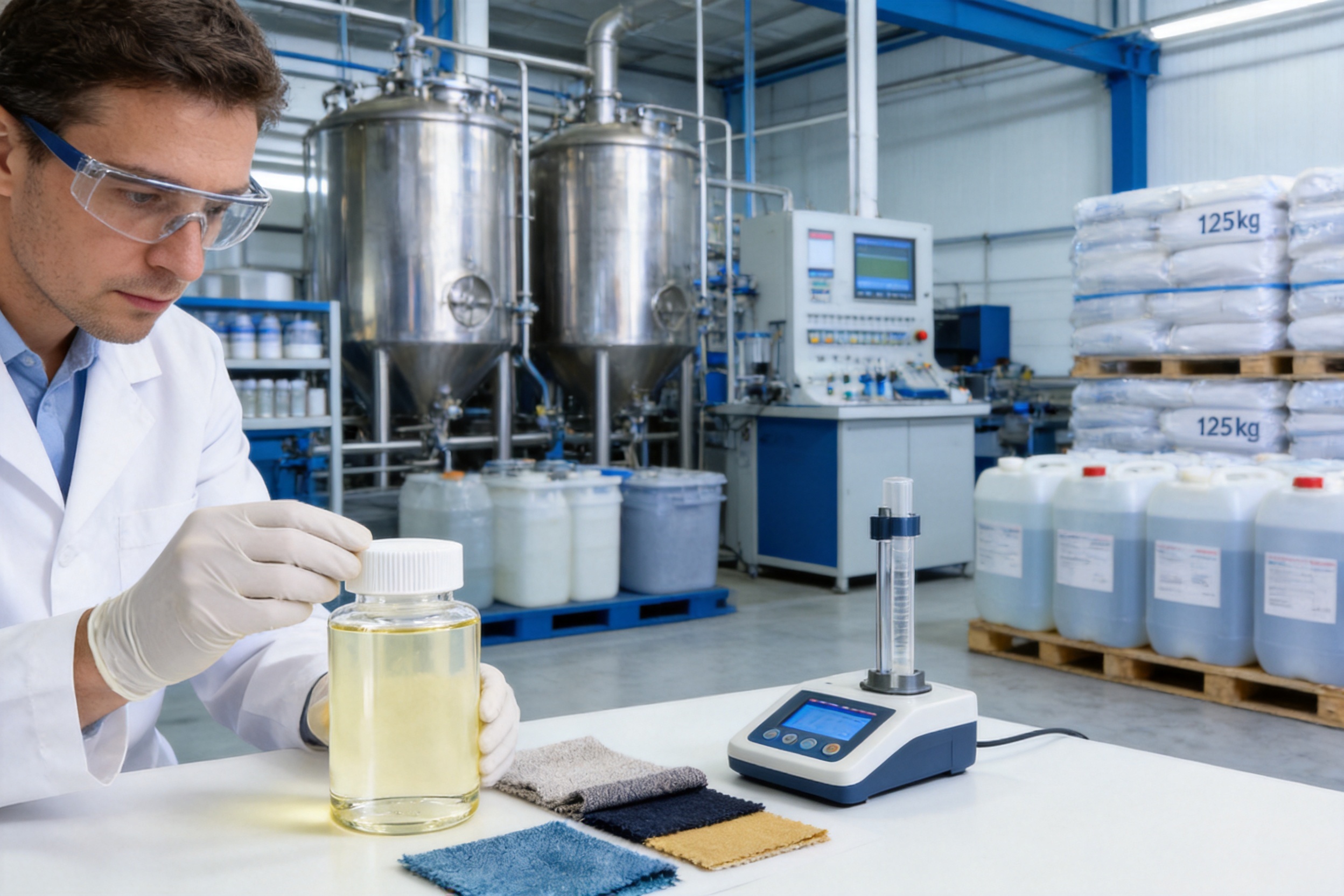
Static electricity is one of the most persistent technical challenges in the manufacture and finishing of textile materials. It can occur during fiber production, spinning, weaving, knitting, dyeing, finishing, cutting, sewing, packaging, and end use. Synthetic fibers are especially prone to static accumulation because materials such as polyester, nylon, and polyvinyl chloride generally have low moisture regain and high electrical resistance. When fibers rub against machinery, guides, rollers, workers, or one another, electrical charges can build up on their surfaces. The result may include fiber fly, yarn breakage, fabric clinging, processing instability, dust attraction, sparks, operator discomfort, and reduced product quality.
Amphoteric Antistatic Agent LX70 is a concentrated textile auxiliary developed to address these issues efficiently. Based on a cationic/nonionic surfactant structure, it is designed for a wide range of textile fibers and processing conditions. The product provides rapid static elimination, helps reduce surface resistance to approximately 10⁷–10⁹ Ω, and can achieve approximately 10⁷–10⁸ Ω in applications involving synthetic fibers such as polyester, nylon, and polyvinyl chloride. Its high active content, broad compatibility, simple application process, and favorable cost-performance profile make it a practical choice for spinning, fabric finishing, and other textile operations.
In addition to its technical performance, the product is supported by the manufacturing capabilities of Jiangyin Huanan New Materials Technology Co., Ltd. The company has a long history in textile chemical production, operates two production plants, maintains an annual production capacity of approximately 60,000 tons, and combines formulation development, laboratory testing, standardized manufacturing, and quality control. These capabilities are important for customers who need stable batch-to-batch performance, customized technical support, and reliable supply for continuous textile production.
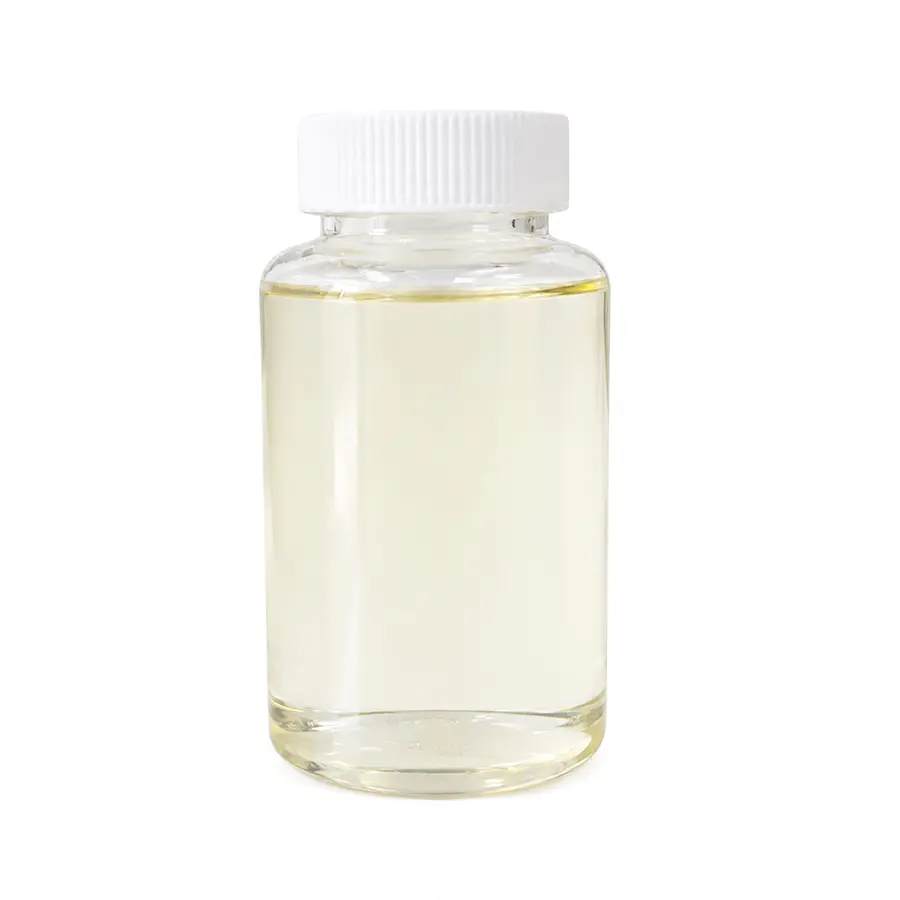
Amphoteric Antistatic Agent LX70
Understanding Static Electricity in Textile Manufacturing
Static electricity is generated when two surfaces come into contact and then separate, causing an imbalance of electrical charges. Textile fibers are repeatedly exposed to this mechanism during carding, drafting, spinning, winding, weaving, knitting, dyeing, drying, calendaring, and finishing. The faster the equipment operates and the more frequently the fibers contact other surfaces, the greater the potential for charge accumulation.
Natural fibers often dissipate static charge more easily because they can absorb a certain amount of atmospheric moisture. Synthetic fibers, by contrast, usually have lower moisture absorption and greater insulating properties. Polyester, nylon, and polyvinyl chloride are therefore common sources of static-related processing problems. Dry atmospheric conditions can make the situation worse, particularly during winter production or in climate-controlled facilities with low humidity.
Static electricity may cause individual filaments to repel or attract one another in an uncontrolled manner. In spinning, this can contribute to uneven fiber movement, drafting irregularities, yarn fly, and yarn breakage. In weaving and knitting, charged yarns may cling to machine components, interfere with shedding or loop formation, and increase the frequency of machine stoppages. During fabric handling, static can cause layers to adhere, complicate spreading and cutting, and make automated handling less reliable.
Static charge also attracts airborne dust and processing residues. This can affect fabric cleanliness and may increase the need for cleaning or maintenance. In some industrial environments, a sufficiently high electrical discharge can create a safety concern where flammable materials or sensitive electronic equipment are present. Although antistatic treatment is not a replacement for complete plant safety management, it is an important part of controlling electrical charge in textile processes.
An effective antistatic agent should provide rapid charge dissipation without creating new problems. It must be compatible with the fiber, dye, finishing chemicals, machinery, and subsequent processing steps. It should also offer practical application conditions, acceptable fabric handle, manageable storage requirements, and consistent performance under commercial production conditions.
Product Structure and Main Specifications
Amphoteric Antistatic Agent LX70 is described as a cationic/nonionic surfactant. This structure is significant because it combines the surface-active behavior associated with nonionic chemistry and the fiber-affinity characteristics associated with cationic functionality. The result is a formulation intended to spread over fiber surfaces, improve charge dissipation, and maintain useful compatibility with other textile auxiliaries.
Property |
Specification |
Product name |
Amphoteric Antistatic Agent LX70 |
Product category |
Antistatic agent and textile finishing auxiliary |
Product structure |
Cationic/nonionic surfactant |
Appearance |
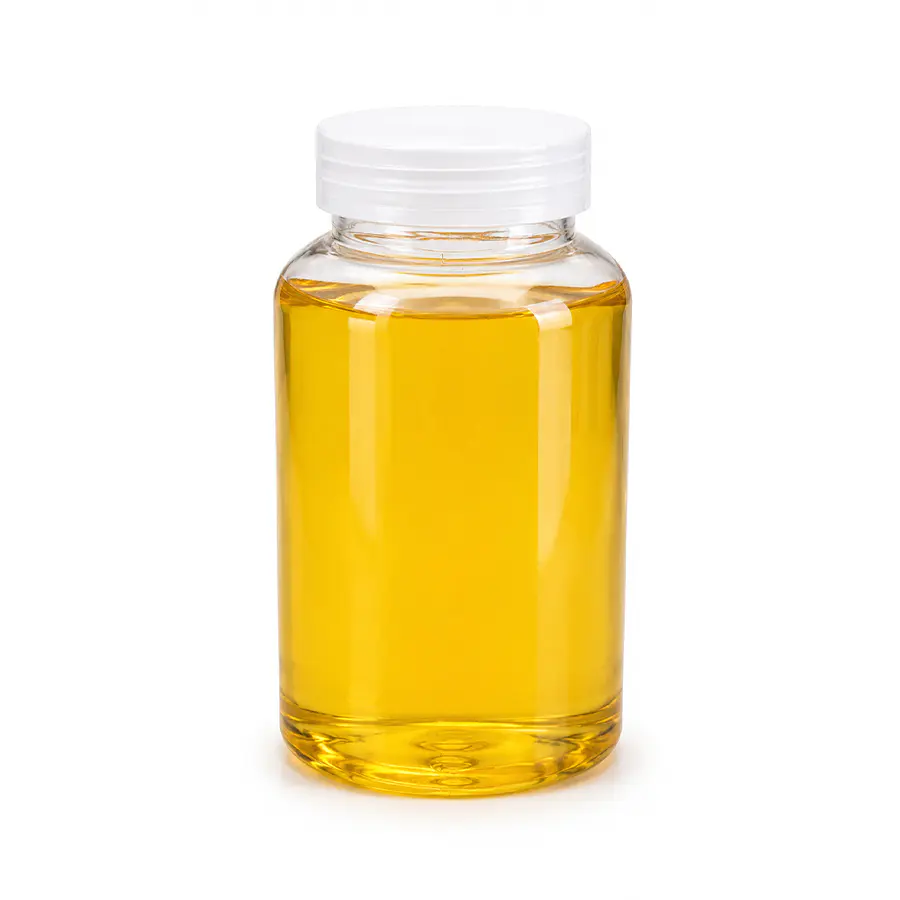
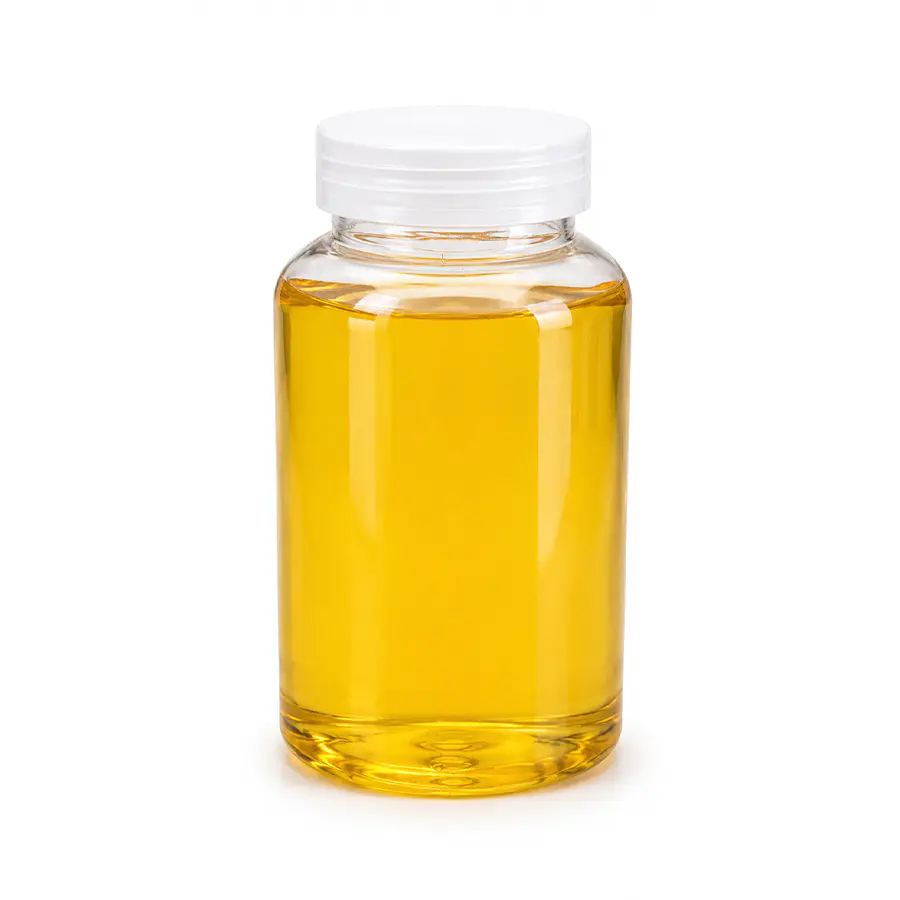
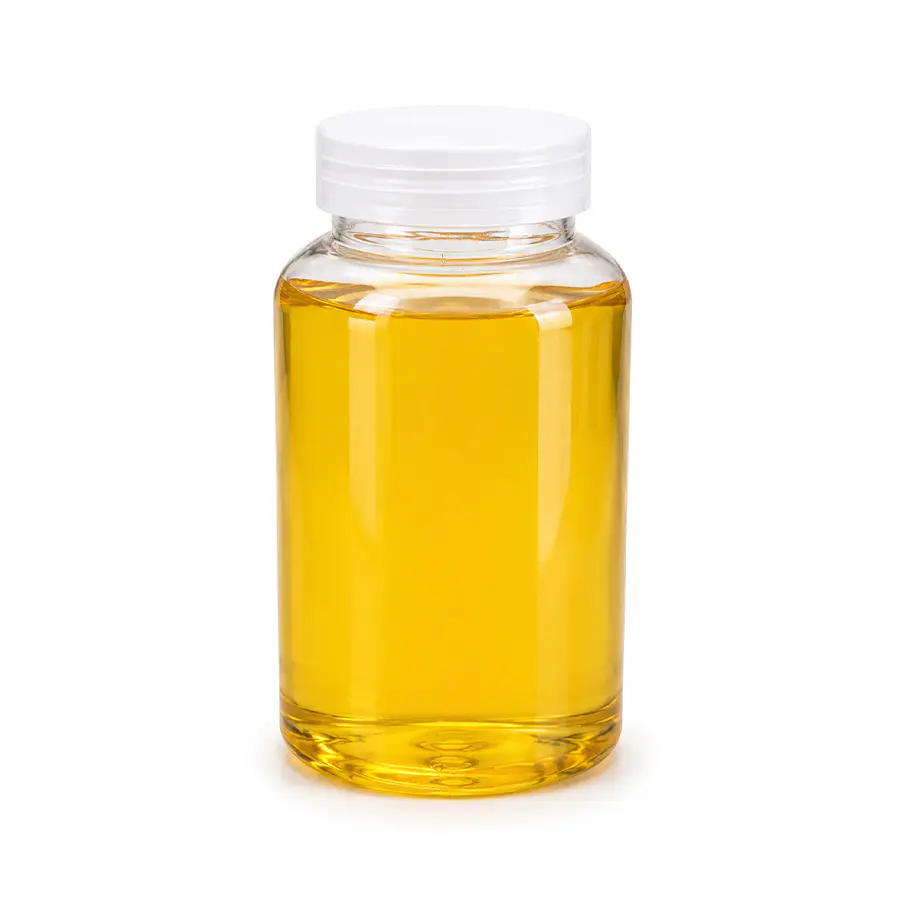
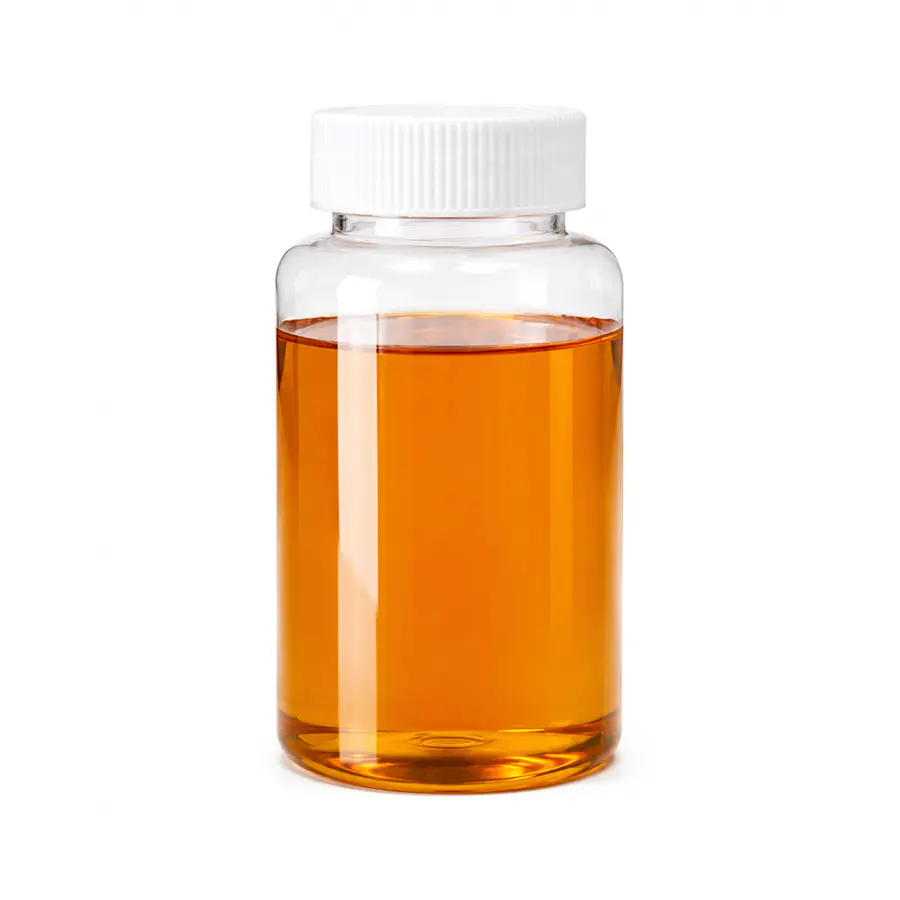
Yellow to yellow transparent liquid |
Active content |
72% ± 1% |
pH value of 1% aqueous solution |
6–8 |
Recommended dosage |
2–10 g/L |
Typical surface resistance range |
Approximately 10⁷–10⁹ Ω, depending on fiber and process |
Recommended packaging |
125 kg plastic drums |
Storage life |
One year under recommended storage conditions |
The yellow to yellow transparent liquid appearance allows users to identify the product easily during receiving, storage, and production preparation. The active content of 72% ± 1% indicates that the product is supplied in a relatively concentrated form. A concentrated auxiliary can help reduce the volume of product required for a given treatment, simplify warehouse management, and support efficient transportation compared with more dilute alternatives.
The pH value of a 1% aqueous solution is 6–8, which is close to neutral. This range is generally convenient for textile finishing operations because it reduces the likelihood of unnecessary acidic or alkaline stress on fibers and equipment when the product is applied under properly controlled conditions. The exact behavior of any formulation still depends on the complete recipe, water quality, temperature, mechanical action, and other chemicals used in the bath. For this reason, laboratory and production trials remain important before standardizing a process.
How the Antistatic Effect Works
The primary purpose of LX70 is to improve the ability of a textile surface to dissipate electrical charges. When applied to fibers or fabrics, the surfactant formulation forms a functional layer on the surface. This layer can help reduce the insulating effect of the untreated fiber and provide a more favorable pathway for charges to move away from areas where they have accumulated.
Surface resistance is a practical indicator of how readily a material can release electrical charge. Untreated synthetic fibers may exhibit very high resistance, particularly under dry conditions. By reducing surface resistance to the 10⁷–10⁹ Ω range, the treatment can significantly reduce charge retention. In polyester, nylon, and polyvinyl chloride applications, the product is intended to reduce surface resistance to approximately 10⁷–10⁸ Ω, depending on the construction of the material and the selected process conditions.
The antistatic mechanism is influenced by many factors. Fiber type, denier, cross-sectional shape, yarn structure, fabric weight, moisture content, ambient humidity, treatment concentration, drying conditions, and laundering history can all affect the final result. A product that performs well on a lightweight polyester fabric may require a different concentration or drying condition on a dense nylon fabric. LX70 is therefore best understood as a flexible formulation that provides a practical working range rather than a single universal result for every textile.
Rapid action is particularly valuable in high-speed manufacturing. A finishing agent that requires excessively long processing times may reduce production efficiency or require significant changes to existing machinery. LX70 is designed for a conventional one-dip, one-nip process followed by drying or setting. This allows textile producers to integrate the antistatic treatment into familiar finishing routes without necessarily adding a separate complicated operation.
Advantages Compared with Conventional Antistatic Options
High active content and efficient use
With an active content of 72% ± 1%, LX70 is supplied as a concentrated product. This characteristic may provide a cost and logistics advantage compared with products supplied at significantly lower active levels. The required bath dosage is typically 2–10 g/L, allowing the user to adjust the application according to fiber type, target surface resistance, fabric construction, and required durability.
Concentration alone does not determine total treatment cost, because actual consumption depends on wet pickup, production speed, bath replenishment, and process efficiency. However, a high-active formulation can support economical use when the recipe is optimized. It may also reduce the amount of packaging, storage space, and transport capacity required per unit of active ingredient.
Broad fiber applicability
LX70 is suitable for various textile fibers and is particularly applicable to synthetic fibers such as polyester, nylon, and polyvinyl chloride. This broad applicability can simplify chemical management for mills that process different fiber types. Instead of maintaining a completely separate antistatic product for every substrate, a mill may evaluate one flexible formulation across several production lines.
The suitability of a single product across multiple fibers does not eliminate the need for process adjustment. Fiber chemistry, surface area, blend ratio, and finishing history influence the required dosage. Nevertheless, the ability to begin development with one compatible antistatic agent can reduce formulation complexity and shorten the time required to establish production recipes.
Compatibility with other textile auxiliaries
The product can be used in combination with fixing agents, silicone oils, and silicone softeners when the complete formulation is properly evaluated. This is important because many textile finishing operations require more than one functional effect. A fabric may need antistatic performance together with softness, color fixation, smoothness, moisture management, or improved sewability.
Good compatibility can help manufacturers avoid separate treatment stages. Combining compatible auxiliaries may reduce water consumption, energy use, processing time, and handling requirements. It can also make it easier to achieve a balanced final fabric performance. Nevertheless, compatibility should always be confirmed by a laboratory beaker test and a small production trial. The order of addition, bath temperature, concentration, ionic environment, and pH may influence the stability of a combined system.
Near-neutral application characteristics
The pH value of a 1% aqueous solution is 6–8. This near-neutral range is convenient for many textile processes and may help support formulation flexibility. It can also reduce the risk of undesirable pH-related changes when the agent is combined with selected finishing chemicals.
A near-neutral product is not automatically compatible with every chemical. Strongly cationic, anionic, or reactive components can interact in ways that affect bath stability or fabric performance. The advantage of LX70 is that its pH profile provides a practical starting point for formulation development, while its cationic/nonionic structure offers a useful balance for many textile finishing systems.
Rapid and visible process benefits
An effective antistatic treatment should produce measurable electrical improvement and practical production benefits. By reducing surface resistance, LX70 can help minimize fiber attraction, fabric clinging, dust retention, and static-related interruptions. In spinning applications, reducing charge accumulation may support more stable fiber movement. In fabric finishing, it may improve handling and reduce the tendency of layers to stick together.
The effect is particularly valuable for synthetic fiber processing, where static problems are often more severe than with cellulosic materials. The product is designed to provide a rapid antistatic effect after conventional padding and drying or setting. This supports production environments where the chemical treatment must be integrated into established schedules.
Cost-performance potential
The product is positioned as having high cost-performance compared with similar products on the market. Several factors contribute to this potential: concentrated active content, a dosage range that can be adjusted to the target requirement, compatibility with other auxiliaries, and the ability to use the product across multiple fiber categories.
Cost performance should be assessed through total process economics rather than purchase price alone. A textile mill should consider chemical consumption, bath preparation, machine time, drying energy, rework frequency, maintenance, production interruptions, rejected fabric, and the durability required by the end-use application. When evaluated in this broader context, a reliable antistatic agent may provide value by improving process consistency as well as by controlling direct chemical cost.
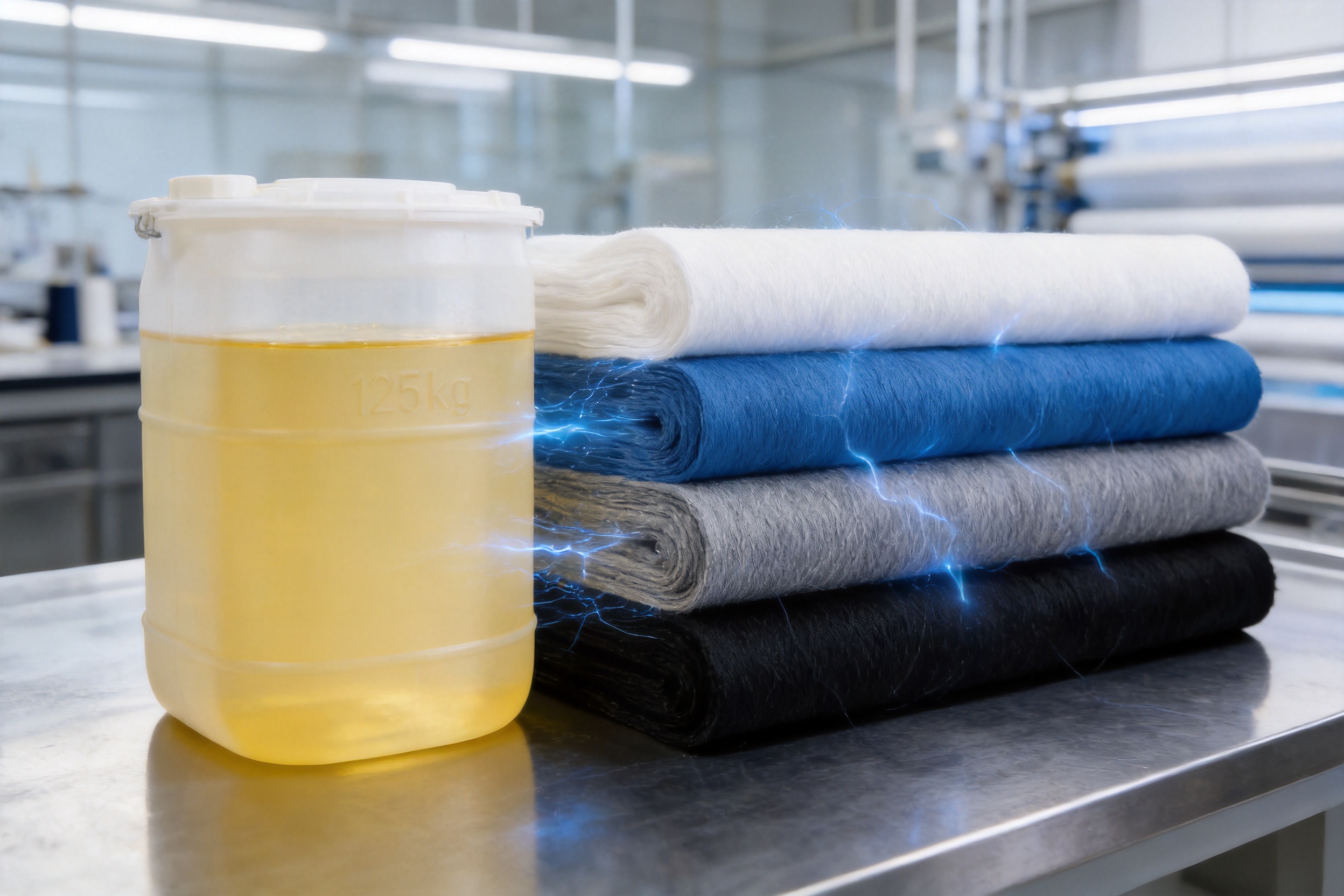
Recommended Textile Applications
Polyester fibers and fabrics
Polyester is widely used in apparel, home textiles, industrial fabrics, automotive textiles, and technical materials. Its low moisture regain and high electrical resistance make it susceptible to static generation during spinning, weaving, finishing, and use. LX70 can be evaluated for polyester filament, staple fiber, yarn, knitted fabric, woven fabric, and blends containing a substantial polyester component.
For polyester fabrics, the treatment may be introduced during final finishing or after other wet processing steps. The selected recipe should account for the presence of dyes, fixing agents, softeners, water-repellent products, and other surface treatments. A trial should measure surface resistance after drying and, where relevant, after conditioning at a defined temperature and humidity.
Nylon fibers and fabrics
Nylon is used in hosiery, sportswear, lingerie, technical textiles, carpets, industrial yarns, and many other applications. Static behavior can vary according to polymer type, filament structure, fabric construction, and environmental conditions. LX70 can be considered for nylon materials that require improved charge dissipation without a complicated change to the existing finishing route.
Because nylon may be sensitive to certain chemical and thermal conditions, the treatment should be evaluated for shade change, fabric handle, strength, elongation, and dimensional stability. A properly designed trial helps identify the lowest effective dosage and confirms that the antistatic treatment does not interfere with other required performance properties.
Polyvinyl chloride fibers and coated textile materials can also experience static accumulation. LX70 is identified as suitable for static elimination during processing of synthetic fibers such as polyvinyl chloride. The exact application method may differ depending on whether the material is a conventional fiber, a coated textile, or a composite construction.
For PVC-related applications, compatibility with plasticizers, coatings, binders, pigments, and surface treatments should be assessed carefully. The product may be applied in an aqueous textile process where appropriate, but the complete substrate and finishing system must be considered before commercial adoption.
Spinning and yarn production
Static control during spinning can improve the movement and separation of fibers. When charges accumulate, fibers may cling to guides, rollers, drafting components, and neighboring surfaces. This can increase fly, affect yarn uniformity, and cause breaks. An antistatic treatment may be applied during a suitable fiber or yarn preparation step, provided that the method is compatible with the spinning system.
The product can be particularly useful where synthetic fibers are processed at high speed or under dry atmospheric conditions. The dosage and pickup should be optimized to avoid excessive surface wetness or unwanted changes in friction. The target is not simply to add the greatest possible quantity of chemical, but to achieve the desired electrical performance while preserving downstream processing behavior.
Knitting and weaving preparation
In knitting and weaving, static control can support smoother yarn passage and reduce cling between yarns and machine components. This may contribute to fewer interruptions, more stable tension, and improved operator convenience. The exact benefits depend on machine speed, yarn lubrication, yarn count, fiber type, and the condition of the yarn before it reaches the machine.
When LX70 is combined with a compatible lubricant, softener, or other yarn preparation product, the entire system should be tested as a unit. A formulation that improves antistatic performance but changes yarn friction excessively may not deliver the expected production result. Controlled trials help balance electrical properties, friction, handle, and machine behavior.
Fabric finishing
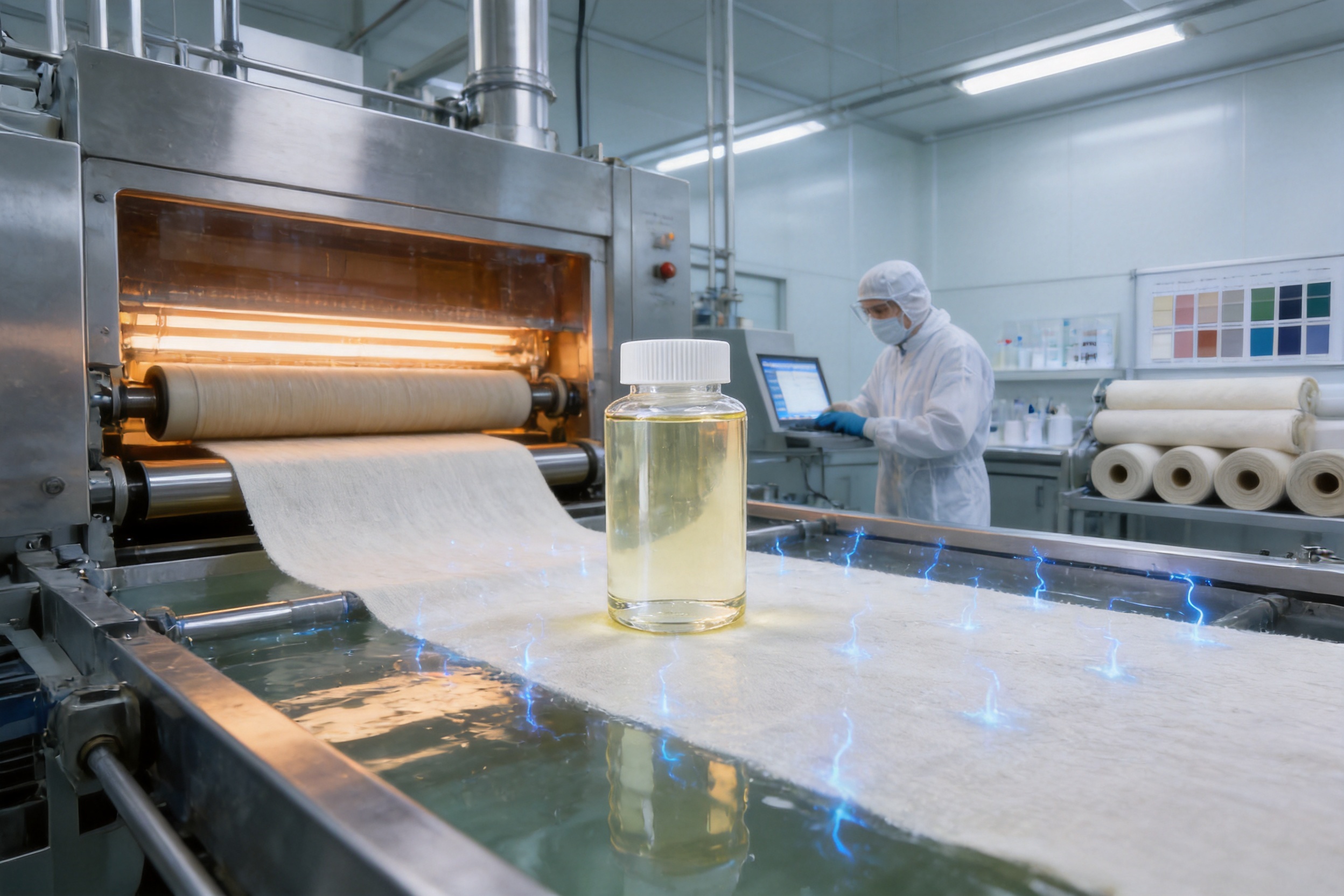
Fabric finishing is one of the most direct applications for LX70. The product can be applied by padding, followed by drying or setting according to the conventional process used for the material. It may be used alone or in combination with selected finishing agents, including silicone oils and fixing agents.
For fabrics requiring several functional finishes, the antistatic agent can be evaluated as part of a multifunctional bath. This approach may help reduce the number of treatment steps and support a more efficient production schedule. The final recipe should be tested for bath stability, shade, softness, surface appearance, rubbing fastness, washing fastness, and any other customer-specific requirements.
Application Process and Dosage Guidance
The recommended dosage is 2–10 g/L. The lower end of the range may be suitable when moderate static control is required or when the fabric has a relatively favorable moisture and surface profile. The higher end may be considered for severe static conditions, highly insulating synthetic fibers, dense constructions, or applications requiring a lower surface resistance.
A typical process is one dip, one nip, followed by drying or setting under conventional conditions. The actual wet pickup, drying temperature, drying time, and setting conditions should be selected according to the fiber and fabric. Excessive heat may affect the textile or other finishing chemicals, while insufficient drying may prevent the product from forming a consistent surface layer.
Process stage |
Recommended consideration |
Bath preparation |
Dilute the required quantity in suitable water and ensure uniform dispersion before application. |
Dosage selection |
Begin within the 2–10 g/L range and optimize according to fiber type, fabric construction, and target resistance. |
Application |
Use a one-dip, one-nip process or another validated conventional finishing route. |
Drying or setting |
Dry or set according to the normal process conditions for the textile substrate. |
Performance testing |
Measure surface resistance and evaluate handle, appearance, shade, and compatibility with other finishes. |
Rework management |
If the fabric is washed and reworked, apply antistatic treatment again as required. |
For bath preparation, the product should be added gradually to water while maintaining adequate agitation. The preferred addition sequence may depend on the complete recipe. If other auxiliaries are present, compatibility tests should determine whether LX70 is added before or after the other components. Localized overconcentration should be avoided because it can create uneven treatment or temporary bath instability.
The one-dip, one-nip process is practical because it can often be incorporated into existing padding equipment. Wet pickup should be controlled consistently, since variation in pickup can lead to differences in chemical deposition and surface resistance across the fabric width or between production lots. Roll pressure, fabric speed, bath level, and fabric tension should be monitored as part of normal process control.
After drying or setting, the fabric should be conditioned before electrical testing whenever possible. Humidity has a strong influence on static behavior. Comparing one sample at high humidity with another at low humidity may produce misleading conclusions. A standardized conditioning environment allows the mill to distinguish genuine formulation differences from environmental variation.
If the fabric undergoes washing, stripping, re-dyeing, or other rework, the antistatic finish may be reduced or removed. In such cases, re-antistatic treatment is required. The degree of durability depends on the textile construction, the chemistry of the finish, the intensity of laundering, and the end-use requirement. Customers seeking durable antistatic performance should define a test method and evaluate the fabric after the relevant washing or care cycle.
Quality Evaluation and Process Optimization
Surface resistance is a central performance measurement for antistatic treatment. The testing method should be selected according to the textile application and customer specification. Measurements should be made at controlled temperature and relative humidity, with consistent electrode arrangement, sample conditioning, and contact time.
In addition to surface resistance, mills should evaluate practical production behavior. Useful observations include fiber fly, yarn breaks, fabric cling, dust attraction, cutting behavior, sewing performance, machine stoppages, and operator handling. A treatment that achieves a laboratory target but produces undesirable handle or machine friction may require reformulation.
Color evaluation is also important. The yellow to yellow transparent appearance of the liquid does not necessarily indicate a visible color impact on the finished textile, but the complete formulation must be assessed on white, pastel, deep, and bright shades. The trial should include shade measurement and visual comparison, particularly when LX70 is combined with silicone products or fixing agents.
Handle and surface feel should be judged according to the end use. Some applications require a soft, smooth hand, while others require a crisp or structured finish. The antistatic agent should support the intended handle rather than compromise it. Where a silicone softener is included, the balance between softness and electrical performance should be investigated carefully.
Process optimization should follow a staged approach. First, establish the basic compatibility of LX70 with the selected fiber and bath. Second, screen several dosages within the recommended range. Third, optimize wet pickup and drying or setting conditions. Fourth, evaluate durability and interaction with other finishing agents. Finally, conduct a production-scale trial to confirm reproducibility under factory conditions.
Manufacturing Strengths and Technical Support
The performance of a textile auxiliary depends not only on its chemical concept but also on manufacturing consistency. Variations in raw material quality, mixing, temperature control, filtration, storage, and filling can affect appearance, active content, pH, stability, and application performance. A capable manufacturer must therefore combine formulation expertise with disciplined production management.
Jiangyin Huanan New Materials Technology Co., Ltd. was established in 1984 and is located in Jiangyin City, Jiangsu Province, China. Its long operating history reflects sustained involvement in textile chemical development and manufacturing. The company specializes in the research, development, production, and sales of pre-treatment, dyeing, and finishing auxiliaries.
The company operates two production plants and has an annual production capacity of approximately 60,000 tons. This scale supports customers that require regular commercial supply rather than occasional laboratory quantities. Production capacity is particularly important for textile mills with continuous orders, seasonal demand, multiple production sites, or customers requiring stable delivery schedules.
An in-house laboratory and professional research and development team support formulation development, application testing, and technical problem solving. Laboratory capabilities allow the manufacturer to investigate factors such as fiber compatibility, bath stability, surface resistance, dosage efficiency, finishing interaction, and processing conditions. This technical foundation is valuable when customers need a customized formulation rather than an off-the-shelf product used without modification.
Customized formulation capability can be important because textile customers often have very different requirements. One customer may prioritize extremely low surface resistance, another may require a soft hand, and another may need compatibility with a specific silicone system or dye-fixing agent. Some applications require lower yellowing, stronger washing durability, or performance under low-humidity conditions. A manufacturer with formulation development experience can use trial data to adjust the product or recommend a more suitable application route.
Standardized production and strict quality control are essential for maintaining product consistency. For LX70, relevant quality checks may include appearance, active content, pH, batch uniformity, storage stability, and application performance. Consistent production helps textile mills maintain the same recipe from one delivery to the next and reduces the need for repeated process adjustment.
The company’s product portfolio includes moisture-wicking finishing agents, high-concentration repairing agents, low-temperature environmentally friendly carriers, silicone oils and silicone softeners, antistatic agents, color-fixing agents, stiffening agents, down-proof and windproof agents, and dry and wet rubbing fastness enhancers. This broad portfolio can simplify technical cooperation because customers may obtain multiple related textile auxiliaries from one specialized supplier.
The company also offers eco-friendly, APEO-free, and formaldehyde-free formulations. These characteristics are increasingly important as textile brands, retailers, and manufacturers seek to comply with restricted substance requirements and environmental expectations. Product-specific compliance should always be confirmed through current technical and regulatory documentation, but the company’s formulation direction is aligned with the industry’s movement toward safer and more responsible textile chemistry.
Environmental and Compliance Considerations
Modern textile production requires more than technical performance. Chemical users increasingly evaluate the environmental profile, restricted substances, worker safety, wastewater impact, packaging, and documentation associated with each auxiliary. An antistatic agent that performs well but creates unacceptable compliance concerns may not be suitable for global supply chains.
LX70 is offered within a portfolio that emphasizes eco-friendly, APEO-free, and formaldehyde-free formulations. These attributes can help textile producers work toward the chemical management expectations of international brands and certification systems. They may also support mills that are improving wastewater management, restricted substance control, and responsible procurement practices.
The environmental profile of a finishing process depends on the complete recipe and operating conditions. Water consumption, bath volume, padding efficiency, drying energy, wastewater treatment, and rework frequency all influence the overall footprint. A concentrated product used efficiently may help reduce chemical transport and storage requirements. A compatible product that can be combined with other finishes may also help reduce the number of wet processing steps.
Responsible use requires appropriate handling, personal protective equipment, good ventilation, spill control, and compliance with the product safety documentation applicable in the destination market. Textile mills should review the current safety data sheet, technical data sheet, labeling requirements, and customer-specific restricted substance lists before use.
Packaging, Storage, and Transportation
Amphoteric Antistatic Agent LX70 is packed in 125 kg plastic drums. This packaging format is suitable for industrial textile production and provides a practical balance between handling convenience and commercial volume. Drums should remain properly closed when not in use to prevent contamination, evaporation, or accidental mixing with other materials.
The product should be stored in a dry, well-ventilated place. Storage areas should be clean, protected from excessive heat and direct sunlight, and organized to prevent damage to containers. The product should be stored away from incompatible chemicals and should not be transferred into unmarked containers.
The stated shelf life is one year under recommended storage conditions. Before use, customers should inspect the drum, confirm the batch information, and check the appearance of the product. If the material has been stored for an extended period or exposed to unsuitable conditions, a small-scale evaluation is advisable before production use.
The product can be stored and transported as a general chemical according to the supplied information. Transport and storage practices must still follow applicable local regulations, site procedures, and the current safety documentation. Industrial users should maintain inventory rotation so that older material is used first within the stated shelf-life period.
Why Manufacturer Capability Matters to Textile Buyers
Textile auxiliaries are often purchased as part of a long-term production system rather than as isolated commodities. Buyers need confidence that the same product will remain available, consistent, and technically supported over time. A manufacturer with research capability, production scale, quality control, and a broad product range can provide greater continuity than a supplier focused only on trading or short-term distribution.
For LX70, manufacturer capability supports several practical benefits. First, stable production can help maintain active content and pH within the stated specification. Second, application laboratories can help customers optimize dosage and process conditions. Third, customized formulation capability can address special requirements. Fourth, multiple production plants and substantial annual capacity can support larger or expanding orders. Fifth, an established company with a long history can provide a foundation for ongoing technical and commercial cooperation.
These advantages do not replace customer qualification. Textile companies should still conduct supplier audits, review quality documents, test samples, verify delivery performance, and assess technical responsiveness. However, the combination of manufacturing scale and technical resources gives buyers a stronger basis for establishing a dependable supply relationship.
Implementation Strategy for Textile Mills
A textile mill considering LX70 should begin by defining the problem clearly. The relevant question may be static generation during spinning, fabric cling during cutting, dust attraction during handling, operator discomfort, yarn breaks, or a customer requirement for a specific surface resistance. The more precisely the problem is defined, the easier it is to select a suitable test plan.
The next step is to characterize the substrate. Important information includes fiber type, blend ratio, yarn count, fabric weight, construction, dye class, existing finishes, moisture content, and previous washing or heat-setting history. These factors influence both the performance and the required dosage of an antistatic agent.
Laboratory trials should screen several concentrations between 2 and 10 g/L. Each sample should be processed with controlled wet pickup and drying or setting conditions. Surface resistance should be measured after conditioning, and additional observations should cover appearance, shade, hand, softness, friction, and bath stability.
If the results are satisfactory, the mill should conduct a pilot trial using commercial equipment. The pilot should evaluate widthwise uniformity, machine behavior, bath replenishment, drying performance, and the effect of production speed. The final stage is a full-scale production run with retained samples and documented test results.
Process records should include product batch number, dosage, bath volume, water quality, pH, temperature, wet pickup, drying or setting conditions, fabric speed, and test results. These records make it easier to identify the cause of variation and reproduce successful results. They also support customer assurance and internal quality management.
Frequently Asked Questions
What type of product is Amphoteric Antistatic Agent LX70?
It is a textile antistatic auxiliary based on a cationic/nonionic surfactant structure. It is designed to reduce static accumulation on various textile fibers, especially synthetic fibers such as polyester, nylon, and polyvinyl chloride.
What surface resistance can the product achieve?
The typical stated range is approximately 10⁷–10⁹ Ω for various textile fibers. For synthetic fibers such as polyester, nylon, and polyvinyl chloride, the product is intended to reduce surface resistance to approximately 10⁷–10⁸ Ω. Actual results depend on fiber type, fabric construction, dosage, humidity, and process conditions.
What is the recommended dosage?
The recommended dosage is 2–10 g/L. The optimum concentration should be determined through trials. A higher dosage is not always necessary or beneficial if the target performance can be achieved at a lower level.
Can LX70 be used with silicone oils?
Yes. The product can be used in combination with silicone oils and selected other finishing agents. Compatibility should be confirmed by a laboratory test because the order of addition, pH, concentration, and complete bath composition can affect stability and final fabric performance.
What is the standard application process?
A typical process is one dip, one nip, followed by drying or setting according to the conventional process for the textile material. Wet pickup and drying conditions should be controlled to achieve uniform deposition.
Is the product suitable for polyester?
Yes. Polyester is one of the principal synthetic fibers for which LX70 can be evaluated. Its use may help reduce static accumulation during spinning, fabric handling, finishing, cutting, and other stages.
Can it be used on nylon and polyvinyl chloride?
Yes. The product is identified as suitable for synthetic fibers including nylon and polyvinyl chloride. Each substrate should be tested individually because polymer chemistry, construction, and finishing history affect performance.
What happens if the treated fabric is washed?
Washing and rework may reduce or remove the antistatic effect. If the fabric undergoes washing and rework, re-antistatic treatment is required as appropriate. The durability of the finish should be evaluated using the washing method relevant to the intended end use.
What is the active content?
The active content is 72% ± 1%. This relatively high concentration supports efficient formulation and may provide a favorable cost-performance profile when the application dosage is properly optimized.
What is the pH value?
The pH value of a 1% aqueous solution is 6–8. This near-neutral range is convenient for many textile finishing processes, although compatibility with the complete chemical recipe must still be verified.
How should the product be stored?
It should be stored in a dry, well-ventilated place, with the container properly closed and protected from unsuitable environmental conditions. The stated shelf life is one year under recommended storage conditions.
What packaging is available?
The product is packed in 125 kg plastic drums. Users should check the product label, batch details, and current technical documentation when receiving each shipment.
Why is supplier manufacturing capability important?
Consistent antistatic performance requires consistent raw materials, formulation, mixing, quality control, packaging, and technical support. A manufacturer with two production plants, approximately 60,000 tons of annual capacity, an in-house laboratory, an R&D team, and standardized quality systems can better support stable commercial supply and process development.
Conclusion
Amphoteric Antistatic Agent LX70 is a concentrated, versatile textile auxiliary developed for rapid and effective static control. Its cationic/nonionic surfactant structure, 72% ± 1% active content, near-neutral pH, broad fiber applicability, and compatibility with selected fixing agents and silicone oils make it suitable for a wide range of textile operations.
The product can be evaluated for polyester, nylon, polyvinyl chloride, and other textile fibers during spinning, yarn preparation, fabric finishing, and general material handling. With a recommended dosage of 2–10 g/L and a conventional one-dip, one-nip process followed by drying or setting, it can often be introduced into existing production routes without major process changes.
Its advantages over less concentrated or narrowly specialized alternatives include flexible dosage control, broad application potential, rapid static reduction, and favorable cost-performance potential. The product is also supported by a manufacturer with a long textile chemical history, two production plants, substantial annual capacity, laboratory resources, formulation development capability, and a portfolio of related finishing auxiliaries.
For best results, textile producers should use a structured qualification process. This should include substrate analysis, laboratory screening, surface resistance testing, compatibility evaluation, pilot production, durability assessment, and full-scale process monitoring. When properly selected and applied, LX70 can help improve production stability, fabric handling, worker convenience, and the performance consistency of synthetic textile materials.
References
1. Product technical information for Amphoteric Antistatic Agent LX70, including structure, appearance, active content, pH, dosage, application process, packaging, and storage recommendations.
2. Textile chemical processing principles relating to static electricity, surface resistance, fiber friction, moisture regain, and antistatic finishing.
3. General laboratory practices for conditioning textile specimens and evaluating electrical resistance under controlled environmental conditions.
4. Technical guidance for compatibility testing of antistatic agents with silicone oils, fixing agents, softeners, and other textile auxiliaries.
5. General quality management practices for textile chemical manufacturing, including raw material control, standardized production, batch testing, packaging inspection, and storage management.
Product: Amphoteric Antistatic Agent LX70


Contact us
huanannewmaterials@gmail.com
-
 Phone: +86 - 13861620767
-
 Fax: +86-0510-86200939
-
 298 Hongxing Road, Huashi Town, Jiangyin City, Wuxi City, Jiangsu Province, China
Product links
Mobile App
Copyright © Jiangyin Huanan New Materials Technology Co., Ltd. All Rights Reserved

-
huanannewmaterials@gmail.com
-

-

-
+86 - 13861620767