


 English
 中文简体

High-Content Multi-Block Silicone Oil for Soft, Fluffy, and Fine Textile Finishing
Content
- 1 1. The Importance of Silicone Finishing in Textile Production
- 2 2. Product Profile and Basic Characteristics
- 3 3. Block Copolymer Design and Its Finishing Value
- 4 4. High Solid Content as a Commercial and Technical Advantage
- 5 5. Flexible Emulsification Options
- 6 6. Application Across Different Textile Fibers
- 7 7. Recommended Application Methods
- 8 8. Advantages Compared with Conventional Silicone Finishing Products
- 9 9. Manufacturing Strengths and Quality-Oriented Production
- 10 10. Practical Emulsification and Handling Guidance
- 11 11. Laboratory Evaluation and Process Optimization
- 12 12. Packaging, Storage, and Industrial Use
- 13 13. Suitable Customer Profiles
- 14 14. Frequently Asked Questions
- 14.1 Q1: What is the main finishing effect of HN-578?
- 14.2 Q2: Which fibers can be treated with HN-578?
- 14.3 Q3: Is HN-578 supplied as a ready-to-use emulsion?
- 14.4 Q4: What solid content can be used before self-emulsification?
- 14.5 Q5: What is the recommended oil-to-emulsifier ratio?
- 14.6 Q6: How much glacial acetic acid is required?
- 14.7 Q7: What stabilizer dosage is recommended for Method 1?
- 14.8 Q8: Why must water be added slowly at the beginning?
- 14.9 Q9: What is the recommended dosage for padding?
- 14.10 Q10: What is the recommended dosage for exhaustion?
- 14.11 Q11: What is the product’s appearance and pH value?
- 14.12 Q12: How is the product packaged?
- 14.13 Q13: Can the same product be used for different hand-feel styles?
- 14.14 Q14: Does a high solid content eliminate the need for testing?
- 14.15 Q15: What manufacturing strengths support the product?
- 15 15. Conclusion
- 16 References
- 17 Product: Multi-Block Copolymer Silicone Oil HN-578
In modern textile manufacturing, finishing auxiliaries play an essential role in transforming a technically acceptable fabric into a commercially attractive product. A fabric may have the required strength, shade, dimensional stability, and appearance, yet still fail to satisfy customers if its handle is harsh, flat, coarse, or insufficiently luxurious. For this reason, textile mills increasingly require finishing agents that can provide a carefully controlled combination of softness, smoothness, fluffiness, fineness, and process adaptability.
Multi-Block Copolymer Silicone Oil HN-578 is a high-content silicone finishing product developed for this purpose. Based on a block copolymer design concept and synthesized with special modifiers, it is suitable for polyester, nylon, cotton, wool, and blended fabrics. Its principal finishing effect is a soft, fluffy, fine hand feel, making it appropriate for a broad range of apparel, home-textile, and blended-fabric applications.
Unlike many conventional silicone products that are supplied only as ready-made dilute emulsions, HN-578 is supplied as a concentrated product with a solid content of up to 70%. This gives textile manufacturers greater flexibility in preparing emulsions according to fabric type, equipment, concentration, solvent selection, and desired handle. Customers may self-emulsify the product, dilute it with isopropanol or butyl ether before self-emulsification, or use selected emulsifiers at different oil-to-emulsifier ratios.
This flexibility is one of the product’s key competitive advantages. Instead of relying on one fixed formulation for every fabric, mills can adjust the preparation method to obtain different degrees of softness, fineness, fluffiness, and surface smoothness. Such adaptability can be valuable when a producer handles multiple fiber types or serves customers with different performance and hand-feel requirements.
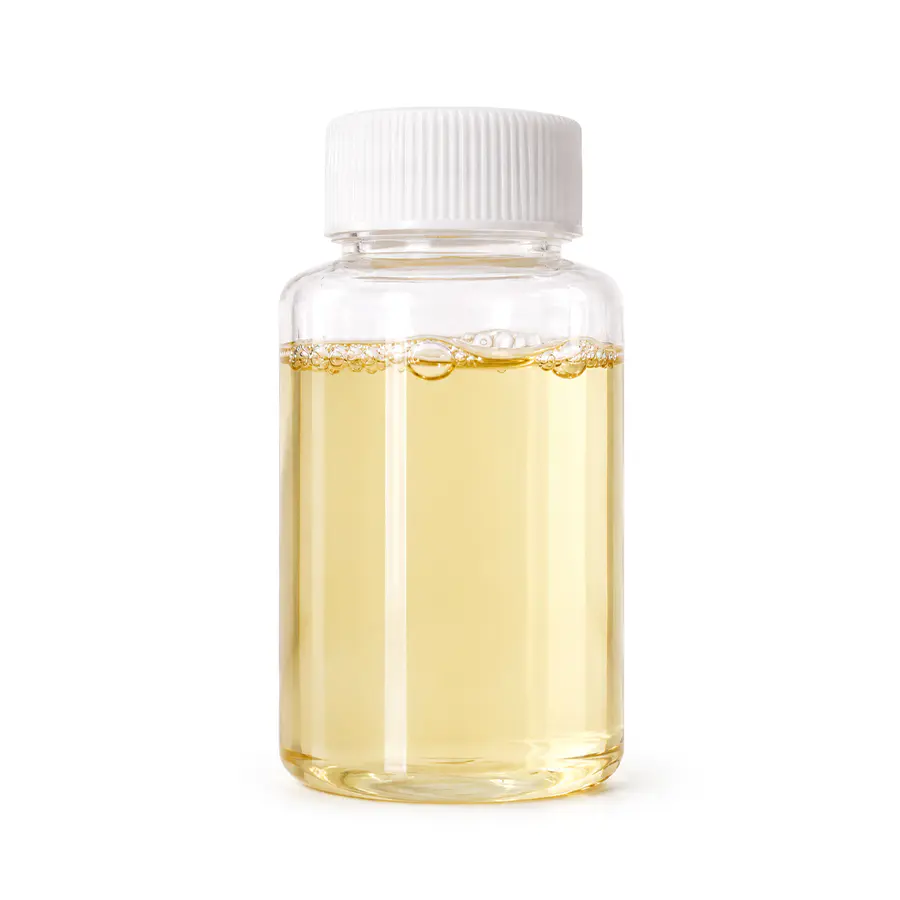
Multi-Block Copolymer Silicone Oil HN-578
1. The Importance of Silicone Finishing in Textile Production
Textile finishing is the stage at which a fabric’s sensory and functional characteristics are refined. Pretreatment and dyeing determine many fundamental properties, but finishing strongly influences the way a fabric feels in the hand, drapes on the body, reflects light, and performs during use. A suitable finishing auxiliary can improve the perceived quality of a fabric without changing its basic construction.
Softness is among the most important finishing requirements. Consumers generally associate a soft handle with comfort, quality, and wearability. However, softness alone is not sufficient for every textile. Some fabrics require a light and fluffy touch, while others need a smooth and fine surface. Certain garments benefit from a full and supple handle, whereas technical or blended fabrics may require a balanced finish that avoids excessive slickness or flattening.
Silicone oils are widely used because silicone chemistry can provide a combination of lubricity, smoothness, softness, and surface modification. Their performance depends on molecular structure, active content, emulsion stability, application method, and interaction with the fiber surface. A properly designed silicone finishing agent can reduce the harshness created by previous processing steps and produce a more pleasant tactile effect.
However, not all silicone oils deliver the same result. Products based on different structures may vary in their compatibility with polyester, polyamide, cellulose, wool, or blended substrates. They may also differ in their ease of emulsification, resistance to instability, tendency to create deposits, and ability to provide the desired balance between softness and fluffiness. This makes product design and application guidance especially important.
HN-578 addresses these requirements through a multi-block copolymer structure. The block design is intended to support a controlled interaction between the silicone product and different textile substrates. Combined with special modifiers and high active content, this approach provides a versatile platform for finishing fabrics that require a soft, fluffy, and fine hand feel.
2. Product Profile and Basic Characteristics
Multi-Block Copolymer Silicone Oil HN-578 is categorized as a silicone oil for textile finishing. It is especially suitable for polyester, nylon, cotton, wool, and their blends. These fibers differ substantially in chemical composition, surface energy, morphology, moisture behavior, and response to finishing auxiliaries. A product that can be used across these materials provides practical value for mills operating varied production lines.
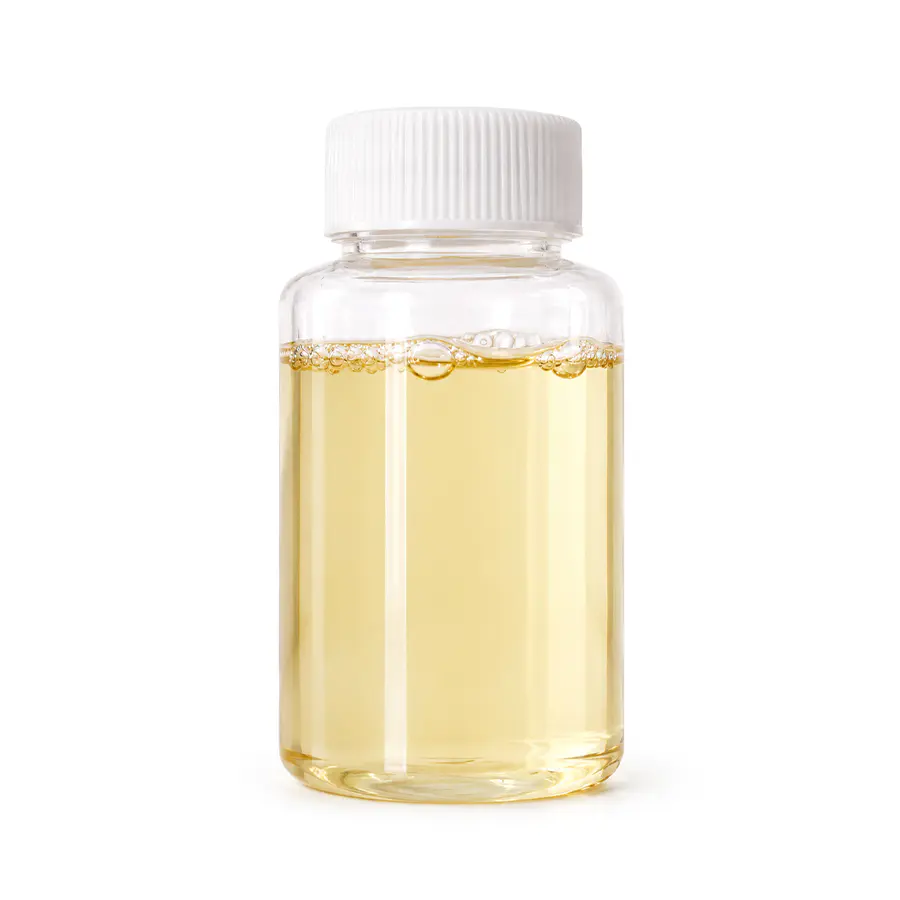
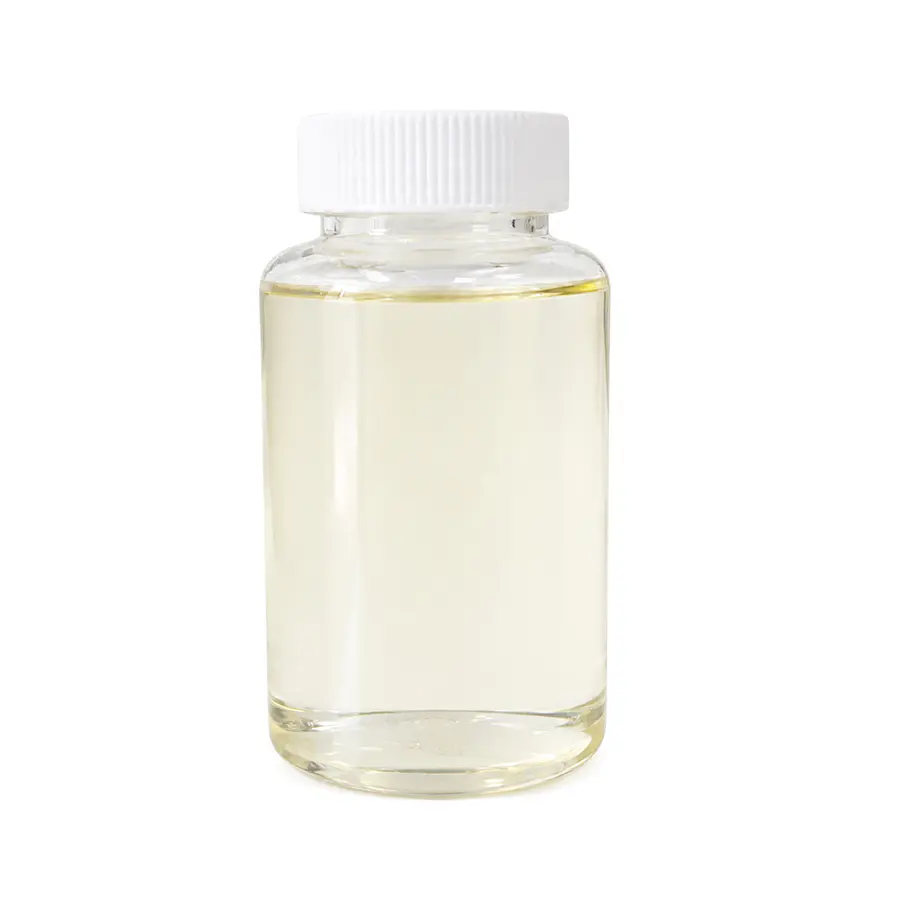
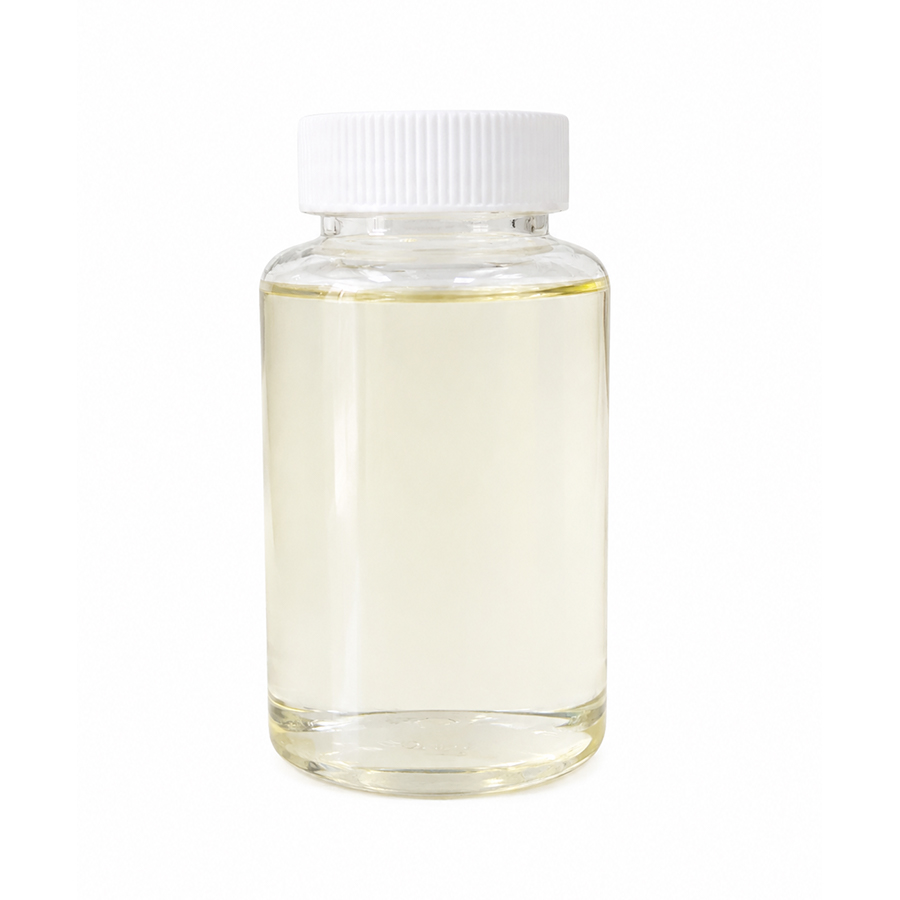
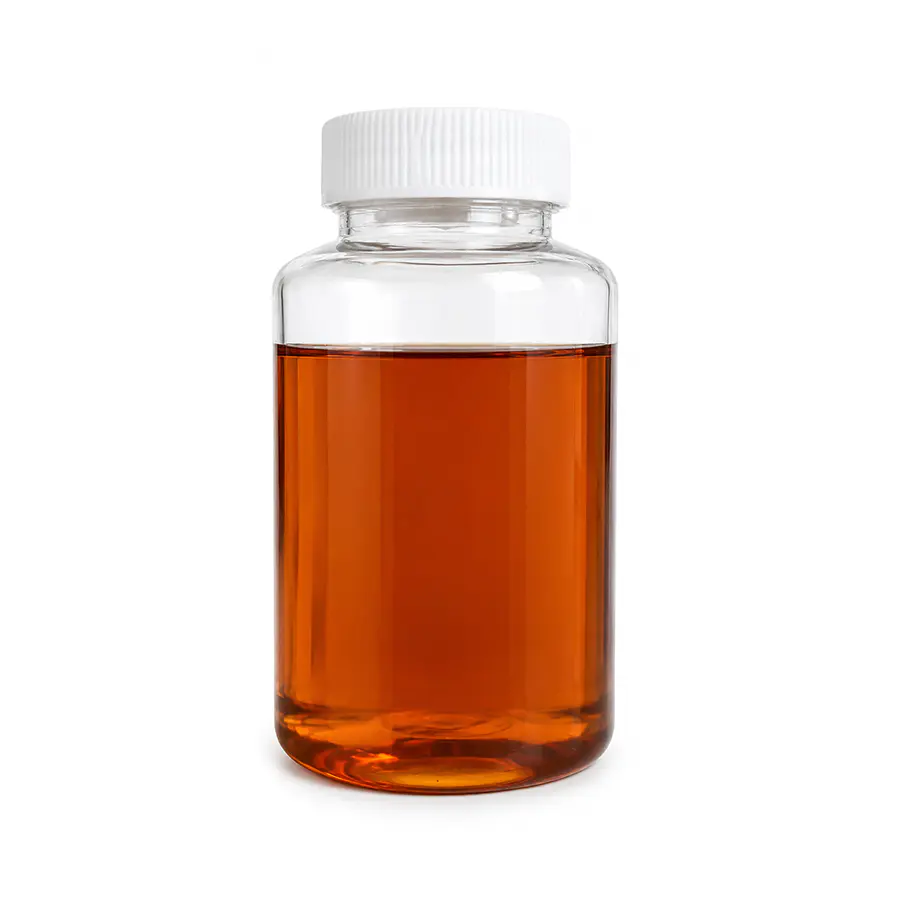
The product is described as a light yellow transparent viscous liquid. Its transparent appearance allows operators to observe the material during handling and preparation. As a concentrated silicone product, it has a solid content of 70%, which is considerably higher than that of many ready-to-use finishing emulsions. The high-content format means that a smaller volume of shipped product can represent a larger quantity of active finishing material.
| Property | Specification or Description | Practical Significance |
|---|---|---|
| Product type | Multi-block copolymer silicone oil | Designed for soft, fluffy, and fine textile finishing |
| Appearance | Light yellow transparent viscous liquid | Provides a recognizable visual standard for handling and inspection |
| Dispersibility | Self-emulsifiable | Allows customers to prepare emulsions according to their process requirements |
| pH value | 8–9 | Provides a reference for formulation and process control |
| Solid content | 70% | High-concentration format for flexible dilution and formulation |
| Recommended padding dosage | 15–30 g/L | Starting range for continuous padding applications |
| Recommended exhaustion dosage | 3–5% o.w.f. | Starting range for batch or exhaustion applications |
The product’s self-emulsifiable nature is particularly important. It allows the user to select an emulsification strategy instead of being limited to a single preselected emulsion system. Depending on the desired result, customers may use the crude oil directly in a self-emulsification process, reduce the concentration with isopropanol or butyl ether, or combine the silicone oil with emulsifiers and stabilizers.
Because the final hand feel depends on the solvent ratio, solvent type, emulsifier system, and application dosage, HN-578 should be considered a formulation platform rather than a single fixed finishing effect. This gives experienced textile technicians the ability to optimize the product for different constructions and market requirements.
3. Block Copolymer Design and Its Finishing Value
The molecular design of a silicone finishing agent influences how it spreads, deposits, and interacts with a textile surface. A multi-block copolymer structure can be designed to combine different functional contributions within one polymer architecture. In practical terms, this may support the development of a more balanced finish than a product relying on a single structural feature.
HN-578 adopts a modern block copolymer design concept and is synthesized using special modifiers. The purpose of this design is to provide a soft, fluffy, and fine hand feel across several common textile substrates. The product is therefore positioned for mills that need a versatile softener with a tactile effect that is not limited to one fiber category.
Polyester fabrics can sometimes feel relatively dry, firm, or synthetic after dyeing and heat treatment. A suitable silicone finish can improve surface lubricity and produce a softer, more comfortable touch. Nylon fabrics may require a smooth and refined handle without losing their characteristic resilience. Cotton can benefit from a finish that reduces harshness while retaining a natural textile character. Wool requires careful treatment because excessive surface lubrication or unsuitable chemistry may interfere with its characteristic fullness. Blended fabrics add another level of complexity because different fibers may respond differently to the same auxiliary.
The multi-block structure of HN-578 is intended to support this broad application range. It does not eliminate the need for laboratory trials, because fabric construction, pretreatment, dye class, pH, drying conditions, and curing conditions all influence the final result. Nevertheless, a silicone product designed for multiple fiber categories can simplify product selection and provide a useful common platform for a diversified textile plant.
The principal hand-feel characteristics associated with HN-578 are softness and fineness. Its formulation flexibility can also be used to develop a fluffy effect. A mill may adjust the oil concentration, solvent type, emulsifier ratio, and application dosage to create a finish appropriate for lightweight apparel, knitted goods, woven fabrics, synthetic fibers, or blends.
4. High Solid Content as a Commercial and Technical Advantage
HN-578 contains up to 70% solids. This high concentration is one of the product’s clearest advantages over conventional low-content products. A high-content material provides more active substance per unit of shipped product and gives the customer control over the final working concentration.
From a logistics perspective, concentrated products can reduce the amount of water and inactive carrier transported into the factory. This may help improve storage efficiency and simplify inventory management. A customer can prepare only the quantity of working emulsion needed for a particular production order rather than storing multiple ready-diluted products for different applications.
From a technical perspective, high concentration gives the formulator more freedom. The product can be diluted to a suitable active level before self-emulsification, or it can be incorporated into a customized emulsion system. When the hand-feel target changes, the customer can adjust the preparation instead of changing to an entirely different silicone product.
HN-578 may be used directly in a self-emulsification procedure, or the crude oil can first be adjusted to approximately 50–60% content with isopropanol or butyl ether. This intermediate concentration can be selected according to the desired style requirements and the customer’s preferred operating method. Alternatively, the product can be emulsified using different oil-to-emulsifier ratios.
The high-content format also supports the development of customer-specific formulations. One mill may require a softer, finer finish for polyester jersey, while another may seek a fuller and fluffier touch for a cotton blend. By modifying the preparation system and dosage, both users can work from the same concentrated base product while achieving different finishing profiles.
Concentration must, however, be managed carefully. High-content silicone oil is viscous, and its preparation requires attention to mixing, water addition, temperature, and order of addition. Following a controlled emulsification procedure is essential for achieving a uniform and stable working emulsion.
5. Flexible Emulsification Options
One of the most useful features of HN-578 is the availability of multiple emulsification routes. The correct method depends on the equipment available, the selected solvent, the desired appearance of the emulsion, the required stability, and the final fabric style.
5.1 Self-Emulsification with Solvent Adjustment
Customers may add isopropanol or butyl ether to reduce the concentration of the crude oil to approximately 50–60% before self-emulsification. The selection between these solvents can influence the appearance and properties of the resulting emulsion. The solvent ratio may also affect the final hand feel.
After the crude oil and required solvent are introduced into the reactor, the mixture is stirred for approximately 20 minutes. Glacial acetic acid is then added at 2% based on the weight of the crude oil, followed by a further 20 minutes of stirring. Stabilizer is added after this stage. Water is subsequently introduced gradually, beginning with a small amount.
During the early stage of water addition, the system may become thicker. This is a normal and important stage of the emulsification process. When the system changes from thick to thin, the water addition rate can be increased appropriately. After dilution, the emulsion should become a semi-transparent to transparent, uniform liquid. Its appearance may vary according to the solvent used.
The recommended dosage of stabilizer N19 for this method is 3% based on the crude oil weight. This figure is a starting recommendation, and customers should validate the result using their own equipment and fabric conditions.
5.2 Emulsification with Emulsifier and Stabilizer
A second method involves adding the crude oil, solvent, emulsifier, and stabilizer to the reactor and stirring for approximately 30 minutes. Glacial acetic acid is then added at 1% based on the crude oil weight. Water is introduced slowly and gradually, again beginning with a small amount.
The recommended oil-to-emulsifier ratio is 4:1. The recommended emulsifier proportion is expressed as TO5 : TO7 : Stabilizer at 4.5 : 1. This system provides a practical starting point for customers that prefer to use an emulsifier-assisted process.
As with the first method, the initial water addition must be slow. Each portion of water should be fully dispersed into the system before the next portion is added. When the system changes from thick to thin, the emulsion can generally be diluted more easily into a transparent and uniform liquid.
The two methods give customers different formulation options. Self-emulsification may be preferred where the mill wants to simplify the formulation or adjust the solvent system directly. Emulsifier-assisted preparation may be selected where the customer has an established emulsification process or requires a particular emulsion appearance and stability profile.
5.3 Why Water Addition Control Matters
Water addition is not merely a dilution step. It is a critical part of forming a stable and uniform silicone emulsion. If a large amount of water is added too quickly at the beginning, the system may not disperse evenly. This can create localized concentration differences, unstable regions, excessive viscosity, or nonuniform particles.
The recommended approach is to add a small amount of water slowly and allow it to disperse completely. The operator should observe the transition from a thick system to a thinner system. Once this transition occurs, water can be added at a faster but still controlled rate. Patience during the initial phase helps establish a uniform emulsion that can subsequently be diluted efficiently.
This procedure also demonstrates why concentrated silicone products should be handled by trained technical personnel. The final performance depends not only on the chemical identity of the product but also on mixing energy, addition sequence, vessel design, temperature, and the quality of the process water.
6. Application Across Different Textile Fibers
6.1 Polyester
Polyester is widely used in apparel, sportswear, home textiles, lining fabrics, and blended constructions. Depending on the fabric structure and processing history, polyester may require improvement in surface softness and tactile refinement. HN-578 can be applied to polyester fabrics when a softer, finer, and more comfortable hand feel is required.
The product’s concentrated format also allows a mill to adjust the finish according to fabric weight and construction. A lightweight fabric may require a carefully controlled dosage to avoid excessive surface slickness, while a heavier construction may require a different concentration or application method to achieve the desired depth of handle.
6.2 Nylon
Nylon fabrics are valued for strength, resilience, abrasion resistance, and versatility. Nevertheless, they may feel firm or insufficiently smooth after certain dyeing and finishing processes. HN-578 is suitable for nylon and can be formulated to provide a more refined and soft surface character.
Because nylon fabrics are often used in garments that contact the skin, tactile comfort is important. The ability to tune the silicone emulsion according to the desired degree of fineness gives the finisher flexibility when working with lightweight woven fabrics, knitted fabrics, and blended nylon constructions.
6.3 Cotton
Cotton has a natural appeal, but the final handle can be affected by scouring, bleaching, dyeing, drying, and mechanical treatment. Cotton fabrics may require a softening treatment that improves comfort without eliminating their natural character. HN-578 can be considered for cotton finishing where a soft and fine hand feel is required.
In cotton blends, the product can help address the different tactile characteristics of the component fibers. Laboratory evaluation remains important because the balance between softness, fullness, absorbency, and surface smoothness may vary according to the blend ratio and fabric construction.
6.4 Wool
Wool has a distinctive handle and appearance that should be preserved during finishing. A suitable silicone product can help improve softness and surface refinement while maintaining an appropriate degree of fullness. HN-578 is suitable for wool applications and can be adjusted according to the desired style.
For wool and wool blends, the finisher should pay close attention to dosage, bath conditions, drying, and mechanical action. The objective is usually a balanced effect rather than maximum surface slip. Small-scale trials can help identify the most appropriate preparation and application level.
6.5 Blended Fabrics
Blended fabrics are among the most demanding substrates because their component fibers may differ in polarity, moisture behavior, dyeing history, and response to softeners. A product suitable for polyester, nylon, cotton, wool, and their blends offers a practical advantage for manufacturers producing multiple fabric categories.
HN-578 can serve as a common finishing option for blended fabrics, but the formulation should still be optimized according to the dominant fiber, blend ratio, fabric weight, and target market. The multi-block design and adjustable emulsification system provide a useful starting point for this optimization work.
7. Recommended Application Methods
HN-578 is recommended for both padding and exhaustion processes. The starting dosage for padding is 15–30 g/L. For exhaustion, the recommended starting dosage is 3–5% on the weight of fabric. These ranges are not intended to replace laboratory trials; rather, they provide practical points from which the customer can begin development.
| Application route | Recommended starting dosage | Key optimization factors |
|---|---|---|
| Padding process | 15–30 g/L | Wet pickup, fabric construction, drying conditions, and desired handle |
| Exhaustion process | 3–5% o.w.f. | Bath ratio, treatment time, temperature, pH, and fabric-to-liquor contact |
7.1 Padding Process
Padding is suitable for continuous textile production and allows the finishing bath to be applied consistently across the fabric width. The working emulsion should be prepared uniformly before entering the padding equipment. The customer should control the bath concentration, wet pickup, roll pressure, fabric speed, and drying conditions.
A starting range of 15–30 g/L allows the finisher to evaluate a light, moderate, or stronger effect. Lower levels may be appropriate when only a subtle improvement in softness is required. Higher levels may be considered when the fabric is harsh or when a more pronounced soft and fine handle is desired.
The optimum concentration depends on fabric weight and construction. A dense woven fabric, a lightweight knitted fabric, and a brushed fabric may respond differently at the same dosage. The drying profile can also influence the final tactile effect because moisture removal affects the distribution and fixation of the finishing material on the fiber surface.
7.2 Exhaustion Process
The exhaustion process is useful for batch treatment and for fabrics that are more conveniently treated in a bath. The recommended starting dosage is 3–5% o.w.f. The customer should verify the appropriate bath ratio, treatment temperature, treatment time, and pH according to the fabric and equipment.
Uniform dispersion in the bath is important. The prepared emulsion should be added in a way that prevents localized concentration and ensures sufficient contact between the silicone finish and the textile. After treatment, the fabric should be dried under conditions appropriate to its fiber type and construction.
Customers may adjust the dosage according to their hand-feel requirements. A systematic trial program using several dosage levels can help identify the point at which additional product no longer produces a meaningful improvement. This approach can support cost control and reduce the risk of excessive surface modification.
8. Advantages Compared with Conventional Silicone Finishing Products
The market includes many silicone softeners, but HN-578 offers several characteristics that can distinguish it from more conventional options. These advantages should be evaluated against the customer’s specific formulation, equipment, and fabric requirements.
8.1 Broad Fiber Compatibility
HN-578 is suitable for polyester, nylon, cotton, wool, and blended fabrics. This broad application scope can reduce the need to maintain separate softener systems for every fiber category. It can also simplify technical training, laboratory evaluation, and production planning.
8.2 High Active Content
With a solid content of up to 70%, HN-578 is supplied in a concentrated form. This gives the customer more flexibility in deciding the final working concentration and emulsion composition. It also supports more efficient storage and transport compared with products supplied at much lower active content.
8.3 Adjustable Hand Feel
The final effect can be adjusted by selecting the solvent system, solvent ratio, emulsifier ratio, stabilizer level, and application dosage. The main tactile characteristics are softness and fineness, while the formulation can also be used to obtain a fluffy effect. This adjustability is valuable when one product must serve several fabric styles.
8.4 Self-Emulsifiable Format
The self-emulsifiable characteristic allows the customer to prepare the product without depending exclusively on a premanufactured emulsion. It can be an advantage for mills that have their own formulation capability or need to respond quickly to new fabric requirements.
8.5 Process Adaptability
The product can be applied through padding or exhaustion. This makes it suitable for both continuous and batch production environments. The recommended dosage ranges provide a starting framework while leaving room for adjustment based on the specific fabric and desired effect.
8.6 Formulation Development Potential
Because the product can be used with different solvent and emulsifier systems, it offers opportunities for customer-specific development. A textile chemical distributor or finishing mill can prepare versions with different appearance, concentration, and tactile performance while using the same high-content silicone base.
9. Manufacturing Strengths and Quality-Oriented Production
The performance of a textile auxiliary depends on more than its product description. Consistent raw materials, controlled synthesis, suitable production equipment, laboratory testing, standardized procedures, and reliable supply are all important. HN-578 is produced by Jiangyin Huanan New Materials Technology Co., Ltd., a manufacturer specializing in textile printing and dyeing auxiliaries.
The company was established in 1984 and operates in Jiangyin City, Jiangsu Province, China. It has two production plants and an annual production capacity of 60,000 tons. This manufacturing scale provides a foundation for serving both standard and customized textile chemical requirements.
The company’s product portfolio includes pretreatment auxiliaries, dyeing auxiliaries, finishing auxiliaries, moisture-wicking finishing agents, repairing agents, low-temperature carriers, silicone oils and silicone softeners, antistatic agents, color-fixing agents, stiffening agents, down-proof and windproof agents, and dry and wet rubbing fastness enhancers.
This broad product range is relevant to customers purchasing HN-578 because textile finishing rarely operates as an isolated step. A manufacturer that understands pretreatment, dyeing, and finishing can provide more coordinated technical support. The interaction between a silicone softener and previous auxiliaries may influence emulsion stability, deposition, shade appearance, and final handle. A company with a wider textile auxiliary portfolio is better positioned to consider the complete processing sequence.
9.1 Research and Development Capability
The company maintains an in-house laboratory and a professional research and development team. These resources support product evaluation, formulation improvement, application testing, and customized development. For a concentrated silicone oil such as HN-578, laboratory capability is particularly important because the final result depends on emulsion preparation and fabric-specific application conditions.
Customer requirements are not always identical. One customer may prioritize softness, another may require a fluffy touch, and another may need a fine surface feel on a difficult blend. In-house R&D and customization capabilities allow the manufacturer to work with customers on formulation adjustments rather than offering only a fixed, one-size-fits-all product.
9.2 Standardized Manufacturing
Standardized production helps reduce variation between batches. Consistency in appearance, solid content, pH, viscosity, and emulsification behavior is important for textile mills because changes in an auxiliary can produce differences in fabric handle or bath performance.
A standardized manufacturing approach should include controlled weighing, documented processing conditions, in-process inspection, finished-product testing, and traceable batch management. While the specific internal procedures are not detailed here, the company’s stated emphasis on standardized production and strict quality control reflects the importance of repeatability in textile chemical manufacturing.
9.3 Quality Control and Supply Reliability
Textile producers often operate under tight delivery schedules. An auxiliary must therefore be available with consistent quality and dependable packaging. HN-578 is supplied in 120 kg plastic drums, providing a practical format for industrial handling and storage.
The company’s integrated supply network and two-plant manufacturing structure support production planning and supply continuity. Reliable supply is particularly valuable for export customers, contract dyehouses, and large textile groups that need to maintain consistent finishing performance across multiple production batches.
9.4 Environmental and Compliance Orientation
The company offers eco-friendly, APEO-free, and formaldehyde-free formulations. It also supports compliance with international environmental and management standards, including OEKO-TEX, ISO 14001, and ISO 45001. Customers should confirm the precise compliance status and documentation required for each specific product and market, but this orientation indicates attention to the environmental and safety expectations of the modern textile industry.
Environmental considerations increasingly influence auxiliary selection. Brands and retailers may require chemical suppliers to provide formulations that help textile manufacturers meet restricted-substance requirements and responsible production objectives. A manufacturer able to discuss formulation composition, production management, and documentation can provide added value beyond the chemical product itself.
10. Practical Emulsification and Handling Guidance
HN-578 should be handled as a concentrated viscous liquid. Before preparing an emulsion, the operator should confirm the cleanliness of the reactor, mixing vessel, pipelines, and auxiliary equipment. Residues from incompatible chemicals may affect emulsion formation or stability.
The crude oil, solvent, emulsifier, and stabilizer should be weighed accurately. The recommended glacial acetic acid dosage should be calculated according to the crude oil weight rather than the final emulsion weight. Accurate measurement is important because acid dosage can influence the emulsification process and the pH of the resulting system.
Mixing should be sufficient to achieve complete dispersion but should be appropriate for the vessel and equipment. The operator should avoid rushing the early water addition stage. Small initial additions allow the system to incorporate water progressively and reduce the possibility of localized instability.
After the emulsion has been prepared, it should be inspected for uniformity. A transparent or semi-transparent appearance may be obtained depending on the formulation and solvent system. The exact appearance is not necessarily identical for every preparation route, but the emulsion should be uniform and free from obvious separation or irregularities.
Before full-scale production, the customer should perform a stability check under the intended storage and application conditions. A laboratory test should also be conducted on the actual fabric. The prepared emulsion, fabric, process bath, drying conditions, and final hand feel should all be evaluated together.
11. Laboratory Evaluation and Process Optimization
A structured laboratory program helps customers obtain the best value from a flexible concentrated silicone oil. The first step is to identify the target hand feel in clear terms. “Soft” may mean a smooth surface, a supple bulk, a fluffy touch, a fine touch, or a combination of these characteristics. Defining the desired result makes formulation comparison more meaningful.
The customer can then prepare several emulsions using different solvent ratios, emulsifier levels, and stabilizer levels within the recommended process framework. Each emulsion should be evaluated for appearance, ease of dilution, storage stability, and compatibility with the intended application bath.
Fabric trials should include more than one dosage. For padding, the customer may begin within the range of 15–30 g/L. For exhaustion, trials may begin within the range of 3–5% o.w.f. The fabric should be processed under conditions that reflect commercial production as closely as possible.
Evaluation should include subjective hand assessment and, where available, instrumental testing. Important observations may include softness, smoothness, fineness, fluffiness, fullness, drape, surface friction, shade change, whiteness, absorbency, and durability after laundering. The most suitable dosage is usually the lowest level that consistently achieves the commercial target.
Compatibility with other finishing products should also be considered. If the fabric receives an antistatic agent, water-repellent, stiffener, resin, or other finishing auxiliary in the same bath or sequence, the complete combination should be tested. The silicone emulsion may perform differently in the presence of salts, acids, alkalis, surfactants, or residual chemicals from previous steps.
12. Packaging, Storage, and Industrial Use
HN-578 is packaged in 120 kg plastic drums. The packaging format is suitable for industrial textile mills, distributors, and formulation facilities. Drums should be handled according to normal chemical storage procedures and protected from damage, contamination, and unsuitable environmental conditions.
Customers should follow the supplier’s current technical and safety documentation for storage temperature, shelf life, personal protective equipment, and disposal requirements. Before use, the product should be checked for any visible change in appearance or consistency. If a drum has been stored for an extended period, a small-scale mixing and emulsion test is advisable before production use.
Prepared emulsions should also be managed carefully. The stability of an emulsion can depend on its composition, water quality, storage time, temperature, and microbial control. The customer should establish an appropriate use period for each internally prepared formulation through its own stability evaluation.
13. Suitable Customer Profiles
HN-578 is suitable for textile dyehouses that process a variety of fiber types and want one adaptable silicone platform. It is also appropriate for finishing chemical distributors that need a concentrated product capable of supporting customized formulations.
Manufacturers of polyester, nylon, cotton, wool, and blended fabrics may use the product to develop different softness and fineness effects. Garment mills and textile groups with their own laboratory teams may benefit from the self-emulsifiable format because it permits internal optimization.
Customers looking to reduce dependence on several low-concentration ready-made products may also find value in the 70% solid format. By preparing different working emulsions from one concentrated base, a mill can potentially simplify inventory while retaining flexibility in product development.
The product can also be attractive to customers seeking a supplier with broader textile chemical expertise. Jiangyin Huanan’s product range, manufacturing capacity, laboratory resources, customization capability, and quality-oriented production provide a foundation for long-term technical cooperation.
14. Frequently Asked Questions
Q1: What is the main finishing effect of HN-578?
Its main finishing effects are softness and fineness, with the ability to develop a fluffy hand feel depending on the formulation and application conditions. The product is designed to provide a soft, fluffy, and fine tactile character on suitable fabrics.
Q2: Which fibers can be treated with HN-578?
HN-578 is suitable for polyester, nylon, cotton, wool, and blended fabrics. The exact dosage and emulsification method should be optimized through laboratory trials for each fabric construction.
Q3: Is HN-578 supplied as a ready-to-use emulsion?
No. It is supplied as a high-content silicone oil with a solid content of up to 70%. Customers can self-emulsify it, dilute it with isopropanol or butyl ether before self-emulsification, or use emulsifiers and stabilizers according to the desired formulation.
Q4: What solid content can be used before self-emulsification?
Customers may add isopropanol or butyl ether to reduce the crude oil to approximately 50–60% content before self-emulsification. The appropriate level depends on the desired style and the selected process.
Q5: What is the recommended oil-to-emulsifier ratio?
The recommended oil-to-emulsifier ratio is 4:1. The suggested emulsifier proportion is TO5 : TO7 : Stabilizer at 4.5 : 1. These are starting recommendations and should be confirmed through customer trials.
Q6: How much glacial acetic acid is required?
For the first emulsification method, the recommended amount is 2% based on crude oil weight. For the second method, the recommended amount is 1% based on crude oil weight.
Q7: What stabilizer dosage is recommended for Method 1?
The recommended dosage of stabilizer N19 is 3% based on crude oil weight.
Q8: Why must water be added slowly at the beginning?
Initial slow water addition helps the system disperse uniformly and supports the transition from a thick concentrate to a thinner emulsion. Adding too much water too quickly may interfere with uniform emulsification.
Q9: What is the recommended dosage for padding?
The recommended starting dosage for padding is 15–30 g/L. The customer should adjust the level according to fabric construction and the desired hand feel.
Q10: What is the recommended dosage for exhaustion?
The recommended starting dosage for exhaustion is 3–5% on the weight of fabric. Bath ratio, temperature, time, pH, and fabric type should be considered during optimization.
Q11: What is the product’s appearance and pH value?
HN-578 is a light yellow transparent viscous liquid. Its listed pH value is 8–9.
Q12: How is the product packaged?
HN-578 is packaged in 120 kg plastic drums.
Q13: Can the same product be used for different hand-feel styles?
Yes. The solvent type, solvent ratio, emulsifier system, stabilizer level, and application dosage can be adjusted to develop different styles. The resulting hand feel is mainly characterized by softness and fineness, with the potential for a fluffy effect.
Q14: Does a high solid content eliminate the need for testing?
No. High solid content provides formulation flexibility, but the final performance still depends on the fabric, preparation method, equipment, bath conditions, and drying process. Laboratory trials remain necessary.
Q15: What manufacturing strengths support the product?
The manufacturer has operated since 1984, maintains two production plants, has an annual production capacity of 60,000 tons, and operates an in-house laboratory and professional R&D team. It also provides standardized production, strict quality control, customization capabilities, and an integrated supply network.
15. Conclusion
Multi-Block Copolymer Silicone Oil HN-578 is designed for textile manufacturers that require a versatile and concentrated finishing auxiliary. Its block copolymer structure, special modifier technology, broad fiber suitability, self-emulsifiable character, and 70% solid content distinguish it from many fixed-formulation softeners.
The product is suitable for polyester, nylon, cotton, wool, and blended fabrics, and it is especially useful where the target is a soft, fluffy, and fine hand feel. Its flexible emulsification options allow customers to select a preparation route that matches their equipment and style requirements. By adjusting solvent type, concentration, emulsifier ratio, stabilizer level, and application dosage, users can develop finishing effects for different fabric categories.
Successful use requires disciplined preparation. Slow initial water addition, accurate weighing, sufficient mixing, appropriate acid dosage, and laboratory validation are essential for producing a uniform emulsion and consistent fabric performance. The recommended padding and exhaustion dosages provide practical starting points, while customer trials determine the final commercial conditions.
Behind the product is a manufacturer with a long operating history, two production plants, substantial annual capacity, an in-house laboratory, R&D capabilities, customization resources, and a broad textile auxiliary portfolio. These strengths support not only the supply of a single silicone oil but also the development of coordinated textile chemical solutions.
For textile mills seeking a high-content silicone platform with adjustable emulsification and broad application potential, HN-578 offers a practical route to improved softness, fineness, and fluffiness across diverse textile substrates.
References
1. Product technical information for Multi-Block Copolymer Silicone Oil HN-578, including composition characteristics, emulsification procedures, recommended dosage, packaging, and application scope.
2. General principles of textile finishing chemistry, including the role of silicone-based auxiliaries in modifying fabric hand, surface smoothness, softness, and handle.
3. Technical guidance on padding and exhaustion application methods for textile finishing auxiliaries.
4. General industrial practices for concentrated silicone emulsion preparation, controlled water addition, stabilization, and laboratory process optimization.
5. Manufacturer information concerning textile auxiliary production, research and development, quality control, manufacturing capacity, environmental orientation, and customized formulation services.
Product: Multi-Block Copolymer Silicone Oil HN-578


Contact us
huanannewmaterials@gmail.com
-
 Phone: +86 - 13861620767
-
 Fax: +86-0510-86200939
-
 298 Hongxing Road, Huashi Town, Jiangyin City, Wuxi City, Jiangsu Province, China
Product links
Mobile App
Copyright © Jiangyin Huanan New Materials Technology Co., Ltd. All Rights Reserved

-
huanannewmaterials@gmail.com
-

-

-
+86 - 13861620767