


 English
 中文简体

Modified Benzyl Ester: An Eco-Friendly Low-Temperature Carrier for Advanced Textile Dyeing
Content
- 1 Understanding the Role of a Low-Temperature Carrier
- 2 Product Composition and Technical Profile
- 3 Key Advantages Over Conventional Carrier Systems
- 4 Recommended Fiber and Fabric Applications
- 5 Application as a Carrier and Repair Agent
- 6 Emulsification Procedure
- 7 Suggested Dosage Guidance
- 8 How the Product Supports Cleaner and More Stable Dyeing
- 9 Environmental and Workplace Considerations
- 10 Manufacturing Strengths and Quality Management
- 11 Customized Formulation and Technical Service
- 12 Advantages for Textile Manufacturers
- 13 Recommended Implementation Procedure
- 14 Storage, Handling, and Process Precautions
- 15 Frequently Asked Questions
- 15.1 What is Modified Benzyl Ester?
- 15.2 Which fibers can be treated with the product?
- 15.3 Can it be used for polyester dyeing below conventional high-temperature conditions?
- 15.4 Does Modified Benzyl Ester help correct uneven dyeing?
- 15.5 How does it address polyester oligomers?
- 15.6 Does the product affect light fastness?
- 15.7 What is the recommended RY-03B dosage?
- 15.8 How is the concentrated product emulsified?
- 15.9 Is it suitable for environmentally focused textile production?
- 15.10 What makes the manufacturer suitable for large textile orders?
- 15.11 Can the product replace all pretreatment chemicals?
- 16 Conclusion
- 17 References
- 18 Product: Modified Benzyl Ester

Textile manufacturers are under increasing pressure to improve color quality, reduce energy consumption, control production costs, and comply with stricter environmental requirements. These demands are particularly challenging when dyeing polyester, polyester blends, triacetate, modified acrylic fibers, and other difficult-to-dye synthetic materials. Conventional high-temperature dyeing systems may require considerable energy and can create problems such as oligomer deposits, dye spots, uneven shades, machine contamination, and poor reproducibility.
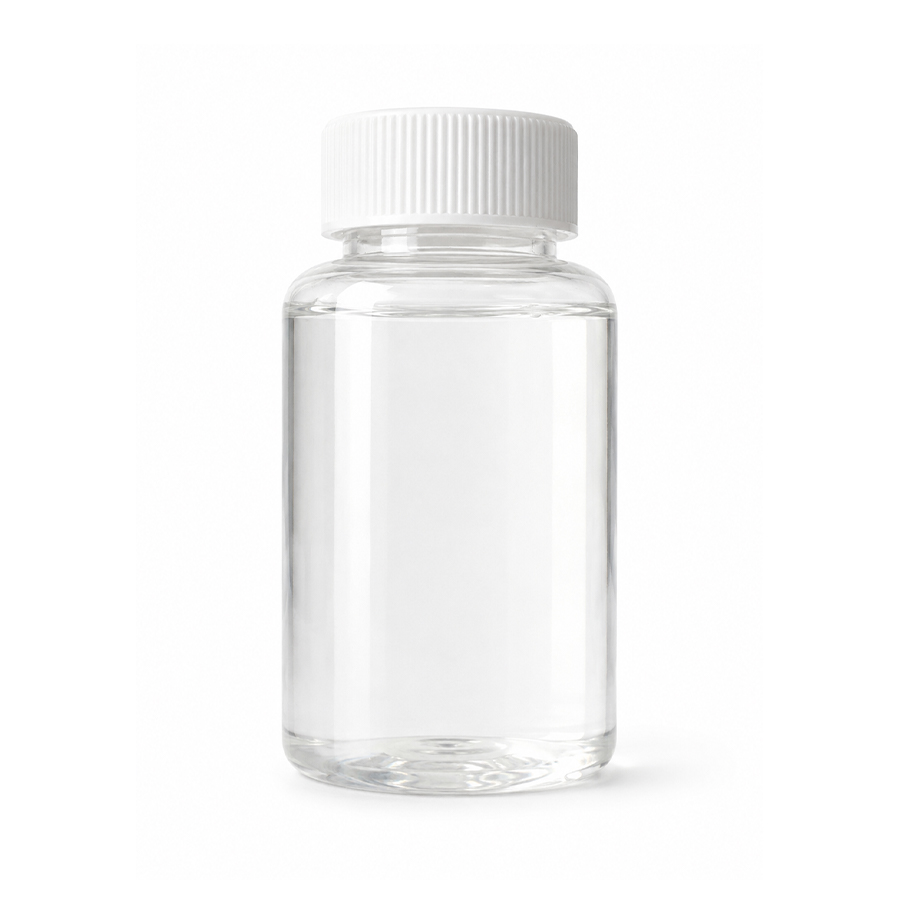
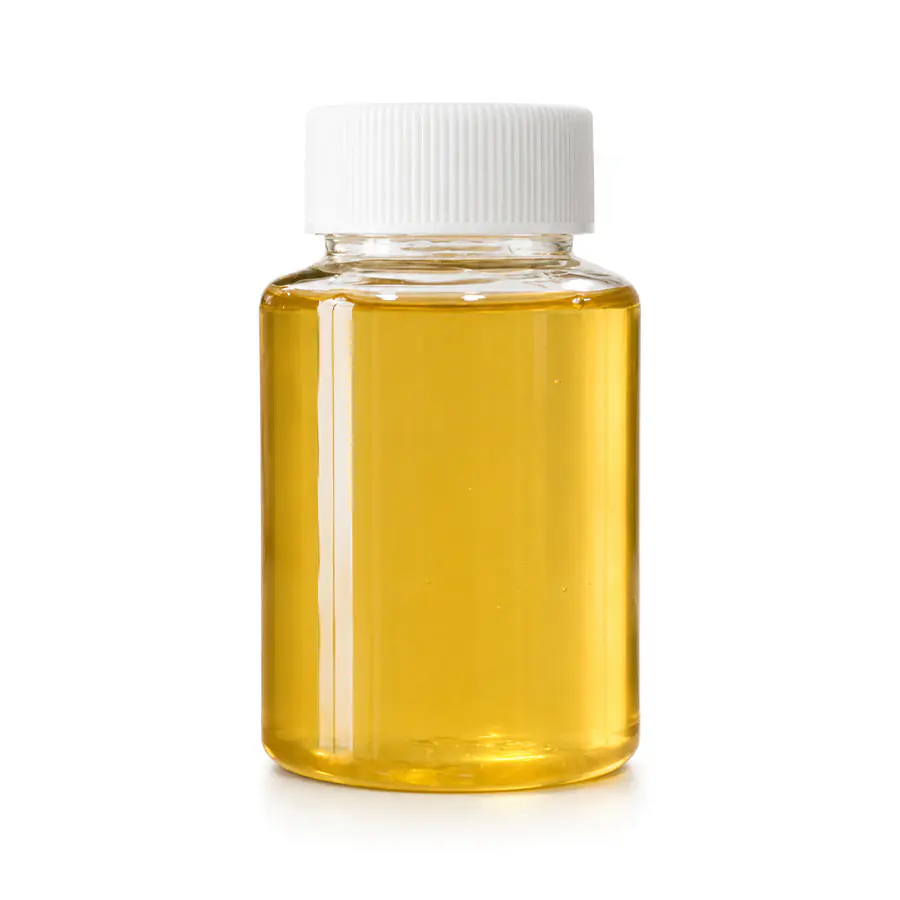
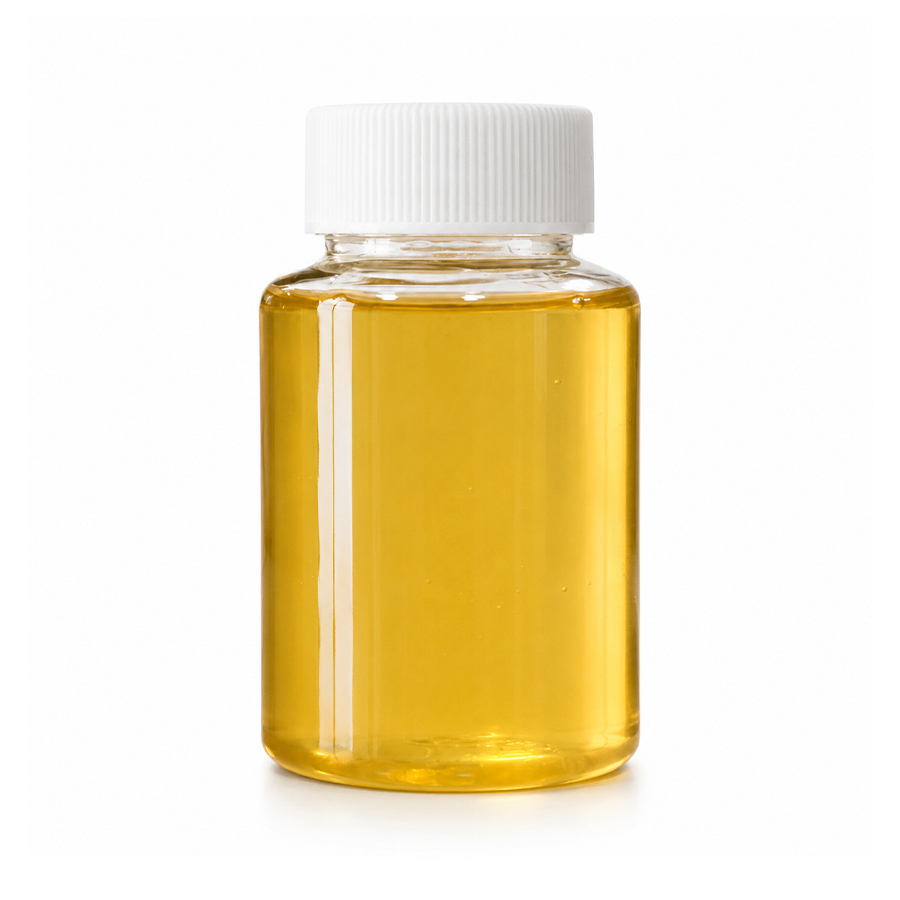
Modified Benzyl Ester is an eco-friendly low-temperature carrier and high-performance color correction auxiliary developed for these challenges. Based on a benzoate derivative and supplied as an anionic, light yellow transparent liquid, it is designed to improve dye migration, fiber swelling, dye penetration, leveling, and color correction. The product is suitable for polyester fibers, wool blends, polyester/cellulose fabrics, triacetate fibers, modified polyacrylic fibers, and other man-made fiber blends.
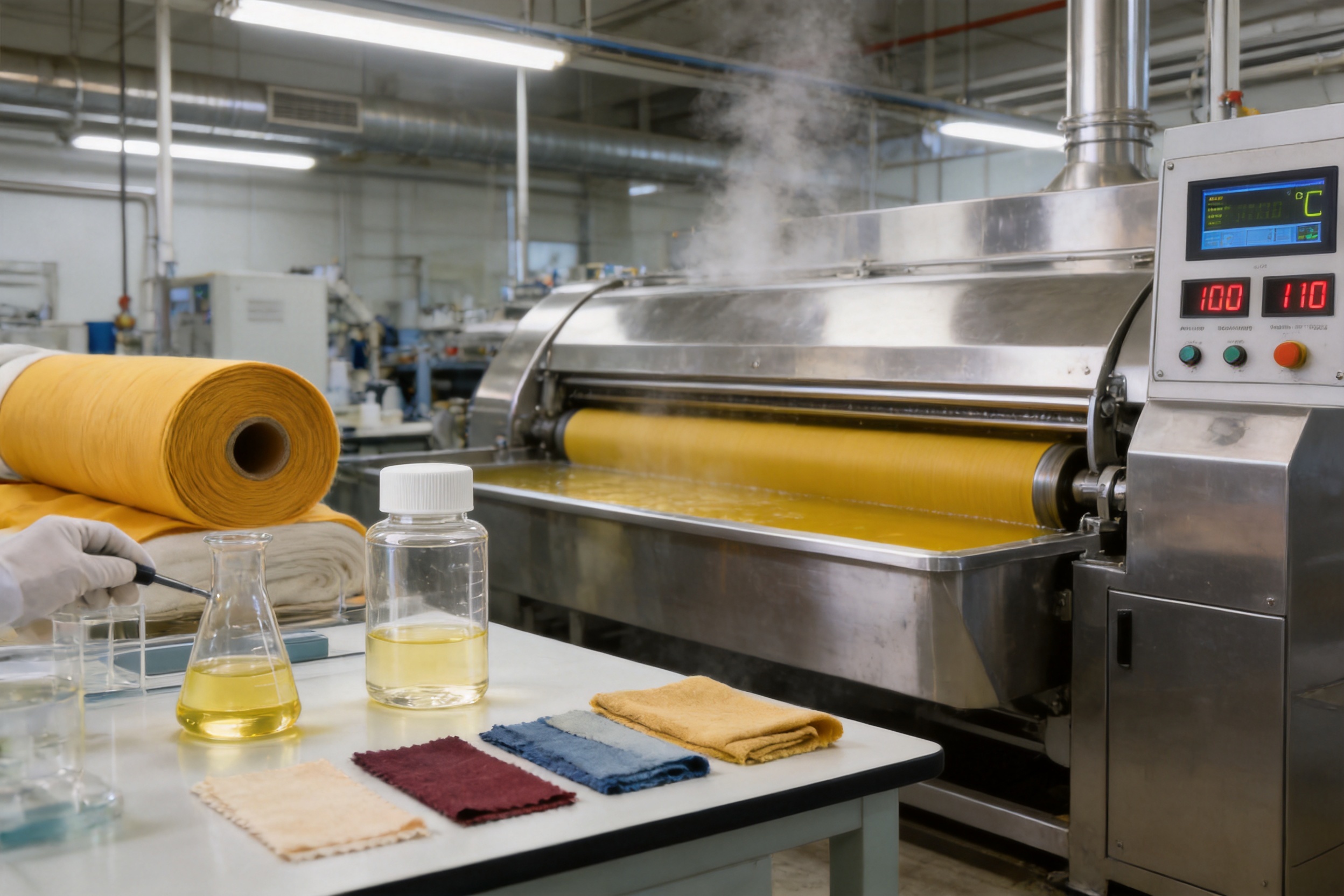
Its performance is especially valuable in dyeing processes operated at approximately 100°C to 110°C, where the product can support color development at lower temperatures than conventional polyester dyeing systems. By improving the interaction between fibers and dyes, Modified Benzyl Ester helps textile processors achieve more uniform colors while reducing the risk of shade variation and reprocessing.
The product is also available in the RY-03B grade, a benzyl benzoate-based carrier and repair agent. RY-03B provides plasticizing, solvent, accelerating, dispersing, and leveling functions. It can be used to correct uneven dyeing, improve the depth of dark shades, reduce oligomer-related deposits, and support the dyeing of modified acrylic fibers with anionic dyes.
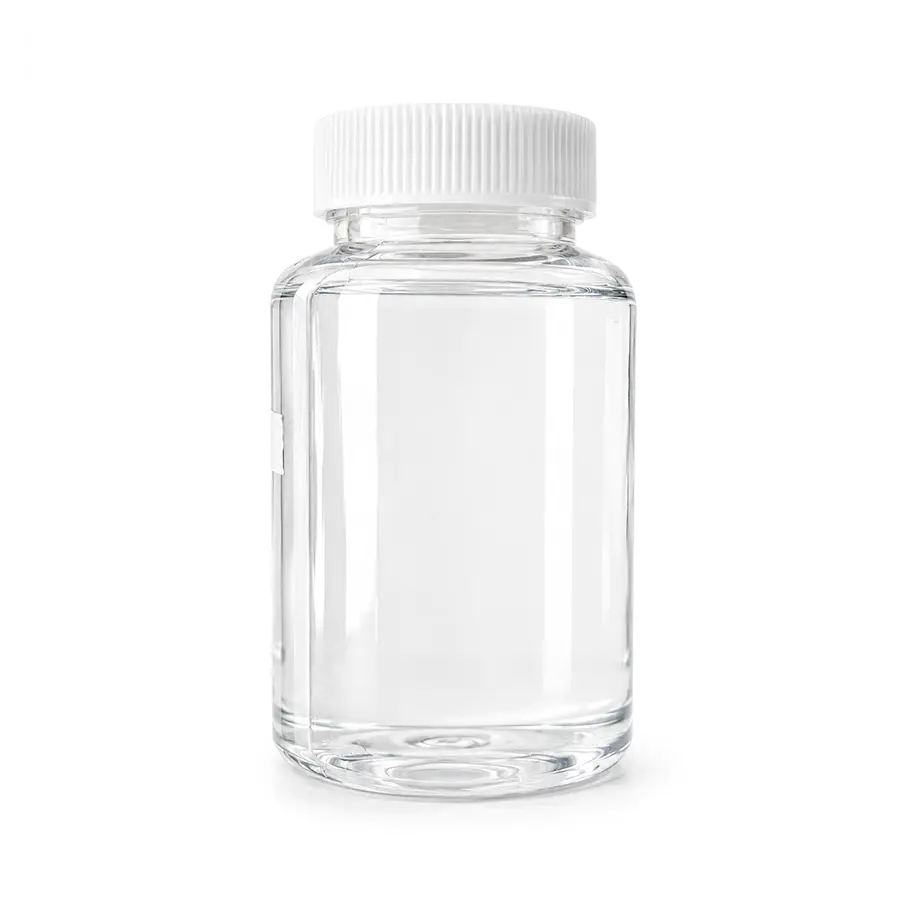
Modified Benzyl Ester
Understanding the Role of a Low-Temperature Carrier
Polyester and other synthetic fibers have compact molecular structures and relatively low moisture absorption. Their dense structures make it difficult for disperse dyes to move into the fiber at moderate temperatures. Traditional dyeing methods therefore rely on high temperatures, extended holding times, or pressure dyeing equipment to promote fiber mobility and dye diffusion.
A carrier changes this situation by temporarily increasing the mobility of the polymer structure. It can soften or plasticize the fiber surface, improve the compatibility between dye and fiber, and accelerate the movement of dye molecules into less accessible areas. The result is improved dye uptake and more even shade formation at a lower operating temperature.
Modified Benzyl Ester functions through a combination of plasticizing, solvent, dispersing, extracting, and leveling effects. It helps create more favorable conditions for dye penetration without depending solely on high heat. This makes it useful for energy-conscious dyeing processes and for materials that are sensitive to severe thermal treatment.
Unlike a simple solvent, the product is designed for textile processing conditions. It supports color correction and leveling while also assisting with the removal of unwanted substances from fibers, fabrics, and dyeing equipment. Its multifunctional character means that one auxiliary can address several common production problems within the same process.
The product is self-emulsifying when it contacts water. This property simplifies preparation and helps the auxiliary disperse effectively in the dye bath when used according to the recommended procedure. For concentrated applications, the product can also be blended with a dedicated emulsifier to create a more stable working formulation.
Product Composition and Technical Profile
The principal chemical composition of Modified Benzyl Ester is a benzoate derivative. The RY-03B grade is based on benzyl benzoate. The product is supplied as an anionic auxiliary, which allows it to be incorporated into appropriate dyeing and correction systems while maintaining compatibility with many textile processing formulations.
Property |
Modified Benzyl Ester |
Chemical composition |
Benzoate derivative |
Ionicity |
Anionic |
Appearance |
Light yellow transparent liquid |
Solubility |
Self-emulsifying upon contact with water |
RY-03B chemical composition |
Benzyl benzoate |
RY-03B appearance |
Light yellow transparent liquid |
RY-03B density at 20°C |
1.118–1.122 |
RY-03B refractive index at 20°C |
1.568–1.570 |
The light yellow transparent appearance supports visual inspection during receiving, storage, and production preparation. The defined density and refractive index range for RY-03B also provides useful quality-control reference points for batch verification and formulation management.
As with all textile auxiliaries, actual performance depends on the fiber type, dye class, fabric construction, liquor ratio, pH, dye concentration, machine design, and operating profile. Laboratory trials and production-scale validation are recommended before broad implementation.
Key Advantages Over Conventional Carrier Systems
Lower-Temperature Dyeing Capability
One of the most important advantages of Modified Benzyl Ester is its suitability for lower-temperature dyeing. Polyester and related synthetic fibers are often processed at elevated temperatures to achieve acceptable dye penetration. However, heating the dye bath to high temperatures requires substantial energy and can increase thermal stress on fibers, elastane components, sewing threads, and sensitive trims.
Modified Benzyl Ester helps improve color development at approximately 100°C to 110°C, depending on the material and shade. Lower-temperature processing can reduce energy demand, shorten heating requirements, and support more flexible production planning. It may also help manufacturers protect delicate blended fabrics that could be damaged or distorted by more severe thermal treatment.
Excellent Color Correction Performance
Shade correction is a costly and time-consuming challenge in dyehouses. Uneven pretreatment, inconsistent fabric absorbency, incorrect dye dosage, poor circulation, and variations in fiber properties can all produce off-shade or unlevel results. Reprocessing consumes water, chemicals, labor, and machine capacity.
Modified Benzyl Ester is designed to support the correction of polyester and polyester-blend dyeings. Its plasticizing and solvent properties promote improved dye mobility, allowing dye molecules to redistribute more effectively within the material. This can help correct light-to-dark variations, improve penetration into poorly dyed areas, and reduce visible streaks or patchiness.
As a repair agent, RY-03B can be especially useful when a dyed fabric requires improved leveling or deeper color development. The product should be selected and dosed according to the severity of the defect, shade depth, fabric construction, and dye system.
Good Leveling and Dyeing Acceleration
Leveling is essential for commercial textile quality. A level dyeing has consistent shade depth across the fabric width and length, with minimal barre, streaks, patches, or cloudy appearance. Modified Benzyl Ester helps maintain more uniform dye distribution by improving the movement and compatibility of dye molecules during the dyeing cycle.
RY-03B also provides dyeing acceleration. This characteristic can be beneficial when a mill needs to improve dye uptake within a limited processing window. Faster and more controlled dye diffusion may assist production efficiency while reducing the risk that dye molecules will remain concentrated in the bath or deposit unevenly on the fabric surface.
Effective Control of Polyester Oligomers
Polyester oligomers are low-molecular-weight substances that may migrate from polyester fibers during heat treatment. They can appear as white powder, deposits, or residues on fabric, machine surfaces, filters, pipes, and dyeing vessels. Oligomer contamination may cause dye spots, uneven appearance, machine staining, and increased maintenance requirements.
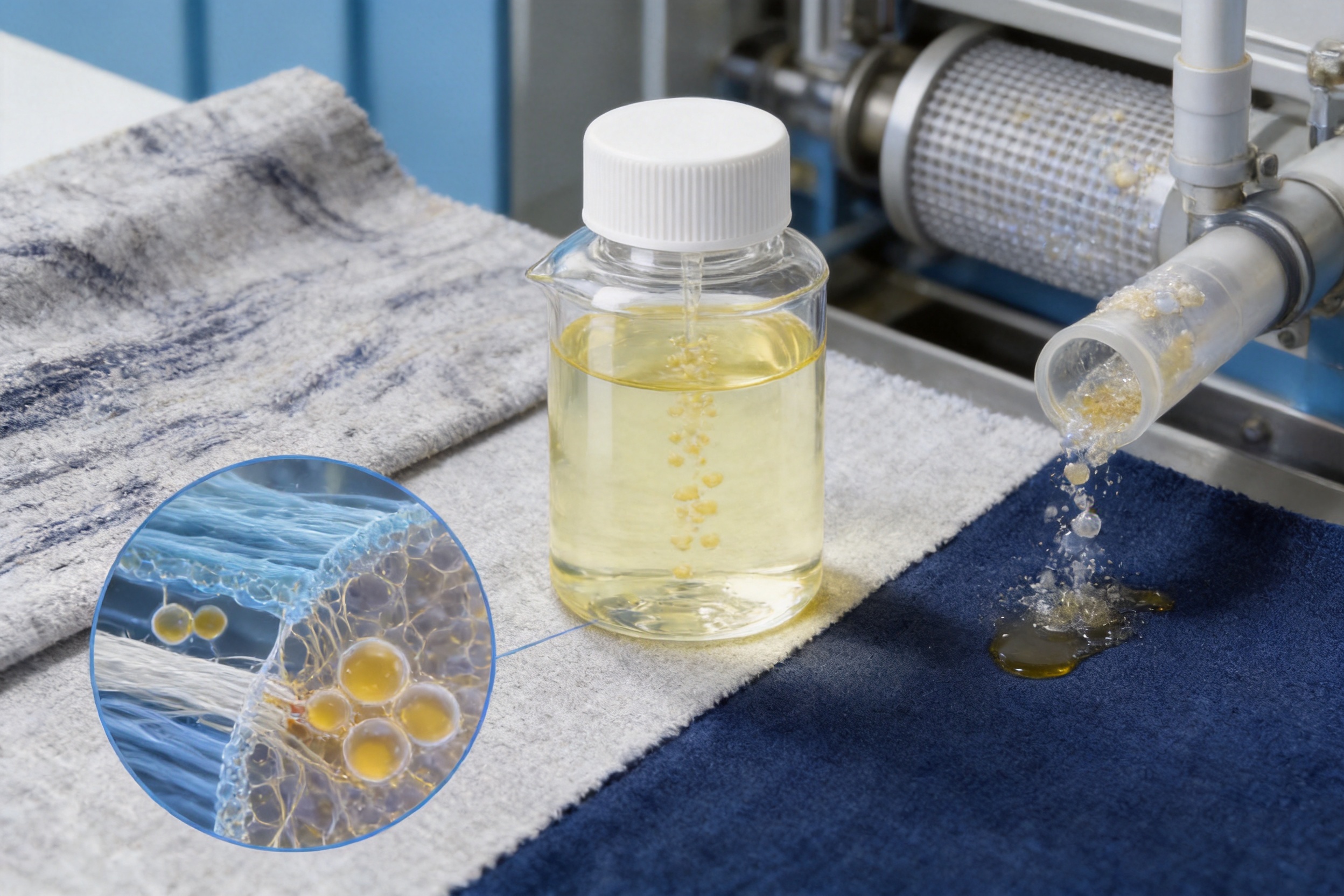
Modified Benzyl Ester helps address these problems through its dispersing, dissolving, extracting, and purifying abilities. It can assist in loosening and carrying away oligomer residues and other unwanted deposits. By helping control these substances, the product supports cleaner dyeing equipment and may reduce the risk of contamination being redeposited on fabric.
Oligomer control is particularly valuable in the production of deep shades, where high dye concentrations and extended thermal exposure can make deposits more noticeable. A cleaner processing environment can also improve batch-to-batch consistency and reduce the frequency of unplanned cleaning operations.
Removal of Oils and Mineral Residues
Textile fibers and fabrics may contain spinning oils, knitting oils, weaving lubricants, finishing residues, and other hydrophobic substances. These materials can interfere with wetting, dye penetration, and shade uniformity. Spandex-blended fabrics may also contain mineral residues or processing contaminants that create difficulties during dyeing.
Modified Benzyl Ester has the ability to assist in removing fiber oils and various oils from fabric surfaces. It can also help remove minerals from spandex-blended fabrics. This cleaning action contributes to improved fabric absorbency and reduces the possibility of oil-related dye spots or back-staining.
When used as part of a carefully designed process, the product can support both dyeing and corrective cleaning. Nevertheless, it should not automatically replace a complete pretreatment system. The required process depends on the level and type of contamination, fabric construction, and desired quality standard.
Low Volatility and Low Odor
Textile production environments benefit from auxiliaries that have low volatility and low odor. These characteristics can improve workplace comfort and reduce concerns associated with the evaporation of strongly smelling substances during preparation or dyeing.
Modified Benzyl Ester is described as having low volatility and low odor. These properties are useful for dyehouses seeking to improve the working environment while maintaining effective carrier performance. The product also contains no chlorinated aromatic compounds according to the supplied product information.
Protection of Light Fastness
Some carrier systems can adversely affect the fastness performance of dyed textiles if they interfere with the dye-fiber relationship or remain in the material after processing. Modified Benzyl Ester is designed not to damage light fastness when used under appropriate conditions.
Final fastness depends on the dye selection, fiber type, afterwashing, reduction clearing, finishing process, and end-use requirements. Even so, the carrier’s compatibility with light-fastness expectations is an important advantage for apparel, home textile, and technical textile applications where exposure to light is a key performance concern.
Recommended Fiber and Fabric Applications
Polyester Fibers and Fabrics
Polyester is the primary application area for Modified Benzyl Ester. The product can support the dyeing of polyester yarns, knitted fabrics, woven fabrics, and blends. It is suitable for color correction, dyeing acceleration, leveling, oligomer control, and improved depth development.
It may be especially useful when processing fabrics that show poor absorbency, inconsistent pretreatment, or uneven distribution of disperse dyes. In deep shades, the product can help improve the uniformity of dye penetration and reduce the appearance of unlevel areas.
Polyester and Wool Blends
Polyester/wool blends require careful process control because the two fibers have different dyeing requirements. Polyester generally uses disperse dyes, while wool is sensitive to high temperatures, strong alkalinity, and harsh chemical conditions. A low-temperature carrier can help improve polyester dyeing while reducing the thermal burden placed on the wool component.
Actual dyeing conditions must be established through laboratory testing. The dye classes, pH profile, temperature ramp, and after-treatment sequence should be selected to protect wool quality while achieving the required polyester shade.
Polyester/Cellulose Blends
Polyester/cellulose fabrics are widely used in apparel, workwear, uniforms, and home textiles. Their two-component structure can produce uneven results if one component absorbs dye or auxiliary differently from the other. Modified Benzyl Ester can support polyester coloration and leveling in these blended systems.
The auxiliary can also assist in correcting shade differences caused by variations in polyester content, fabric structure, pretreatment, or dye distribution. A complete process should consider the requirements of both the polyester and cellulose components.
Triacetate Fibers
Triacetate fibers can be dyed with disperse dyes, but they require suitable temperature and auxiliary selection to obtain uniform color. Modified Benzyl Ester is suitable for dyeing triacetate fibers with disperse dyes and can assist with dye penetration and leveling.
Because triacetate fabrics may have distinctive handle, luster, and dimensional characteristics, mills should evaluate the effect of the carrier on fabric appearance, softness, shrinkage, and post-dyeing hand.
Modified Polyacrylic Fibers
Modified polyacrylic fibers may be dyed with anionic dyes. Modified Benzyl Ester and RY-03B are suitable for supporting this application. The auxiliary can improve dye distribution and contribute to more uniform coloration in fibers that may otherwise show sensitivity to process variation.
The specific dyeing recipe should be established according to the fiber manufacturer’s recommendations, the anionic dye system, and the required fastness properties.
Application as a Carrier and Repair Agent
Modified Benzyl Ester can be used both as a carrier in the main dyeing process and as a repair agent for correcting shade or leveling defects. These applications require different approaches. In preventive dyeing, the product is added as part of the planned recipe. In corrective processing, the product is introduced after the defect has been assessed and a suitable correction route has been selected.
For high-concentration use, the emulsification method may vary depending on the fabric type, dye system, machine, and other auxiliaries in the bath. When used as a repair agent, the recommended composition is Modified Benzyl Ester at approximately 60% to 90% and emulsifier at approximately 10% to 30%. The mixture should be stirred evenly before use.
A small laboratory trial is strongly recommended before preparing a large quantity. The trial should evaluate emulsion stability, fabric compatibility, shade movement, leveling, residual odor, and the effect on fastness. It should also confirm that the carrier does not create excessive foam or interfere with other bath components.
When correcting a shade, the operator should first identify whether the problem is caused by insufficient dye uptake, poor leveling, oil contamination, oligomer deposition, incorrect dye selection, or mechanical circulation. Modified Benzyl Ester is most effective when the cause of the defect is understood and the treatment is integrated into a controlled correction procedure.
Emulsification Procedure
The supplied emulsification process provides a simple reference formulation consisting of 100 grams of Modified Benzyl Ester and 10 grams of Modified Benzyl Ester Emulsifier. The components should be combined and mixed evenly before application.
Component |
Reference quantity |
Modified Benzyl Ester |
100 g |
Modified Benzyl Ester Emulsifier |
10 g |
The exact emulsification technique may need adjustment for different fabrics and auxiliary combinations. Mixing intensity, order of addition, water temperature, dilution ratio, and holding time can influence the quality of the working emulsion. A stable and uniform preparation helps prevent localized overdosing and supports consistent contact with the fabric.
Operators should avoid adding a concentrated carrier directly to the dye bath unless the process has been validated for that method. Premixing or controlled dilution generally provides better distribution. The prepared emulsion should be used according to the recommended storage and handling conditions established by the technical department.
Suggested Dosage Guidance
The following dosage ranges are reference values for RY-03B. Actual dosage should be adjusted according to shade depth, fiber type, fabric construction, dye concentration, machine conditions, and the degree of correction required.
Dyeing temperature |
Shade depth |
RY-03B reference dosage |
100°C |
Light shades |
0.5%–1.0% |
100°C |
Medium shades |
1.0%–2.0% |
100°C |
Dark shades |
2.5%–3.5% |
110°C |
Light shades |
0.3%–1.0% |
110°C |
Medium shades |
0.5%–1.5% |
110°C |
Dark shades |
1.5%–2.5% |
These ranges should not be interpreted as a universal formula. A high dosage is not necessarily more effective, and excessive carrier may affect handle, residual content, bath stability, or afterwashing requirements. The best dosage is the lowest level that produces the required correction, leveling, and dyeing performance.
For production adoption, mills should compare treated and untreated samples under identical conditions. Evaluation should include shade difference, color yield, levelness, surface appearance, oligomer deposits, washing performance, light fastness, rubbing fastness, and fabric handle.
How the Product Supports Cleaner and More Stable Dyeing
Stable dyeing depends on more than the selection of a disperse dye. Fiber cleanliness, bath circulation, temperature control, auxiliary compatibility, and the removal of unwanted residues all influence the final result. Modified Benzyl Ester addresses several of these factors simultaneously.
Its solvent and dispersing properties help keep unwanted substances mobile in the dye bath. Its extracting ability supports the removal of oils and residues from textile surfaces. Its purifying action contributes to cleaner fabric and equipment. Its leveling function helps distribute dye more evenly. These combined effects can reduce the number of separate corrective steps required during production.
Cleaner dyeing equipment is also important for repeatability. Oligomers and dye residues that remain in a machine can be released during later batches and create unexplained contamination. By helping control these deposits, the product may contribute to more predictable machine performance and fewer unexpected defects.
In addition, improved leveling can reduce the need for repeated dyeing or shade correction. Fewer reprocessing cycles may reduce water use, energy use, chemical consumption, and production delays. The environmental benefit therefore comes not only from the product’s low-temperature application potential but also from improved first-pass quality.
Environmental and Workplace Considerations
Textile chemical selection increasingly involves environmental, health, and regulatory considerations. Buyers often require auxiliaries that support restricted-substance policies and responsible manufacturing programs. Modified Benzyl Ester is described as an eco-friendly product with low volatility, low odor, and no chlorinated aromatic compounds.
The formulation is also positioned for use in APEO-free and formaldehyde-free textile chemical programs when incorporated into a compliant overall formulation strategy. The status of a complete textile process depends on every ingredient used, including dyes, emulsifiers, defoamers, leveling agents, after-treatment products, and cleaning chemicals. Therefore, mills should obtain current technical and safety documentation for each product in the recipe.
Lower-temperature dyeing can provide an opportunity to reduce energy consumption. The actual savings depend on the machine, liquor ratio, starting water temperature, heating efficiency, dyeing time, and the difference between the conventional and modified process. A practical factory assessment should compare energy use per kilogram of fabric before and after implementation.
Responsible handling remains essential. Personnel should use suitable personal protective equipment, follow the safety data sheet, prevent uncontrolled discharge, and store the product in properly labeled containers. Environmental performance should always be evaluated together with safe handling and effluent management.
Manufacturing Strengths and Quality Management
The performance of a textile auxiliary depends heavily on manufacturing consistency. A product that performs well in one batch but varies significantly in another can create serious problems for dyehouses. Consistent raw materials, controlled processing, standardized blending, laboratory verification, and traceable packaging are therefore essential.
Jiangyin Huanan New Materials Technology Co., Ltd. has been established since 1984 and operates in Jiangyin City, Jiangsu Province, China. The company specializes in the research, development, production, and sales of textile printing and dyeing auxiliaries. Its product portfolio covers pretreatment auxiliaries, dyeing auxiliaries, finishing auxiliaries, and functional auxiliaries.
The company operates two production plants and has an annual production capacity of approximately 60,000 tons. This manufacturing scale supports stable supply for domestic and international customers while providing the capacity required for customized and high-volume orders.
For Modified Benzyl Ester and related products, manufacturing strength involves more than production volume. It includes raw-material selection, controlled reaction or blending operations, dispersion management, filtration, filling, quality inspection, and batch traceability. Each stage contributes to the product’s appearance, composition, emulsification behavior, density, and application performance.
Quality control may include incoming raw-material inspection, in-process monitoring, finished-product testing, appearance evaluation, physical-property testing, and application trials. For the RY-03B grade, density and refractive index ranges provide useful indicators of batch consistency. Product samples can also be evaluated in laboratory dyeing tests to confirm leveling, color correction, dyeing acceleration, and oligomer-control performance.
The company’s in-house laboratory and professional research and development team support formulation improvement and customer-specific development. Textile mills often process different fiber blends, fabric weights, dye systems, and machine types. A laboratory with application-testing capability can help determine whether a product should be used as a carrier, repair agent, cleaning auxiliary, or part of a broader low-temperature dyeing program.
Customized Formulation and Technical Service
Textile production rarely follows a single universal recipe. A carrier that works well on a lightweight polyester knit may require different dosage or emulsification conditions on a dense woven fabric. Similarly, a medium shade may require a different approach from a deep navy, black, or red shade.
Customized formulation capabilities allow an auxiliary supplier to consider the customer’s complete process rather than supplying an isolated chemical. Relevant factors include fiber content, fabric construction, pretreatment quality, dye class, pH, liquor ratio, heating curve, machine type, target shade, fastness requirements, and after-treatment method.
Technical service can include laboratory screening, comparative testing, dosage optimization, emulsification guidance, production troubleshooting, and performance evaluation. This support is valuable when a mill is attempting to lower dyeing temperature, reduce oligomer deposits, improve first-pass yield, or replace a conventional carrier with a more environmentally acceptable alternative.
The supplier’s broader product range also supports integrated process design. In addition to low-temperature carriers, the company manufactures moisture-wicking finishing agents, high-concentration repairing agents, silicone oils and silicone softeners, antistatic agents, color-fixing agents, stiffening agents, down-proof and windproof agents, and dry and wet rubbing fastness enhancers.
A broad portfolio can simplify sourcing and improve compatibility between different process stages. It also enables technical discussions that consider pretreatment, dyeing, finishing, and functional performance together rather than treating each stage as an unrelated operation.
Advantages for Textile Manufacturers
Improved First-Pass Quality
By supporting levelness, dye penetration, and shade correction, Modified Benzyl Ester can help reduce the frequency of failed or marginal batches. Better first-pass quality improves production efficiency and lowers the material and energy cost associated with reprocessing.
Greater Process Flexibility
The product can be used across several fiber types and applications. It is suitable for planned low-temperature dyeing, color correction, repair work, and support of difficult blended-fabric processes. This flexibility can help mills respond to different customer requirements without maintaining an excessive number of unrelated carrier systems.
Reduced Oligomer-Related Problems
Oligomer deposits are a persistent issue in polyester processing. The product’s dispersing, dissolving, extracting, and purifying characteristics help reduce the risk of white powder, dye spots, and machine contamination. Cleaner machines and cleaner fabrics contribute to more stable production.
Support for Energy-Conscious Production
Processing at approximately 100°C to 110°C may offer an alternative to more energy-intensive high-temperature dyeing in suitable applications. The potential benefit should be confirmed by factory trials, but the product provides a practical tool for mills pursuing lower-energy dyeing strategies.
Compatibility with Environmental Programs
The product’s low odor, low volatility, and absence of chlorinated aromatic compounds support the requirements of textile manufacturers seeking more responsible chemical systems. It can be evaluated as part of APEO-free and formaldehyde-free formulation programs, subject to verification of the full recipe and applicable standards.
Recommended Implementation Procedure
A controlled implementation program can help a dyehouse obtain reliable results. The first step is to document the existing process, including fabric composition, dye class, shade depth, temperature curve, pH, liquor ratio, processing time, and current defect rate.
The second step is to identify the primary problem. If the issue is oligomer deposition, the trial should emphasize machine cleanliness and surface residue. If the issue is shade variation, the trial should focus on leveling and dye redistribution. If the issue is energy use, the trial should compare dyeing at a lower temperature while monitoring color yield and fastness.
The third step is laboratory screening. Samples should be prepared with several dosage levels around the recommended range. The laboratory should assess shade difference, color strength, levelness, surface appearance, fabric handle, and residual odor. For blended fabrics, each component should be evaluated independently where possible.
The fourth step is pilot-scale testing. The selected recipe should be tested on production equipment using a controlled batch. Operators should record addition sequence, mixing time, circulation behavior, foam formation, heating profile, and final cleaning requirements.
The final step is performance confirmation. The mill should compare treated and reference batches after washing, drying, finishing, and storage. Relevant tests may include light fastness, washing fastness, rubbing fastness, shade reproducibility, dimensional stability, handle, and end-use appearance.
Storage, Handling, and Process Precautions
Modified Benzyl Ester should be stored in suitable, clearly labeled containers in accordance with the supplier’s technical and safety documentation. Containers should be kept closed when not in use, and the product should be protected from contamination and unsuitable environmental conditions.
Before use, the product should be inspected for changes in appearance, separation, or unexpected sediment. If the product has been stored for an extended period, it should be mixed or evaluated according to the supplier’s instructions before being introduced into a production formulation.
When preparing a concentrated emulsion, the carrier and emulsifier should be mixed thoroughly. The operator should avoid uncontrolled rapid addition that could create localized concentration or incomplete dispersion. The prepared mixture should be used within the validated working period.
Compatibility testing is recommended when the product is combined with other carriers, dispersing agents, leveling agents, defoamers, detergents, dyes, or finishing products. Ionicity, pH, temperature, and solvent interactions can influence bath stability.
Specific precautions and final dosage decisions should be confirmed with the technical department. The reference information provided for the product is based on experimental results and should be adapted to the customer’s actual materials and equipment.
Frequently Asked Questions
What is Modified Benzyl Ester?
Modified Benzyl Ester is an anionic benzoate-derivative textile auxiliary used as an eco-friendly low-temperature carrier, color correction agent, leveling aid, and multifunctional cleaning-support product. The RY-03B grade is based on benzyl benzoate.
Which fibers can be treated with the product?
The product is suitable for polyester fibers, polyester/wool blends, polyester/cellulose blends, triacetate fibers, modified polyacrylic fibers, and other man-made fiber blends. The dye class and process conditions must be selected according to the specific fiber.
Can it be used for polyester dyeing below conventional high-temperature conditions?
It is designed to support dyeing at approximately 100°C to 110°C in suitable applications. The actual temperature depends on the fiber, dye, fabric construction, machine, and target shade. Laboratory and pilot trials should confirm the process before production adoption.
Does Modified Benzyl Ester help correct uneven dyeing?
Yes. Its plasticizing, solvent, dyeing acceleration, and leveling properties help improve dye migration and redistribution. It can be used as a repair agent when an uneven or insufficiently developed shade requires correction.
How does it address polyester oligomers?
Its dispersing, dissolving, extracting, and purifying abilities help loosen and remove polyester oligomers and related residues. This can reduce white powder, dye spots, fabric contamination, and deposits on dyeing machines.
Does the product affect light fastness?
The supplied product information states that it does not damage light fastness when properly applied. Final fastness performance still depends on the dye, fiber, afterwashing, reduction clearing, finishing, and complete process design.
What is the recommended RY-03B dosage?
Reference dosage ranges are 0.5%–1.0% for light shades, 1.0%–2.0% for medium shades, and 2.5%–3.5% for dark shades at 100°C. At 110°C, the reference ranges are 0.3%–1.0%, 0.5%–1.5%, and 1.5%–2.5%, respectively. Actual dosage must be validated for the specific application.
How is the concentrated product emulsified?
A reference emulsification process uses 100 grams of Modified Benzyl Ester with 10 grams of Modified Benzyl Ester Emulsifier. For repair-agent use, the recommended general composition is 60%–90% carrier and 10%–30% emulsifier. The mixture should be stirred evenly before use.
Is it suitable for environmentally focused textile production?
The product is described as low odor, low volatility, and free from chlorinated aromatic compounds. It can be evaluated within APEO-free and formaldehyde-free textile chemical programs, but the complete formulation and discharge profile must be verified by the user.
What makes the manufacturer suitable for large textile orders?
The manufacturer has operated since 1984, maintains two production plants, and has an annual production capacity of approximately 60,000 tons. It also has an in-house laboratory, research and development personnel, customized formulation capabilities, standardized production, and quality-control systems.
Can the product replace all pretreatment chemicals?
Not necessarily. Modified Benzyl Ester can assist with oil, mineral, oligomer, and surface-residue control, but the complete pretreatment process should be designed according to the contamination level, fabric type, and required quality. It should be tested as part of the total process rather than assumed to replace every pretreatment step.
Conclusion
Modified Benzyl Ester is a versatile textile auxiliary designed to meet the technical and environmental demands of modern synthetic-fiber dyeing. Its main strengths include low-temperature carrier performance, excellent color correction, strong leveling, dyeing acceleration, plasticizing action, low volatility, low odor, and support for oligomer and oil removal.
The product is suitable for polyester, wool blends, polyester/cellulose blends, triacetate, modified polyacrylic fibers, and other man-made fiber systems. The RY-03B grade provides a practical option for carrier use and corrective dyeing, with reference dosages for light, medium, and dark shades at 100°C and 110°C.
Compared with a single-purpose carrier, Modified Benzyl Ester offers a broader combination of dyeing, cleaning, correction, and process-stability benefits. These functions can help textile manufacturers improve first-pass quality, reduce reprocessing, control oligomer deposits, and explore lower-temperature production.
The manufacturing capabilities behind the product further strengthen its value. Long-term industry experience, two production plants, substantial annual capacity, laboratory resources, customized formulation, research and development, and quality management provide a strong foundation for consistent supply and technical cooperation.
For the best results, textile mills should conduct laboratory trials, confirm compatibility with their dyes and auxiliaries, optimize dosage, and validate the process on production equipment. Used within a controlled dyeing program, Modified Benzyl Ester can support cleaner, more stable, energy-conscious, and higher-quality textile production.
References
1. Product technical information for Modified Benzyl Ester and RY-03B, including composition, physical properties, applications, emulsification guidance, and dosage recommendations.
2. General principles of carrier-assisted dyeing for polyester and other hydrophobic synthetic fibers.
3. Textile dyeing laboratory practice for evaluating shade levelness, color yield, dye migration, and fastness performance.
4. Technical guidance on polyester oligomer formation, deposition, removal, and dyeing-machine contamination control.
5. General environmental and process-management principles for APEO-free, formaldehyde-free, and lower-energy textile manufacturing.
6. Manufacturer information concerning textile auxiliary production, research and development, quality control, customized formulation, and production capacity.
Product: Modified Benzyl Ester


Contact us
huanannewmaterials@gmail.com
-
 Phone: +86 - 13861620767
-
 Fax: +86-0510-86200939
-
 298 Hongxing Road, Huashi Town, Jiangyin City, Wuxi City, Jiangsu Province, China
Product links
Mobile App
Copyright © Jiangyin Huanan New Materials Technology Co., Ltd. All Rights Reserved

-
huanannewmaterials@gmail.com
-

-

-
+86 - 13861620767