


 English
 中文简体

Windproof and Anti-Down Finishing Agent HN-303 for High-Performance Textile Fabrics
Content
- 1 Why Windproof and Anti-Down Finishing Matters
- 2 Product Overview
- 3 Polymer Film Technology and Performance Mechanism
- 4 Primary Performance Advantages
- 5 Comparison with Conventional Finishing Approaches
- 6 Recommended Application Method
- 7 Fabric Applications
- 8 Manufacturing Strengths and Quality-Oriented Production
- 9 Environmental and Compliance Considerations
- 10 Quality Control and Product Evaluation
- 11 Storage, Handling, and Packaging
- 12 How to Select the Correct Dosage
- 13 Advantages for Textile Manufacturers
- 14 Q&A: Windproof and Anti-Down Finishing with HN-303
- 14.1 What is HN-303 used for?
- 14.2 How does HN-303 work?
- 14.3 Can HN-303 make fabric stiff?
- 14.4 What dosage should be used?
- 14.5 Which auxiliaries are compatible with HN-303?
- 14.6 Can HN-303 be used with a softener?
- 14.7 Does HN-303 affect waterproof performance?
- 14.8 Can HN-303 be used on cotton?
- 14.9 What process is recommended?
- 14.10 What air permeability result can be expected?
- 14.11 What anti-down result can be achieved?
- 14.12 How should the product be stored?
- 14.13 What packaging is available?
- 14.14 Why is supplier technical support important for this product?
- 15 Conclusion
- 16 References
- 17 Product: Windproof Finishing Agent HN-303
Modern outerwear, down jackets, sleeping bags, quilts, sportswear, and densely woven technical fabrics must provide more than an attractive appearance. They are expected to control air movement, retain filling materials, preserve softness, tolerate repeated handling, and maintain a consistent appearance after finishing. These requirements are especially demanding for nylon, polyester, and blended fabrics, where small openings between fibers can allow air to pass through or down clusters to work their way toward the fabric surface.
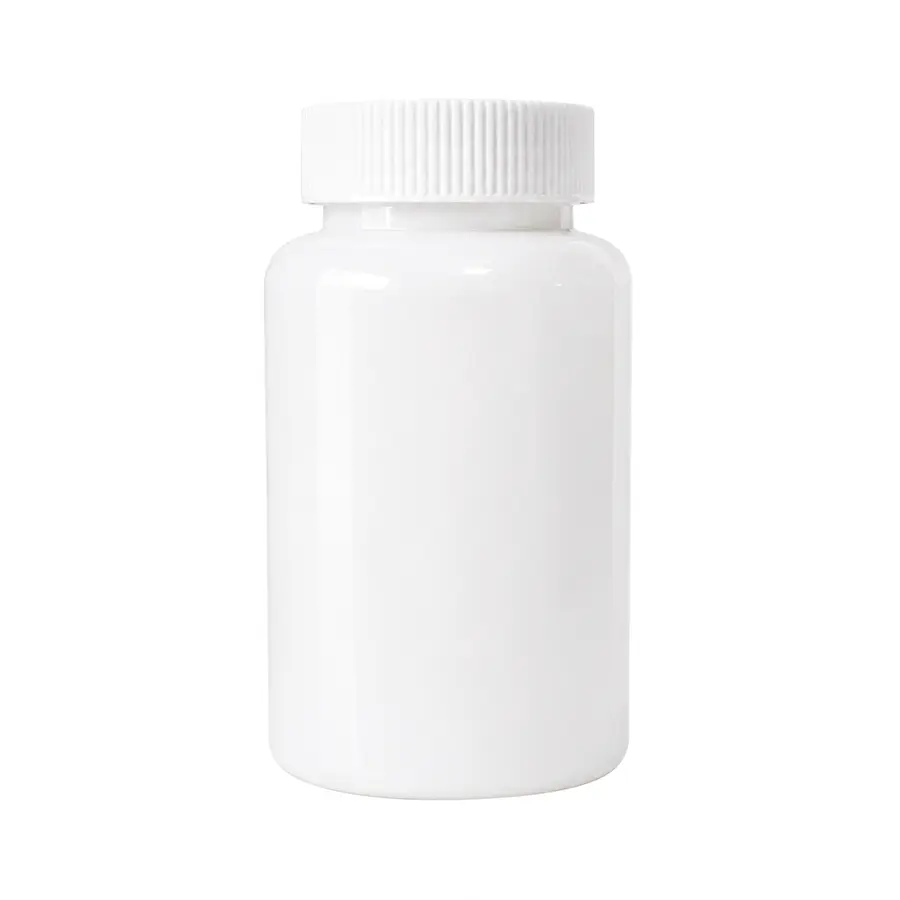
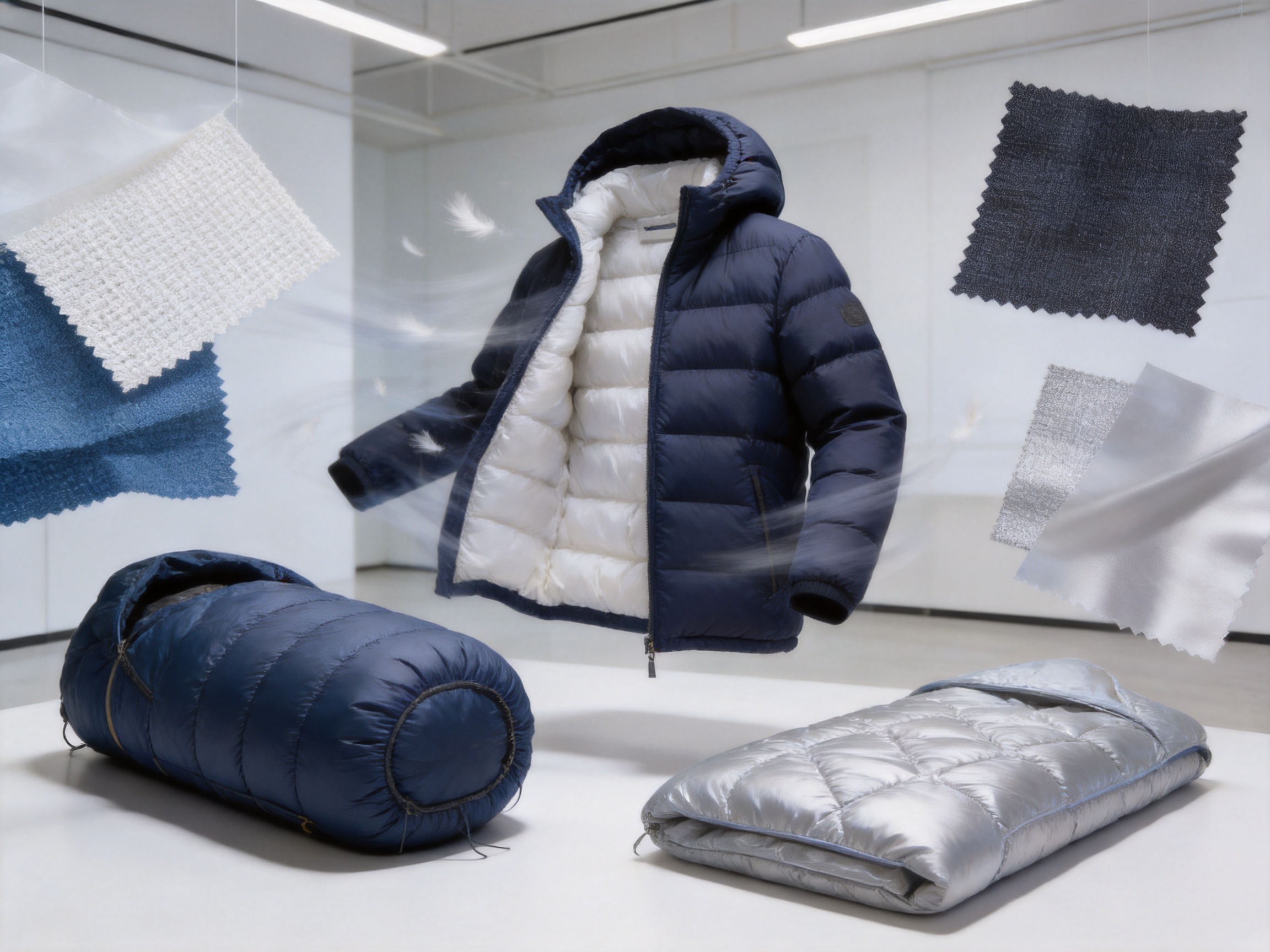
Windproof Finishing Agent HN-303 is a specialized windproof and anti-down finishing agent designed to address these challenges. Based on a special high-molecular-weight polymer complex and a special fatty compound, it forms a dense cross-linked film on the fiber surface. This film helps reduce air permeability and creates a barrier that limits the migration of down fibers through the fabric. At the same time, the finish is designed to remain soft and to minimize unwanted effects on fabric hand feel, shade, whiteness, and water-repellent performance.
HN-303 is suitable for polyester, nylon, their blends, and high-count, high-density fabrics. Its key value lies in balancing multiple performance requirements that are often difficult to achieve simultaneously. A finish that strongly blocks air may become stiff. A finish that improves anti-down performance may negatively affect softness or appearance. A heavy coating may interfere with water repellency or subsequent processing. HN-303 is developed as a balanced solution for manufacturers seeking effective windproof and anti-down performance without sacrificing the sensory and visual qualities expected from finished textiles.
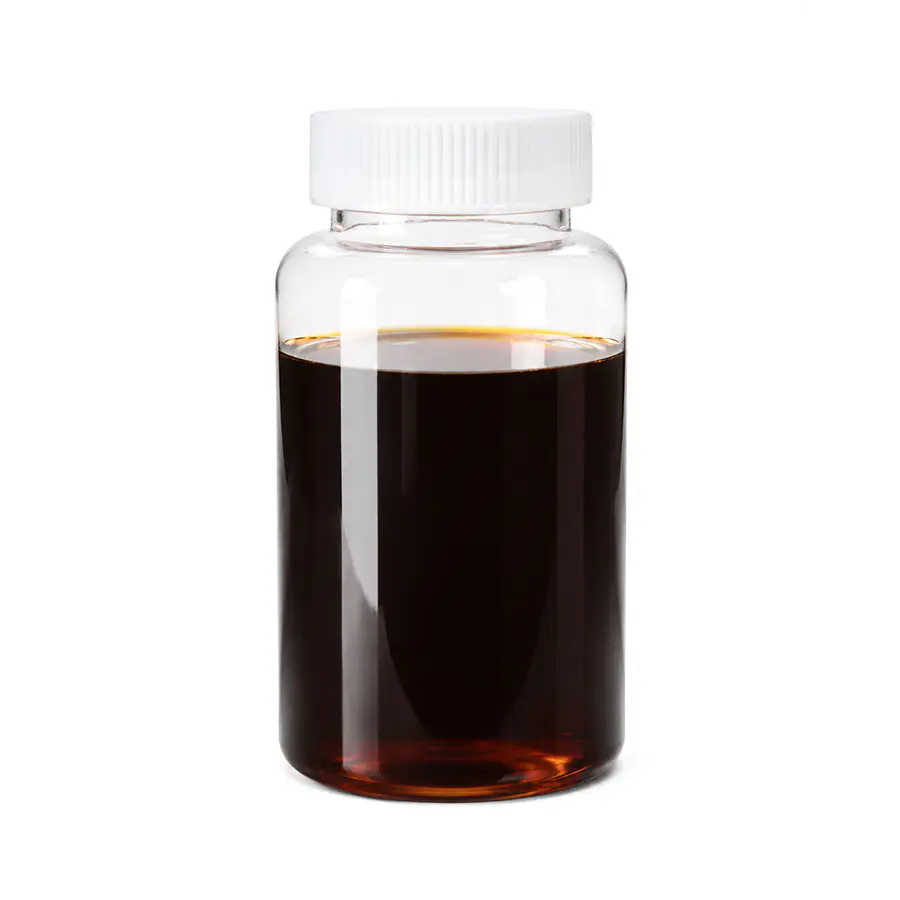
Windproof Finishing Agent HN-303
Why Windproof and Anti-Down Finishing Matters
In a finished textile, air permeability is influenced by yarn size, fabric construction, cover factor, fabric density, finishing chemistry, and mechanical treatment. Even high-density woven fabrics may retain microscopic pathways that permit air movement. In down-filled products, these same pathways can allow feather shafts or fine down fibers to protrude through the fabric. This phenomenon can affect product appearance, comfort, durability, and consumer perception of quality.
A windproof finish works by reducing the effective size and continuity of these pathways. When the finishing agent deposits on and around the fibers, it can create a more continuous surface structure. The resulting fabric allows less air to pass through under test conditions, which is particularly important in garments and equipment exposed to cold or windy environments.
An anti-down finish serves a related but distinct function. Down and feather fillings are lightweight, flexible, and capable of moving under repeated compression and movement. If the shell fabric has open spaces or insufficient surface protection, filling fibers may migrate outward. Once they reach the fabric surface, they can create visible points, affect garment appearance, and potentially cause discomfort. A well-designed anti-down treatment helps restrict this movement while preserving fabric flexibility.
The ideal finishing system must therefore combine barrier formation with softness. Excessively rigid films can make fabric unpleasant to wear and may reduce the drape of a garment. Poorly dispersed products can cause unevenness, streaks, shade changes, or localized deposits. A compatible and controllable chemical is essential for consistent production results.
Product Overview
Windproof & Anti-Down Finishing Agent HN-303 is a new type of special high-molecular polymer complex intended for the windproof and anti-down finishing of synthetic and blended fabrics. During the finishing process, the polymer complex forms a dense cross-linked film on the fiber surface. The film helps lower the fabric’s air permeability and restrict the passage of down and fine filling fibers.
The formulation is designed to provide effective surface coverage without creating an excessively harsh or boardy handle. This balance is important for outerwear and home textile applications, where fabric softness and comfort are central product attributes. HN-303 can be used in combination with appropriate softeners and other compatible auxiliaries, allowing mills to adjust the final handle and performance according to fabric construction and end use.
| Item | Typical information |
|---|---|
| Product name | Windproof Finishing Agent HN-303 |
| Product category | Down-proof and wind-proof finishing agent |
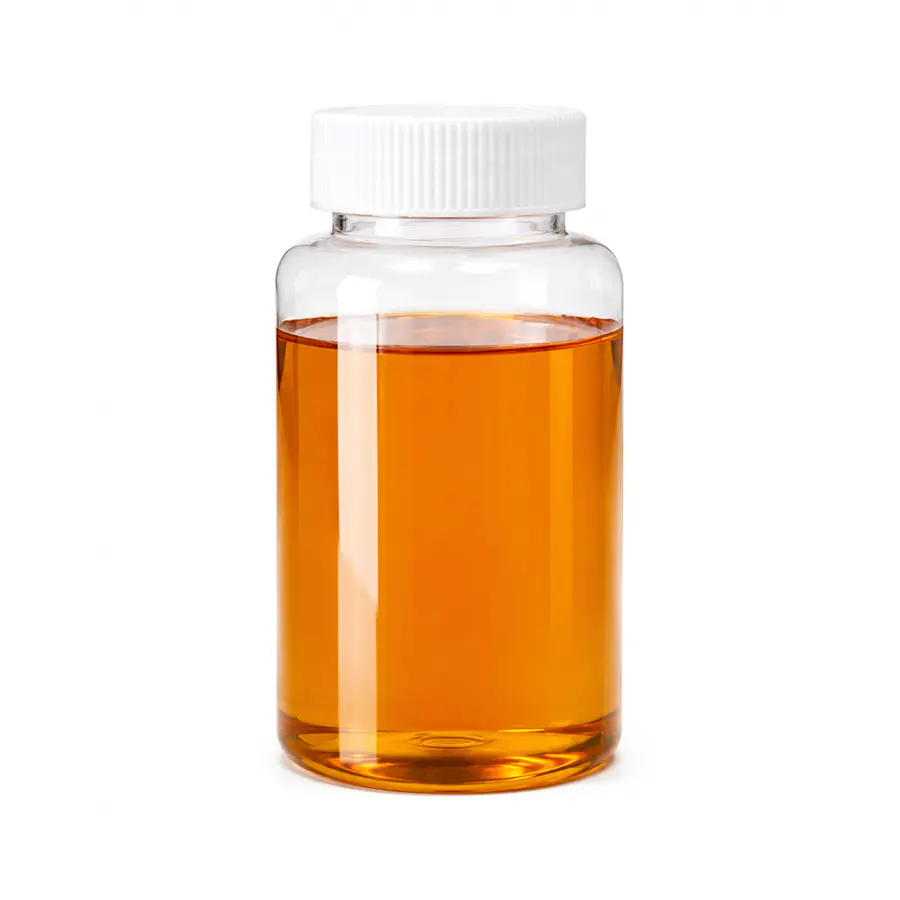
| Appearance | Milky white to off-white emulsion |
| Main component | Special fatty compound |
| Ionicity | Weakly cationic |
| pH value | Approximately 6 in a 1% aqueous solution |
| Solubility and dispersion | Easily dispersible in water |
| Recommended fabric types | Polyester, nylon, polyester/nylon blends, and high-count, high-density fabrics |
| Recommended application range | 50–200 g/L, depending on yarn count and fabric density |
| Packaging | 125 kg drum |
| Storage period | Six months under recommended storage conditions |
The listed technical information provides a practical starting point for laboratory trials and bulk production. Because fabric construction, yarn count, basis weight, pretreatment history, and target performance differ from one order to another, the final dosage and process should be confirmed through representative sampling.
Polymer Film Technology and Performance Mechanism
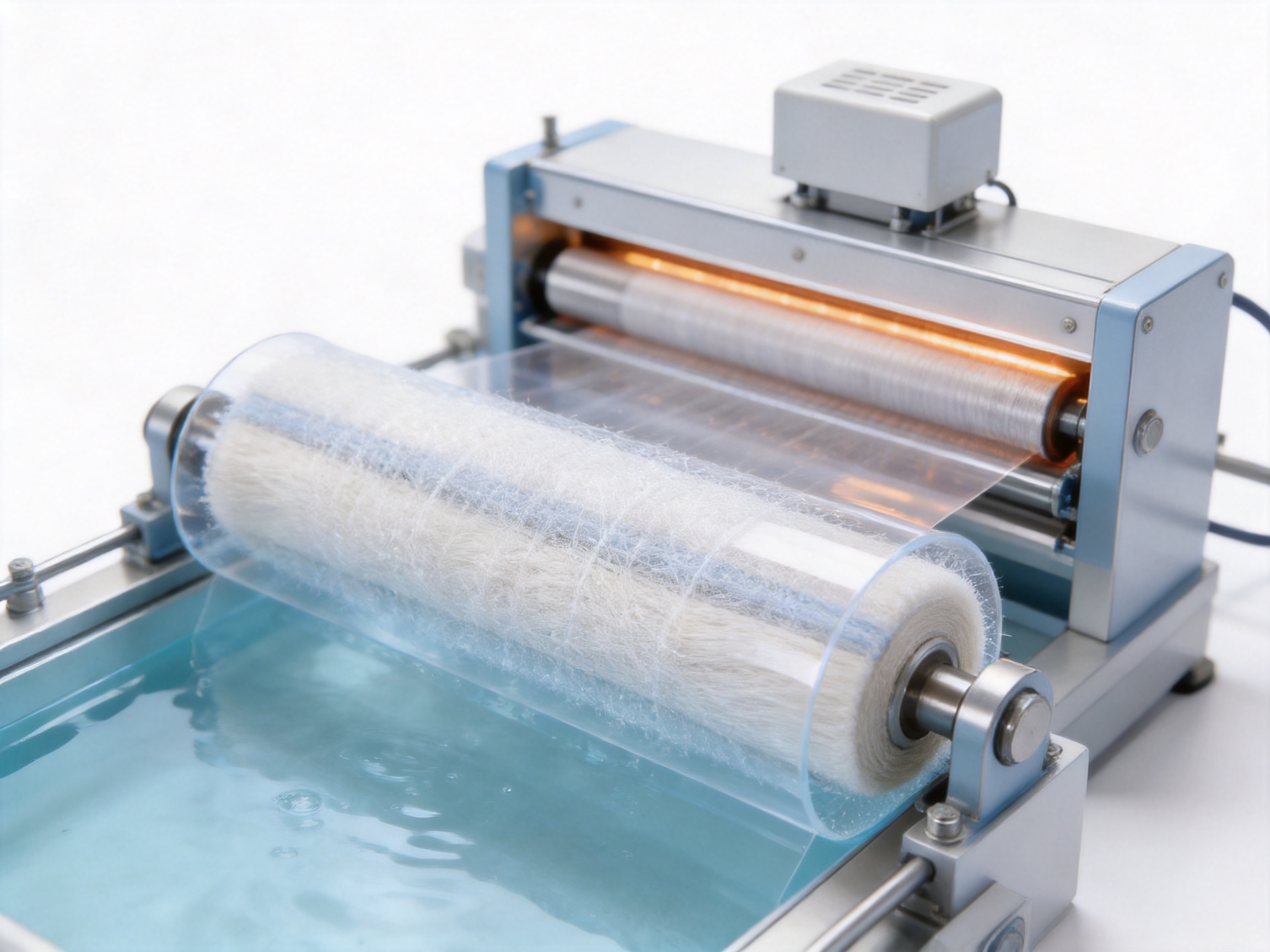
The performance of HN-303 is associated with the formation of a dense film on the fiber surface. During padding, the aqueous emulsion is distributed through the fabric. After drying and setting, the active components remain on the fiber and develop a more continuous surface layer. Calendering can further improve surface uniformity and compactness by applying controlled pressure and heat.
The film does not function merely as a superficial layer that sits independently on the fabric. Its value comes from its ability to interact with the fiber assembly and reduce the size or continuity of channels through which air and down fibers may pass. The result is a more effective barrier while maintaining the flexibility needed for wearable textiles.
The cross-linked structure is also important for durability and performance consistency. A weak or poorly formed deposit may be easily disrupted during handling, garment making, or use. By contrast, a properly developed polymer network can provide a more stable finish. The precise performance will depend on curing or setting conditions, fabric construction, add-on level, and the use of compatible auxiliaries.
Because HN-303 is supplied as an emulsion that is easily dispersible in water, it can be incorporated into a conventional padding process. This helps mills avoid unnecessarily complicated application equipment. However, good production practice remains important. The bath should be prepared with adequate agitation, contamination should be avoided, and the finishing liquor should be applied uniformly across the fabric width.
Primary Performance Advantages
Reduced Air Permeability
One of the principal purposes of HN-303 is to reduce the air permeability of finished fabric. The product information indicates that treated fabrics can achieve an air permeability level of approximately 20–30 under the relevant test conditions, depending on the fabric and process. Lower air permeability contributes to improved wind resistance and can help garments retain warmth in exposed environments.
Air permeability results are influenced by the test method, test pressure, fabric construction, and finishing add-on. For this reason, the stated range should be understood as a practical performance reference rather than an unconditional result for every fabric. The correct approach is to establish a laboratory baseline, apply HN-303 at different concentrations, and evaluate the resulting performance using the customer’s required standard.
Effective Anti-Down Protection
HN-303 is designed to help prevent down from poking through the shell fabric. The product information indicates that anti-down performance below 12 counts can be achieved under appropriate conditions. This makes the finish suitable for down jackets, quilts, sleeping bags, and other products where filling migration is a major quality concern.
Anti-down performance depends on more than chemistry alone. Fabric density, yarn smoothness, weave design, needle damage, seam construction, washing, and the nature of the filling all influence the final result. HN-303 provides a chemical barrier that works together with a suitable fabric construction and controlled manufacturing process.
Soft Handle
Softness is a major differentiator in finishing chemicals. A rigid coating may lower air permeability, but it can make fabric uncomfortable, reduce drape, and produce an unnatural hand. HN-303 is formulated to form a dense surface film while minimizing the impact on hand feel. It can also be used with suitable softeners when additional smoothness, fullness, or slipperiness is required.
The final hand depends on dosage, drying, setting, calendering, softener selection, and fabric construction. Mills can therefore use the recommended application range as a development window. Lower concentrations may be appropriate for lighter or tighter fabrics, while heavier or more open constructions may require a higher concentration to reach the desired barrier effect.
Limited Effect on Shade and Whiteness
Finishing agents can sometimes alter visual appearance by producing yellowing, dullness, uneven deposits, or changes in color depth. HN-303 is designed to have minimal impact on shade and whiteness. This is particularly useful for light-colored down jackets, white or pastel home textiles, and high-value fashion fabrics where even small visual changes can lead to rejection.
Color evaluation should still be performed on the actual production fabric. The compatibility of dyes, optical brighteners, softeners, repellents, and other additives can affect the final appearance. Controlled bath preparation and uniform drying are essential for maintaining consistent whiteness and shade.
Compatibility with Waterproof Performance
Windproof and anti-down finishing should not unintentionally undermine the water-repellent or waterproof performance already built into a fabric. HN-303 is described as not affecting waterproof performance when properly applied. This allows manufacturers to consider it as part of a broader performance-finishing system.
Because HN-303 is weakly cationic, the full finishing recipe must be reviewed before production. The presence of anionic repellents, softeners, dispersants, or other auxiliaries may create compatibility issues. A small-batch compatibility test is recommended before combining HN-303 with any new chemical system.
Comparison with Conventional Finishing Approaches
Textile manufacturers traditionally use several methods to improve wind resistance and filling retention. These may include tighter fabric construction, resin treatment, coating, mechanical calendering, or combinations of softeners and surface-active finishes. Each method has value, but each also presents limitations.
Tighter construction can reduce air permeability and improve anti-down performance, but it may require finer yarns, higher thread counts, additional loom capacity, or changes to the original fabric design. Such adjustments may increase cost or reduce production flexibility. HN-303 can support the performance of an existing fabric by adding a chemical barrier during finishing, which may allow mills to use established constructions more efficiently.
Heavy coating can create a strong barrier, but it may alter fabric weight, drape, breathability, and handle. It can also make the fabric feel plastic-like or interfere with downstream sewing and garment construction. HN-303 is designed as a finishing agent rather than a heavy coating, helping provide barrier performance while preserving a softer textile character.
Mechanical calendering alone can compact a fabric surface and reduce air passage. However, the effect may depend strongly on fabric structure and may not provide sufficient protection against down migration when used without a chemical finish. HN-303 can be combined with one or two calendering passes to improve the uniformity and compactness of the treated surface.
Some conventional film-forming systems may cause excessive stiffness, shade variation, or reduced water-repellent performance. The product design of HN-303 focuses on balancing air permeability reduction, anti-down protection, softness, visual appearance, and compatibility with waterproof performance. This multi-attribute balance is a key advantage over single-purpose approaches.
| Performance consideration | Potential limitation of a basic approach | Contribution of HN-303 |
|---|---|---|
| Wind resistance | Open fabric pathways may remain after ordinary softening | Dense polymer film helps reduce air passage |
| Down retention | Down can migrate through microscopic gaps | Surface film helps restrict filling fibers |
| Hand feel | Heavy coatings may create a stiff or plastic handle | Designed to provide barrier performance with a soft handle |
| Appearance | Some finishes may affect whiteness or shade | Minimal expected effect on shade and whiteness when properly applied |
| Water-repellent performance | Incompatible finishes may interfere with repellency | Designed not to affect waterproof performance when correctly formulated |
| Process flexibility | Special coating equipment may be required | Suitable for aqueous padding, setting, and calendering |
| Formulation integration | Uncontrolled ionic interactions can cause instability | Compatible with non-ionic and weakly cationic auxiliaries under recommended conditions |
Recommended Application Method
HN-303 is recommended for application by padding. The fabric should be fed in a dry condition, and the finishing liquor should contain HN-303 at approximately 50–200 g/L. The exact concentration should be selected according to yarn count, fabric density, fabric weight, target air permeability, anti-down requirement, and desired hand feel.
A typical process sequence is:
Padding with dry fabric feeding, HN-303 at 50–200 g/L, and suitable softener or other compatible auxiliaries as required, followed by setting and then one or two calendering passes.
The suggested calendering pressure is approximately 10, with a roller temperature of about 80–90°C. The precise machine settings should be validated on the equipment used by the mill, because pressure scales, roller designs, fabric speed, moisture content, and line configuration vary between plants.
Bath Preparation
Before preparing the production bath, the product should be inspected for uniformity and gently mixed if necessary. Clean water should be used, and the product should be added under controlled agitation. The goal is to maintain a uniform dispersion throughout the bath and avoid localized concentration differences.
When a softener or another auxiliary is needed, compatibility should be checked in advance. Non-ionic and weakly cationic auxiliaries are generally compatible with HN-303. Anionic auxiliaries should not be used in the same bath because ionic interaction may cause flocculation, instability, uneven deposition, or reduced performance.
The order of addition can influence bath stability. A mill should follow its internal laboratory procedure and supplier guidance, but a practical approach is to dilute products separately when appropriate and introduce them gradually under moderate agitation. The appearance of the bath should be observed after mixing and after standing for a representative period.
Padding and Wet Pick-Up
Uniform wet pick-up is important because uneven deposition can produce differences in air permeability, handle, shade, and anti-down performance across the fabric width. Padding pressure, roller condition, fabric speed, liquor temperature, and fabric absorbency should be controlled.
Laboratory trials should record wet pick-up and calculate the approximate chemical add-on. This makes it easier to correlate dosage with test results and reproduce successful conditions in bulk production. If the fabric is highly dense or has limited absorbency, additional attention may be needed to ensure that the finishing liquor reaches the intended surface areas without producing excessive surface concentration.
Setting and Drying
Setting and drying enable the applied emulsion to form a more stable film. The temperature and dwell time should be sufficient to remove moisture and develop the finish without damaging the fabric or causing unwanted yellowing. Excessively rapid drying may affect leveling, while insufficient drying may lead to unstable performance or poor calendering results.
Because fabric types differ, the setting conditions should be established through trials. Nylon and polyester may respond differently to heat, tension, and residence time. The mill should also consider whether the fabric has already undergone heat setting, optical brightening, water-repellent treatment, or other finishing operations.
Calendering
One or two calendering passes can improve surface compactness and help create a more uniform windproof effect. The recommended roller temperature is approximately 80–90°C, with pressure around 10 as a starting reference. Calendering may also improve the fabric’s smoothness and visual surface quality.
Too much pressure or heat can flatten the fabric excessively, alter luster, reduce bulk, or affect the desired hand. Therefore, calendering should be optimized together with the chemical concentration. A lower dosage combined with suitable calendering may provide a better balance than simply increasing the amount of chemical.
Fabric Applications
Polyester Fabrics
Polyester fabrics are widely used in outerwear, sportswear, luggage, sleeping bags, and home textiles. Their dimensional stability and strength make them suitable for dense constructions, while their surface characteristics allow a range of finishing treatments. HN-303 can help polyester fabrics achieve lower air permeability and improved resistance to down migration without unnecessarily changing their original handle.
Nylon Fabrics
Nylon is valued for its strength, abrasion resistance, light weight, and suitability for technical garments. Nylon fabrics may be used in lightweight down jackets and performance products where fabric softness and flexibility are especially important. HN-303 can provide a surface barrier while supporting the soft, pliable character required in these applications.
Polyester and Nylon Blends
Blended fabrics often combine the strengths of different fibers but may also present compatibility and finishing challenges. Differences in fiber surface, dye affinity, and thermal response can influence chemical deposition. HN-303 is suitable for polyester/nylon blended fabrics, but trials should be conducted to confirm uniform performance and appearance across the blend.
High-Count and High-Density Fabrics
High-count and high-density fabrics are common candidates for windproof and anti-down finishing because they are already engineered to provide a relatively compact structure. HN-303 can further reduce air passage and improve filling retention. The treatment can be adjusted to achieve the target performance without relying solely on additional fabric density.
A separate windproof agent is available for cotton applications. HN-303 is primarily positioned for polyester, nylon, their blends, and related high-density synthetic constructions. Mills should select the product according to fiber type, end use, and required performance standard.
Manufacturing Strengths and Quality-Oriented Production
Jiangyin Huanan New Materials Technology Co., Ltd. was established in 1984 and is located in Jiangyin City, Jiangsu Province, China. The company specializes in the research, development, manufacture, and sales of textile printing and dyeing auxiliaries. Its product portfolio covers pretreatment, dyeing, and finishing applications, including moisture-wicking agents, repairing agents, low-temperature carriers, silicone oils, silicone softeners, antistatic agents, color-fixing agents, stiffening agents, down-proof and windproof agents, and dry and wet rubbing fastness enhancers.
The company operates two production plants with an annual production capacity of 60,000 tons. This manufacturing scale supports stable supply and provides the capacity required by textile mills, garment manufacturers, and international sourcing programs. A broad production base can also help coordinate raw material procurement, batch scheduling, quality control, packaging, and delivery planning.
Manufacturing strength is not defined only by production volume. For textile auxiliaries, consistency is equally important. A finishing agent must show reliable appearance, concentration, ionic behavior, dispersion, and application performance from batch to batch. Variations in these characteristics can influence padding stability, shade, handle, and final testing results. The company’s standardized production and quality-control approach is intended to support repeatable performance for customers operating at industrial scale.
Research and Development Capability
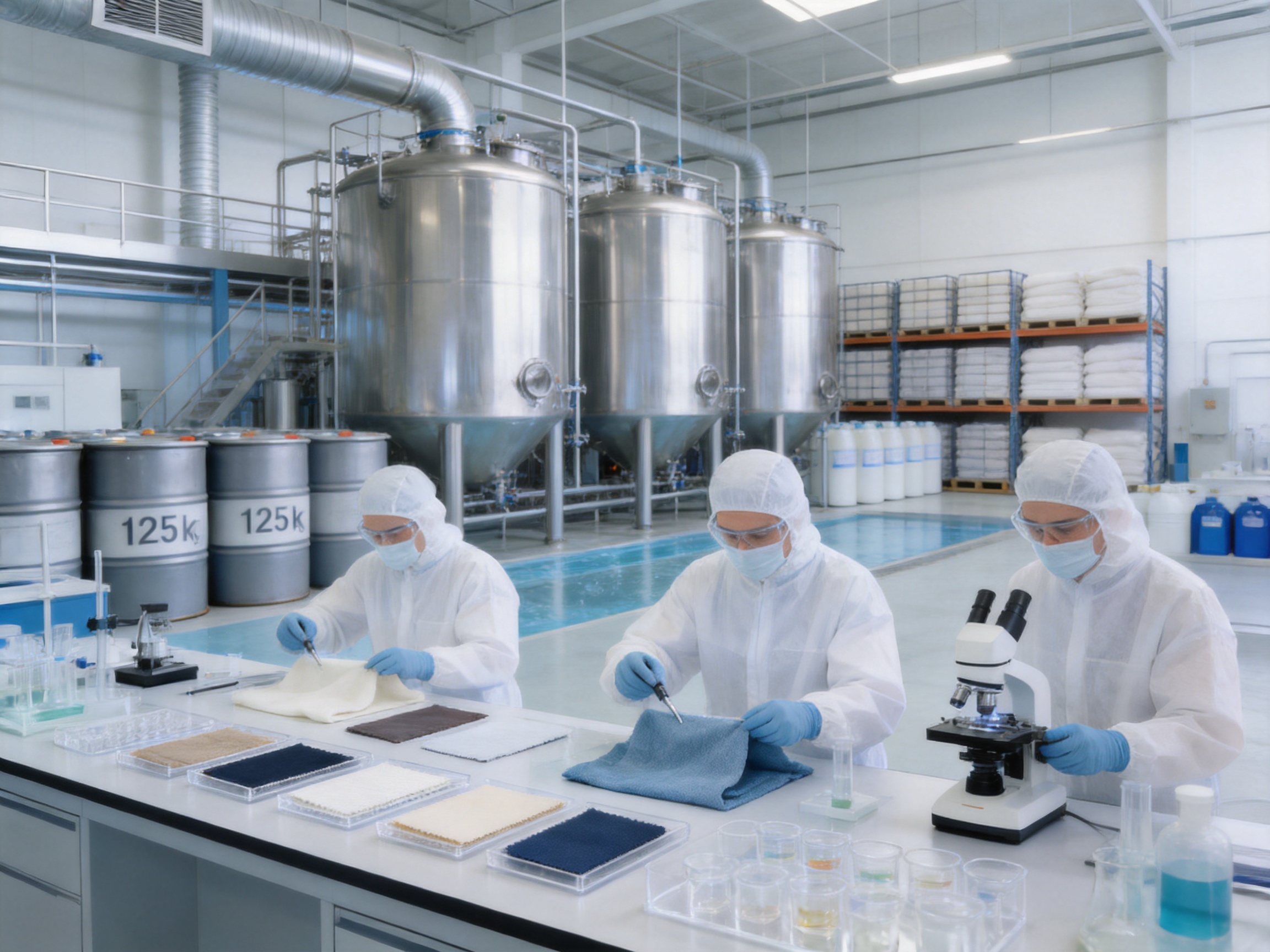
The company maintains an in-house laboratory and professional research and development team. This capability is important because textile finishing problems are often application-specific. A chemical that performs well on one fabric may require adjustment for another fabric with a different yarn count, density, dye system, or downstream process.
Laboratory development allows the company to evaluate new formulations, compare performance, investigate compatibility, and support customized solutions. For windproof and anti-down finishing, relevant development work may include air permeability testing, down-proof evaluation, hand-feel assessment, shade comparison, whiteness measurement, water-repellent evaluation, and bath stability observation.
In-house technical resources also make it possible to connect product development with production conditions. The objective is not simply to produce a laboratory sample, but to provide a formulation that can be applied consistently in a customer’s actual finishing line. This connection between research, production, and technical service is a significant advantage for textile chemical buyers.
Customized Formulation Support
Different customers may require different balances between barrier performance, softness, whiteness, cost, and process conditions. A lightweight fashion fabric may need a lower add-on and a very soft hand, while a technical shell fabric may prioritize the lowest possible air permeability. A quilt fabric may require strong anti-down performance and compatibility with a separate water-repellent system.
The company’s customized formulation capabilities enable technical discussions around these requirements. The development process can consider the customer’s fiber type, fabric construction, application equipment, target dosage, testing standards, and preferred finishing sequence. This approach is more flexible than offering a one-size-fits-all chemical without process adaptation.
Integrated Supply and Production Management
An integrated supply network supports the stable delivery of textile auxiliaries and the coordination of raw materials, manufacturing, testing, and logistics. For international customers, supply reliability is particularly important because interruptions in finishing chemistry can delay fabric production and garment delivery.
The company’s combination of production facilities, laboratory resources, standardized manufacturing, and integrated supply capabilities provides a foundation for long-term cooperation. Customers can benefit from a supplier that understands not only the chemical formulation but also the practical needs of continuous textile production.
Environmental and Compliance Considerations
Many textile brands and manufacturers now require chemical suppliers to support environmental, safety, and social compliance programs. Jiangyin Huanan New Materials Technology Co., Ltd. offers eco-friendly, APEO-free, and formaldehyde-free formulations within its product portfolio. These formulation objectives are relevant to customers working toward international restricted-substance requirements and responsible textile production.
Environmental suitability should always be confirmed for the specific product, batch, and customer standard. Mills should request the appropriate technical data, safety information, restricted-substance declarations, and test documentation before approving a product for a regulated supply chain. The general company capability should not replace product-specific verification.
The company supports compliance with international environmental and management standards, including OEKO-TEX-related requirements and ISO 14001 and ISO 45001 management systems. Such systems indicate an organized approach to environmental management and occupational health and safety. For a textile chemical buyer, this can improve supplier qualification and support internal audit requirements.
Using an aqueous, easily dispersible emulsion can also be advantageous from a process perspective. It allows application through a conventional padding system and avoids the need for a solvent-based process in the stated application method. Nevertheless, safe handling, ventilation, personal protective equipment, wastewater management, and local regulatory compliance remain essential.
Quality Control and Product Evaluation
Before bulk application, HN-303 should be evaluated on the actual fabric or a fabric that closely represents production. A useful evaluation program should include both chemical checks and textile performance tests.
| Evaluation area | Suggested observation or test | Purpose |
|---|---|---|
| Product appearance | Check milky white to off-white emulsion and absence of abnormal separation | Confirm product condition before use |
| Bath stability | Observe dispersion after dilution, mixing, and standing | Identify compatibility or settling problems |
| pH | Measure the prepared bath or 1% aqueous solution as appropriate | Confirm process consistency |
| Air permeability | Compare untreated and treated fabric using the required test method | Assess windproof effect |
| Anti-down performance | Use the customer’s specified count or penetration test | Assess filling retention |
| Handle | Conduct panel assessment and, where available, instrumental evaluation | Confirm softness and drape |
| Shade and whiteness | Measure color difference and whiteness before and after finishing | Check visual impact |
| Water repellency | Evaluate the finished fabric according to the required standard | Confirm compatibility with water resistance |
| Durability | Test after laundering, abrasion, or use simulations where required | Assess performance retention |
Testing should be carried out under controlled conditions, with untreated and treated controls processed in parallel. Results should be recorded together with dosage, wet pick-up, drying conditions, setting temperature, calendering conditions, fabric construction, and test method. This information creates a practical process window for bulk production.
Storage, Handling, and Packaging
HN-303 is supplied in 125 kg drums. The product should be stored in a cool, well-ventilated place. The stated shelf life is six months under recommended storage conditions. Containers should remain properly closed when not in use to help protect the emulsion from contamination and environmental exposure.
Before use, operators should inspect the container and product condition. If unusual separation, coagulation, odor, or other abnormality is observed, the product should be isolated and reviewed before being added to a production bath. Normal gentle agitation may be appropriate, but aggressive mixing should be avoided unless confirmed by the supplier or the customer’s technical procedure.
Safe handling practices should follow the current safety data sheet and site requirements. Personnel should use appropriate protective equipment, maintain clean working areas, and prevent accidental release into drains or watercourses. Empty packaging should be handled according to local waste and recycling regulations.
How to Select the Correct Dosage
The recommended application range of 50–200 g/L provides flexibility for different fabric constructions. A starting dosage should be selected based on the openness of the fabric, yarn count, fabric weight, target air permeability, anti-down requirement, and desired hand.
For a dense, fine fabric that already has relatively low air permeability, a lower dosage may be sufficient. For a lighter construction or a fabric requiring a more demanding anti-down result, a higher dosage may be appropriate. The highest concentration is not automatically the best choice. Excessive add-on can affect handle, drying behavior, cost, and surface appearance.
A three-point or four-point laboratory trial is often useful. For example, a mill may compare low, medium, and high concentrations within the recommended range while keeping all other process conditions constant. Air permeability, anti-down performance, softness, shade, whiteness, and water repellency can then be compared. The selected concentration should provide the best overall performance rather than the strongest result in only one test.
Calendering can also be optimized alongside dosage. In some cases, moderate chemical application plus controlled calendering may produce a better result than a very high chemical concentration. This approach may help maintain softness and improve cost efficiency.
Advantages for Textile Manufacturers
HN-303 offers several practical advantages for textile manufacturers. First, it addresses two related market needs—wind resistance and filling retention—in one finishing concept. This simplifies product selection and enables a mill to develop a coordinated treatment for down and technical outerwear fabrics.
Second, the product is suitable for commonly used synthetic fibers, including polyester and nylon. These fibers are central to the outdoor, sportswear, workwear, and home textile sectors. A finish that can be applied across multiple constructions can reduce the need to maintain an unnecessarily large auxiliary portfolio.
Third, the product is designed to preserve soft handle and minimize changes to shade and whiteness. These attributes are important for premium products, where performance must be accompanied by a pleasant sensory impression and a clean appearance.
Fourth, HN-303 can be applied through padding, setting, and calendering, which are familiar operations in many textile finishing plants. This can reduce the need for major equipment investment and support integration into established production routes.
Fifth, the product is compatible with non-ionic and weakly cationic auxiliaries. This allows mills to include selected softeners or other finishing aids in the same bath, provided laboratory testing confirms stability. The clear warning against anionic auxiliaries also helps operators avoid a common source of bath instability.
Finally, the supplier combines product manufacturing with laboratory development, customized formulation, technical support, and significant production capacity. This combination can be more valuable than purchasing a commodity chemical without application assistance, particularly when a customer must meet narrow performance tolerances.
Q&A: Windproof and Anti-Down Finishing with HN-303
What is HN-303 used for?
HN-303 is used for windproof and anti-down finishing of polyester, nylon, polyester/nylon blends, and high-count, high-density fabrics. It helps reduce air permeability and restrict the migration of down through the fabric surface.
How does HN-303 work?
It is based on a special high-molecular-weight polymer complex that forms a dense cross-linked film on the fiber surface after application and drying or setting. The film helps close or narrow pathways through which air and down fibers may pass.
Can HN-303 make fabric stiff?
The formulation is designed to provide barrier performance while maintaining a soft hand and minimizing the effect on fabric feel. Actual handle depends on dosage, fabric construction, setting, calendering, and the use of additional softeners, so laboratory confirmation is recommended.
What dosage should be used?
The recommended application range is approximately 50–200 g/L. The specific dosage depends on yarn count, fabric density, fabric weight, target air permeability, anti-down requirements, and the desired handle.
Which auxiliaries are compatible with HN-303?
HN-303 is compatible with non-ionic and weakly cationic auxiliaries under suitable conditions. Anionic auxiliaries should not be used in the same bath because they may cause incompatibility, instability, or uneven deposition.
Can HN-303 be used with a softener?
Yes, a suitable softener may be included when additional softness or a specific hand is required. The softener should be non-ionic or weakly cationic and should be checked through a laboratory compatibility test before bulk application.
Does HN-303 affect waterproof performance?
The product is designed not to affect waterproof performance when properly formulated and applied. Because different water-repellent systems have different chemistries, the complete finishing recipe should still be tested on the target fabric.
Can HN-303 be used on cotton?
HN-303 is primarily intended for polyester, nylon, their blends, and high-density fabrics. A separate windproof agent is available for cotton applications. The appropriate product should be selected according to the fiber composition and end use.
What process is recommended?
The recommended sequence is padding using dry fabric feeding, followed by setting and one or two calendering passes. A roller temperature of approximately 80–90°C and calendering pressure around 10 are provided as starting references, subject to machine and fabric trials.
What air permeability result can be expected?
The product information indicates that air permeability may reach approximately 20–30 under relevant test conditions, depending on the fabric and process. Results must be verified using the customer’s specified test method and actual production fabric.
What anti-down result can be achieved?
Under appropriate fabric and process conditions, the treated fabric can achieve an anti-down result below 12 counts according to the stated reference. Fabric construction, filling type, sewing, and testing conditions also influence the final result.
How should the product be stored?
Store HN-303 in a cool, well-ventilated place, keep the container properly closed, and protect the product from contamination. The stated shelf life is six months under recommended storage conditions.
What packaging is available?
HN-303 is supplied in 125 kg drums. Customers should confirm packaging, labeling, and shipping requirements when placing an order.
Why is supplier technical support important for this product?
Windproof and anti-down performance depends on the interaction of chemistry, fabric construction, application conditions, and mechanical treatment. A supplier with laboratory, formulation, and manufacturing capabilities can help establish a more reliable process window instead of relying only on a fixed dosage.
Conclusion
Windproof Finishing Agent HN-303 is a specialized solution for textile manufacturers that need to improve air resistance and down retention while preserving softness, appearance, and the performance of other functional finishes. Its high-molecular polymer complex forms a dense cross-linked film on the fiber surface, helping lower air permeability and prevent down from poking through fabrics.
The product is suitable for polyester, nylon, blended, and high-density fabrics. Its recommended padding application, compatibility with non-ionic and weakly cationic auxiliaries, and suitability for setting and calendering make it practical for integration into established finishing lines. The stated benefits include low air permeability, effective anti-down performance, limited influence on shade and whiteness, a soft hand, and no expected reduction in waterproof performance when correctly applied.
Its competitive value is based on balance. Rather than focusing only on barrier strength, HN-303 addresses the combined requirements of wind resistance, down protection, softness, appearance, water-repellent compatibility, and process flexibility. This is especially important for premium down apparel, outdoor clothing, sleeping bags, quilts, and technical synthetic fabrics.
The manufacturing and development capabilities of Jiangyin Huanan New Materials Technology Co., Ltd. further support the product’s value. Established in 1984, the company combines two production plants, annual capacity of 60,000 tons, an in-house laboratory, professional research and development, customized formulation, standardized production, quality control, and an integrated supply network. These capabilities enable the company to support both routine supply and application-specific textile chemical development.
For the best results, customers should conduct laboratory trials using their actual fabric, establish compatibility with all auxiliaries, optimize dosage and wet pick-up, and evaluate air permeability, anti-down performance, hand feel, shade, whiteness, water repellency, and durability. When these steps are followed, HN-303 can provide a reliable foundation for producing softer, more wind-resistant, and more secure down-proof textile products.
References
1. Product technical information for Windproof & Anti-Down Finishing Agent HN-303, including composition, application range, compatibility, storage, and packaging data.
2. Company information for Jiangyin Huanan New Materials Technology Co., Ltd., including manufacturing capacity, research and development resources, product portfolio, and quality-management capabilities.
3. General principles of textile finishing chemistry, polymer film formation, padding application, drying, heat setting, and calendering.
4. Standard textile testing practices for air permeability, fabric handle, whiteness, shade variation, water repellency, and filling migration.
5. General textile chemical management principles concerning restricted substances, environmental management, occupational safety, and product-specific compliance verification.
Product: Windproof Finishing Agent HN-303


Contact us
huanannewmaterials@gmail.com
-
 Phone: +86 - 13861620767
-
 Fax: +86-0510-86200939
-
 298 Hongxing Road, Huashi Town, Jiangyin City, Wuxi City, Jiangsu Province, China
Product links
Mobile App
Copyright © Jiangyin Huanan New Materials Technology Co., Ltd. All Rights Reserved

-
huanannewmaterials@gmail.com
-

-

-
+86 - 13861620767