


 English
 中文简体

Extra-Soft Silicone Oil for High-Performance Textile Finishing
Content
- 1 1. The Role of Silicone Softeners in Textile Finishing
- 2 2. Product Profile and Core Technical Characteristics
- 3 3. Sensory Performance: Softness, Fluffiness, and Smoothness
- 4 4. Suitable Textile Substrates
- 5 5. Application Methods
- 6 6. Preparation of the Diluted Emulsion
- 7 7. Manufacturing Strengths Behind the Product
- 8 8. Advantages Compared with Less Specialized Softening Products
- 9 9. Environmental and Compliance Considerations
- 10 10. Quality Control and Recommended Evaluation Program
- 11 11. Storage, Packaging, and Logistics
- 12 12. Safe Handling and Responsible Use
- 13 13. How to Optimize HN-8100 in Production
- 14 14. Why Supplier Selection Matters
- 15 15. Commercial Applications and Market Positioning
- 16 16. Limitations and Practical Points to Consider
- 17 17. Frequently Asked Questions
- 17.1 Q1. What is Extra-Soft Silicone Oil HN-8100?
- 17.2 Q2. Which fabrics are suitable for HN-8100?
- 17.3 Q3. Can HN-8100 be used in both batch and continuous finishing?
- 17.4 Q4. What hand effect can customers expect?
- 17.5 Q5. Why is the product supplied in concentrated form?
- 17.6 Q6. How is the diluted emulsion prepared?
- 17.7 Q7. What equipment is recommended for preparation?
- 17.8 Q8. Is HN-8100 suitable for premium textile products?
- 17.9 Q9. Is the product environmentally compliant?
- 17.10 Q10. How should HN-8100 be stored?
- 17.11 Q11. What package sizes are available?
- 17.12 Q12. Does the product replace every other textile finishing auxiliary?
- 17.13 Q13. What makes the manufacturer suitable for long-term supply?
- 17.14 Q14. Should a laboratory trial be conducted before production?
- 18 18. Conclusion
- 19 References
- 20 Product: Extra-Soft Silicone Oil HN-8100
In modern textile production, softness is no longer judged only by whether a fabric feels smooth immediately after finishing. Buyers, brands, and consumers increasingly expect a complete sensory and technical performance package: a soft and luxurious hand, resilience after compression, a clean surface, stable performance after laundering, reliable processability, and compliance with environmental requirements. Textile mills therefore need finishing auxiliaries that combine tactile improvement with production efficiency and formulation flexibility.
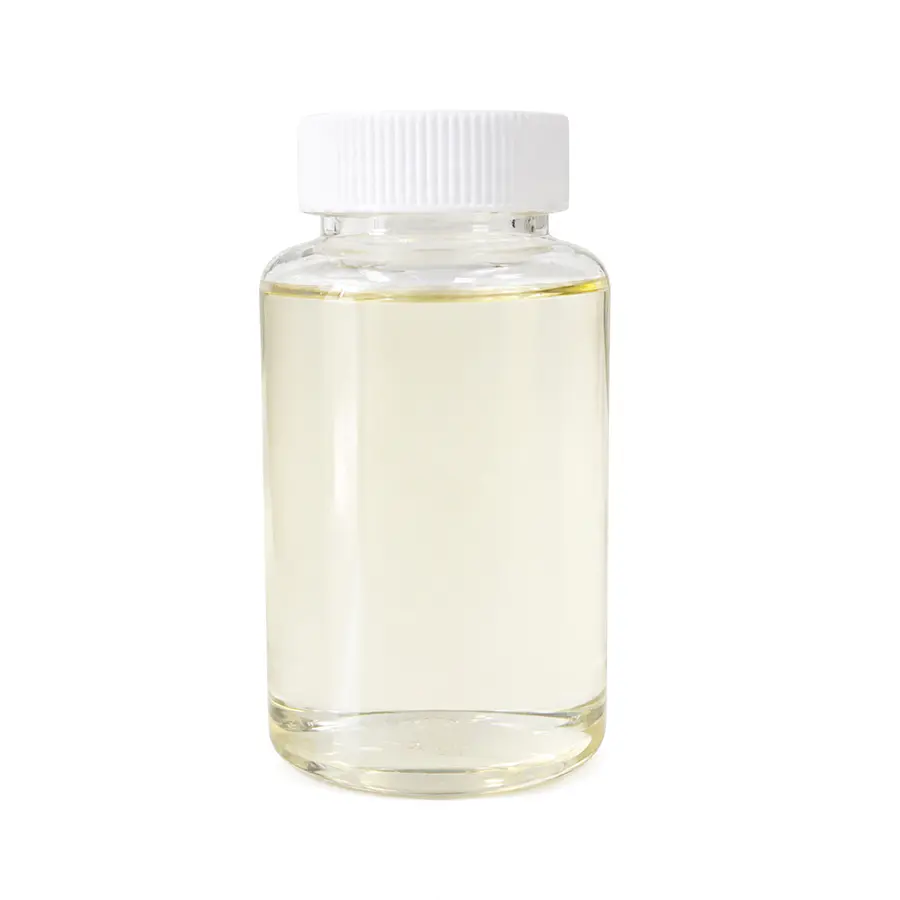
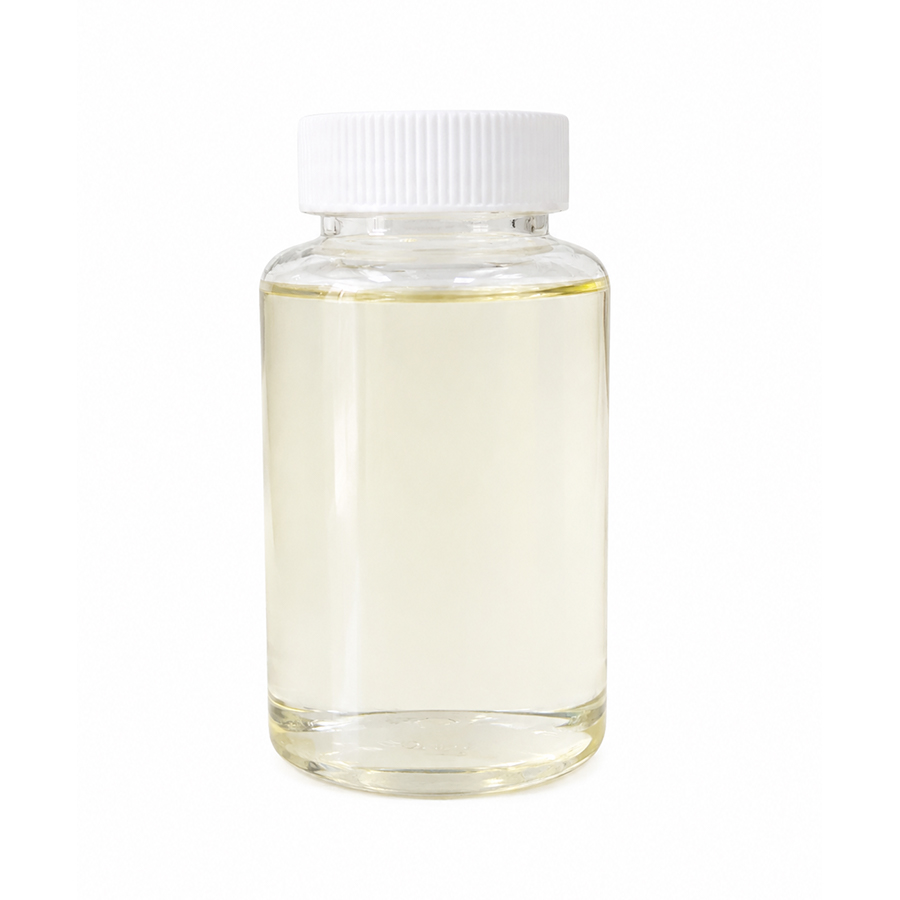
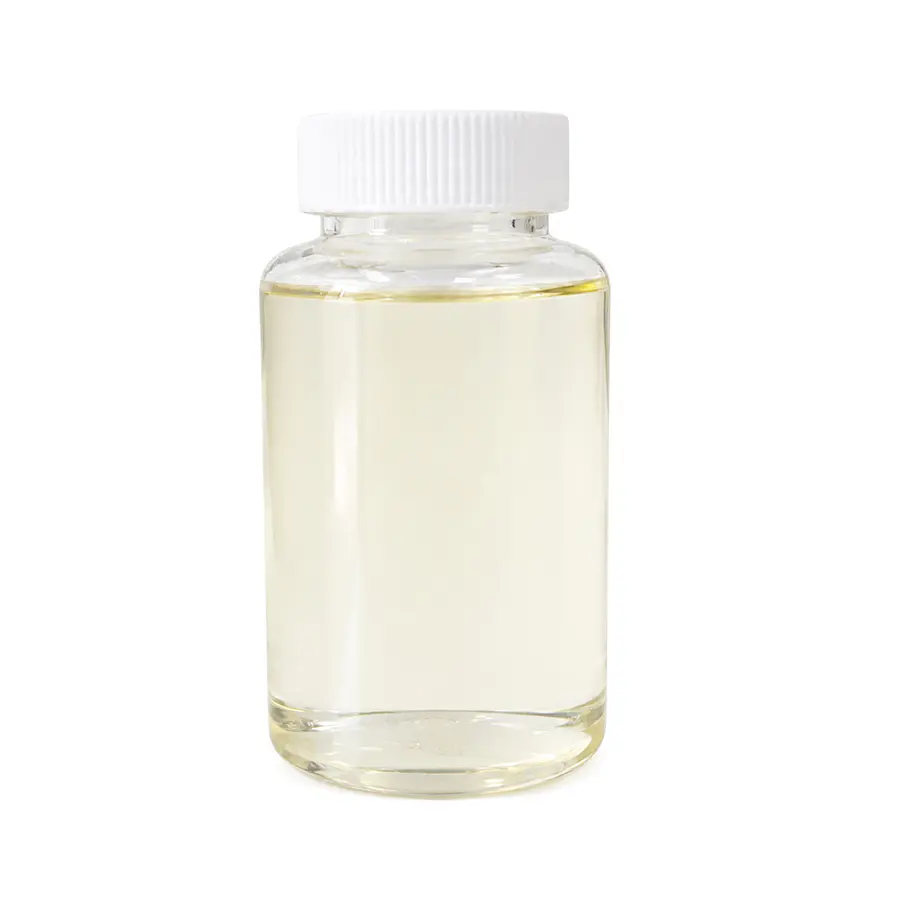
Extra-Soft Silicone Oil HN-8100 is a high-concentration silicone softener developed for manufacturers seeking a particularly fluffy, resilient, fine, smooth, and refreshing handle. It is suitable for polyester/cotton fabrics, acrylic materials, blended fabrics, lace, brushed fabrics, polyester yarn, and other synthetic-fiber textiles. Its product profile includes a transparent yellow liquid appearance, weak cationic ionicity, an active content of 70% or higher, and a pH value of 5–6.
The product is designed for both exhaustion and padding applications. It can be diluted before use and incorporated into practical textile-finishing programs with relatively low dosage requirements. In addition, the supplied technical information includes a preparation method for producing a diluted emulsion, enabling textile auxiliaries distributors and professional finishing departments to prepare the working product according to their equipment and process conditions.
Behind the product is Jiangyin Huanan New Materials Technology Co., Ltd., a Chinese manufacturer specializing in textile printing and dyeing auxiliaries. Established in 1984, the company operates two production plants and reports an annual production capacity of 60,000 tons. Its capabilities cover research and development, formulation design, standardized production, quality control, and customized textile chemical supply.
This article examines the technical characteristics, application value, manufacturing approach, quality advantages, and selection considerations associated with Extra-Soft Silicone Oil HN-8100. It also explains why a concentrated, weakly cationic silicone softener can provide advantages over less specialized softening products in demanding textile finishing operations.
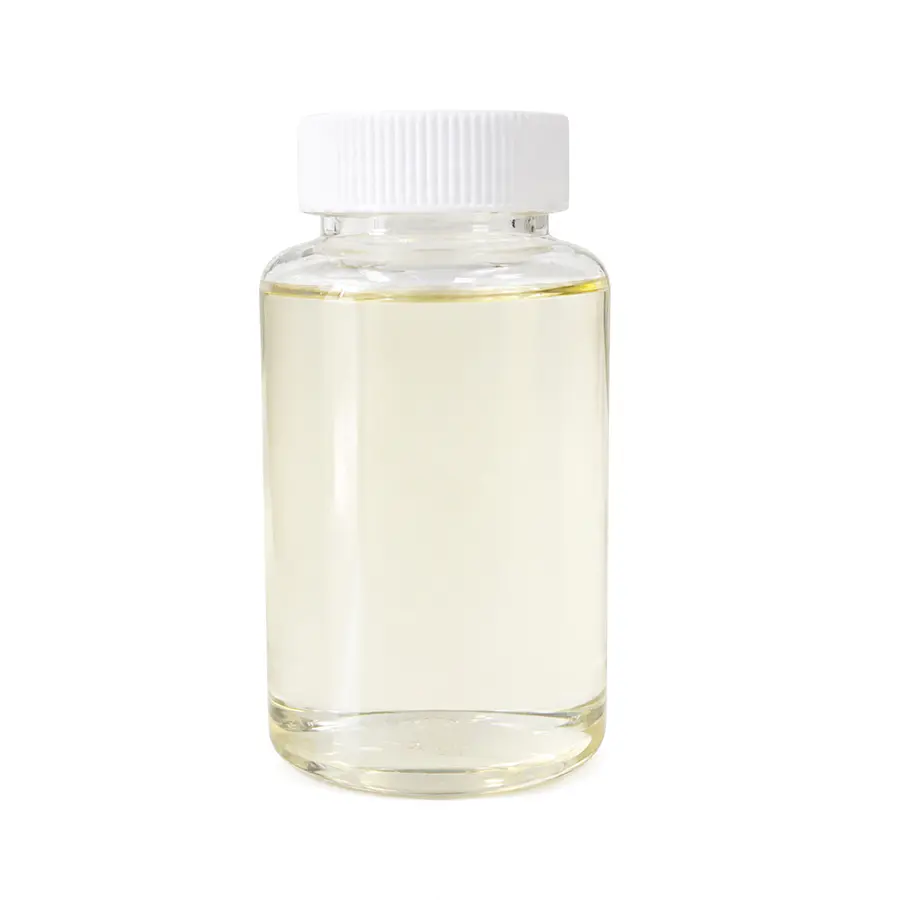
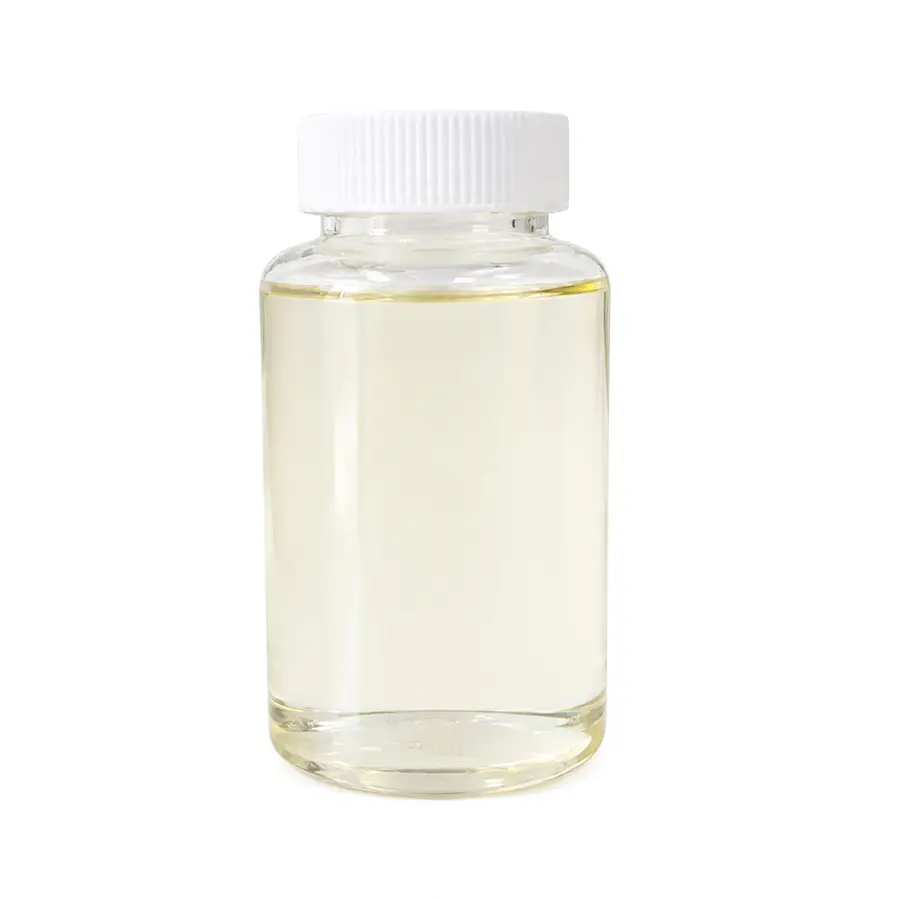
Extra-Soft Silicone Oil HN-8100
1. The Role of Silicone Softeners in Textile Finishing
Textile finishing is the stage at which fabric is given many of its final appearance, touch, and performance properties. After weaving, knitting, dyeing, printing, washing, and drying, a fabric may have a relatively harsh or dry surface caused by fiber friction, processing tension, dyeing chemicals, surfactants, and thermal treatment. Finishing auxiliaries help modify this surface and create the final commercial character of the material.
Silicone softeners are widely used because silicone chemistry can provide a combination of low surface friction, smoothness, flexibility, and softness that is difficult to achieve with many conventional non-silicone softeners. Silicone-based products can form a thin lubricating layer around fibers or on the fabric surface. This layer reduces the coefficient of friction between fibers and improves the way the fabric moves, folds, drapes, and recovers after handling.
Different silicone softeners are developed for different sensory targets. Some prioritize a silky, slippery hand. Others are designed for bulky softness, elastic recovery, peach-skin effects, hydrophilicity, or improved sewing performance. Extra-Soft Silicone Oil HN-8100 is positioned for a balanced sensory result that combines fluffiness, resilience, fine softness, and a smooth, refreshing touch.
The three sensory descriptions associated with HN-8100 are useful for understanding its intended market position. The “cotton candy” effect refers to a light, fluffy, and resilient handle. The “baby skin” effect indicates a fine, delicate softness rather than an excessively oily or heavy surface. The “butter cheese” comparison communicates smoothness and a refreshing tactile impression. Together, these targets make the product appropriate for fabrics where touch is a major part of perceived quality.
2. Product Profile and Core Technical Characteristics
HN-8100 is supplied as a transparent yellow liquid. Its weakly cationic character supports the affinity of the softener for many textile substrates, particularly when the finishing bath is properly prepared and the pH is controlled. The active content is listed as 70% or higher, indicating that the product is supplied in a concentrated form rather than as a highly diluted ready-to-use emulsion.
A high active content can offer practical advantages. Less water needs to be transported, stored, and handled per unit of active softening material. Textile mills can also prepare working dilutions according to their own application equipment, production scale, and fabric requirements. Concentrated products can be especially useful for customers purchasing in drums or intermediate bulk quantities and for distributors serving multiple markets.
Parameter | Typical information for HN-8100 |
Appearance | Transparent yellow liquid |
Ionicity | Weakly cationic |
Active content | 70% or higher |
pH value | 5–6 |
Product category | Silicone softener and finishing auxiliary |
The pH range of 5–6 is compatible with the mildly acidic conditions commonly used in many textile-finishing operations. Nevertheless, the actual bath pH should be checked during production because compatibility depends on the fabric, dyestuffs, residual chemicals, water quality, equipment, and the complete auxiliary package. A laboratory trial remains essential before industrial adoption.
The product should not be viewed only as a basic softening agent. Its value comes from the combination of concentration, sensory design, substrate flexibility, and manufacturing support. A high-quality silicone softener must not only produce a pleasant hand but also disperse consistently, remain stable during use, and deliver repeatable results across production batches.
3. Sensory Performance: Softness, Fluffiness, and Smoothness
3.1 Fluffy and Resilient Handle
Many fabric categories require more than a flat, lubricated surface. Brushed fabrics, fleece-like materials, knitted fabrics, and selected synthetic-fiber textiles often need a fuller and more resilient touch. If a softener produces only surface slipperiness, the fabric may feel smooth but lack body or bounce. HN-8100 is formulated to support a fluffy and resilient hand, helping the textile retain a more substantial and lively feel.
Resilience is particularly important when a fabric is compressed during packaging, transportation, sewing, or consumer use. A finishing effect that quickly collapses can reduce the perceived value of the textile. By contrast, a softening system that supports recovery can make the material feel more springy and comfortable during repeated handling.
3.2 Fine and Delicate Softness
Fine softness is distinct from heavy softness. A heavily coated fabric may feel greasy, waxy, or overloaded, while a well-designed softener can create a delicate surface that feels clean and refined. The baby-skin description associated with HN-8100 emphasizes a gentle tactile result suitable for products where comfort and closeness to the skin are important.
This type of hand can be valuable for apparel, intimate textiles, children’s products, lightweight knitted fabrics, lace, and blended materials. The appropriate dosage will depend on the construction and desired final effect. Over-application can alter absorbency, shade appearance, sewability, or other properties, so dosage optimization is always recommended.
3.3 Smooth and Refreshing Surface
Smoothness influences both touch and visual appearance. A smoother textile may drape more naturally, slide more easily over the skin, and feel less abrasive during wear. A refreshing surface impression is particularly useful for synthetic fabrics, which may otherwise feel dry, harsh, or overly mechanical after dyeing and heat treatment.
HN-8100 is intended to provide smoothness without making the fabric feel excessively oily. The final result depends on fiber type, fabric weight, finishing temperature, mechanical action, drying conditions, and the presence of other auxiliaries. For this reason, the product should be evaluated as part of a complete finishing formulation rather than in isolation.
4. Suitable Textile Substrates
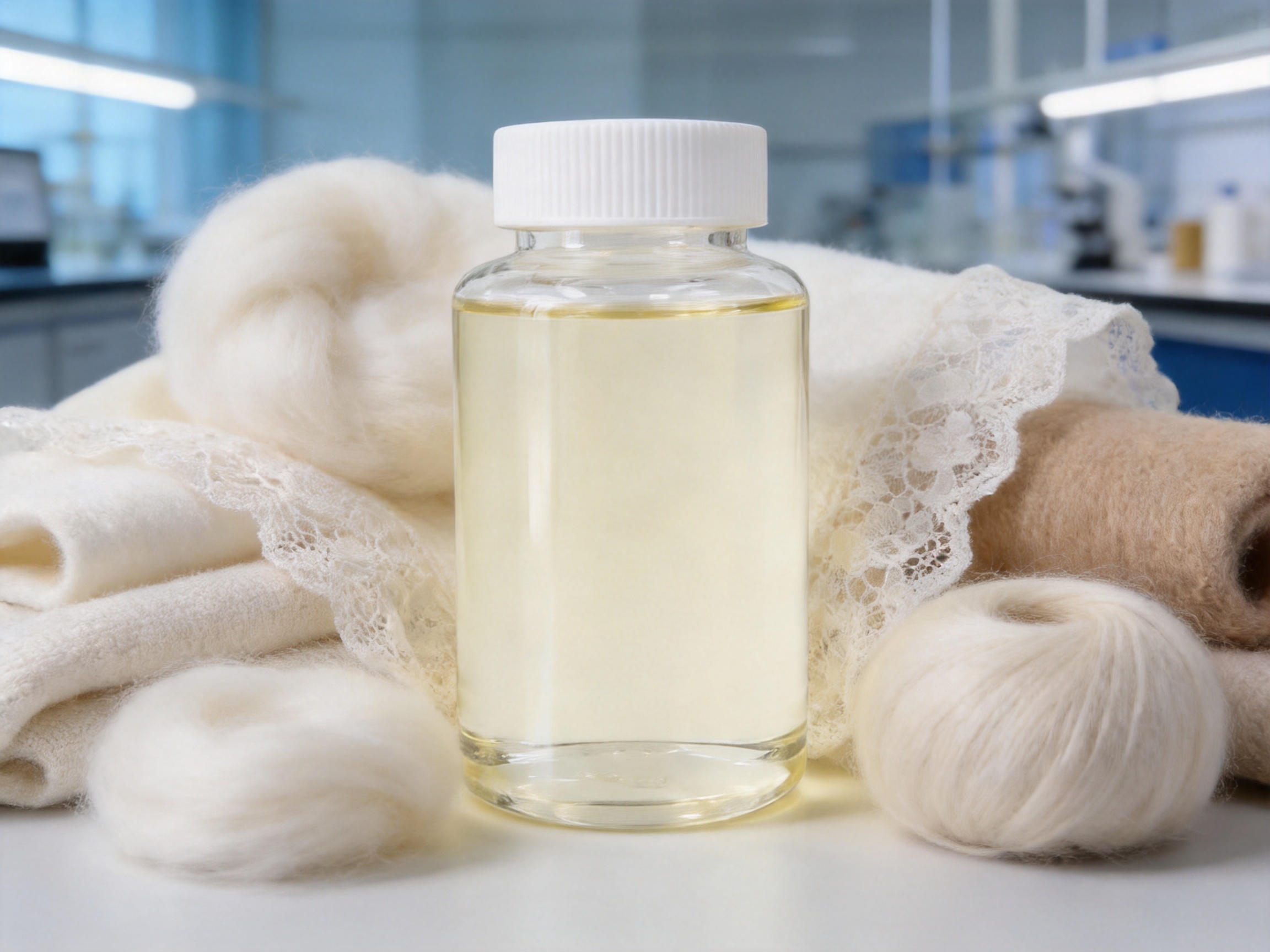
HN-8100 is recommended for a broad group of synthetic and blended textile materials. This flexibility is one of its important commercial advantages because mills often process multiple fiber categories on the same production line or within the same finishing department.
4.1 Polyester/Cotton Blends
Polyester/cotton blends combine the durability and easy-care properties of polyester with the comfort and moisture-related characteristics of cotton. However, the two fiber components can respond differently to finishing chemistry. A silicone softener for these blends must provide a pleasant overall hand without creating an undesirable contrast between the polyester and cotton portions.
HN-8100 can be evaluated on woven or knitted polyester/cotton materials where a fuller, smoother, and softer finish is required. The final process should consider whether the fabric also needs hydrophilicity, moisture management, anti-pilling performance, or special dimensional stability.
4.2 Acrylic Fabrics
Acrylic fabrics can benefit from improved softness and reduced harshness, particularly when they are designed to imitate the comfort or warmth of natural fibers. A suitable silicone softener can improve surface lubricity and contribute to a more pleasant touch. For acrylic textiles, mills should confirm compatibility with residual anionic agents, dyes, and any special anti-static or hand-building products used in the process.
4.3 Lace and Delicate Fabrics
Lace and other delicate structures require careful control of handle and application conditions. Excessive treatment can reduce the desired delicacy or affect the openness and drape of the structure. Because HN-8100 is designed for a fine, smooth hand, it may be considered for lace when the dosage and application method are optimized through laboratory trials.
4.4 Brushed Fabrics
Brushed fabrics depend strongly on surface texture. The softener should support the plush or raised effect without flattening the surface or producing an oily impression. A fluffy and resilient hand is often desirable for brushed materials, especially when the fabric is marketed for comfort, warmth, or premium touch.
4.5 Polyester Yarn and Synthetic Fibers
Polyester yarn and other synthetic fibers may require improved lubrication, reduced harshness, and enhanced processing comfort. Depending on the yarn construction and finishing route, silicone treatment can assist with surface smoothness and hand modification. Application conditions should be selected according to whether the product is being used on yarn, fabric, or a semi-finished material.
Textile material | Potential finishing objective | Important trial considerations |
Polyester/cotton blends | Balanced softness, smoothness, and resilience | Fiber balance, absorbency, shade, and bath compatibility |
Acrylic | Reduced harshness and improved comfort | Anti-static requirements and residual chemistry |
Lace | Fine softness and refined drape | Low-impact application and structural delicacy |
Brushed fabric | Fluffy, full, and resilient surface | Preservation of raised texture |
Polyester yarn | Smoothness and improved handling | Yarn construction, tension, and finishing route |
5. Application Methods
HN-8100 can be applied through exhaustion or padding. The choice depends on the textile form, equipment, production volume, and desired distribution of the softener.
5.1 Exhaustion Process
For an exhaustion process, the recommended range is 0.6–3% of HN-8100 diluted solution, with the solution diluted at a ratio of 1:3 before application. The precise dosage should be selected according to fabric weight, target hand, bath ratio, machine type, and the required degree of exhaustion.
Exhaustion treatment is often suitable for knitted fabrics, loose textile structures, and materials processed in rope, jet, overflow, or other batch equipment. It allows the softener to contact the textile within a treatment bath and can provide a uniform effect when circulation, temperature, pH, and treatment time are properly controlled.
Before production, the diluted solution should be inspected for uniformity. The addition sequence may influence dispersion quality, especially when other auxiliaries are present. In general, the softener should be diluted with suitable water before being introduced into the machine, rather than added as a concentrated product directly onto the fabric.
5.2 Padding Process
For padding, the recommended range is 0.6–30 g/L of HN-8100 diluted solution, also diluted at a ratio of 1:3. Padding is commonly selected for continuous processing of woven and knitted fabrics when mills need high throughput and controlled wet pickup.
Padding performance depends on liquor concentration, fabric speed, nip pressure, wet pickup, bath stability, drying conditions, and curing or heat-setting requirements. The target wet pickup should be confirmed for each fabric construction. Excessive pickup may increase drying demand and create unevenness, while insufficient pickup may not deliver the desired softness.
The broad recommended range reflects the fact that textile materials differ significantly in weight, construction, fiber composition, and sensory target. A lightweight lace fabric may need a different concentration from a heavy brushed fabric. Production teams should establish an internal recipe based on laboratory hand evaluation, objective testing, and customer approval.
Application route | Recommended starting range | Dilution information |
Exhaustion | 0.6–3% of diluted solution | Dilute HN-8100 at 1:3 |
Padding | 0.6–30 g/L of diluted solution | Dilute HN-8100 at 1:3 |
6. Preparation of the Diluted Emulsion
The supplied preparation guidance is based on a 1,000 kg batch consisting of 970 kg of HN-8100 silicone oil and 30 kg of acid. The process uses a 3-ton dispersion kettle equipped with a scraper. Under safe operating conditions, the rotation speed should be set as high as practical to support dispersion.
The procedure begins by adding the silicone oil and acid into the reaction kettle. These components should be stirred thoroughly for approximately three minutes. The initial mixing stage is important because it creates a consistent starting phase before water addition begins.
Next, 300 kg of water is added at once. After this initial water charge, the water flow is reduced to approximately 100 kg per 10 minutes. Controlled water addition is a key part of the process because gradual incorporation supports the formation of a uniform emulsion and helps avoid local instability or excessive viscosity changes.
Stirring continues for approximately 40 minutes. Operators should observe whether the emulsion has become uniform and whether it shows good fluidity. Once these conditions are achieved, the remaining water is added at once. The product should then be checked for appearance, uniformity, fluidity, and other internal quality requirements before packaging or use.
Component | Quantity in the described batch |
HN-8100 silicone oil | 970 kg |
Acid | 30 kg |
Initial water charge | 300 kg |
Subsequent water addition | Approximately 100 kg per 10 minutes |
Equipment | 3-ton dispersion kettle with scraper |
Although the described process provides a useful manufacturing framework, industrial users should follow their approved operating procedures, equipment safety requirements, and quality-control specifications. Water quality, acid concentration, temperature, shear conditions, kettle geometry, scraper design, and batch size can influence the final emulsion. Any change in raw materials or equipment should be validated before commercial production.
7. Manufacturing Strengths Behind the Product
The performance of a textile auxiliary is closely connected to the manufacturer’s production system. A softener may have an attractive laboratory profile but fail to satisfy industrial customers if batch-to-batch consistency, delivery capability, technical support, and formulation flexibility are weak. Jiangyin Huanan New Materials Technology Co., Ltd. presents a manufacturing structure intended to address these requirements.
7.1 Long-Term Industry Experience
Established in 1984, the company has developed long-term experience in textile printing and dyeing auxiliaries. A long operating history does not automatically guarantee product performance, but it can provide valuable knowledge of textile mill conditions, customer requirements, formulation behavior, and large-scale production challenges.
Experience is especially relevant for silicone softeners because their performance can be influenced by emulsification, storage stability, application compatibility, shear, pH, water quality, and fabric composition. A manufacturer familiar with these variables is better positioned to support customers during product introduction and process adjustment.
7.2 Two Production Plants
The company operates two production plants. Multiple production locations can support capacity planning, supply continuity, product segmentation, and operational flexibility. For customers with regular purchasing requirements, manufacturing redundancy may help reduce dependence on a single facility or production line.
Plant capability should still be assessed through customer-specific audits, technical documentation, sample approval, and commercial quality agreements. Nevertheless, a two-plant structure combined with standardized production can be an advantage for customers seeking a long-term textile chemical supplier.
7.3 Annual Production Capacity
The reported annual production capacity is 60,000 tons. This scale indicates that the company is equipped to serve more than small laboratory or limited regional demand. Larger capacity can support more reliable supply for textile mills, distributors, and brands that need repeat shipments across multiple production periods.
Capacity alone should not be confused with quality. The important question is whether capacity is supported by raw-material control, process monitoring, trained operators, laboratory testing, traceability, and appropriate packaging. The company’s stated focus on standardized production and strict quality control is therefore an important part of the overall product proposition.
7.4 Research and Development
The company maintains an in-house laboratory and professional R&D team. In textile auxiliaries, laboratory capability is needed not only for developing new products but also for solving customer-specific problems. A customer may need a softer hand without loss of absorbency, improved surface smoothness with controlled yellowing, or compatibility with a particular dyeing and finishing sequence.
Research and development can also help adapt a product to different fiber types and equipment. For HN-8100, technical evaluation may include dilution stability, fabric hand, whiteness or shade influence, rewetting behavior, storage stability, compatibility with other auxiliaries, and performance after laundering.
7.5 Customized Formulation Capability
Textile manufacturers often process materials that differ in fiber composition, construction, color, weight, and end use. A one-size-fits-all auxiliary may not deliver the same result across every article. Customized formulation capability allows the supplier to investigate modifications or recommend a complementary finishing package.
Customization may involve adjusting softness intensity, surface smoothness, resilience, hydrophilicity, compatibility, concentration, or application recommendations. Any customized product should be evaluated through a documented sample and approval process so that the commercial specification is clear to both supplier and buyer.
8. Advantages Compared with Less Specialized Softening Products
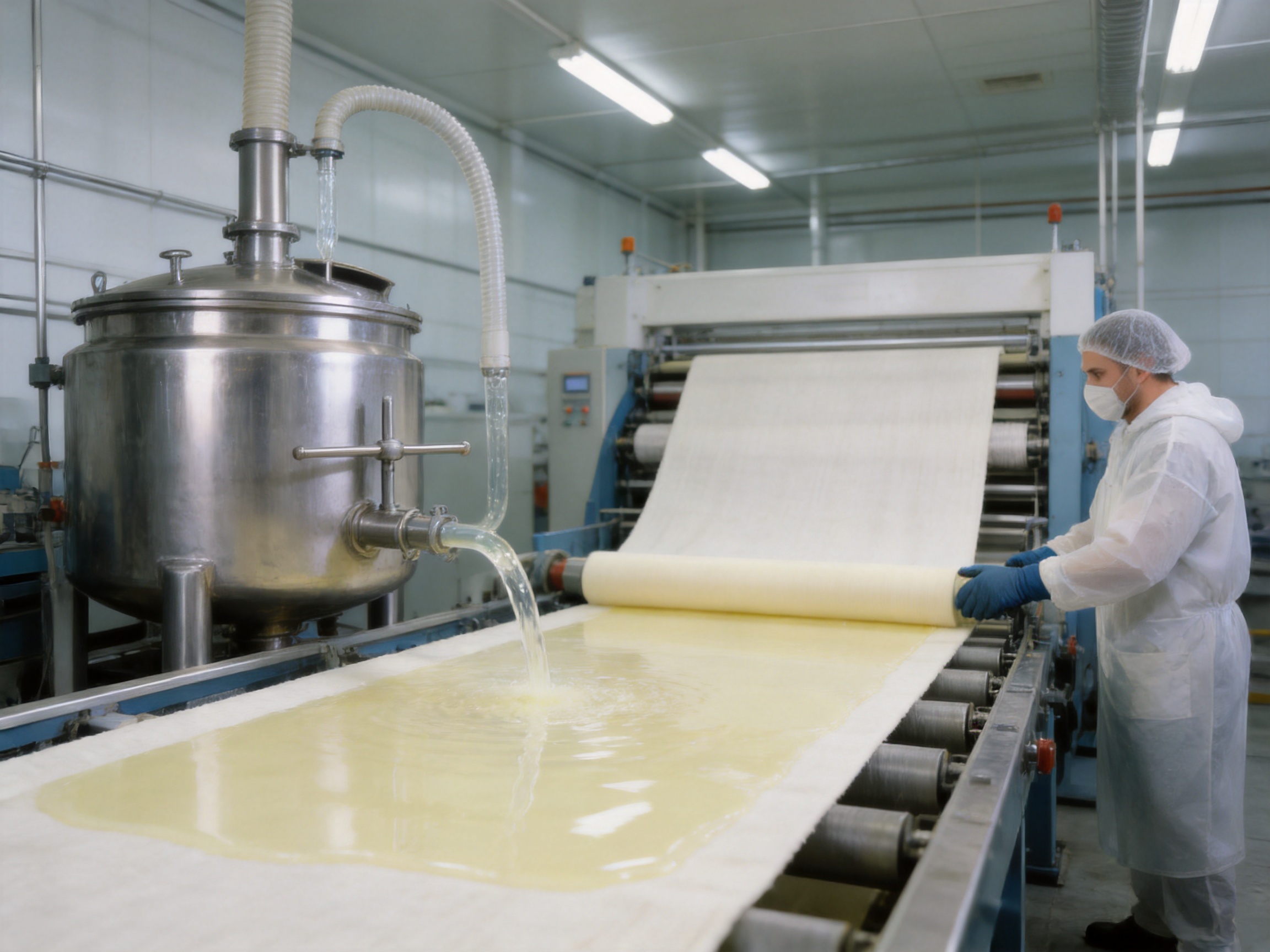
HN-8100 should be compared with alternative products according to the customer’s actual performance requirements rather than by price alone. The most relevant comparison is often between a specialized, concentrated silicone softener and a conventional softening agent that provides only a basic reduction in harshness.
8.1 Broader Sensory Profile
Many basic softeners can make a fabric feel less harsh, but they may not deliver the combination of fluffiness, resilience, fine softness, and smoothness required for premium textiles. HN-8100 is designed around a more detailed sensory profile. This can help mills create a stronger product identity for fabrics where touch influences purchasing decisions.
8.2 Concentration and Handling Efficiency
With an active content of 70% or higher, HN-8100 is a concentrated material. Compared with a low-active, ready-diluted product, a concentrated softener may reduce the amount of water transported and stored per unit of active ingredient. It can also give the mill more control over working concentration and application method.
8.3 Versatility Across Synthetic Materials
The product is recommended for polyester/cotton blends, acrylic, lace, brushed fabrics, polyester yarn, and other synthetic fibers. This range can simplify purchasing and inventory management for mills that process multiple synthetic or blended products. A single core softener may be evaluated across several product lines, subject to compatibility and performance trials.
8.4 Support for Different Application Routes
Compatibility with both exhaustion and padding processes is another practical advantage. A product limited to one application route may require mills to stock different softeners for batch and continuous production. HN-8100 offers a basis for evaluation in both systems, although the formulation and dosage must be optimized for each route.
8.5 Manufacturing and Technical Support
A textile chemical supplier’s value includes more than the liquid inside the drum. Technical documentation, laboratory support, customized recommendations, production scale, and quality consistency can reduce the risk of introducing a new auxiliary. Jiangyin Huanan’s stated R&D, laboratory, production, and quality-control capabilities strengthen the overall proposition of HN-8100.
Evaluation factor | Potential advantage of HN-8100 | What customers should verify |
Hand feel | Fluffy, resilient, fine, and smooth sensory profile | Panel evaluation and objective fabric testing |
Concentration | 70% or higher active content | Certificate of analysis and batch consistency |
Substrate range | Suitable for several synthetic and blended textiles | Compatibility on each customer fabric |
Application flexibility | Exhaustion and padding recommendations | Optimal recipe for each machine and process |
Supplier capability | R&D, laboratory, production scale, and customization | Technical audit, samples, and quality agreement |
9. Environmental and Compliance Considerations
Textile brands and supply chains increasingly require auxiliaries that support environmental and social compliance programs. The company describes its formulations as eco-friendly, APEO-free, and formaldehyde-free, and identifies compliance support related to international environmental and management standards, including OEKO-TEX, ISO 14001, and ISO 45001.
These statements should be interpreted as part of a broader compliance process. The exact status of a product must be confirmed through current technical documentation, safety data, restricted-substance declarations, test reports, and customer-specific requirements. Textile mills should request the applicable documentation for the supplied batch and verify whether the product meets the requirements of the intended market.
APEO-free formulations are important because certain alkylphenol ethoxylates and related substances are restricted or closely controlled in many textile supply chains. Formaldehyde-free positioning is also relevant where brands impose limits on released or residual formaldehyde. However, the compliance status of the complete textile article depends on every chemical used during processing, not only the silicone softener.
Environmental management also includes manufacturing practices. ISO 14001 is associated with environmental management systems, while ISO 45001 concerns occupational health and safety management. These systems can support structured control of environmental impacts, workplace risks, training, emergency response, and continuous improvement. They do not replace product-specific testing, but they indicate a formal approach to responsible operations.
10. Quality Control and Recommended Evaluation Program
Before introducing HN-8100 into full-scale production, textile mills should carry out a structured evaluation. The evaluation should begin with product identity and physical inspection. Appearance, odor, pH, viscosity if applicable, active content, and dilution behavior can be compared with the supplier’s specification and certificate of analysis.
The next stage should assess process behavior. The product should be diluted using the intended water quality and evaluated for uniformity, fluidity, short-term stability, and compatibility with the planned auxiliary package. If the mill uses an automatic dosing system, the diluted product should be tested for pumpability and consistent delivery.
Fabric trials should include representative materials rather than only one easy-to-finish sample. For example, a mill may evaluate a polyester/cotton blend, an acrylic fabric, a brushed synthetic fabric, lace, and polyester yarn where relevant. Each substrate should be processed under controlled conditions, with an untreated or existing-standard control for comparison.
Hand evaluation can include trained panel assessment for softness, smoothness, fullness, fluffiness, resilience, slipperiness, and surface cleanliness. Where available, objective tests can assess bending length, compression recovery, coefficient of friction, surface roughness, air permeability, absorbency, and laundering durability. The selected tests should match the intended end use.
Evaluation stage | Recommended checks |
Incoming product inspection | Appearance, pH, active content, batch identity, and documentation |
Dilution study | Uniformity, fluidity, short-term stability, and water compatibility |
Process trial | Exhaustion or padding behavior, bath stability, and machine performance |
Fabric hand assessment | Softness, smoothness, fluffiness, resilience, and surface feel |
Performance testing | Laundering durability, absorbency, shade, whiteness, and physical properties |
Production validation | Repeatability across batches, operators, machines, and fabric lots |
Durability testing is important because a very soft initial hand may not remain after washing. The customer should determine whether the desired effect must survive one laundering cycle, several home-laundry cycles, industrial washing, dry cleaning, or other end-use conditions. The right dosage is therefore the lowest concentration that achieves the required performance without creating unwanted side effects.
11. Storage, Packaging, and Logistics
HN-8100 is supplied in 115 kg, 180 kg, or 900 kg plastic drums. These package sizes can serve different customer profiles. Smaller drums may suit sampling, smaller production lines, or distributors serving multiple users. Larger drums can reduce packaging frequency and handling effort for high-volume textile mills.
The product should be stored in a cool, well-ventilated warehouse. The stated shelf life is six months. Storage areas should protect the containers from excessive heat, direct sunlight, freezing conditions, contamination, and physical damage. Containers should remain properly closed when not in use, and the oldest approved stock should normally be used first.
Before using a stored product, the customer should inspect the container and material for abnormal separation, coagulation, contamination, or changes in appearance. If any unusual condition is observed, the material should be isolated and evaluated according to the customer’s quality procedure. Re-mixing or reprocessing should not be performed without technical guidance.
Packaging and logistics also influence the total cost of a textile auxiliary. Concentrated products can reduce the number of units required to deliver a given amount of active ingredient, while multiple package sizes can help customers match purchasing volume to production demand. The correct package should be selected based on consumption, storage capacity, dosing equipment, and local transport requirements.
12. Safe Handling and Responsible Use
All textile chemicals should be handled in accordance with the current safety data sheet, local regulations, and site-specific chemical-management procedures. Operators should receive appropriate training in personal protective equipment, spill response, container handling, ventilation, and waste management.
The preparation method for the diluted emulsion involves acid and mechanical mixing. Operators should verify the identity and concentration of the acid, follow the approved addition sequence, and use equipment designed for the expected shear and batch volume. Safety interlocks, guarding, emergency stop systems, and suitable ventilation should be checked before production.
Water addition and agitation should be controlled to prevent splashing, uncontrolled foaming, or local instability. The process should be monitored by trained personnel, particularly during initial scale-up or after changes to raw materials and equipment. Written batch records should document quantities, times, temperatures where applicable, operator identity, and quality observations.
Good chemical stewardship continues after the product reaches the textile mill. Accurate dosing reduces waste and helps maintain reproducibility. Proper cleaning of tanks, lines, pumps, and padding equipment can reduce cross-contamination. Wastewater and empty packaging should be managed under the site’s environmental procedures and applicable laws.
13. How to Optimize HN-8100 in Production
13.1 Start with a Controlled Dosage Study
Rather than selecting the highest recommended dosage immediately, mills should prepare a stepwise dosage ladder. For example, a low, medium, and high level can be compared on the same fabric using the same process conditions. This approach helps identify the point at which softness improves significantly and the point at which additional product produces little extra benefit.
13.2 Control pH and Water Quality
Bath pH and water hardness can influence the behavior of textile auxiliaries. The product has a listed pH value of 5–6, but the final bath should be adjusted and verified according to the complete recipe. Water containing high levels of hardness, metals, or suspended solids may affect dispersion and fabric appearance.
13.3 Confirm Compatibility
HN-8100 should be tested with dyes, resins, hydrophilic agents, anti-static agents, brighteners, crosslinking systems, and other finishing auxiliaries used on the same article. Compatibility should be assessed not only visually but also after storage, agitation, heating, and actual machine circulation.
13.4 Match the Process to the Fabric
Fabric construction determines how the softener is distributed and retained. A dense woven fabric may require different wet pickup and drying conditions from an open knitted structure. Brushed fabrics may need conditions that preserve loft, while lace may need gentle mechanical treatment. Production parameters should be developed by fabric family rather than copied without adjustment.
13.5 Monitor Long-Term Consistency
Once a recipe is approved, mills should continue monitoring production lots. Periodic checks can include appearance, hand, pH, dosage records, bath stability, shade, and customer feedback. Long-term data help distinguish normal process variation from raw-material or equipment problems.
14. Why Supplier Selection Matters
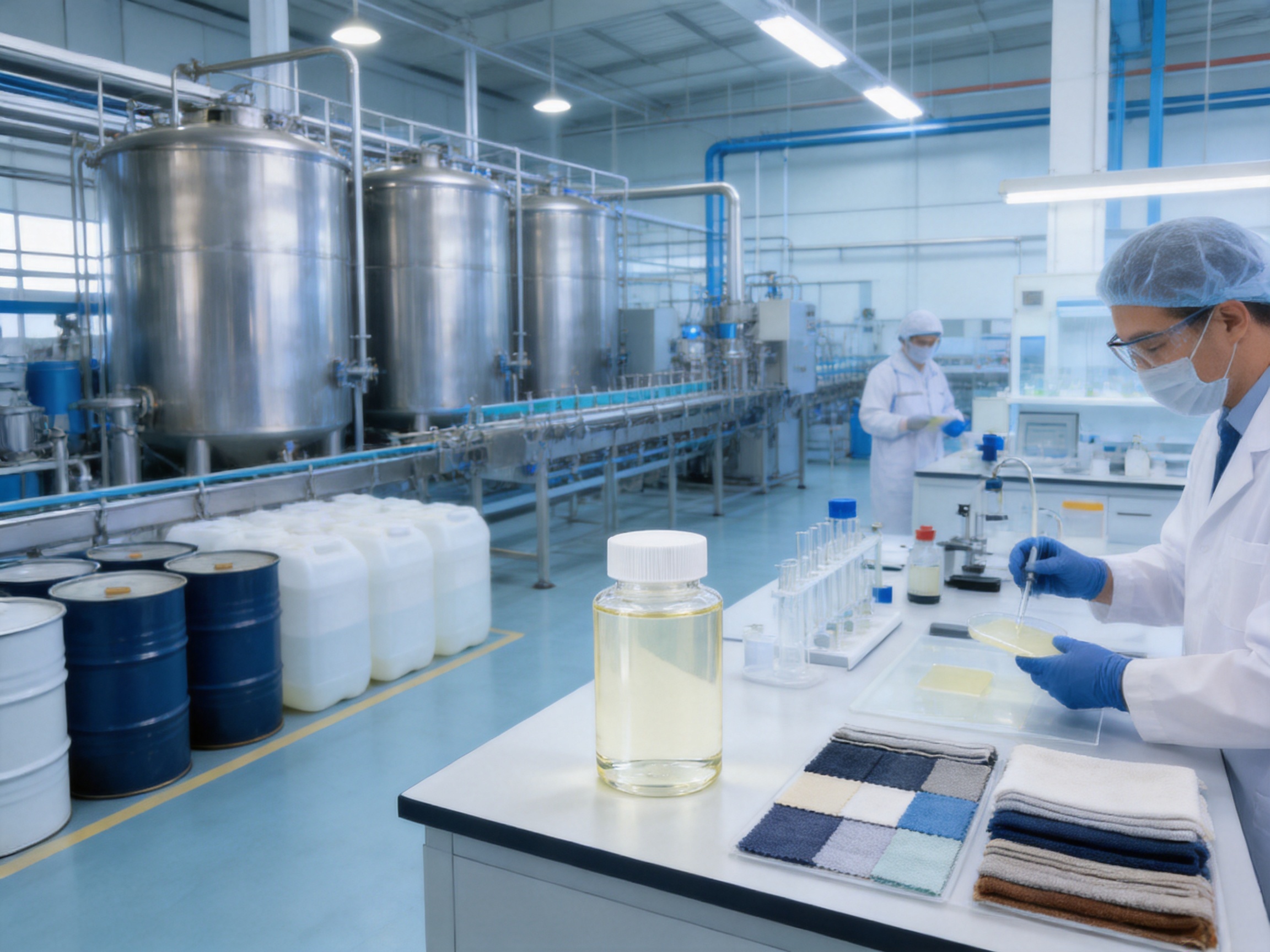
The choice of a silicone softener is also a choice of technical partner. Textile manufacturers need reliable communication when a fabric hand must be adjusted, when a new fiber blend is introduced, or when a customer changes a restricted-substance requirement. A supplier with experience in pre-treatment, dyeing, and finishing auxiliaries can often understand these challenges in the context of the entire textile process.
Jiangyin Huanan’s product portfolio includes moisture-wicking finishing agents, repairing agents, low-temperature carriers, silicone oils and silicone softeners, anti-static agents, color-fixing agents, stiffening agents, down-proof and windproof agents, and dry and wet rubbing fastness enhancers. This wider portfolio can make it easier to develop coordinated finishing systems rather than purchasing every auxiliary from an unrelated source.
An integrated supply network can also support availability and project coordination. Customers should still establish clear requirements for lead time, packaging, batch documentation, technical service, product change notification, and complaint handling. A written quality agreement can define acceptance criteria and responsibilities for both sides.
The company’s stated focus on quality, consistency, value, customized solutions, and long-term partnerships is aligned with the needs of textile producers that want more than a spot purchase. For HN-8100, the combination of product specialization and broader manufacturing capability can be particularly relevant to mills serving multiple textile segments.
15. Commercial Applications and Market Positioning
Softness is a major selling point in apparel, home textiles, accessories, and selected technical textile products. A fabric that feels smooth, fine, and resilient can be positioned as more comfortable, more premium, or more suitable for direct skin contact. This is especially relevant in competitive markets where visual appearance alone is not enough to distinguish similar polyester, acrylic, or blended fabrics.
HN-8100 may be considered for manufacturers producing knitted apparel, blended garments, brushed textiles, lace products, synthetic yarns, and fabrics intended to provide a soft and pleasant touch. The exact commercial claim should be based on validated performance and the customer’s own testing program.
For distributors, the product offers a concentrated silicone softener with a clear application profile and several target substrates. Distributors can support customers by providing sample quantities, dilution guidance, technical data, and recommended trial conditions. They should avoid presenting general application ranges as guaranteed results because fabric and process variables can significantly alter the final hand.
For textile mills, the commercial benefit may come from reducing the number of separate softening products needed for synthetic and blended goods, improving the sensory quality of finished articles, and obtaining technical support from a supplier with a wider auxiliary portfolio.
16. Limitations and Practical Points to Consider
No finishing auxiliary is universally optimal for every textile article. HN-8100 is designed for softness, smoothness, fluffiness, and resilience, but some applications may require a different balance. For example, a moisture-management fabric may need a hydrophilic softener, while a high-performance sports textile may require strict control of absorbency and wicking.
Silicone treatment can also influence dye shade, rewetting, sewability, friction, surface appearance, and subsequent coating or printing. These effects depend on chemistry and dosage. Mills should therefore assess the complete performance profile instead of selecting a product solely because it produces a soft initial hand.
The recommended preparation procedure is a technical starting point, not a substitute for process validation. Different kettles, impellers, scrapers, water qualities, and raw materials may require adjustments. Scale-up should be gradual, with laboratory, pilot, and production confirmation whenever practical.
Finally, environmental claims should be supported by current documentation. APEO-free and formaldehyde-free positioning can be valuable, but buyers should confirm the applicable product declaration, test method, and market standard. Responsible procurement requires evidence, traceability, and continuous review.
17. Frequently Asked Questions
Q1. What is Extra-Soft Silicone Oil HN-8100?
HN-8100 is a concentrated silicone softener for textile finishing. It is a transparent yellow liquid with weakly cationic ionicity, an active content of 70% or higher, and a pH value of 5–6. It is designed to provide a fluffy, resilient, fine, and smooth hand.
Q2. Which fabrics are suitable for HN-8100?
The product is recommended for polyester/cotton blends, acrylic fabrics, lace, brushed fabrics, polyester yarn, and other synthetic-fiber textiles. Each fabric should be tested because construction, weight, dyeing history, and finishing conditions affect the final result.
Q3. Can HN-8100 be used in both batch and continuous finishing?
Yes. The supplied technical information gives guidance for both exhaustion and padding processes. Exhaustion is recommended at 0.6–3% of the diluted solution, while padding is recommended at 0.6–30 g/L of the diluted solution. The solution is diluted at a ratio of 1:3 before application.
Q4. What hand effect can customers expect?
The intended effect combines light fluffiness and resilience, fine softness similar to a delicate skin feel, and a smooth, refreshing surface. The exact effect depends on dosage, fabric type, bath conditions, drying, mechanical treatment, and the other auxiliaries in the recipe.
Q5. Why is the product supplied in concentrated form?
The active content of 70% or higher allows customers to prepare working dilutions according to their own application process. Concentrated products may reduce water handling and transport requirements compared with highly diluted products, while providing flexibility for different fabric categories.
Q6. How is the diluted emulsion prepared?
The described method uses HN-8100 silicone oil and acid in a 970 kg to 30 kg ratio for the stated batch. The mixture is stirred, 300 kg of water is added at once, and further water is added at approximately 100 kg per 10 minutes. After around 40 minutes of stirring and confirmation of uniformity and good fluidity, the remaining water is added at once.
Q7. What equipment is recommended for preparation?
A 3-ton dispersion kettle with a scraper is specified. The rotation speed should be set as high as possible while maintaining safe operation and protecting the equipment. Any change in equipment or batch scale should be validated because mixing conditions affect emulsion quality.
It can be considered for premium textiles where softness, smoothness, surface refinement, and resilience are important. The product should be evaluated using sensory panels and objective testing appropriate to the customer’s end use before making a commercial claim.
Q9. Is the product environmentally compliant?
The company describes its formulations as eco-friendly, APEO-free, and formaldehyde-free, and identifies support for international environmental and management requirements. Customers should request current product documentation and verify compliance with their own restricted-substance lists and market standards.
Q10. How should HN-8100 be stored?
It should be stored in a cool, well-ventilated warehouse, protected from excessive heat, direct sunlight, contamination, and physical damage. The stated shelf life is six months. Containers should remain closed when not in use.
Q11. What package sizes are available?
The available packaging information lists 115 kg, 180 kg, and 900 kg plastic drums. The appropriate size depends on consumption, storage capacity, transport conditions, and dosing arrangements.
Q12. Does the product replace every other textile finishing auxiliary?
No. HN-8100 is a silicone softener focused on hand modification. A complete textile recipe may also require moisture-wicking, anti-static, color-fixing, stiffening, water-repellent, fastness-enhancing, or other specialized auxiliaries.
Q13. What makes the manufacturer suitable for long-term supply?
Jiangyin Huanan New Materials Technology Co., Ltd. was established in 1984, operates two production plants, and reports annual production capacity of 60,000 tons. It also describes in-house laboratory and R&D capabilities, customized formulation services, standardized production, strict quality control, and an integrated supply network.
Q14. Should a laboratory trial be conducted before production?
Yes. A laboratory or pilot trial should evaluate dilution, compatibility, dosage, hand, shade, absorbency, surface appearance, and durability. The approved recipe should then be validated on production equipment before routine commercial use.
18. Conclusion
Extra-Soft Silicone Oil HN-8100 is designed for textile manufacturers that need more than basic softening. Its target performance combines fluffy resilience, delicate softness, and smooth surface comfort across polyester/cotton blends, acrylic, lace, brushed fabrics, polyester yarn, and other synthetic textiles.
The product’s 70% or higher active content, weakly cationic character, mildly acidic pH, and compatibility with exhaustion and padding processes provide a practical foundation for textile finishing operations. The available preparation procedure also gives professional users a structured method for producing a diluted emulsion with controlled water addition and high-shear dispersion.
Its competitive value is strengthened by the manufacturing capabilities of Jiangyin Huanan New Materials Technology Co., Ltd. The company’s long industry history, two production plants, reported annual capacity of 60,000 tons, in-house laboratory, R&D team, customized formulation capability, standardized manufacturing, and quality-control focus support a broader supplier proposition.
As with any finishing chemical, final performance must be confirmed on the customer’s own fabrics and equipment. Careful dosage selection, pH control, compatibility testing, storage management, and production validation are essential. When properly evaluated and applied, HN-8100 can help textile mills create a refined hand, improve product differentiation, and meet the increasing demand for soft, comfortable, and responsibly manufactured textiles.
References
1. Technical product information supplied for Extra-Soft Silicone Oil HN-8100, including appearance, ionicity, active content, pH, applications, packaging, and storage recommendations.
2. Technical preparation instructions for the diluted silicone emulsion, including component quantities, water-addition sequence, dispersion equipment, and mixing guidance.
3. Company information supplied for Jiangyin Huanan New Materials Technology Co., Ltd., including manufacturing history, production capacity, product portfolio, laboratory capability, R&D services, and quality-control approach.
4. International Organization for Standardization. ISO 14001, Environmental Management Systems—Requirements with Guidance for Use.
5. International Organization for Standardization. ISO 45001, Occupational Health and Safety Management Systems—Requirements with Guidance for Use.
6. OEKO-TEX Association. General principles for textile chemical and finished-product assessment.
7. General textile wet-processing references concerning silicone softeners, exhaustion finishing, padding application, fabric hand evaluation, and textile chemical compatibility.
Product: Extra-Soft Silicone Oil HN-8100


Contact us
huanannewmaterials@gmail.com
-
 Phone: +86 - 13861620767
-
 Fax: +86-0510-86200939
-
 298 Hongxing Road, Huashi Town, Jiangyin City, Wuxi City, Jiangsu Province, China
Product links
Mobile App
Copyright © Jiangyin Huanan New Materials Technology Co., Ltd. All Rights Reserved

-
huanannewmaterials@gmail.com
-

-

-
+86 - 13861620767