


 English
 中文简体

Advanced Windproof and Anti-Down Finishing for High-Density Textiles
Content
- 1 1. The Role of Windproof and Anti-Down Finishing
- 2 2. Product Composition and Working Principle
- 3 3. Main Performance Advantages
- 4 4. Suitable Fabric Types and End Uses
- 5 5. Recommended Application Process
- 6 6. Compatibility and Formulation Management
- 7 7. Competitive Advantages Compared with Conventional Approaches
- 8 8. Manufacturing Strengths of Jiangyin Huanan New Materials Technology Co., Ltd.
- 9 9. Environmental and Compliance Considerations
- 10 10. Storage, Handling, and Production Safety
- 11 11. Quality Evaluation and Testing
- 12 12. Process Optimization for Textile Mills
- 13 13. Commercial Value for Manufacturers
- 14 14. Frequently Asked Questions
- 14.1 Q1: What is Windproof Finishing Agent HN-303?
- 14.2 Q2: Which fabrics are suitable for HN-303?
- 14.3 Q3: What dosage should be used?
- 14.4 Q4: Can HN-303 be mixed with other auxiliaries?
- 14.5 Q5: Does HN-303 make the fabric stiff?
- 14.6 Q6: Can HN-303 be used on white and pale-colored fabrics?
- 14.7 Q7: Will HN-303 reduce waterproof performance?
- 14.8 Q8: What calendering conditions are recommended?
- 14.9 Q9: How should the product be stored?
- 14.10 Q10: What packaging is available?
- 14.11 Q11: What makes the manufacturer suitable for international textile customers?
- 14.12 Q12: Can the formulation be customized?
- 15 15. Conclusion
- 16 References
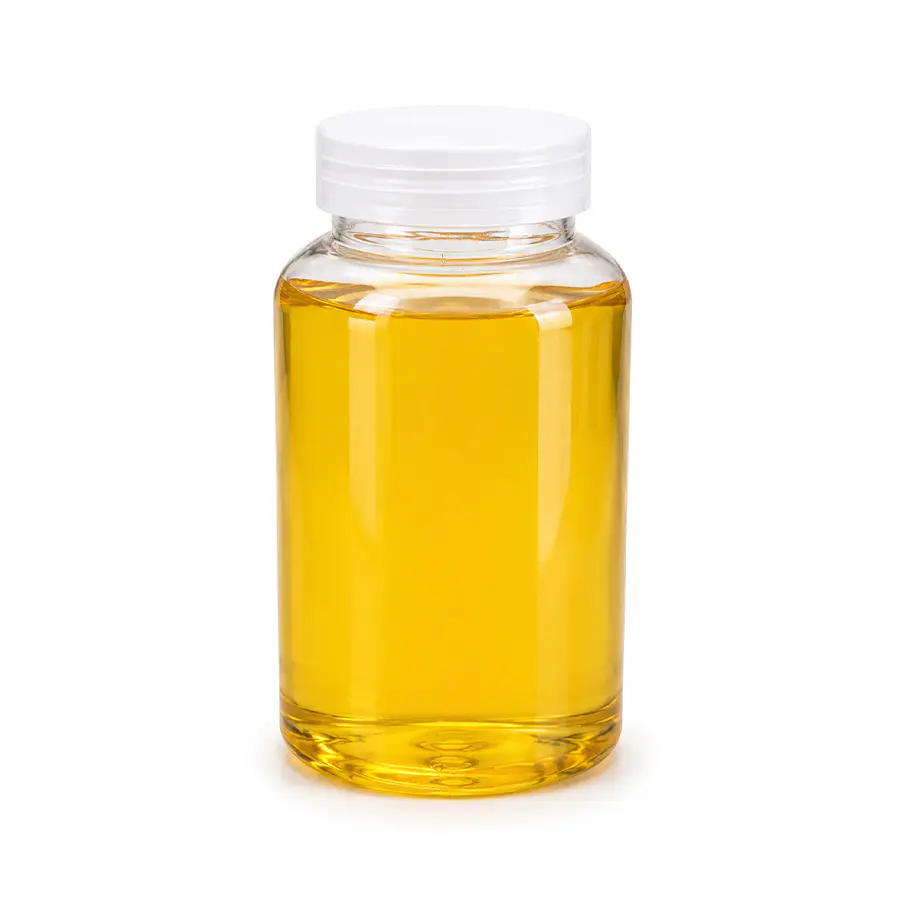
- 17 Product: Windproof Finishing Agent HN-303
Windproof and anti-down performance has become increasingly important in the production of lightweight outerwear, down jackets, quilts, sleeping bags, workwear, sportswear, and other technical textile products. Consumers expect these fabrics to block cold air, retain warmth, prevent feather leakage, maintain a comfortable hand feel, and preserve their appearance after finishing. At the same time, textile manufacturers must achieve these results without creating excessive stiffness, reducing breathability, changing fabric shade, damaging whiteness, or interfering with water-repellent performance.
Windproof Finishing Agent HN-303 is a specialized finishing auxiliary developed for these demanding requirements. It is designed for polyester, nylon, blended fabrics, high-count fabrics, high-density fabrics, and other textile constructions where reduced air permeability and reliable anti-down performance are essential. Its formulation is based on a special high-molecular polymer complex that forms a dense cross-linked film on the fiber surface. This film helps close microscopic gaps between fibers while remaining sufficiently soft to protect the original fabric hand.
Unlike conventional stiffening or coating approaches, HN-303 is intended to provide functional protection without making the textile feel excessively hard, plastic-like, or uncomfortable. It can reduce air permeability, improve windproof performance, and help prevent down and fine feathers from poking through the fabric. At the same time, the product is formulated to have minimal influence on shade and whiteness and does not adversely affect waterproof performance when used under suitable process conditions.
This article examines the product’s formulation characteristics, functional benefits, application technology, manufacturing strengths, quality-control considerations, and competitive value. It also explains how Jiangyin Huanan New Materials Technology Co., Ltd. supports the product through integrated research and development, standardized production, application guidance, and customized textile chemical solutions.
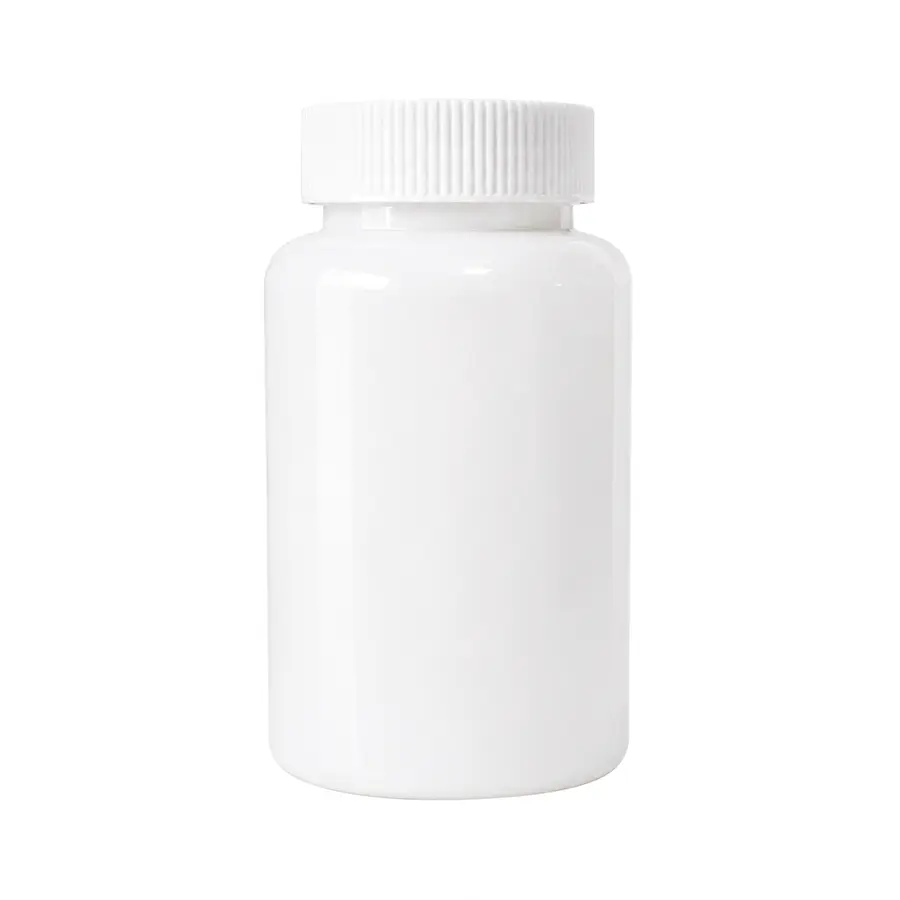
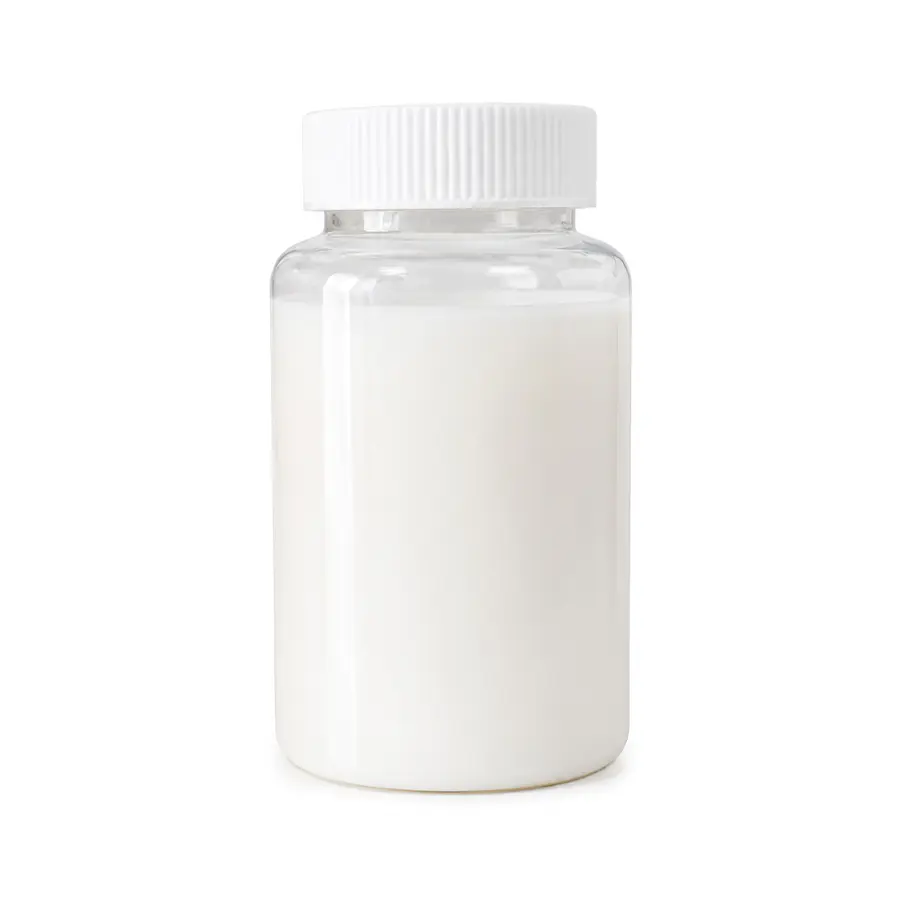
Windproof Finishing Agent HN-303
1. The Role of Windproof and Anti-Down Finishing
Down-filled products depend on the performance of both the filling material and the shell fabric. High-quality down can provide excellent thermal insulation, but its effectiveness is reduced if cold air passes easily through the fabric. Fabric that allows excessive air exchange may also permit fine down fibers or feathers to migrate through the construction. This can create visible leakage, reduce product durability, and negatively affect the consumer experience.
The shell fabric must therefore perform several functions at once. It needs to restrict the passage of air, retain down, maintain an attractive appearance, support comfortable wear, and often provide water resistance or waterproof performance. These requirements are not always easy to balance. A very dense fabric construction may improve wind resistance but can increase weight, cost, or stiffness. A strong surface film may reduce air permeability but may also interfere with softness, color, moisture management, or subsequent processing.
A suitable finishing agent provides a practical way to enhance the performance of an existing fabric construction. By depositing a controlled functional layer on the fiber surface, the finish can reduce the size and continuity of air channels within the textile. The objective is not simply to make the fabric rigid or to cover it with a heavy coating. The objective is to create a uniform, flexible, and durable barrier that works in combination with the yarn structure and fabric density.
HN-303 has been developed for this type of functional finishing. It is especially suitable where manufacturers want to improve windproof and anti-down properties while preserving a soft textile character. Its application can be adjusted according to yarn count, fabric density, construction, target air permeability, and end-use requirements.
2. Product Composition and Working Principle
2.1 High-Molecular Polymer Film Formation
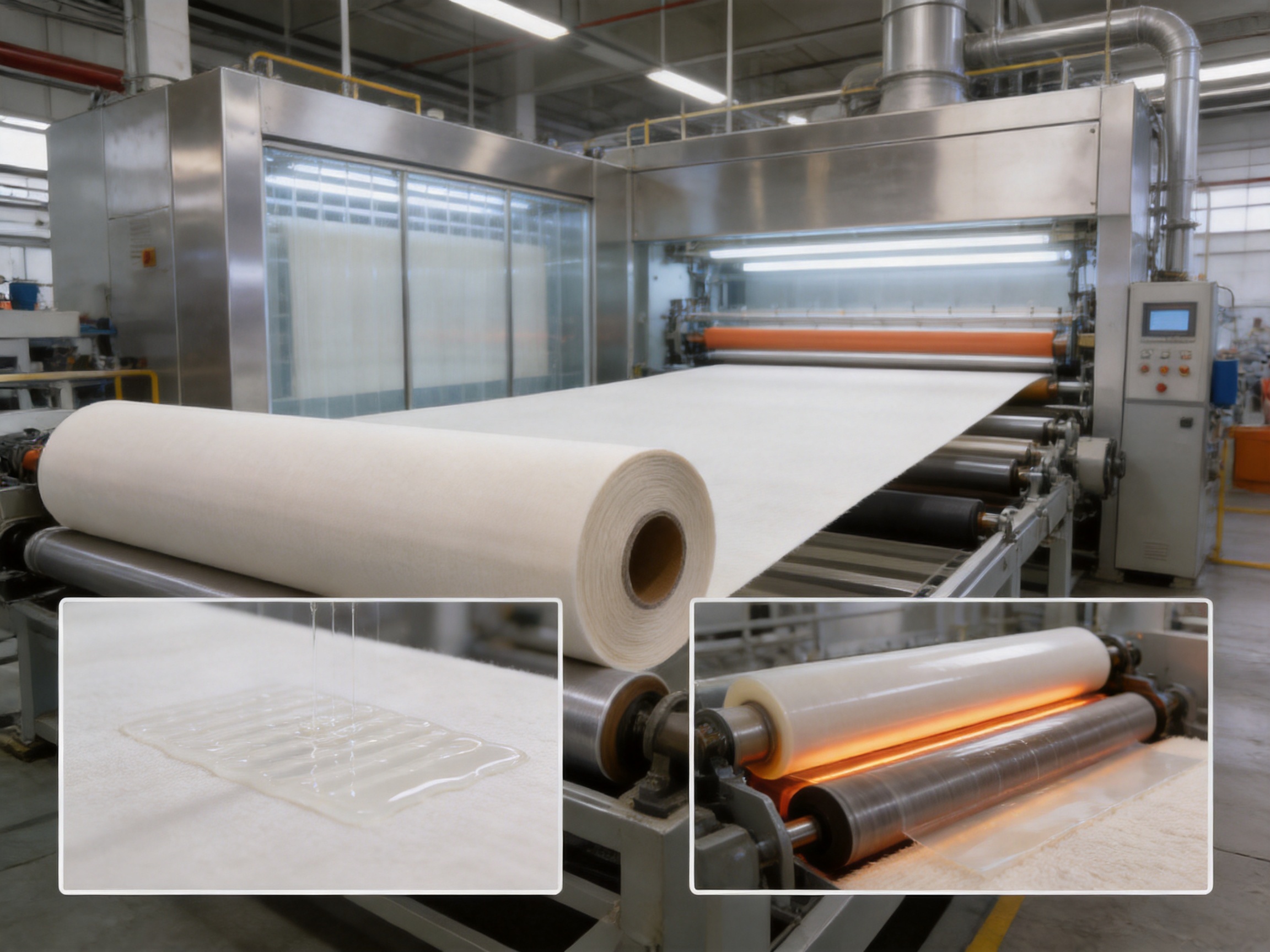
HN-303 is described as a new type of special high-molecular polymer complex. During the finishing process, the product is applied to the fabric surface through padding and then subjected to setting and calendering. The polymer system forms a dense cross-linked film around and between the fibers. This film helps reduce the open pathways through which air and loose down fibers can travel.
The cross-linked structure is important because a simple surface deposit may not provide sufficient cohesion or functional stability. A properly formed polymer network can offer a more continuous barrier while retaining flexibility. The product is designed to create a film that is dense enough to contribute to windproof performance but soft enough to avoid an undesirable rigid hand.
The final result depends on several variables, including product dosage, fabric construction, drying and setting conditions, calendering pressure, roller temperature, fabric moisture, and the compatibility of other auxiliaries in the bath. For this reason, HN-303 should be considered a process-oriented finishing solution rather than a standalone chemical that delivers identical results on every fabric.
2.2 Special Fatty Compound
The main component is identified as a special fatty compound. This component contributes to the product’s soft surface character and helps support the balance between functional film formation and textile comfort. The formulation is intended to avoid the harsh or overly boardy hand that can occur with some heavily crosslinking or stiffening systems.
Maintaining softness is particularly important for down garments and lightweight shell fabrics. These products are commonly compressed, folded, packed, or worn directly against other layers. A hard finish can make the fabric noisy, uncomfortable, and less attractive. HN-303 is formulated to support windproof and anti-down performance while maintaining a more natural fabric feel.
2.3 Ionicity and Bath Compatibility
HN-303 is weakly cationic and is easily dispersible in water. It is compatible with non-ionic and weakly cationic auxiliaries under suitable formulation conditions. However, it should not be used in the same bath with anionic auxiliaries. This compatibility requirement is essential because ionic interactions can lead to instability, precipitation, uneven deposition, or reduced finishing performance.
Before production, the finishing department should review all products planned for the same bath. Softening agents, water-repellent products, antistatic agents, wetting agents, and other auxiliaries should be evaluated through laboratory compatibility testing. A small-scale trial can help identify changes in bath appearance, viscosity, emulsion stability, fabric handle, shade, and final performance.
The approximate pH value of a one-percent aqueous solution is 6. This moderately mild pH can be advantageous for finishing processes that require controlled conditions and protection of sensitive dyes or fibers. Nevertheless, the actual production bath should be managed according to the complete recipe and the requirements of the specific fabric.
3. Main Performance Advantages
3.1 Effective Reduction of Air Permeability
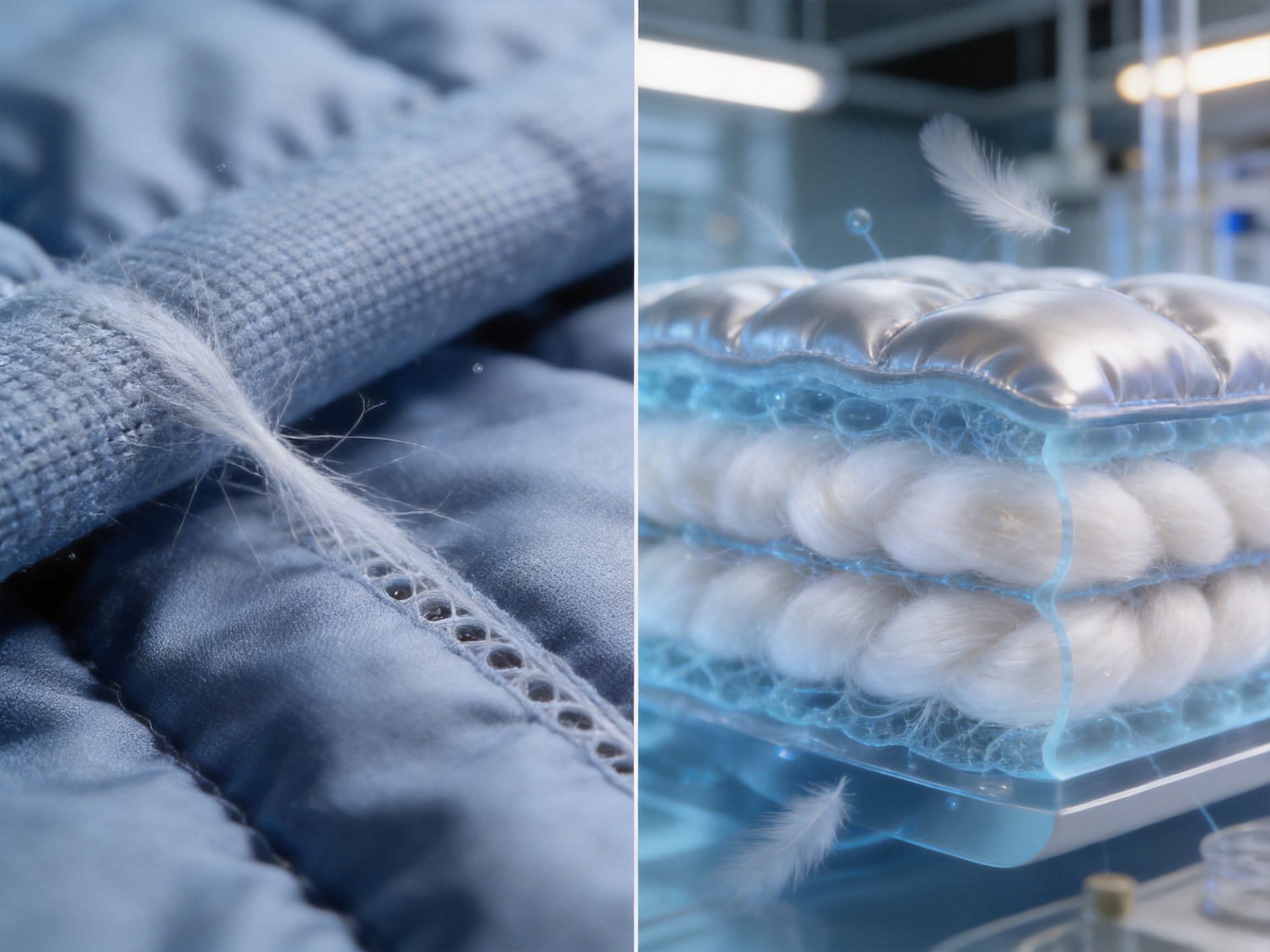
The principal function of HN-303 is to reduce fabric air permeability and improve windproof performance. According to the supplied product information, treated fabrics can achieve an air permeability level between 20 and 30 under relevant testing conditions, while anti-down performance can reach below 12 counts. Actual results depend on the fabric construction, dosage, finishing equipment, and test method, so production targets should be confirmed through laboratory and pilot trials.
Lower air permeability helps the shell fabric resist the passage of cold air. This can improve perceived warmth when the textile is used in outerwear or insulated products. The finish is especially useful for high-count and high-density materials that already provide a suitable structural foundation but require additional performance enhancement.
Because the product works at the fiber surface, it can complement rather than replace careful fabric construction. A balanced approach involving yarn selection, weave or knit structure, fabric density, finishing dosage, and calendering can provide a more reliable result than relying excessively on any single factor.
3.2 Reliable Anti-Down Protection
Down and fine feather leakage is a significant quality concern in padded products. Even small fibers can migrate through microscopic gaps, particularly when the garment is repeatedly compressed, washed, handled, or exposed to movement. HN-303 forms a dense surface film that helps reduce these passageways and supports improved down retention.
The anti-down effect is valuable for down jackets, quilts, sleeping bags, pillows, blankets, and other filled articles. It can help reduce the occurrence of feather tips appearing on the outer surface and can support a cleaner, more consistent appearance throughout the product’s service life.
Anti-down performance should always be evaluated using the relevant product standard and test method. The final result is influenced by fabric construction, filling type, needle and seam design, garment assembly, washing conditions, and mechanical stress. HN-303 addresses the fabric surface component of this broader performance system.
3.3 Soft Hand Feel
One of the most important advantages of HN-303 is its focus on maintaining softness. Some conventional methods for improving wind resistance involve heavy coating, excessive resin deposition, or strong stiffening. These approaches may lower air permeability but can create an unpleasant hand, reduce drape, and make the fabric noisy during movement.
HN-303 is designed to produce a soft functional film. When the dosage and finishing conditions are properly selected, the textile can obtain improved windproof and anti-down performance without a severe loss of flexibility. This balance is particularly valuable for lightweight fabrics, premium apparel, sportswear, and products where comfort is a major purchasing factor.
3.4 Limited Influence on Shade and Whiteness
Color consistency is essential in textile finishing. A finishing auxiliary that significantly changes shade, yellowness, brightness, or whiteness can create additional correction work and reduce production efficiency. HN-303 is designed to have minimal impact on shade and whiteness when applied under suitable conditions.
This feature is relevant to both colored and white fabrics. On dyed fabrics, reduced shade influence can help preserve the intended color tone. On white or pale fabrics, limited impact on whiteness can support a clean and high-quality appearance. Nevertheless, each fabric and dye system should be tested because performance can vary with pretreatment residues, dye chemistry, optical brighteners, and other finishing agents.
3.5 No Adverse Effect on Waterproof Performance
Many outerwear fabrics require both windproof and water-repellent or waterproof properties. A finishing agent that interferes with the water-repellent layer can cause wetting, reduced spray ratings, or unstable performance. HN-303 is designed not to affect waterproof performance adversely when it is correctly selected and applied.
This makes the product suitable for finishing systems in which windproofing and water protection must coexist. The complete recipe still needs to be evaluated, especially when HN-303 is combined with water-repellent products, softeners, or other surface-active auxiliaries. Correct order of addition, bath stability, curing, and calendering can all influence the final result.
4. Suitable Fabric Types and End Uses
4.1 Polyester Fabrics
Polyester is widely used in outdoor clothing, insulated garments, linings, quilts, and technical fabrics. Its dimensional stability and broad processing range make it a suitable substrate for HN-303. The finish can be applied to woven or appropriately constructed polyester fabrics where additional air-permeability control and anti-down protection are required.
4.2 Nylon Fabrics
Nylon fabrics are valued for strength, abrasion resistance, lightweight construction, and suitability for outdoor applications. They are frequently used in down jackets, sleeping bags, sportswear, and compact travel products. HN-303 can be used for windproof and anti-down finishing of nylon fabrics, subject to laboratory confirmation of shade, handle, dimensional stability, and compatibility with other auxiliaries.
4.3 Blended Fabrics
Blended fabrics may combine polyester or nylon with other fibers to achieve specific performance, comfort, or cost targets. Their mixed-fiber surfaces can respond differently to finishing agents, which makes process optimization important. HN-303 can be considered for blended fabrics containing polyester or nylon, with dosage and setting conditions adjusted according to the fiber ratio and construction.
4.4 High-Count and High-Density Fabrics
High-count and high-density textiles are common choices for down-proof shell materials because their construction already restricts the movement of filling fibers. HN-303 can further improve the performance of these fabrics by filling or narrowing microscopic surface pathways. The combination of a dense textile structure and a flexible polymer film can provide an effective route to low air permeability without relying on a heavy coating.
4.5 Principal End Uses
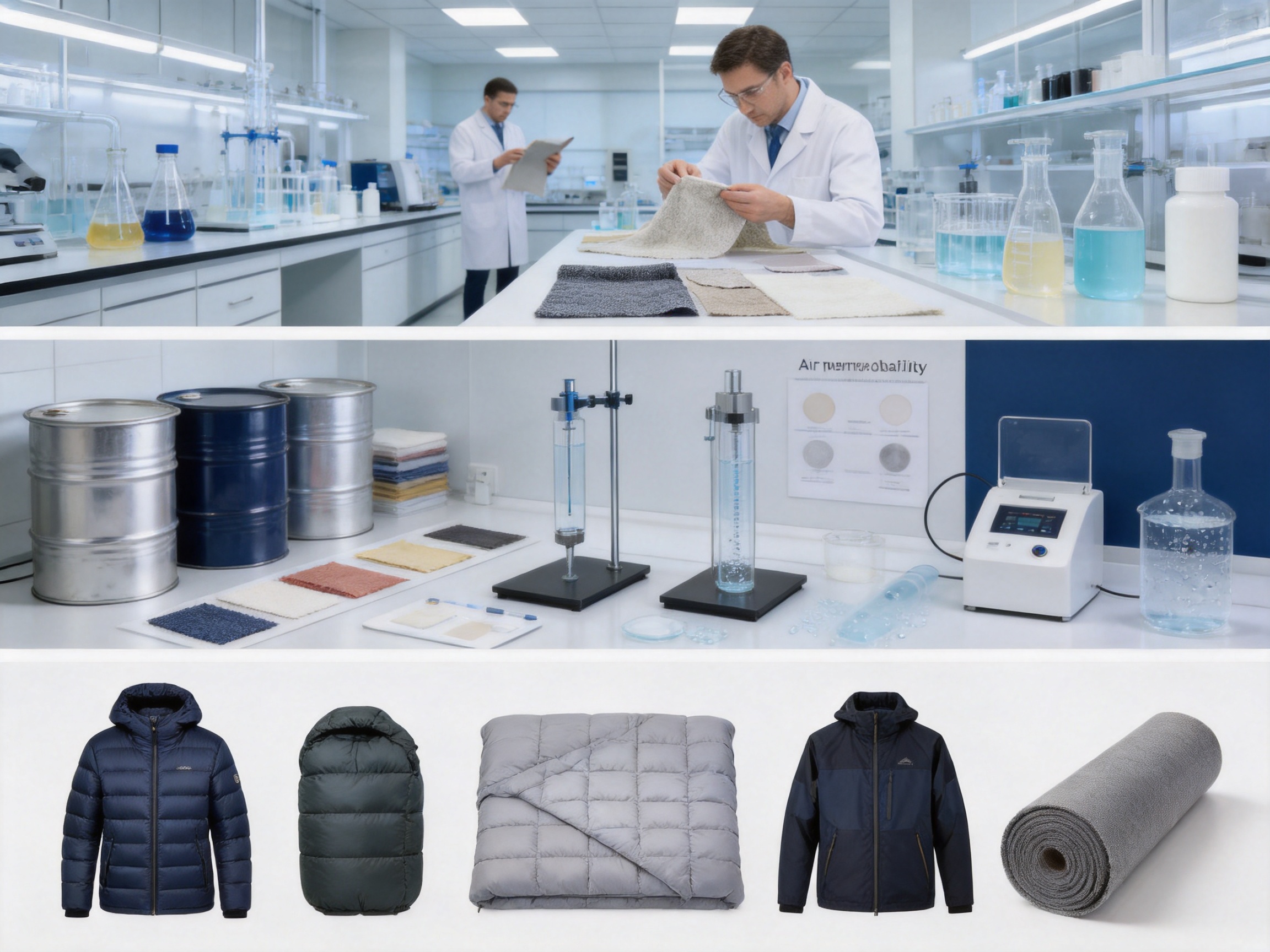
Typical applications include down jackets, padded coats, winter sportswear, outdoor garments, sleeping bags, quilts, blankets, pillows, lightweight windbreakers, and technical high-density fabrics. The product may also be evaluated for other applications where controlled air permeability and surface fiber retention are required.
The supplied information also notes that a separate windproof agent is available for cotton. HN-303 is primarily positioned for polyester, nylon, their blends, and related high-density constructions. Cotton and other cellulosic substrates should therefore be assessed with the appropriate product and application guidance.
5. Recommended Application Process
5.1 Dosage Range
The recommended application range is 50–200 grams per liter. The specific dosage depends on yarn count, fabric density, construction, target air permeability, and the required anti-down level. Lower dosages may be appropriate for relatively dense fabrics or moderate performance targets, while higher dosages may be considered for more open structures or stricter requirements.
Using the highest possible dosage is not necessarily the best approach. Excessive application can increase fabric weight, alter handle, create unevenness, increase drying requirements, and raise chemical cost. A structured laboratory trial should compare several dosage levels and evaluate air permeability, anti-down performance, softness, shade, whiteness, water repellency, and dimensional stability.
5.2 Padding
The recommended process begins with padding. The product is applied to dry fabric through a padding bath containing HN-303 at the selected concentration. Softener and other suitable auxiliaries may be included when required by the product specification and compatibility results.
Uniform wet pickup is important. Uneven padding can produce areas with different film thicknesses, resulting in variation in air permeability, hand feel, shade, or anti-down performance. Padding pressure, roller condition, fabric speed, bath level, and fabric tension should be controlled carefully. The production team should also prevent excessive foam and maintain a stable bath throughout the run.
5.3 Setting
After padding, the fabric proceeds to setting. The setting stage helps remove water and establish the distribution of the polymer system on the fiber surface. Temperature and residence time should be adapted to the fiber type, fabric construction, and equipment configuration.
Over-drying or excessive thermal exposure may affect color, hand feel, dimensional stability, or the performance of other finishing components. Insufficient drying may produce an uneven or incompletely formed film. The optimum conditions should be established through a controlled trial on the actual production equipment.
5.4 Calendering
Calendering is recommended one or two times after setting. The supplied process guidance indicates a calendering pressure of approximately 10 and a roller temperature of approximately 80–90°C. The exact settings should be interpreted according to the machine design, pressure units, fabric construction, and desired surface effect.
Calendering can help smooth the surface, compress the textile structure, and improve the continuity of the functional film. It may also contribute to lower air permeability and a more uniform appearance. Excessive pressure or temperature, however, can flatten the fabric excessively, change luster, reduce loft, or alter the intended hand. Process trials are therefore necessary before full-scale production.
5.5 Suggested Trial Design
A practical trial can include three or more HN-303 concentrations within the recommended range. Each sample should be processed at controlled pickup and tested after conditioning. The evaluation should include air permeability, anti-down performance, hand feel, shade change, whiteness, water repellency, fabric weight, and dimensional change.
If the fabric is intended for a filled product, additional testing should simulate real use. Samples can be subjected to rubbing, folding, compression, laundering, or filling-related mechanical stress. This helps determine whether the selected film remains effective after the physical conditions experienced during garment assembly and service.
6. Compatibility and Formulation Management
Because HN-303 is weakly cationic, it should be combined only with compatible auxiliaries. Non-ionic and weakly cationic products are generally the preferred partners. Anionic auxiliaries should not be used in the same bath because incompatibility may result in flocculation, bath instability, deposits on equipment, uneven fabric appearance, or reduced performance.
Production teams should prepare the bath in a controlled sequence. HN-303 should be diluted or dispersed as recommended by the technical department, and the bath should be mixed sufficiently before fabric entry. Other auxiliaries should be added only after compatibility has been verified. The bath should be observed for changes in color, viscosity, sediment, foam, and emulsion stability.
Compatibility testing should be carried out with the actual brands and concentrations planned for production. Two products may appear chemically similar but behave differently because of differences in active content, solvent system, pH, surfactant package, or ionic character. A short laboratory test can prevent costly production problems.
When a water-repellent agent or silicone softener is used together with HN-303, the complete performance package must be tested. The goal is to balance windproofness, anti-down protection, softness, water repellency, shade, and durability. In some cases, sequential application may be more appropriate than a single-bath process, depending on the fabric and the equipment available.
7. Competitive Advantages Compared with Conventional Approaches
7.1 More Balanced Than Heavy Stiffening
Traditional stiffening systems may reduce air movement by increasing fabric rigidity, but they can compromise drape and comfort. HN-303 seeks to deliver a denser surface barrier through polymer film formation rather than depending only on a hard, boardy handle. This provides a more balanced approach for products where softness and flexibility are commercially important.
7.2 More Suitable for Integrated Performance Requirements
Some finishing products are designed to solve only one problem. A windproof finish may reduce air permeability but interfere with water repellency. A softener may improve handle but weaken anti-down performance. A coating may create a strong barrier but reduce breathability and comfort. HN-303 is positioned as a multifunction-compatible windproof and anti-down solution that can be integrated with appropriate softening and other finishing systems.
7.3 Reduced Risk of Visual Changes
Minimal influence on shade and whiteness is a practical advantage over finishing systems that visibly alter the fabric. This can reduce the need for color correction and help maintain the appearance specified by the brand or garment manufacturer. It is particularly useful for white, pastel, and sensitive fashion colors.
7.4 Flexible Dosage for Different Constructions
The 50–200 grams per liter dosage range allows the finishing department to adjust the treatment according to the fabric. This flexibility can help manufacturers avoid applying the same heavy treatment to every construction. A more tailored dosage may improve cost control, preserve hand feel, and support more consistent performance across a product range.
7.5 Suitable for Modern Outdoor and Down Products
The product is aligned with the requirements of modern lightweight and high-performance textiles. Outdoor and down products increasingly demand low weight, compact construction, attractive appearance, soft touch, wind resistance, and water protection. HN-303 addresses several of these requirements within one finishing concept, making it a practical option for manufacturers seeking process efficiency and product differentiation.
8. Manufacturing Strengths of Jiangyin Huanan New Materials Technology Co., Ltd.
The reliability of a textile auxiliary depends not only on its formula but also on the manufacturer’s ability to control raw materials, production conditions, testing, packaging, technical support, and supply continuity. Jiangyin Huanan New Materials Technology Co., Ltd. was established in 1984 and is located in Jiangyin City, Jiangsu Province, China. The company specializes in the research, development, production, and sales of textile printing and dyeing auxiliaries.
The company operates two production plants and has an annual production capacity of 60,000 tons. This manufacturing scale can support both routine commercial orders and the supply requirements of larger textile processing groups. Production capacity is especially important for customers who need stable delivery, consistent batch quality, and the ability to expand an approved formulation from trial quantities to regular production.
8.1 Broad Product Portfolio
Jiangyin Huanan’s product range covers pre-treatment, dyeing, and finishing auxiliaries. Its portfolio includes moisture-wicking finishing agents, high-concentration repairing agents, low-temperature environmentally friendly carriers, silicone oils, silicone softeners, antistatic agents, color-fixing agents, stiffening agents, down-proof and windproof agents, and dry and wet rubbing fastness enhancers.
This broad portfolio gives the company an advantage when customers need more than one auxiliary for a complete textile recipe. Technical discussions can consider compatibility across pretreatment, dyeing, and finishing stages instead of evaluating each product in isolation. For manufacturers producing multiple fabric categories, a broad supplier portfolio can also simplify purchasing, technical communication, and quality management.
8.2 In-House Laboratory and R&D Team
The company maintains an in-house laboratory and a professional research and development team. These resources support formula development, application testing, troubleshooting, and performance optimization. For a product such as HN-303, laboratory capability is important because the final result depends heavily on fabric construction and process conditions.
A capable technical team can help customers determine suitable dosage, bath composition, compatibility, setting conditions, calendering parameters, and testing methods. It can also assist in evaluating whether a problem originates from the auxiliary, the fabric construction, the padding system, the thermal process, or the test procedure.
8.3 Customized Formulation Capability
Textile mills and garment suppliers often work with specialized requirements that cannot be served by a single standard product. They may need a particular balance of softness, air permeability, anti-down performance, water repellency, shade neutrality, low-temperature processing, or restricted-substance compliance. Jiangyin Huanan offers customized formulation capabilities to address such application needs.
Customization can involve adjusting active content, ionic character, softness, deposition behavior, compatibility, or process stability. Any customized product should be validated through laboratory, pilot, and production trials. The company’s research and manufacturing structure provides a foundation for this development process.
8.4 Standardized Production and Quality Control
Standardized production is essential for maintaining consistency from batch to batch. Important control points for HN-303 include appearance, dispersion behavior, pH, active composition, emulsion stability, storage stability, and application performance. Finished-product inspection should be supported by defined specifications and retained samples.
Strict quality control helps ensure that textile mills receive a product with predictable behavior. Consistency is particularly important for finishing auxiliaries because small changes in concentration, particle distribution, or compatibility can affect fabric appearance and performance. Reliable quality also helps reduce the need for repeated recipe adjustments on the customer’s production line.
8.5 Integrated Supply Network
An integrated supply network supports stable raw-material sourcing, production planning, packaging, storage, and delivery. This can be valuable for international customers that require regular shipments and dependable lead times. For customers developing new products, an integrated supplier may also make it easier to move from laboratory samples to pilot quantities and then to commercial-scale orders.
9. Environmental and Compliance Considerations
Jiangyin Huanan promotes eco-friendly, APEO-free, and formaldehyde-free formulations. These characteristics are increasingly important to textile manufacturers seeking to satisfy brand requirements, restricted-substance policies, and international market expectations. HN-303 should be evaluated according to the customer’s specific chemical management program and the applicable requirements for the target market.
The company’s stated management and environmental framework includes support for international standards such as OEKO-TEX, ISO 14001, and ISO 45001. Customers should request the latest technical data, safety documentation, compliance statements, and test certificates relevant to the particular product batch and application. Compliance decisions should always be based on current documentation and the customer’s own verification procedures.
Environmental performance also includes process efficiency. A finish that achieves the required result at an optimized dosage can reduce chemical consumption, drying load, reprocessing risk, and wastewater burden. Proper bath management, accurate padding control, and appropriate curing conditions are therefore important parts of a responsible finishing program.
Manufacturers should also consider packaging and storage. HN-303 is supplied in 125-kilogram drums. Drums should remain closed when not in use, and the material should be protected from contamination, excessive heat, and freezing conditions. Good storage practice helps preserve dispersion stability and product performance.
10. Storage, Handling, and Production Safety
HN-303 should be stored in a cool, well-ventilated place. The stated shelf life is six months. The product should be checked before use if it has been stored for an extended period or exposed to unusual conditions. Any change in appearance, separation, odor, or dispersion behavior should be reported and evaluated before production.
Operators should follow the current safety data sheet and the customer’s internal chemical-handling procedures. Appropriate personal protective equipment should be used during drum opening, dilution, bath preparation, and equipment cleaning. Spills should be contained promptly to prevent slippery surfaces and uncontrolled discharge.
Before adding the product to a production bath, operators should confirm the fabric, recipe, dosage, bath volume, compatibility of all auxiliaries, and machine settings. Clear labeling and batch traceability should be maintained. These practices reduce the risk of incorrect dosing and help identify the source of any later quality issue.
11. Quality Evaluation and Testing
11.1 Air Permeability
Air permeability should be tested according to the standard selected by the customer or end-use market. Results should be compared with an untreated control and, where possible, with a reference product. Testing should be performed after conditioning under controlled atmospheric conditions because moisture and temperature can influence textile behavior.
11.2 Anti-Down Performance
Anti-down evaluation should follow the method specified for the product category. The test should consider the fabric before and after finishing and may include mechanical agitation, rubbing, compression, or other simulated use conditions. Testing several areas of the fabric is advisable because local variations in construction or padding can affect results.
11.3 Hand Feel and Appearance
Softness should be evaluated through a combination of expert panel assessment and, where available, instrumental methods. Visual inspection should cover surface smoothness, streaks, spots, uneven gloss, shade change, whiteness, and calendering marks. A finish that performs well technically but creates visible defects may not be commercially acceptable.
11.4 Water Repellency and Waterproof Performance
If the fabric also receives water-repellent or waterproof treatment, the complete system must be tested. Spray rating, hydrostatic pressure, water penetration, or other relevant methods should be selected according to the intended end use. Testing should compare the fabric before and after HN-303 application to confirm that the windproof finish does not undermine water protection.
11.5 Durability
Durability testing should reflect the expected use of the textile. Laundering, dry cleaning, rubbing, folding, compression, and repeated flexing may all be relevant. For filled products, durability evaluation should ideally include the assembled article rather than only a flat fabric sample.
12. Process Optimization for Textile Mills
Textile mills can obtain the best results from HN-303 by treating formulation and application as a coordinated process. The first step is to define the target performance clearly. A down jacket shell, a sleeping bag fabric, and a decorative quilt may require different balances of air permeability, hand feel, water repellency, and durability.
The second step is to characterize the fabric. Yarn count, fiber type, blend ratio, weave or knit construction, fabric density, weight, pretreatment history, dye class, and residual surface chemistry should all be considered. These factors determine how much product can be deposited and how the resulting film will interact with the textile.
The third step is to conduct a dosage ladder. Several concentrations within the recommended range should be compared under controlled pickup and thermal conditions. The best dosage is the lowest level that reliably meets the performance target while preserving the desired hand and appearance.
The fourth step is to optimize calendering. One or two passes may be evaluated, together with adjustments to pressure, temperature, speed, and fabric tension. The goal is to improve surface continuity and air-permeability control without producing excessive flattening or unwanted shine.
The final step is to confirm production reproducibility. A successful laboratory result should be repeated on pilot equipment and then on the intended production line. Batch-to-batch variation, machine width, fabric speed, drying efficiency, and operator practice should all be considered before the recipe is formally approved.
13. Commercial Value for Manufacturers
For textile manufacturers, a functional finishing agent must provide more than laboratory performance. It must support stable production, reasonable chemical consumption, predictable appearance, and a product that can be sold into demanding markets. HN-303 offers commercial value through its combination of windproof performance, anti-down protection, soft hand, limited shade influence, and compatibility with suitable finishing systems.
The product can help mills expand their finishing capabilities without investing immediately in a heavy coating process. This may be beneficial when customers require a softer, lighter, and more flexible textile. Because the product can be applied at different dosages, mills may also tailor treatment levels to various qualities within the same product family.
Supplier support is another important commercial factor. Jiangyin Huanan’s manufacturing scale, product portfolio, laboratory resources, customized formulation ability, and integrated supply network can help customers manage both technical development and regular procurement. Long-term cooperation may include sample evaluation, recipe optimization, production troubleshooting, and development of application-specific products.
14. Frequently Asked Questions
Q1: What is Windproof Finishing Agent HN-303?
HN-303 is a finishing auxiliary for windproof and anti-down treatment. It is based on a special high-molecular polymer complex and forms a dense cross-linked film on the fiber surface. The film helps reduce air permeability and prevent down from poking through the fabric while maintaining a soft hand.
Q2: Which fabrics are suitable for HN-303?
The product is intended mainly for polyester, nylon, polyester and nylon blends, high-count fabrics, and high-density fabrics. It is commonly considered for down jackets, outdoor garments, sleeping bags, quilts, and other products requiring windproof and anti-down performance. A separate product is available for cotton windproof finishing.
Q3: What dosage should be used?
The recommended dosage is 50–200 grams per liter. The correct level depends on yarn count, fabric density, construction, target air permeability, and required anti-down performance. Laboratory testing should be used to determine the optimum dosage for each fabric.
Q4: Can HN-303 be mixed with other auxiliaries?
HN-303 is compatible with non-ionic and weakly cationic auxiliaries under suitable conditions. It should not be used in the same bath with anionic auxiliaries. All combinations should be checked through a laboratory compatibility test before production.
Q5: Does HN-303 make the fabric stiff?
The product is designed to form a functional film while preserving softness and avoiding a strongly boardy hand. Final handle depends on dosage, fabric structure, pickup, setting, calendering, and the presence of other auxiliaries. Process optimization is therefore important.
Q6: Can HN-303 be used on white and pale-colored fabrics?
HN-303 is designed to have minimal influence on shade and whiteness. Even so, white and pale fabrics should be tested because dye residues, optical brighteners, pretreatment agents, and other finishing chemicals may influence the final appearance.
Q7: Will HN-303 reduce waterproof performance?
The supplied product information states that HN-303 does not affect waterproof performance. The complete finishing recipe should still be tested, particularly when a water-repellent product or waterproof system is applied in the same process.
Q8: What calendering conditions are recommended?
The suggested process includes calendering one or two times at an approximate pressure of 10 and a roller temperature of about 80–90°C. The actual settings should be confirmed according to the machine, fabric, and desired surface effect.
Q9: How should the product be stored?
HN-303 should be stored in a cool, well-ventilated place. The stated shelf life is six months. Containers should be kept closed and protected from contamination and extreme temperature conditions.
Q10: What packaging is available?
The product is supplied in 125-kilogram drums. Customers should confirm packaging, labeling, delivery requirements, and documentation with the supplier before ordering.
Q11: What makes the manufacturer suitable for international textile customers?
Jiangyin Huanan New Materials Technology Co., Ltd. has operated since 1984 and specializes in textile printing and dyeing auxiliaries. The company has two production plants, annual capacity of 60,000 tons, an in-house laboratory, an R&D team, customized formulation capabilities, standardized production, quality control, and an integrated supply network.
Q12: Can the formulation be customized?
The company offers customized formulation capabilities. Customers with special requirements should provide fabric details, target performance, process conditions, restrictions, and test methods so that an appropriate development and validation program can be established.
15. Conclusion
Windproof and anti-down finishing requires a careful balance of barrier performance, softness, appearance, compatibility, and durability. Windproof Finishing Agent HN-303 addresses this balance through a special high-molecular polymer complex that forms a dense cross-linked film on the fiber surface. It is designed to reduce air permeability, improve windproof performance, prevent down leakage, preserve a soft hand, minimize changes in shade and whiteness, and maintain waterproof performance under suitable processing conditions.
The product is suitable for polyester, nylon, blended, high-count, and high-density fabrics used in down garments, outdoor apparel, sleeping bags, quilts, and other technical textile products. Its recommended padding dosage of 50–200 grams per liter provides flexibility for different constructions and performance targets. Setting and one or two calendering passes help develop the desired surface structure and functional effect.
Its value is strengthened by the manufacturing and technical capabilities of Jiangyin Huanan New Materials Technology Co., Ltd. Since 1984, the company has developed a broad textile auxiliary portfolio supported by two production plants, annual capacity of 60,000 tons, an in-house laboratory, professional R&D, customized formulation, standardized production, strict quality control, and integrated supply support. These strengths allow the company to provide more than a single chemical product; they support complete application development and long-term textile chemical cooperation.
For manufacturers seeking a practical alternative to heavy stiffening or rigid coating approaches, HN-303 offers a balanced route to improved windproof and anti-down performance. The most successful results will come from fabric-specific trials, careful compatibility control, optimized dosage, uniform padding, appropriate setting, and controlled calendering. When these elements are managed together, the finish can contribute to comfortable, attractive, and technically reliable high-performance textile products.
References
1. Product technical information for Windproof Finishing Agent HN-303, including composition, appearance, ionicity, pH, application range, process flow, packaging, and storage guidance.
2. Jiangyin Huanan New Materials Technology Co., Ltd. company information concerning textile auxiliary manufacturing, production capacity, research and development, customized formulation, quality control, and product portfolio.
3. General textile finishing principles for padding, drying, setting, calendering, surface-film formation, and compatibility management.
4. General technical guidance for evaluating textile air permeability, anti-down performance, water repellency, whiteness, shade change, hand feel, and durability.
5. General chemical management principles for textile auxiliaries, including ionic compatibility, storage, handling, restricted-substance control, and production traceability.
Product: Windproof Finishing Agent HN-303


Contact us
huanannewmaterials@gmail.com
-
 Phone: +86 - 13861620767
-
 Fax: +86-0510-86200939
-
 298 Hongxing Road, Huashi Town, Jiangyin City, Wuxi City, Jiangsu Province, China
Product links
Mobile App
Copyright © Jiangyin Huanan New Materials Technology Co., Ltd. All Rights Reserved

-
huanannewmaterials@gmail.com
-

-

-
+86 - 13861620767