


 English
 中文简体

Deoxygenating Enzyme for Efficient and Sustainable Textile Bleaching and Dyeing
Content
- 1 Why Residual Hydrogen Peroxide Matters in Textile Processing
- 2 Product Overview
- 3 How the Enzymatic Reaction Works
- 4 Recommended Operating Conditions
- 5 Suggested One-Bath Process
- 6 Advantages Over Traditional Peroxide-Removal Methods
- 7 Performance Compared with Competing Solutions
- 8 Advanced Manufacturing and Quality Strengths
- 9 Environmental and Compliance Considerations
- 10 Application Across Textile Equipment
- 11 Process Optimization and Troubleshooting
- 12 Storage, Handling, and Workplace Safety
- 13 Commercial Value for Textile Manufacturers
- 14 Technical Service and Customer Support
- 15 Frequently Asked Questions
- 15.1 What is deoxygenating enzyme HN-08/HN-50 used for?
- 15.2 Can the product replace a reducing agent?
- 15.3 What is the typical dosage?
- 15.4 How long does treatment take?
- 15.5 What pH should be used?
- 15.6 What temperature is recommended?
- 15.7 Can the enzyme be used in the same bath as dyeing?
- 15.8 Is the product suitable for all textile machines?
- 15.9 Does catalase affect fabric quality?
- 15.10 How should the product be stored?
- 15.11 Is the product intended for food applications?
- 15.12 How can a textile mill optimize the product before full production?
- 16 Conclusion
- 17 References
- 18 Product: Deoxygenating Enzyme HN-08/HN-50
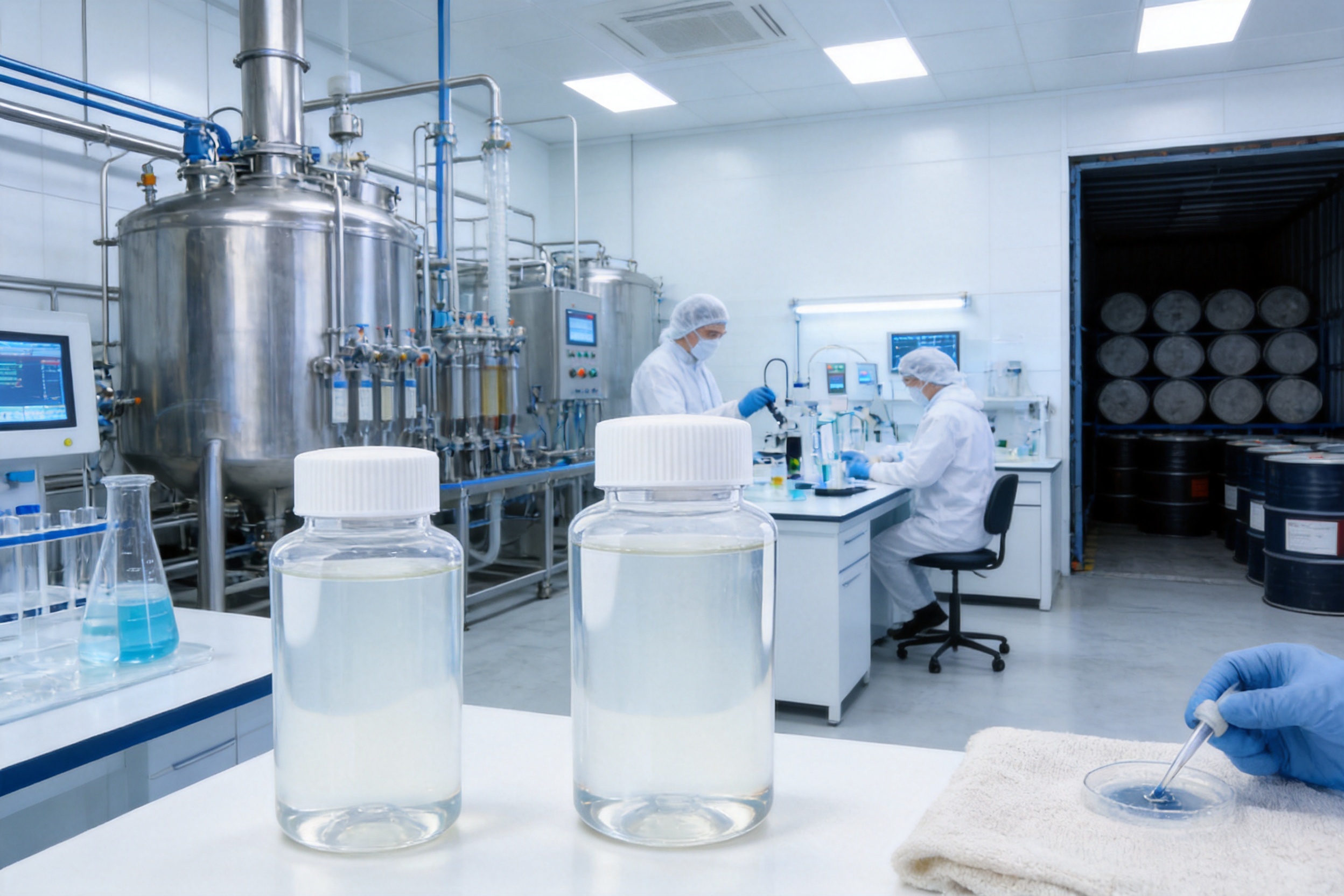
In modern textile production, bleaching is an essential preparation step for removing natural pigments, seed husks, waxes, oils, and other impurities from cotton and cellulosic fibers. Hydrogen peroxide is widely used because it provides effective and relatively clean bleaching performance. However, residual hydrogen peroxide can create serious problems when fabric moves from bleaching into dyeing. Even a small amount of peroxide remaining in the textile or process bath may interfere with reactive dyes, cause uneven coloration, reduce shade reproducibility, and increase the risk of reprocessing.
Deoxygenating enzyme HN-08/HN-50, represented by a high-concentration industrial catalase formulation, is designed to solve this problem efficiently. The enzyme rapidly decomposes residual hydrogen peroxide into water and oxygen. When applied under suitable textile processing conditions, it supports a shorter preparation route, lower water consumption, reduced energy demand, and improved dyeing safety.
Unlike traditional peroxide-removal methods based on reducing agents, repeated washing, draining, and refilling, catalase treatment can remove residual bleaching peroxide through a targeted enzymatic reaction. This makes it especially suitable for continuous improvement programs focused on productivity, process simplification, resource conservation, and environmental responsibility.
Why Residual Hydrogen Peroxide Matters in Textile Processing
Hydrogen peroxide is valued in textile bleaching because its decomposition products are generally water and oxygen. Nevertheless, peroxide must be carefully controlled after bleaching. If residual oxidant remains when dyeing begins, it can attack dyes or alter the chemical balance of the dye bath.
Reactive dyes are particularly sensitive to the presence of oxidizing or reducing chemicals. Residual hydrogen peroxide may affect the stability of the dye, change the expected color yield, or contribute to shade variation between lots. The problem may not always appear immediately. A fabric can look acceptable after bleaching but show poor reproducibility, uneven fixation, lower depth, or unexpected color changes during dyeing.
Residual peroxide may also create difficulties in troubleshooting. When a dyeing batch fails, the cause may be incorrectly attributed to dye concentration, salt addition, alkali dosing, water quality, temperature control, or machine circulation. In reality, insufficient peroxide removal may be one of the contributing factors.
Traditional peroxide-removal procedures usually involve a sequence such as bleaching, washing with a reducing agent, draining, additional washing, and then dyeing. This approach can work, but it often requires extra water, additional chemicals, more processing time, and increased operator attention. Reducing agents may also create their own wastewater burden and may influence subsequent dyeing if they are not completely removed.
Catalase offers a more direct alternative. The enzyme specifically targets hydrogen peroxide and converts it according to the following reaction:
2H₂O₂ → O₂ + 2H₂O
Because the reaction produces oxygen and water, the enzyme and its primary decomposition products do not introduce a conventional reducing chemical into the dye bath. This is a major reason that catalase treatment has become a preferred method for removing residual peroxide before reactive dyeing and other sensitive coloration processes.
Product Overview
Deoxygenating Enzyme HN-08/HN-50 is an industrial-grade liquid catalase for textile wet processing. The formulation is produced through deep fermentation using genetically modified Aspergillus niger. Its high enzyme concentration allows a relatively low dosage to provide effective peroxide decomposition over a broad range of textile processing conditions.
The product is intended for the removal of residual bleaching agents after peroxide bleaching and before dyeing. It is suitable for exhaustion and batch processing systems, including jet dyeing machines, winches, overflow machines, package yarn dyeing machines, jig dyeing machines, and comparable equipment.
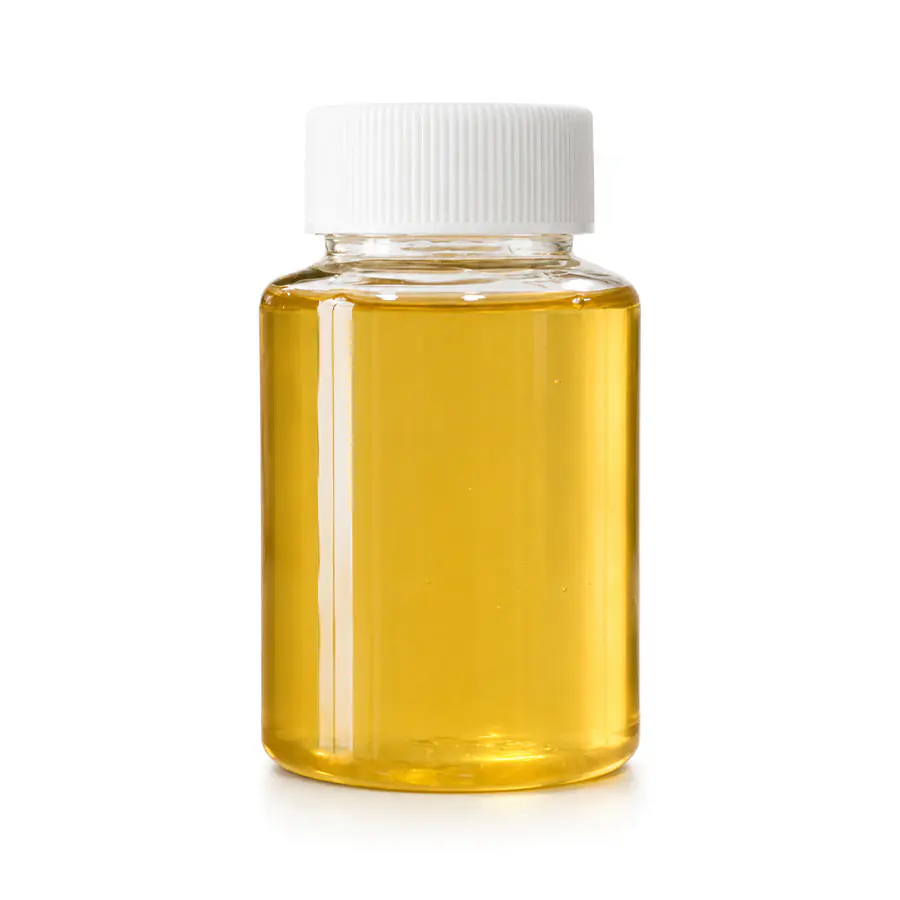
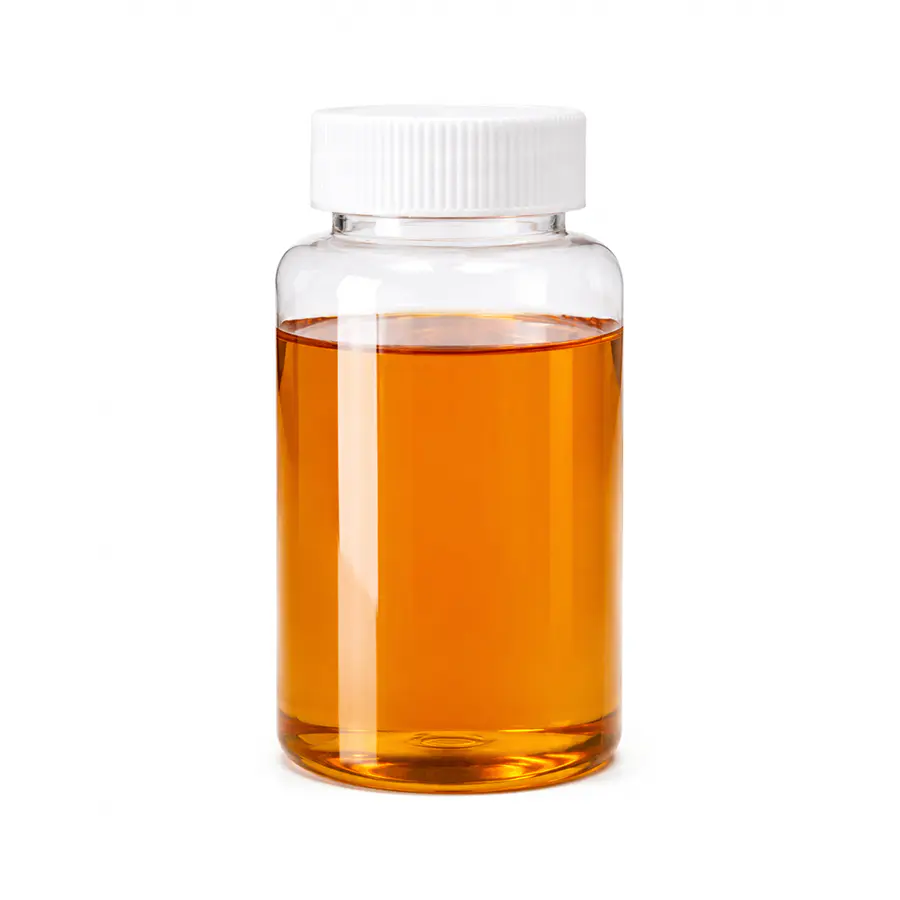
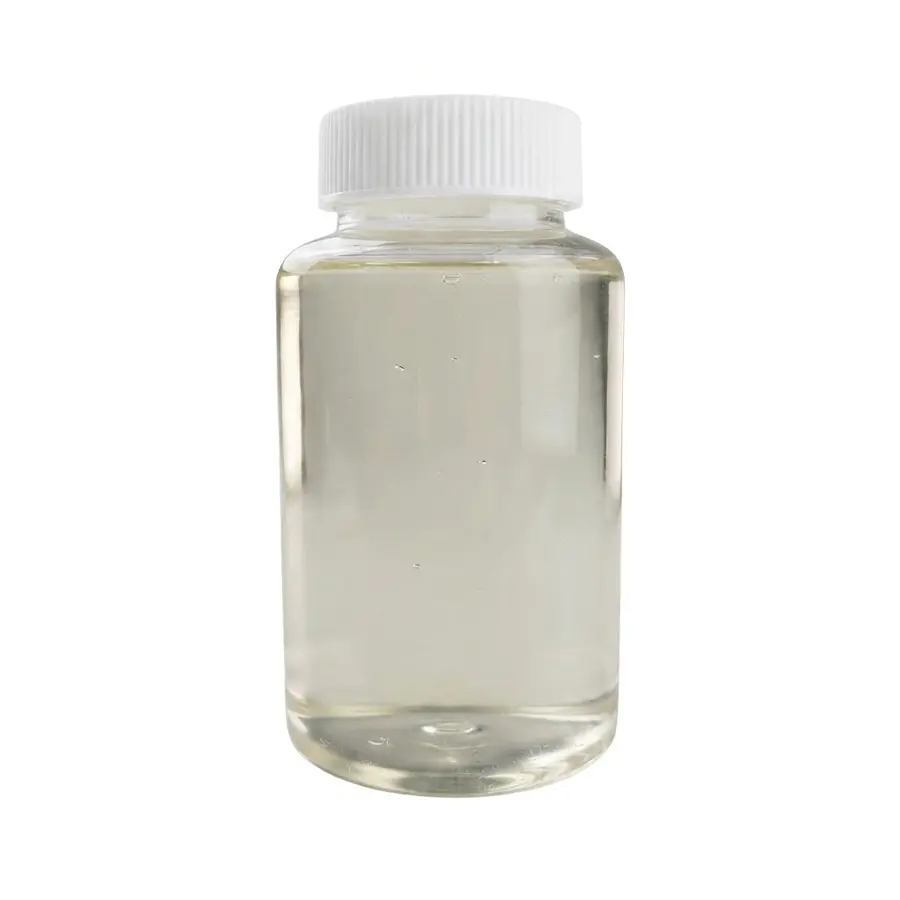
The enzyme is supplied as a light brownish-green liquid and is completely soluble in water. Its liquid form supports convenient dosing and fast dispersion throughout the process bath. Proper circulation and bath movement allow the enzyme to contact residual hydrogen peroxide in both the liquor and the textile substrate.
Property |
Typical Value or Description |
Product type |
High-concentration industrial liquid catalase |
Primary application |
Removal of residual hydrogen peroxide after bleaching |
Appearance |
Light brownish-green liquid |
Solubility |
Completely soluble in water |
Specific gravity |
Approximately 1.17 |
pH at 25°C |
Approximately 5.2 |
Typical application pH |
4.0–9.0 |
Typical application temperature |
30–50°C |
Typical treatment time |
10–20 minutes |
Typical dosage |
0.1–0.5 g/L |
Packaging |
30 kg drums |
The values above are typical process guidelines rather than universal fixed limits. Actual dosage and treatment time should be established through peroxide testing, fabric construction, bleaching conditions, equipment type, and the requirements of the following dyeing process.
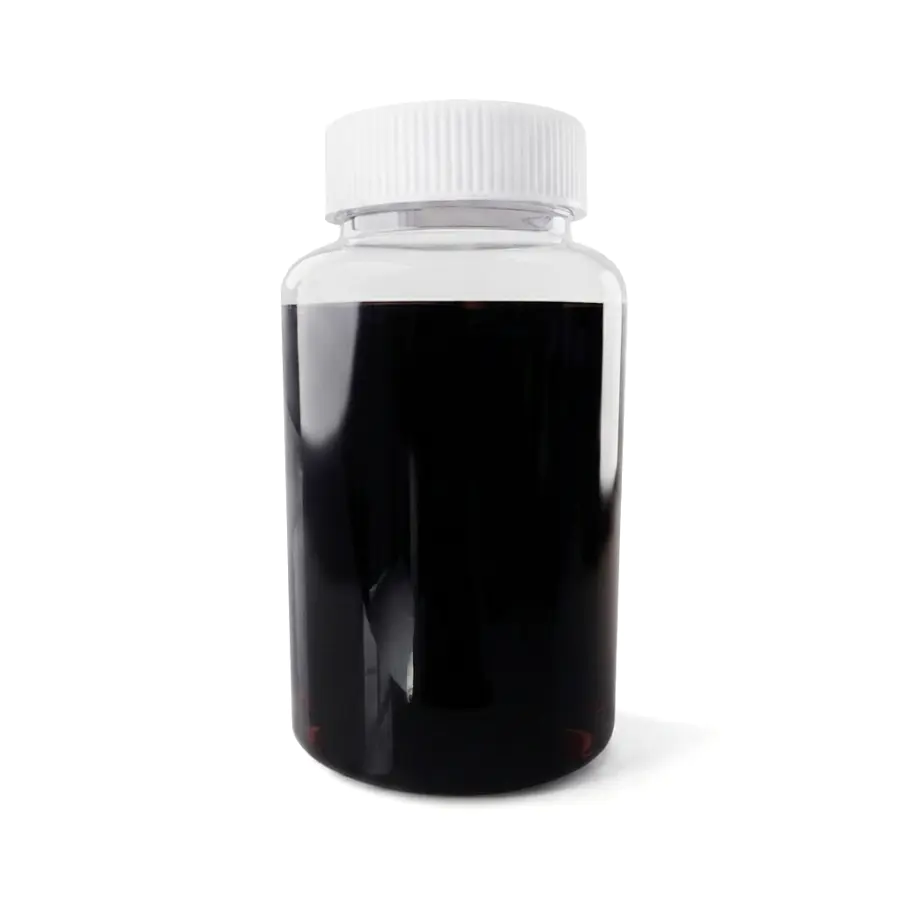
Deoxygenating Enzyme HN-08/HN-50
How the Enzymatic Reaction Works
Catalase is an enzyme that accelerates the decomposition of hydrogen peroxide. Without a catalyst, peroxide decomposition may be too slow or too inconsistent for efficient textile production. Catalase provides a rapid reaction pathway, allowing the remaining peroxide to be broken down within a practical treatment period.
The enzyme does not function by masking peroxide or transferring it to another chemical form. Instead, it promotes the conversion of hydrogen peroxide into oxygen and water. Once the available peroxide has been consumed, the reaction naturally declines because the substrate required by the enzyme has been removed.
This mechanism gives the product several advantages in textile preparation. First, the treatment is targeted. The enzyme is intended to act on hydrogen peroxide rather than adding a strong reducing chemical to the bath. Second, the decomposition products are compatible with many subsequent dyeing processes. Third, the process can often be performed in the same bath used for the next stage, reducing the need for intermediate draining and refilling.
Efficient enzyme activity depends on several factors. The bath must have an appropriate pH and temperature, the enzyme must be evenly distributed, and the concentration of residual peroxide must be within the practical working range of the formulation. Excessive heat, unsuitable pH, contamination by enzyme-inactivating chemicals, or insufficient circulation can reduce performance.
Recommended Operating Conditions
The recommended operating window is broad enough to suit many textile preparation and dyeing operations. A typical pH range is 4.0 to 9.0, with a temperature range of 30°C to 50°C. Treatment commonly requires 10 to 20 minutes, and the dosage is generally 0.1 to 0.5 g/L.
For many practical applications, a dosage of approximately 0.2 to 0.3 g/L is used as a starting point. The exact amount should be verified through a residual peroxide test. A heavily bleached fabric, a high peroxide concentration, or a process with limited bath exchange may require adjustment within the recommended range.
Process Factor |
Recommended Guideline |
Practical Consideration |
pH |
4.0–9.0 |
Adjust the bath before enzyme addition and avoid sudden chemical changes. |
Temperature |
30–50°C |
Use a controlled temperature suitable for both enzyme activity and the following process. |
Time |
10–20 minutes |
Check peroxide after the initial treatment and extend the time if required. |
Dosage |
0.1–0.5 g/L |
Begin with a validated standard dosage and optimize through testing. |
Agitation |
Continuous and sufficient |
Ensure complete contact between the liquor, fabric, yarn, and enzyme. |
Verification |
Residual peroxide test |
Confirm that peroxide has been removed before sensitive dyeing chemicals are added. |
One practical approach is to drain the bleaching liquor and add the amount of water needed for the subsequent dyeing process. The bath can then be adjusted to the required pH and temperature before the enzyme is introduced. Treatment may begin at a temperature below 65°C, but the preferred working range is generally 30–50°C. A controlled process within the recommended range provides a stronger balance between reaction speed, enzyme stability, and operational consistency.
Suggested One-Bath Process
The product is especially valuable when the mill wants to simplify the transition from bleaching to dyeing. The following sequence provides a practical example:
1. Drain the bleaching solution after completion of the bleaching stage.
2. Add the water required for the following dyeing operation, preferably at a suitable bath ratio and temperature.
3. Adjust the bath pH to a value between 4.0 and 9.0.
4. Reduce the bath temperature to the selected enzyme working range.
5. Add approximately 0.2–0.3 g/L of the catalase formulation and circulate thoroughly.
6. Treat for approximately 8–10 minutes, then test the bath for residual hydrogen peroxide.
7. If peroxide is still detected, continue treatment for another 5–10 minutes and test again.
8. Once the peroxide has been removed, proceed with dyeing in the same bath when compatible with the selected dyeing recipe.
This approach can replace the longer traditional sequence of bleaching, reducing-agent washing, draining, secondary washing, and dyeing. The actual process should be validated for each fabric type and dye class. Some dyeing recipes may require additional preparation, pH adjustment, or controlled chemical addition before the dye is introduced.
Advantages Over Traditional Peroxide-Removal Methods
Reduced Process Time
Traditional peroxide removal often requires multiple washing and draining stages. Each stage adds machine time and may involve heating, cooling, filling, or emptying the equipment. Enzymatic treatment can reduce the number of these steps, allowing the mill to move more quickly from bleaching to dyeing.
A shorter route can increase machine availability and improve production planning. In high-volume dyehouses, even a modest time saving per batch may create significant additional capacity over a month or a year.
Lower Water Consumption
Repeated washing consumes substantial quantities of water, especially in machines with high liquor ratios. By allowing peroxide removal in the bath used for the next stage, catalase treatment can reduce the need for intermediate rinses and bath replacements.
Lower water use also means less wastewater requiring treatment. This can reduce the hydraulic load on the wastewater plant and support the textile mill’s environmental performance objectives.
Lower Energy Demand
Every additional bath may require heating, cooling, pumping, and mechanical circulation. When the process sequence is shortened, the mill may reduce energy consumption associated with these operations. The benefit is particularly relevant when bleaching and dyeing are performed at elevated temperatures.
Improved Dyeing Safety
Reactive dyes and other sensitive dye systems require a controlled chemical environment. Complete peroxide removal helps prevent unwanted oxidation and supports more stable dyeing behavior. This can contribute to improved shade matching, fewer rejected batches, and lower reprocessing rates.
Reduced Dependence on Reducing Agents
Reducing agents can remove peroxide, but they may introduce additional chemical residues or affect the following process if not washed away completely. Catalase provides a biological alternative that directly decomposes peroxide without relying on a conventional reducing reaction.
Biodegradable Enzymatic Chemistry
The product is described as fully biodegradable and is designed to support more environmentally responsible processing. Enzyme-based treatment can be incorporated into a broader strategy that includes lower chemical loading, reduced water use, optimized energy consumption, and better wastewater management.
Broad Equipment Compatibility
The formulation is suitable for a range of textile machines, including jet, winch, overflow, package yarn, and jig dyeing equipment. This flexibility allows mills to apply a consistent peroxide-removal concept across different production departments.
Performance Compared with Competing Solutions
Textile chemical buyers typically compare peroxide-removal products according to more than price per kilogram. A proper comparison should consider active performance, required dosage, treatment time, process stability, wastewater impact, ease of handling, and the cost of rejected or reprocessed fabric.
A low-priced product that requires a high dosage may not be economical when measured by the cost per batch. Similarly, a chemical that removes peroxide but requires additional washing may not provide the same total process savings as a concentrated catalase that works in a shorter sequence.
The high-concentration liquid format is one of the important competitive strengths of HN-08/HN-50. A concentrated product can reduce the amount of chemical needed for each bath, simplify storage, and support efficient bulk handling. The formulation is also completely soluble, which helps minimize undissolved material and supports rapid distribution in circulating liquor.
The broad pH range is another practical advantage. Textile bleaching and dyeing operations do not all use identical bath conditions. A catalase that performs across pH 4.0–9.0 can be integrated into more process recipes than a product with a narrow operating window.
The temperature range of 30–50°C provides flexibility for mills seeking to optimize energy use. The enzyme can often be used at a moderate temperature rather than requiring a high-temperature treatment stage. This may make it easier to combine peroxide removal with the temperature conditions planned for dyeing.
Process verification is also straightforward. Operators can test residual peroxide after the initial treatment and decide whether additional time or dosage is required. This supports a more controlled approach than relying solely on a fixed washing schedule.
Comparison Factor |
Traditional Reducing-Agent Route |
Catalase-Based Route |
Peroxide removal mechanism |
Chemical reduction |
Enzymatic decomposition |
Typical process sequence |
Bleaching, washing, reducing treatment, draining, washing, dyeing |
Bleaching, washing or bath adjustment with catalase, dyeing |
Additional water demand |
Often higher because of repeated washing |
Potentially lower because intermediate washing can be reduced |
Impact on following dye bath |
Requires careful removal of reducing-agent residues |
Enzyme and decomposition products are designed to have no adverse effect on fabric or dyes when used correctly |
Process control |
Depends on chemical concentration, washing efficiency, and bath replacement |
Controlled through dosage, pH, temperature, time, and peroxide testing |
Environmental profile |
May add chemical load to wastewater |
Biodegradable enzyme treatment with water and oxygen as primary reaction products |
These comparisons should be confirmed through mill-specific trials. Fabric weight, construction, bleaching intensity, machine liquor ratio, water quality, and dyeing recipe all influence the final result.
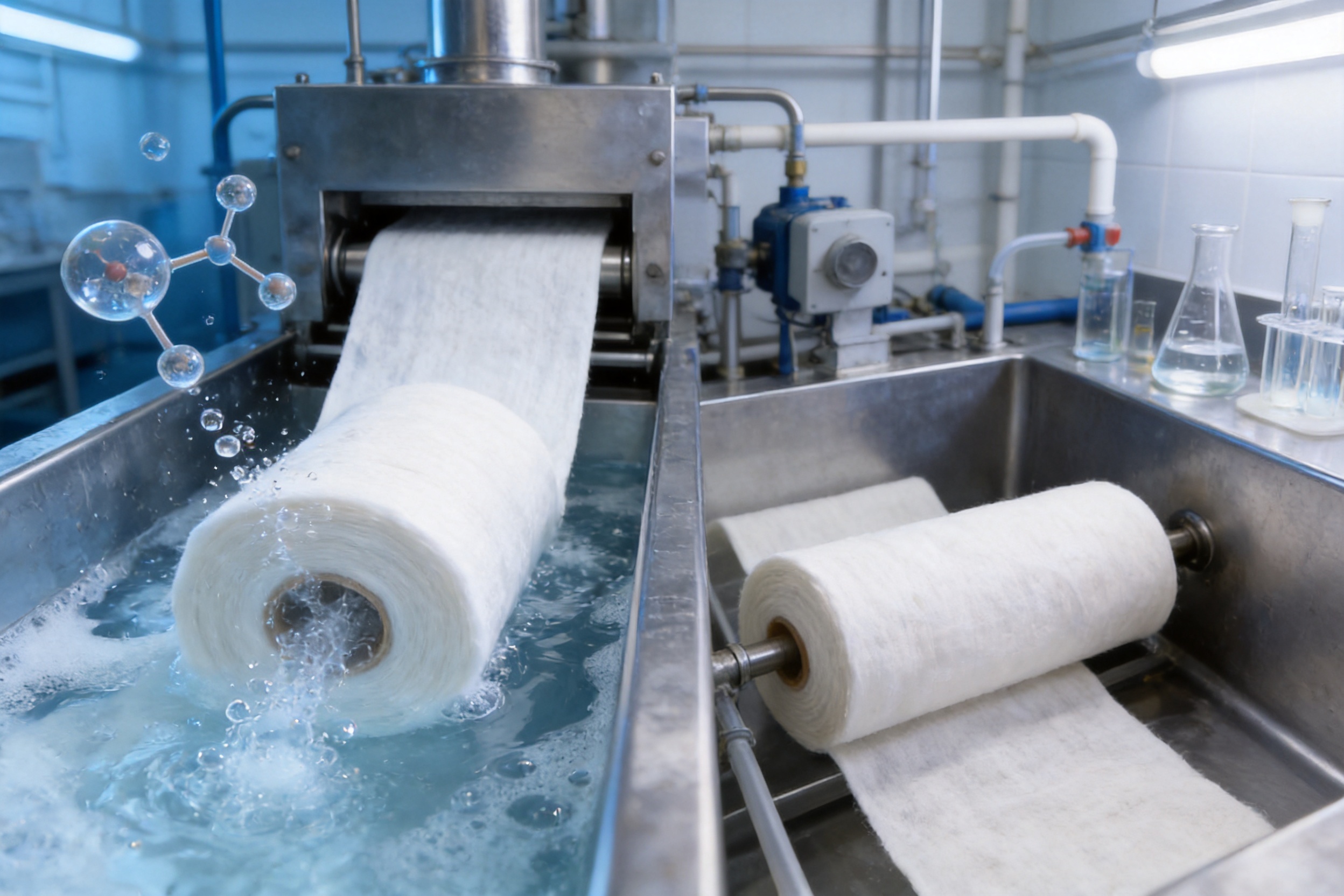
Advanced Manufacturing and Quality Strengths
The performance of an industrial enzyme depends not only on the biological active ingredient but also on fermentation control, formulation design, quality testing, packaging, storage, and technical support. Jiangyin Huanan New Materials Technology Co., Ltd. combines these elements through an integrated textile chemical manufacturing system.
The company was established in 1984 and operates in Jiangyin City, Jiangsu Province, China. Its activities cover research and development, production, sales, and technical service for textile printing and dyeing auxiliaries. The company has two production plants and an annual production capacity of approximately 60,000 tons across its product portfolio.
For customers, manufacturing scale is important because it supports supply continuity and more consistent batch availability. A stable source is especially valuable for dyehouses that use auxiliaries in standardized recipes and cannot easily replace a product without conducting new trials.
Controlled Biological Production
The catalase is produced through deep fermentation using Aspergillus niger. Fermentation-based production requires careful control of the culture environment, including nutrient supply, aeration, agitation, temperature, pH, contamination prevention, and harvest timing. Consistent control of these variables is essential for obtaining a reliable enzyme concentrate.
After fermentation, the active material must be processed and formulated to provide suitable activity, stability, appearance, solubility, and handling characteristics. The manufacturing process therefore extends beyond fermentation itself. Filtration, concentration, stabilization, blending, and filling all influence the final product.
In-House Laboratory Capability
The company maintains an in-house laboratory and professional R&D team. Laboratory capability allows the manufacturer to evaluate raw materials, monitor intermediate stages, verify finished-product specifications, and investigate customer process requirements.
For textile chemical users, technical laboratory support can help determine an appropriate dosage and treatment schedule. A product may perform differently on cotton knitwear, woven cotton, polyester-cotton blends, yarn packages, or heavily constructed fabrics. Laboratory trials can identify these differences before a full-scale production test.
Customized Formulation Development
Textile mills often require customized solutions because their machinery, water quality, production speed, and environmental standards vary. The company provides customized formulation capabilities for textile auxiliaries, allowing technical teams to adapt product characteristics to specific customer requirements.
Customization may involve concentration, stability, compatibility, packaging, application guidance, or integration with an existing dyeing route. Any adjustment should be confirmed by laboratory and production trials to ensure that the revised formulation maintains reliable peroxide-removal performance.
Standardized Production and Quality Control
Standardized production is important for maintaining consistent appearance, solubility, specific gravity, pH, and enzymatic performance. Batch-to-batch consistency helps textile mills reduce recipe variation and improves confidence in production planning.
Quality control should include examination of incoming materials, monitoring of fermentation and formulation stages, and testing of finished products. Depending on the product specification, relevant checks may include appearance, pH, specific gravity, solubility, storage stability, and activity-related performance testing.
Integrated Supply Network
An integrated supply network supports purchasing efficiency and delivery reliability. The company’s product portfolio includes pretreatment, dyeing, and finishing auxiliaries, allowing customers to communicate with one supplier for multiple textile chemical needs.
The broader portfolio includes moisture-wicking finishing agents, repairing agents, low-temperature carriers, silicone oils, silicone softeners, antistatic agents, color-fixing agents, stiffening agents, down-proof and windproof agents, and rubbing fastness enhancers. This range reflects an understanding of the complete textile wet-processing chain rather than a narrow focus on one chemical stage.
Environmental and Compliance Considerations
Textile producers face growing pressure to reduce water use, energy use, hazardous chemical discharge, and process waste. Enzyme-based peroxide removal can contribute to these goals, particularly when it replaces repeated washing and reduces the need for reducing agents.
The product is described as fully biodegradable. Its primary reaction converts hydrogen peroxide into water and oxygen, while the enzyme itself is intended to have no adverse effect on fabric or dyes when applied under recommended conditions. Nevertheless, each mill should evaluate the complete wastewater profile, including all chemicals used before and after catalase treatment.
Jiangyin Huanan offers eco-friendly, APEO-free, and formaldehyde-free formulations across its textile auxiliary portfolio. These characteristics can support customers working toward international environmental requirements and restricted-substance management programs. The company also identifies compliance with management and sustainability frameworks including OEKO-TEX, ISO 14001, and ISO 45001-related expectations.
Compliance claims should always be verified against current certificates, product-specific declarations, and the requirements of the customer’s market. A textile mill may need to review safety data, restricted-substance lists, wastewater regulations, buyer standards, and product approvals before commercial adoption.
Application Across Textile Equipment
Jet Dyeing Machines
Jet machines provide strong liquor circulation and are suitable for enzyme treatment when the catalase is added at the correct point in the process. The operator should allow sufficient circulation for the product to reach the entire rope and ensure that the bath temperature is controlled within the recommended range.
Winch and Overflow Machines
Winch and overflow systems can also use catalase for peroxide removal. Since circulation characteristics differ between machines, the treatment time may need to be adjusted. A residual peroxide test is the most reliable way to determine whether the treatment has been completed.
Package Yarn Dyeing Machines
Package yarn systems require good liquor penetration through the yarn packages. Enzyme distribution, flow direction, pump performance, package density, and circulation time all affect treatment uniformity. A laboratory or pilot trial is recommended before introducing the product into a new package configuration.
Jig Dyeing Machines
Jig machines can use the product in open-width processing. Operators should ensure even liquor contact across the fabric width and avoid conditions that cause poor wetting or uneven chemical distribution.
Other Exhaust Equipment
The enzyme can be considered for other exhaustion systems where residual peroxide must be removed before coloration. The key requirements are adequate bath movement, a compatible pH and temperature, correct dosing, and confirmation through peroxide testing.
Process Optimization and Troubleshooting
If peroxide remains after the recommended treatment, several possible causes should be investigated. The first is dosage. A high initial peroxide concentration may require a higher dosage within the recommended range or a longer treatment period.
The second factor is temperature. Enzyme activity may decrease if the bath is too cold, while excessive heat can reduce enzyme stability. Temperature should be measured in the actual process bath rather than assumed from the machine setting.
The third factor is pH. A bath outside the preferred range may reduce activity. The pH should be measured after all relevant chemicals have been added, because residual alkali, acid, sequestrants, or other auxiliaries may change the final value.
The fourth factor is mixing. If the product is added into a poorly circulating bath, localized concentrations may occur and some parts of the fabric may receive insufficient treatment. Diluting the enzyme before addition and allowing adequate circulation can improve distribution.
The fifth factor is testing accuracy. Residual peroxide tests should be performed using a suitable method, with attention to sample collection, test timing, reagent condition, and interference from other chemicals. A false positive or false negative can lead to incorrect process adjustments.
Common Issue: Dyeing Still Shows Shade Variation
If shade variation continues after catalase treatment, the mill should confirm that peroxide has actually been removed throughout the system and not only from the bulk bath. Fabric samples from different machine locations may be tested. The investigation should also include pH, temperature, salt and alkali dosing, water hardness, fabric preparation, dye dispersion, and machine circulation.
Common Issue: Enzyme Activity Appears Weak
Weak activity may result from improper storage, exposure to high temperature, prolonged contact with unsuitable chemicals, or use beyond the recommended shelf-life conditions. The product should be stored sealed at 25°C or below in a cool, dark environment. Humid or hot storage conditions can cause loss of enzyme activity.
Common Issue: Excessive Foam or Unstable Bath Appearance
Foam behavior may be influenced by the fabric, surfactants, machine design, water quality, and preceding auxiliaries. The mill should review the full recipe rather than assuming that the catalase alone is responsible. If necessary, technical service can help evaluate compatibility and process conditions.
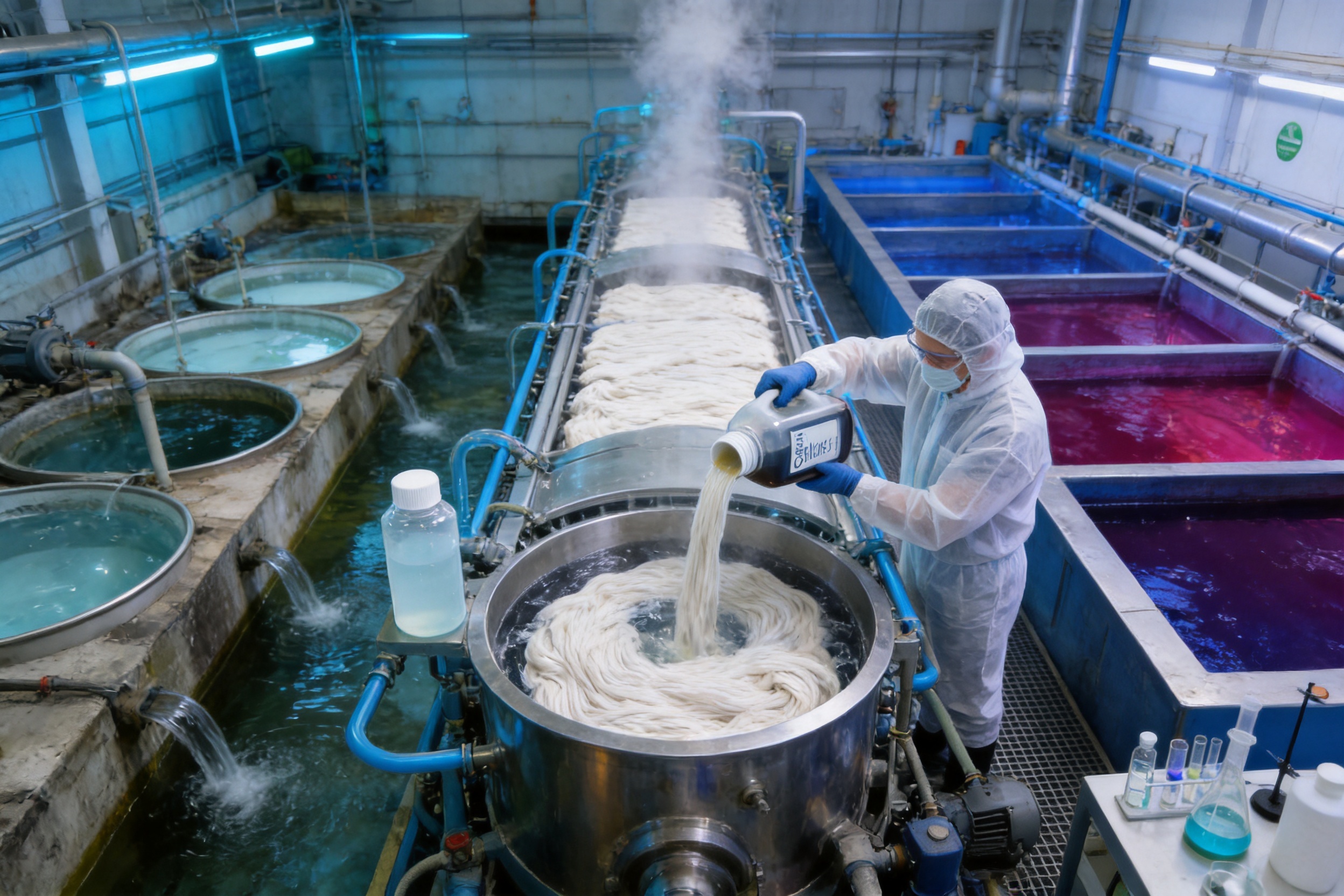
Storage, Handling, and Workplace Safety
The enzyme should be kept sealed and stored at 25°C or lower in a cool, dark environment. High temperatures and humid conditions may reduce activity. Containers should remain closed when not in use to protect the product from contamination and unnecessary exposure to the surrounding environment.
Before use, the container should be inspected for damage, leakage, or abnormal appearance. The product should be mixed or gently agitated according to the supplier’s handling guidance if separation or settling is observed. Strong agitation that creates excessive aerosol or mist should be avoided.
Personnel should avoid inhaling enzyme dust or mist. Although the product is a liquid, handling operations such as pouring, pumping, spraying, or cleaning may create airborne droplets. Appropriate ventilation and personal protective equipment should be used in accordance with the current safety data sheet and the mill’s chemical management procedures.
In case of contact with skin or eyes, rinse immediately with clean water for at least 15 minutes. Medical advice should be obtained when required by the site safety procedure. The product is not intended for the food industry and should not be stored, handled, or labeled in a way that could cause confusion with food-grade materials.
Empty packaging should be managed according to local regulations and the customer’s waste-handling system. The safety data sheet should be available to operators, supervisors, emergency personnel, and environmental health and safety staff.
Commercial Value for Textile Manufacturers
The commercial value of peroxide-removal enzyme should be assessed through total process economics rather than purchase price alone. Relevant factors include product dosage, water savings, energy savings, reduced processing time, lower wastewater volume, fewer rejected batches, and improved machine utilization.
For a dyehouse, the removal of one or more washing stages may create measurable capacity benefits. Shorter batch cycles can increase the number of lots processed by each machine. If shade consistency improves, the mill may also reduce the cost of correction dyeing, stripping, or fabric downgrading.
Environmental improvements may create additional business value. Customers and international brands increasingly request evidence of responsible chemical management, lower resource consumption, and restricted-substance control. A well-documented catalase process can support internal sustainability reporting and customer communication.
The product is also attractive for mills seeking simplified chemical inventories. Replacing separate reducing-agent treatment with a targeted enzyme may reduce the number of chemicals required for peroxide removal, although compatibility with the complete production recipe must always be confirmed.
Technical Service and Customer Support
Successful implementation depends on more than receiving a drum of enzyme. Technical support can assist with product selection, laboratory testing, dosage optimization, process integration, and troubleshooting. Jiangyin Huanan provides information for special applications and works with customers to improve textile processing operations.
A structured trial should normally include fabric identification, bleaching history, machine type, bath ratio, pH, temperature, initial peroxide concentration, enzyme dosage, treatment time, and final peroxide result. The dyeing stage should then be monitored for shade depth, shade difference, fixation, levelness, and fastness performance.
For mills with multiple fabric categories, separate standards may be developed for lightweight knits, heavy woven fabrics, yarn packages, blends, and high-absorbency materials. This approach avoids excessive dosing while ensuring sufficient peroxide removal in demanding applications.
Frequently Asked Questions
What is deoxygenating enzyme HN-08/HN-50 used for?
It is used to remove residual hydrogen peroxide after textile bleaching and before dyeing. The catalase decomposes hydrogen peroxide into water and oxygen, helping create a safer chemical environment for subsequent coloration.
Can the product replace a reducing agent?
In many textile peroxide-removal processes, it can replace a conventional reducing-agent treatment. The final decision should be based on laboratory and production trials, because fabric type, peroxide concentration, machine conditions, and dyeing recipe vary from mill to mill.
What is the typical dosage?
The general dosage range is 0.1–0.5 g/L. A practical starting dosage is often 0.2–0.3 g/L, followed by residual peroxide testing. Higher or lower dosage may be appropriate depending on the bleaching conditions.
How long does treatment take?
The typical treatment time is 10–20 minutes. An initial check can be made after 8–10 minutes. If peroxide remains, treatment may continue for another 5–10 minutes before testing again.
What pH should be used?
The typical application range is pH 4.0–9.0. The bath should be measured and adjusted before enzyme treatment, taking into account all chemicals already present.
What temperature is recommended?
The normal working range is 30–50°C. The bleaching bath should be cooled or adjusted as necessary before enzyme addition. The product information also advises that the treatment temperature should be below 65°C during the preparation procedure.
Can the enzyme be used in the same bath as dyeing?
After peroxide has been completely removed, dyeing may be carried out in the same bath when the dyeing recipe is compatible with the preceding treatment. Residual peroxide should be checked before adding sensitive dyes or other critical dyeing chemicals.
Is the product suitable for all textile machines?
It is suitable for many exhaustion systems, including jet, winch, overflow, package yarn, and jig dyeing machines. Each machine requires appropriate circulation and contact conditions, so production validation is recommended.
Does catalase affect fabric quality?
When used correctly, the enzyme and its decomposition products are designed to have no adverse effect on fabric or dyes. Proper control of dosage, pH, temperature, time, and chemical compatibility remains important.
How should the product be stored?
Store it sealed at 25°C or lower in a cool, dark environment. Avoid high temperatures and humid storage conditions because they may reduce enzyme activity.
Is the product intended for food applications?
No. The product is an industrial textile processing enzyme and is not suitable for the food industry.
How can a textile mill optimize the product before full production?
The mill should perform a laboratory trial using representative fabric, measure initial and final peroxide levels, evaluate dyeing performance, and then conduct a controlled machine trial. Technical support can help establish the dosage and process sequence.
Conclusion
Deoxygenating enzyme HN-08/HN-50 provides an efficient method for removing residual hydrogen peroxide from textile bleaching operations. Its catalase-based reaction directly converts peroxide into water and oxygen, supporting safer dyeing, shorter processing routes, reduced washing, and improved resource efficiency.
The product’s high-concentration liquid format, complete solubility, broad pH and temperature application range, and compatibility with numerous textile machines make it suitable for a wide variety of wet-processing environments. Compared with traditional reducing-agent and repeated-washing methods, it offers the potential for lower water use, lower energy consumption, reduced chemical loading, and better process control.
Its performance is supported by the manufacturing capabilities of Jiangyin Huanan New Materials Technology Co., Ltd., including long-term textile chemical experience, two production plants, substantial annual capacity, an in-house laboratory, professional research and development, customized formulation capability, standardized manufacturing, quality control, and integrated supply support.
For best results, textile manufacturers should treat catalase integration as a controlled process improvement project. By measuring residual peroxide, optimizing dosage, maintaining suitable pH and temperature, and validating the final dyeing result, mills can obtain reliable peroxide removal while improving productivity and environmental performance.
References
1. Textile auxiliary product technical information for industrial catalase and residual hydrogen peroxide removal.
2. General principles of catalase-catalyzed hydrogen peroxide decomposition in industrial biotechnology.
3. Textile wet-processing guidance for peroxide bleaching, peroxide control, and reactive dyeing preparation.
4. Enzyme Technical Association, Safe Use of Enzymes, industry safety guidance.
5. Association of Manufacturers of Fermentation Enzyme Products, safety management guidance for microbial enzyme preparations.
6. General textile chemical management principles for wastewater reduction, restricted substances, and sustainable wet processing.
7. Product storage, handling, and application information supplied for industrial textile catalase formulations.
Product: Deoxygenating Enzyme HN-08/HN-50


Contact us
huanannewmaterials@gmail.com
-
 Phone: +86 - 13861620767
-
 Fax: +86-0510-86200939
-
 298 Hongxing Road, Huashi Town, Jiangyin City, Wuxi City, Jiangsu Province, China
Product links
Mobile App
Copyright © Jiangyin Huanan New Materials Technology Co., Ltd. All Rights Reserved

-
huanannewmaterials@gmail.com
-

-

-
+86 - 13861620767