


 English
 中文简体

Cationic Ultra-Soft Quick-Dissolving Softener Flakes RT for Efficient Textile Finishing
Content
- 1 1. Product Overview
- 2 2. Why Quick-Dissolving Softener Flakes Matter
- 3 3. Core Performance Advantages
- 4 4. Advantages Compared with Conventional Softener Flakes
- 5 5. Recommended Preparation Methods
- 6 6. Exhaustion Application Process
- 7 7. Dosage Optimization
- 8 8. Compatibility and Process Control
- 9 9. Quality Control from Raw Material to Finished Product
- 10 10. Manufacturing and Technical Strengths
- 11 11. Environmental and Compliance Considerations
- 12 12. Practical Recommendations for Textile Mills
- 13 13. Troubleshooting Guide
- 14 14. Commercial Value for International Buyers
- 15 15. Frequently Asked Questions
- 15.1 Q1. What type of softener is Cationic Ultra-Soft Quick-Dissolving Softener Flakes RT?
- 15.2 Q2. Which fabrics are suitable for this product?
- 15.3 Q3. Can the flakes be prepared in cold water?
- 15.4 Q4. What concentration is recommended for preparing the slurry?
- 15.5 Q5. How long should the product be prepared?
- 15.6 Q6. What is the recommended exhaustion process?
- 15.7 Q7. Is the product suitable for mixing with anionic auxiliaries?
- 15.8 Q8. Does the product create a strong amount of foam?
- 15.9 Q9. Does the product provide antistatic performance?
- 15.10 Q10. What is the appearance and pH value?
- 15.11 Q11. How should the product be stored?
- 15.12 Q12. What is the shelf life?
- 15.13 Q13. What package size is available?
- 15.14 Q14. Can the product be used in a low-temperature finishing process?
- 15.15 Q15. Should the recommended dosage be applied to every fabric?
- 15.16 Q16. What makes the product suitable for international textile supply chains?
- 16 16. Conclusion
- 17 References
- 18 Product: Cationic Ultra-Soft Quick-Dissolving Softener Flakes RT
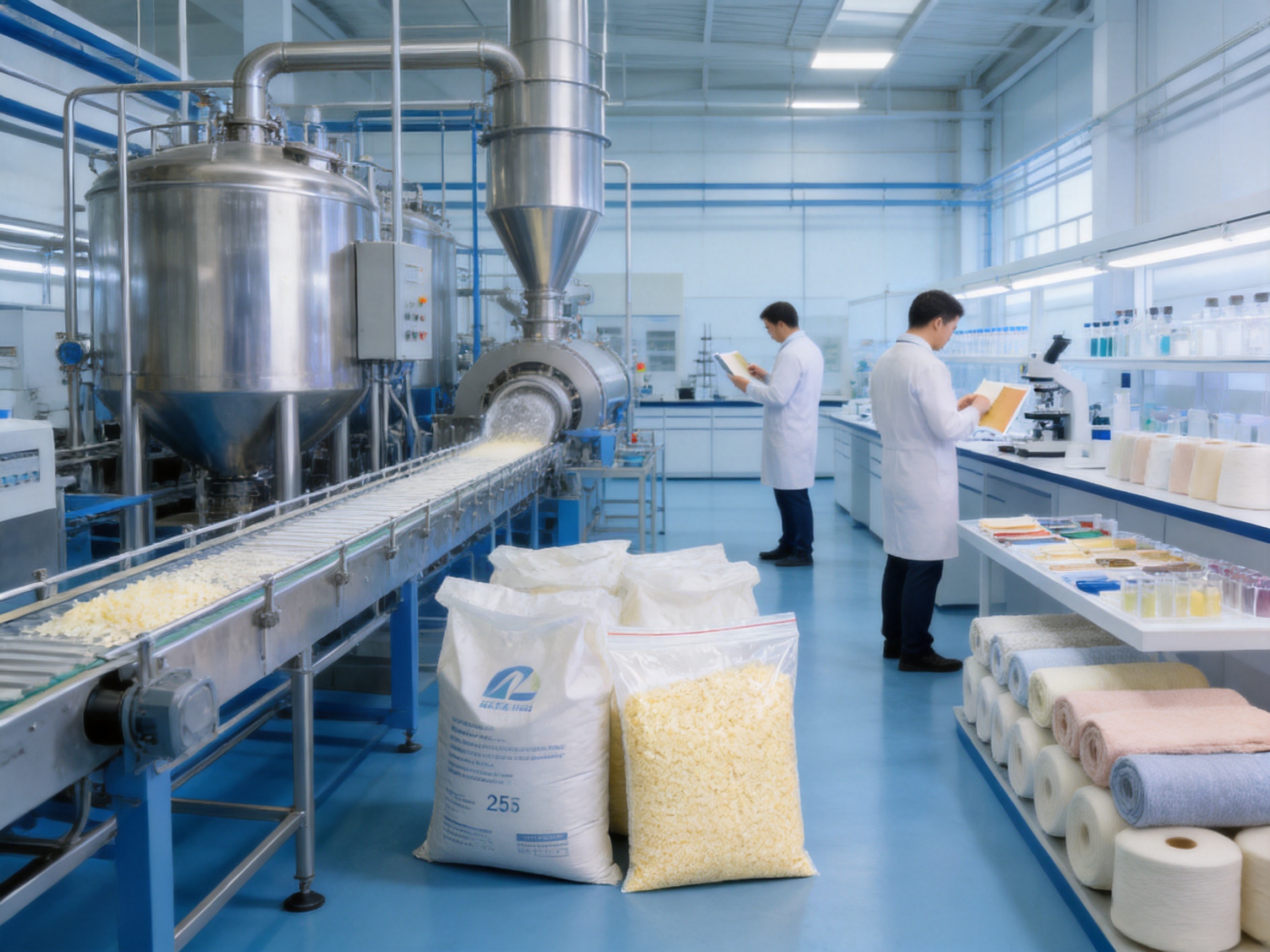
Textile manufacturers increasingly require finishing auxiliaries that deliver a soft, smooth, comfortable hand feel without creating unnecessary process complications. At the same time, mills must manage energy consumption, production speed, bath stability, worker safety, wastewater considerations, and increasingly demanding environmental expectations. These requirements have encouraged the development of softener systems that dissolve more efficiently, perform consistently across different fiber types, and remain practical for both conventional and modern finishing lines.
Cationic Ultra-Soft Quick-Dissolving Softener Flakes RT are designed for this purpose. Based on a fatty acid imidazoline compound, the product is a cationic softener flake intended for cotton, cotton blends, T/C fabrics, and synthetic fibers. Its key performance characteristics include excellent softness, smoothness, low foam, antistatic behavior, and the ability to be prepared in cold or moderately heated water. These characteristics make it a versatile option for textile mills seeking a reliable finishing auxiliary that can be adapted to different production conditions.
Unlike many conventional softener flakes that require prolonged high-temperature preparation or intensive mechanical dispersion, this product can be prepared through a controlled warm method or a direct high-temperature method. The ability to use room-temperature water as the starting medium gives processors greater flexibility when designing their preparation procedures. With appropriate stirring, soaking, and temperature control, the flakes form a uniform paste suitable for exhaustion finishing.
This article examines the product’s composition, processing behavior, application advantages, preparation procedures, compatibility considerations, quality control requirements, and the manufacturing strengths behind its supply. It also explains how the product can help textile manufacturers improve finishing consistency while supporting more efficient and environmentally responsible production planning.
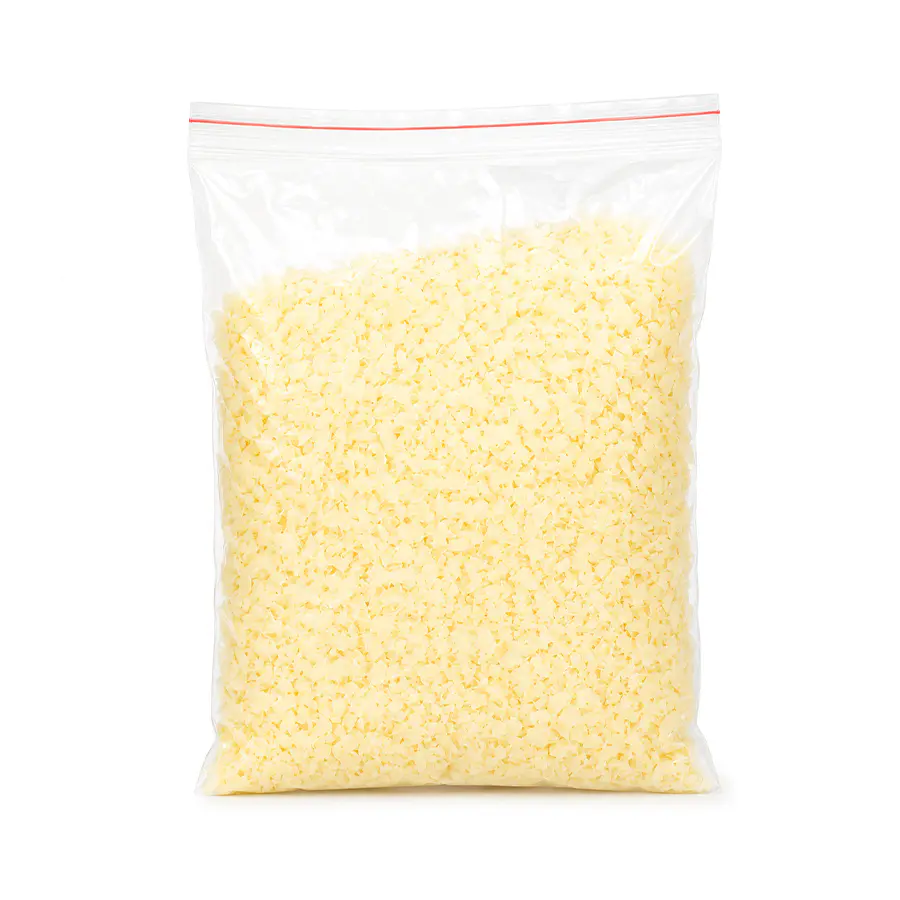
Cationic Ultra-Soft Quick-Dissolving Softener Flakes RT
1. Product Overview
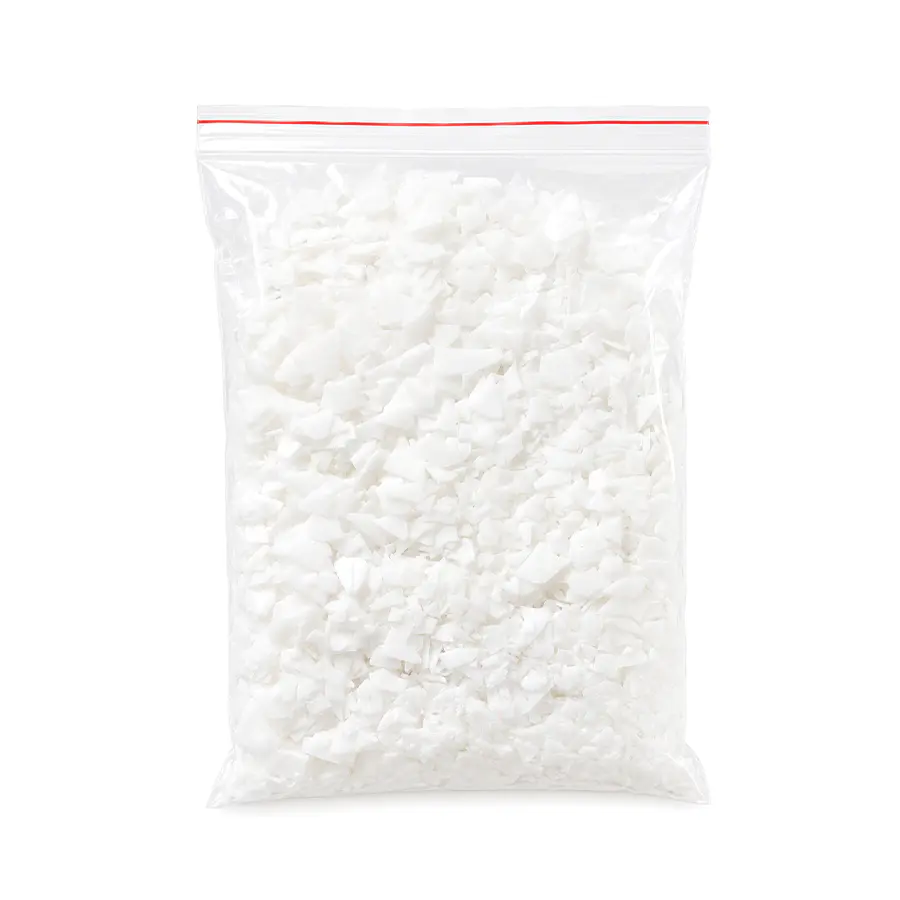
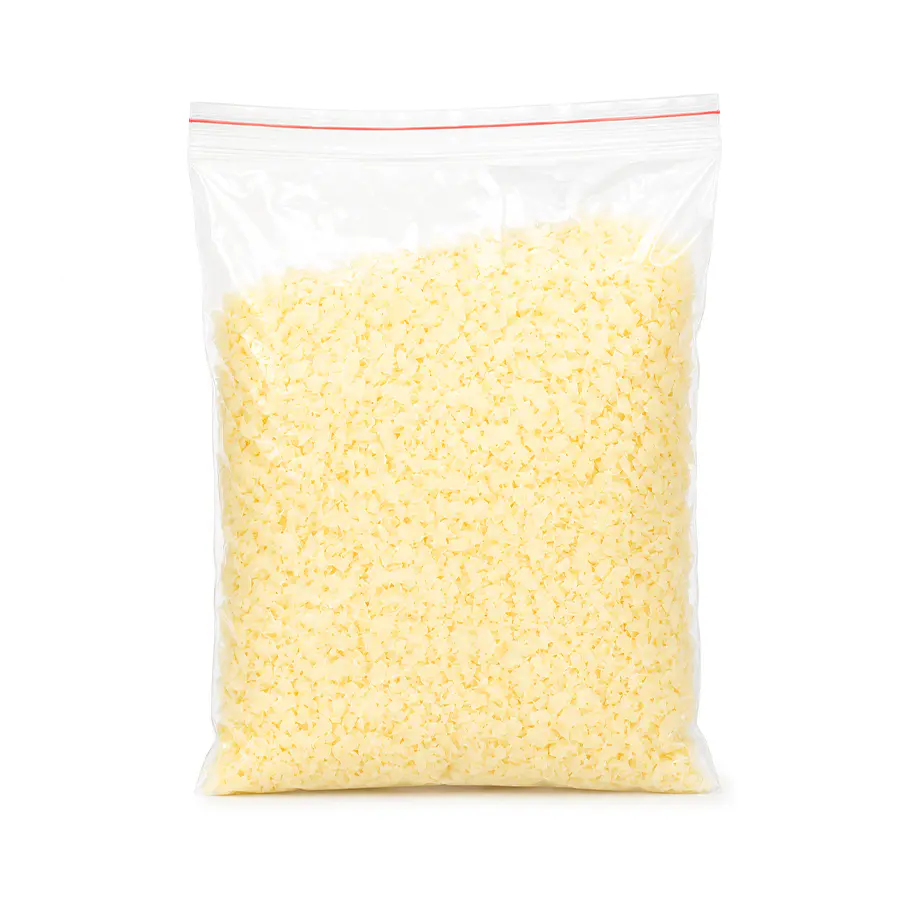
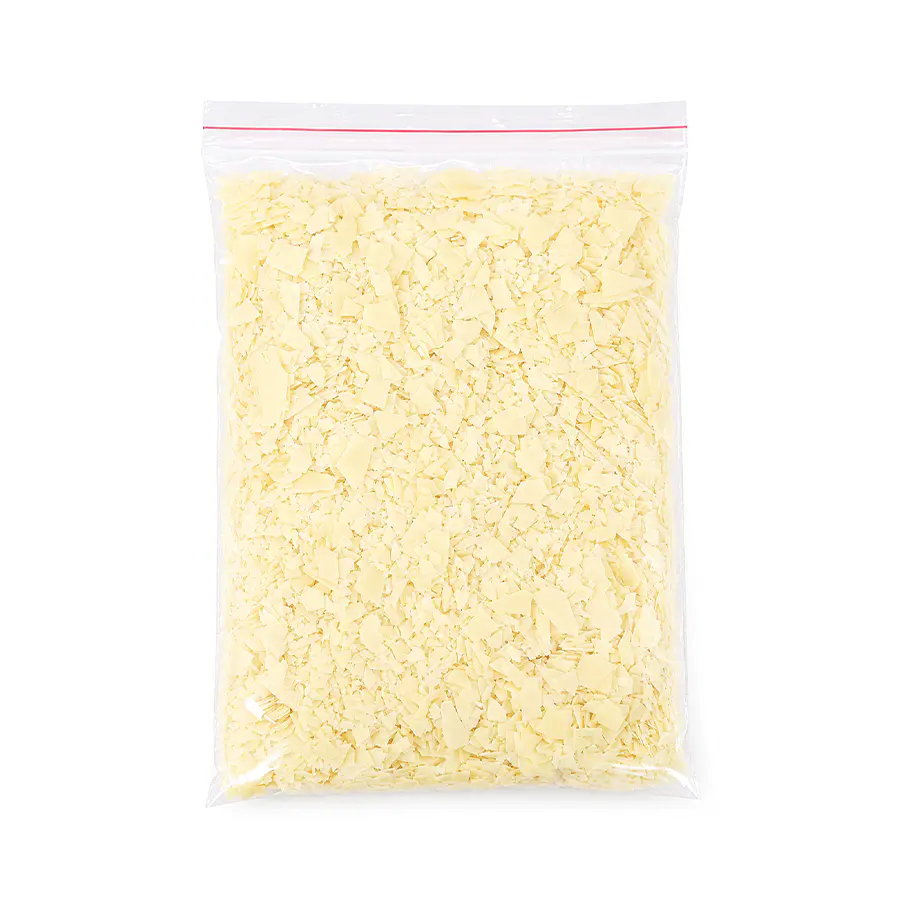
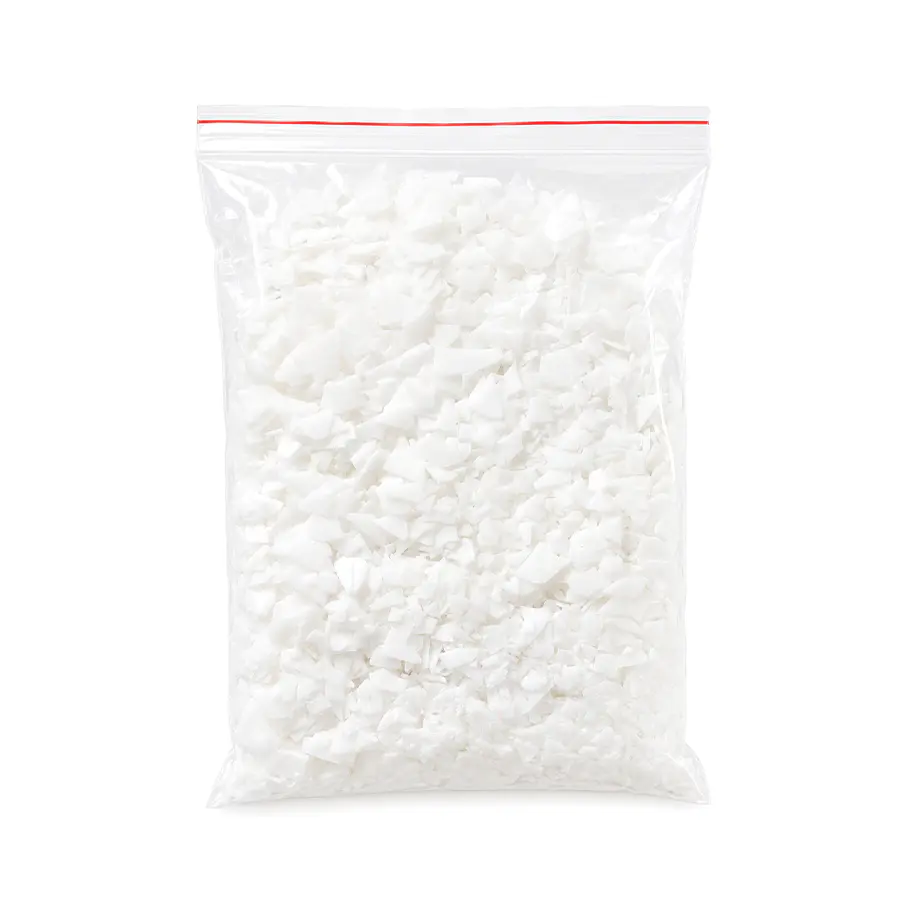
Cationic Ultra-Soft Quick-Dissolving Softener Flakes RT are solid textile finishing auxiliaries supplied in the form of slightly yellow flakes. The product belongs to the softeners flakes category and is suitable for finishing a broad range of textile substrates. Its cationic character allows it to interact effectively with negatively charged fiber surfaces, helping deposit a lubricating and flexible layer that improves the tactile properties of the finished material.
The primary component is a fatty acid imidazoline compound. This type of chemistry is valued in textile finishing because it can provide a combination of softness, smoothness, lubricity, and antistatic performance. The finished fabric may feel less harsh, less dry, and more comfortable against the skin. Depending on the fabric construction and application conditions, the softener can also improve surface slip and reduce the sensation of friction during handling.
The product is especially suitable for cotton, polyester/cotton blends, and synthetic fibers. It may be used on woven or knitted materials, provided that compatibility, shade sensitivity, absorbency requirements, and fabric construction are evaluated in laboratory and production trials.
Product characteristic |
Specification or performance description |
Product type |
Cationic ultra-soft quick-dissolving softener flake |
Main component |
Fatty acid imidazoline compound |
Appearance |
Slightly yellow flakes |
Ionicity |
Cationic |
pH value |
4.5–6.5 in a 5–10% slurry |
Recommended exhaustion dosage |
2–8% on weight of fabric, using a 10% slurry |
Recommended exhaustion temperature |
40–50°C |
Recommended bath ratio |
1:10–15 |
Recommended treatment time |
Approximately 30 minutes |
Shelf life |
12 months under suitable storage conditions |
Packaging |
25 kg plastic woven bag |
The specification provides a practical framework rather than a substitute for process development. Fabric type, color, construction, previous chemical treatments, machine design, liquor ratio, and desired hand feel can all influence the final result. For this reason, the recommended dosage and process should be adjusted through laboratory testing before full-scale production.
2. Why Quick-Dissolving Softener Flakes Matter
Solid softener flakes offer logistical and economic benefits compared with ready-to-use liquid products. They are generally more concentrated, easier to store in many production environments, and less likely to require the transportation of large quantities of water. However, the practical value of a flake product depends strongly on how easily it can be converted into a stable, uniform preparation.
If flakes dissolve slowly or form persistent lumps, several problems can occur. Undissolved material may remain in preparation tanks, block dosing lines, create uneven concentration in the bath, or produce localized deposits on fabric. Such problems can lead to inconsistent softness, patchy appearance, staining, or extra cleaning work. A quick-dissolving product helps reduce these risks when it is prepared using the recommended procedure.
The RT formulation is designed to disperse in cold or moderately heated water. The preparation methods allow textile mills to select a procedure that fits their equipment and production schedule. A warm method can be useful when the mill prefers a lower-temperature preparation step with soaking time. The direct high-temperature method can be advantageous when a faster, more intensive preparation cycle is required and the equipment can provide controlled heating and agitation.
Quick preparation also supports more responsive production planning. A mill may be able to prepare a fresh softener paste closer to the time of use, reducing the need to keep large quantities of prepared chemical dispersion in storage. This can simplify inventory management and help limit changes caused by prolonged standing, contamination, evaporation, or temperature fluctuations.
3. Core Performance Advantages
3.1 Excellent Softness
The principal purpose of the product is to impart a soft hand feel. The fatty acid imidazoline-based composition is designed to lubricate the fiber surface and reduce the perception of harshness. On cotton fabrics, this can create a fuller and more comfortable handle. On synthetic fibers, where the original surface may feel relatively smooth but sometimes lack a natural hand, the product can provide a softer and more pleasant touch.
Softness is not a single measurable sensation. It can include flexibility, smoothness, surface slipperiness, fullness, drape, and freedom from a dry or abrasive feel. The final balance depends on dosage and fabric construction. A lower dosage may provide subtle lubrication, while a higher dosage can create a more pronounced ultra-soft effect. Excessive dosage, however, may change absorbency, alter shade perception, or produce an overly coated feel. Controlled optimization is therefore essential.
3.2 Smooth Surface Handle
In addition to softness, the product contributes to smoothness. A smooth handle is important for apparel, home textiles, knitted goods, and fabrics that are frequently handled by consumers. It can improve the perceived quality of the material and support a more refined finish.
The smoothness effect is also useful during fabric inspection and packing. Fabrics with reduced surface friction can be easier to fold, stack, and handle. On some constructions, improved lubrication may help minimize a rough or squeaky sensation. The actual result will vary according to the fabric’s yarn type, density, surface structure, and previous finishing history.
3.3 Low-Foam Behavior
Low foam is a valuable operational advantage in finishing processes. Excessive foam may interfere with accurate dosing, cause overflow, reduce equipment visibility, and create instability in circulation systems. It can also complicate the preparation of uniform softener dispersions.
The low-foam behavior of this product supports cleaner and more manageable preparation and application. This is particularly useful in mills using circulating tanks, automatic dosing equipment, or machines where foam control affects bath movement. Lower foam does not eliminate the need for suitable agitation and tank hygiene, but it can reduce one common source of process disruption.
3.4 Antistatic Properties
Static electricity can be troublesome when processing or using synthetic fibers. Static may contribute to fabric cling, difficult handling, dust attraction, feeding problems, and an uncomfortable wearing sensation. The product provides excellent antistatic properties, helping reduce these effects when the dosage and finishing conditions are correctly selected.
Antistatic performance is influenced by ambient humidity, fiber type, fabric construction, surface resistivity, and drying conditions. Synthetic fibers processed in dry environments may require particular attention. In such cases, the softener can form part of a broader finishing strategy aimed at improving handling and wearer comfort.
3.5 Broad Fiber Suitability
Many softeners perform well on one fiber family but provide less satisfactory results on another. This product is intended for various fibers, with particularly good hand-feel potential on cotton, T/C, and synthetic materials. That breadth can simplify chemical management for mills producing mixed product lines.
For cotton, the product can enhance softness after bleaching, dyeing, or washing processes. For polyester/cotton blends, it can help balance the different tactile properties of the two fiber components. For synthetic fibers, it can provide lubrication and antistatic support while improving overall comfort.
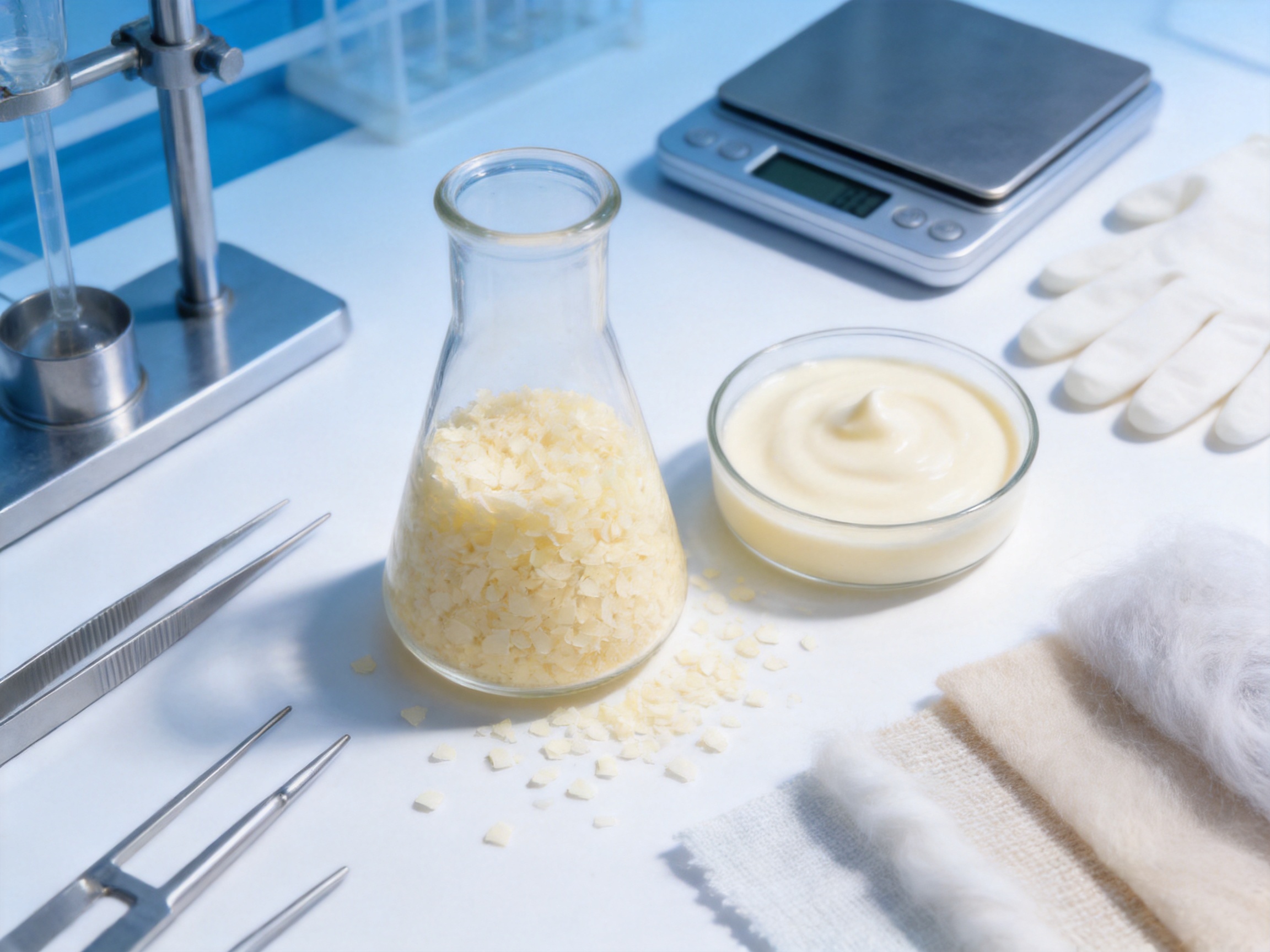
4. Advantages Compared with Conventional Softener Flakes
Textile auxiliaries should be compared according to practical processing value rather than a single performance claim. The advantages of this product become most evident when preparation behavior, application temperature, foam control, fabric versatility, and finished hand feel are considered together.
4.1 More Flexible Preparation
Some traditional softener flakes require a carefully maintained high-temperature preparation procedure. This may involve substantial energy use, dedicated equipment, extended heating, and close supervision to prevent incomplete dispersion. The RT product offers two preparation routes, including a warm method beginning at approximately 30°C and a direct high-temperature method beginning in room-temperature water.
This flexibility allows a mill to adapt the preparation procedure to available equipment. A facility with limited heating capacity may use the warm method. A facility with a heated preparation tank may select the direct high-temperature process for a more intensive dispersion cycle. The ability to operate through more than one preparation route can be especially useful for manufacturers serving different production departments or working with seasonal changes in output.
4.2 Reduced Risk of Uneven Dispersion
Quick-dissolving flakes can reduce the risk that large pieces remain undispersed. When the flakes are added gradually to water under stirring and then allowed to soak or undergo controlled heating, they can develop into a uniform paste. A uniform paste promotes more even distribution during dosing and application.
This advantage should not be interpreted as permission to add the flakes carelessly. Correct addition order, agitation, water quality, temperature control, and preparation time remain important. Nevertheless, a formulation designed for rapid dispersion gives operators a more forgiving starting point than a flake that is difficult to wet or requires excessive mechanical force.
4.3 Lower-Temperature Application Potential
The recommended exhaustion application temperature is 40–50°C. Compared with finishing systems that require higher application temperatures, this range can help mills consider lower-energy process planning. Energy savings depend on the starting temperature, machine design, heating efficiency, bath volume, and total production cycle. Even when the total energy reduction is moderate, lower-temperature operation may support shorter heat-up periods and improved process flexibility.
Lower-temperature application can also be beneficial for fabrics or constructions that require careful thermal handling. It should, however, be verified against the requirements of the entire finishing recipe, because other auxiliaries or performance targets may require different conditions.
4.4 Balanced Softness and Smoothness
A softener that provides softness without sufficient smoothness may produce a dull or heavy handle. Conversely, a highly lubricating product may create excessive slipperiness or an unnatural surface. The RT formulation is positioned to provide both softness and smoothness, allowing finishers to tune the result according to customer expectations.
The balance is particularly important in cotton and T/C fabrics. These fabrics may require a soft but not greasy hand, comfortable drape, and a clean surface appearance. Through dosage adjustment and controlled drying, mills can seek the desired combination of comfort and fabric body.
4.5 Operational Convenience
A 25 kg package provides a manageable unit for warehouse handling and batch preparation. The product’s solid form can support organized storage and concentrated transport. Its 12-month shelf life, when stored in a cool place and protected from unsuitable conditions, gives manufacturers a reasonable planning period for regular production.
These logistical benefits are relevant to both large and medium-sized mills. Large plants may value predictable bulk handling and standardized preparation. Smaller facilities may benefit from the ability to store a concentrated auxiliary without allocating excessive space to liquid products.
5. Recommended Preparation Methods
5.1 Warm Method
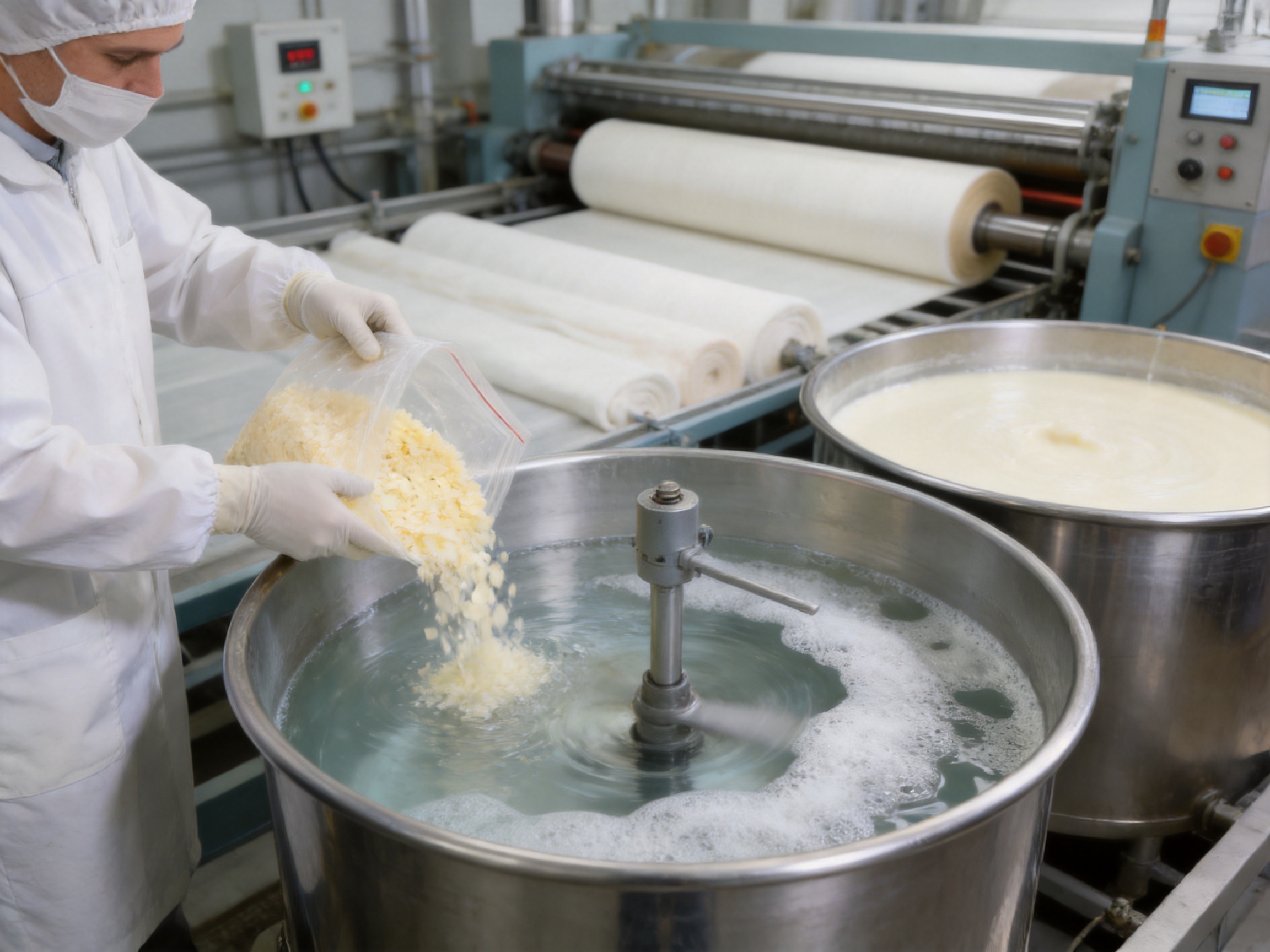
The warm method begins by adding the softener flakes at a ratio of 5–10% to water at approximately 30°C. The flakes should be introduced gradually while stirring. This helps wet the material evenly and reduces the risk of floating masses or localized concentration.
After addition, stir for approximately 3–5 minutes to disperse the flakes. The mixture should then be allowed to soak for approximately 1–2 hours. Soaking gives the solid material time to absorb water and soften throughout its structure. After soaking, stir at low speed until a uniform paste forms. The finished paste can then be set aside for application.
Low-speed stirring during the final stage is important. Excessive shear may introduce air, create unnecessary foam, or alter the physical appearance of the preparation. The operator should confirm that no visible lumps remain and that the paste has a consistent texture from the top to the bottom of the preparation vessel.
5.2 Direct High-Temperature Method
For the direct high-temperature method, add the softener flakes at a ratio of 5–10% to room-temperature water while stirring. Continue stirring for approximately 3–5 minutes to initiate dispersion. The temperature should then be increased gradually to 50–60°C.
Once the target temperature is reached, continue stirring for approximately 30–60 minutes until a uniform paste forms. Gradual heating is preferred because sudden temperature changes can create uneven hydration or localized thickening. When the paste is uniform, cool it to a suitable handling temperature and set it aside for use.
The preparation tank should be clean and free from residues of incompatible cationic, anionic, nonionic, or reactive chemicals. Even small amounts of contamination can affect dispersion stability, viscosity, or final performance. A practical plant procedure should specify tank cleaning, water quality, addition sequence, agitation rate, temperature limits, and paste inspection criteria.
Preparation stage |
Warm method |
Direct high-temperature method |
Starting water temperature |
Approximately 30°C |
Room temperature |
Flake concentration |
5–10% |
5–10% |
Initial dispersion time |
3–5 minutes |
3–5 minutes |
Additional preparation step |
Soak for 1–2 hours, then stir at low speed |
Heat gradually to 50–60°C |
Final preparation time |
Until a uniform paste forms |
30–60 minutes at controlled temperature |
Final condition |
Uniform paste ready for use |
Cool uniform paste ready for use |
6. Exhaustion Application Process
The recommended exhaustion process uses a 10% slurry and a dosage of 2–8% on the weight of fabric. The treatment temperature is approximately 40–50°C, with a bath ratio of 1:10–15 and a treatment time of about 30 minutes.
For consistent results, the fabric should enter the bath in a condition suitable for uniform wetting. Residual alkali, surfactant, electrolyte, dye, or other finishing chemical can influence the behavior of a cationic softener. If necessary, the fabric should be rinsed or neutralized according to the requirements of the preceding process before the softener is introduced.
The prepared paste should be diluted gradually before dosing into the application bath. Adding a thick paste directly into a small-volume bath can create localized concentration and slow distribution. Pre-dilution improves mixing and helps reduce the risk of concentrated softener contacting the fabric unevenly.
Once the bath is prepared, maintain sufficient circulation or movement to distribute the softener throughout the liquor. Treatment for approximately 30 minutes allows the product to interact with the fiber surface. After treatment, the fabric can proceed to hydroextraction and drying according to the mill’s established procedure.
Drying conditions influence the final hand feel. Excessively high temperatures, rapid surface drying, or uneven overfeed can alter the softness profile. Mills should therefore evaluate not only the chemical dosage but also drying temperature, fabric width, residual moisture, machine speed, and mechanical handling.
7. Dosage Optimization
The recommended range of 2–8% on the weight of fabric provides room for adjustment. A lower dosage may be appropriate when only moderate softening is required or when the fabric already contains a soft surface treatment. A higher dosage may be considered for a stronger ultra-soft effect, provided that absorbency, color, fabric body, and fastness requirements remain acceptable.
Optimization should begin with a laboratory screening series. For example, a mill may compare low, medium, and high levels within the recommended range on the same fabric. The samples should be evaluated after drying and conditioning under consistent conditions. Assessment can include softness, smoothness, surface appearance, sewability, absorbency, whiteness or shade, pilling tendency, and any change in fabric dimensions.
Subjective hand evaluation is valuable, but instrumental measurements can improve repeatability. Where available, mills may use bending length, coefficient of friction, compression response, air permeability, water absorbency, and surface resistivity tests. The most suitable dosage is the one that satisfies the product specification and the customer’s fabric performance requirements without unnecessary chemical consumption.
8. Compatibility and Process Control
Because the product is cationic, compatibility must be assessed carefully before it is combined with other auxiliaries. Anionic products may interact strongly with cationic softeners and can cause precipitation, flocculation, reduced bath stability, or uneven deposition. The safest practice is to avoid untested combinations and to carry out jar tests or laboratory trials before production.
Particular attention should be given to residual anionic detergents, optical brighteners, leveling agents, dispersants, dyeing auxiliaries, and certain resins. The exact compatibility behavior depends on chemical structure, concentration, pH, temperature, water hardness, and mixing order.
The pH value of the product is 4.5–6.5 when measured in a 5–10% slurry. This mildly acidic range may be suitable for many finishing operations, but the final bath pH should still be verified. Extreme pH conditions can alter fiber charge, softener deposition, and the stability of other chemicals in the system.
Operators should also monitor water hardness and the presence of suspended solids. Clean, consistent process water supports more reliable preparation. If the mill uses reclaimed or heavily mineralized water, trials should be performed under actual plant conditions rather than relying only on laboratory water.
Compatibility is not limited to the chemical bath. It can also include downstream processes such as coating, printing, lamination, bonding, garment dyeing, water repellency, flame retardancy, and resin finishing. A softener that performs well in a basic finishing process may affect the adhesion or absorbency required by a subsequent operation. The full production route should therefore be considered.
9. Quality Control from Raw Material to Finished Product
Consistent softener performance depends on control at several manufacturing stages. The main component must meet defined quality requirements, and the production process must maintain stable melting, reaction, flaking, cooling, and packaging conditions. Variation in raw material composition or processing temperature can influence flake color, particle structure, dissolution speed, and final softness.
Incoming raw materials should be identified and inspected according to documented procedures. Appropriate checks may include appearance, moisture, acid value, amine value, melting behavior, purity indicators, and other internal specifications relevant to the fatty acid imidazoline chemistry. Supplier qualification and batch traceability help ensure that changes in raw material quality are detected before they affect production.
During manufacture, controlled heating and mixing are important for achieving a uniform chemical composition. Reaction or blending conditions should be monitored using defined time and temperature profiles. Once the material reaches the required condition, flaking or solidification should be managed to produce a consistent physical form.
Finished-product inspection may include appearance, pH value in the specified slurry concentration, ionic character, dispersibility, preparation behavior, and softening performance on representative fabrics. Retained samples provide a basis for investigating customer feedback, comparing production lots, and verifying stability throughout the stated shelf life.
Packaging also contributes to product quality. The 25 kg plastic woven bag is intended to support practical transport and warehouse handling. Bags should remain sealed, dry, and protected from contamination. Warehouse procedures should use batch identification and first-in, first-out inventory rotation wherever practical.
10. Manufacturing and Technical Strengths
The manufacturer has operated in the textile chemical sector since 1984 and is located in Jiangyin City, Jiangsu Province, China. Its experience covers the research, development, production, and sales of textile printing and dyeing auxiliaries. Long-term industry involvement provides a valuable understanding of the changing requirements of dyehouses, finishing mills, fabric exporters, apparel supply chains, and international buyers.
The company operates two production plants with an annual production capacity of 60,000 tons. This scale can support regular supply for customers with different purchasing volumes. It also provides a foundation for production planning, batch scheduling, equipment utilization, and supply continuity. Capacity alone does not guarantee quality, but when combined with process control and laboratory support, it can help reduce supply interruptions and support standardized delivery.
The product portfolio includes pretreatment auxiliaries, dyeing auxiliaries, finishing agents, moisture-wicking products, repairing agents, low-temperature carriers, silicone oils, silicone softeners, antistatic agents, color-fixing agents, stiffening agents, down-proof and windproof agents, and dry and wet rubbing fastness enhancers. This broad portfolio allows the company to consider the interaction between different stages of textile processing rather than viewing each auxiliary as an isolated product.
An in-house laboratory and professional research and development team support formulation development, application testing, and customer-oriented technical service. Laboratory resources are important for evaluating different fiber types, color classes, fabric constructions, and process routes. They can also assist with troubleshooting when customers encounter issues such as unstable baths, uneven softness, shade change, poor absorbency, or inadequate antistatic performance.
Customized formulation capability is another important manufacturing strength. Textile mills may require a particular balance of softness, smoothness, hydrophilicity, absorbency, antistatic performance, foam behavior, or compatibility. A manufacturer able to adjust formulations and application guidance can provide a more suitable solution than a supplier offering only a fixed standard product.
Standardized production and strict quality control are necessary for maintaining consistency between batches. For an auxiliary such as a softener flake, consistency includes not only chemical composition but also flake appearance, particle size, wetting speed, preparation time, paste stability, pH, and finishing performance. These details directly affect the operator’s daily experience on the production floor.
11. Environmental and Compliance Considerations
Modern textile manufacturers increasingly evaluate auxiliaries according to environmental and regulatory criteria. The company offers eco-friendly, APEO-free, and formaldehyde-free formulations within its product range. Customers should confirm the exact compliance status and documentation applicable to the specific product and destination market before making a regulatory claim on finished goods.
The RT softener’s solid form, flexible preparation routes, and potential for lower-temperature application can support process-efficiency objectives. A solid product may reduce the transport of water compared with a low-concentration liquid. The ability to begin preparation in relatively cool water may help a mill design a more energy-conscious operation. These benefits should be evaluated through site-specific calculations rather than assumed universally.
Environmental performance also depends on dosage, wastewater treatment, bath exhaustion, packaging management, and the entire finishing recipe. Using the correct dosage can reduce unnecessary chemical discharge and help control production cost. Accurate dosing and uniform preparation are therefore environmental as well as quality considerations.
The manufacturer’s stated support for international management and environmental standards, including OEKO-TEX, ISO 14001, and ISO 45001-related expectations, reflects the broader compliance environment in which textile chemicals are supplied. Customers should request current technical data, safety data, restricted-substance information, and relevant declarations for their own approval procedures.
12. Practical Recommendations for Textile Mills
Before starting production, inspect the flakes for abnormal discoloration, caking, moisture exposure, or foreign matter. Confirm the batch number and shelf-life information. Use a clean preparation tank and process water with a known quality profile.
Add the flakes gradually rather than dumping the entire package into one location. Maintain stirring during addition. Follow either the warm method or the direct high-temperature method, and avoid creating uncontrolled temperature changes. Do not assume that a short preparation time is sufficient merely because the product is described as quick-dissolving; the paste should be visually uniform before use.
Prepare only the quantity required for the planned operation when possible. If the paste must be stored temporarily, use a clean, covered vessel and monitor its appearance and stability. Avoid contamination from other auxiliaries and prevent excessive heating during storage.
Use laboratory trials to establish the optimum dosage for each fabric group. Compare the treated samples with an untreated control and, where relevant, with the mill’s current softener. Evaluate the samples after the same drying and conditioning process used for production.
When changing from one fabric type to another, review the dosage and process rather than applying a single recipe automatically. Cotton, T/C, polyester, nylon, and blended fabrics can respond differently. Dark shades, bright whites, brushed fabrics, microfibers, and high-density constructions may also require separate optimization.
13. Troubleshooting Guide
13.1 Lumps Remain in the Preparation Tank
Possible causes include adding flakes too quickly, insufficient wetting, inadequate soaking, insufficient stirring, low water volume, or contaminated water. The operator should verify the addition method and preparation temperature. Allowing additional soaking time and using gradual heating may improve the result. The tank should be checked for old residues or deposits.
13.2 Foam Is Higher Than Expected
Possible causes include excessive agitation, air entrainment, contamination with surfactants, or unsuitable pump circulation. Reduce unnecessary turbulence and inspect the preparation equipment. Ensure that the tank is free from residues of detergents or other foaming auxiliaries.
13.3 Softness Is Too Weak
Check the actual dosage, slurry concentration, treatment temperature, treatment time, fabric wetting, and drying conditions. The product may not have been uniformly prepared or distributed. If the process is correct, compare a slightly higher dosage within the recommended range, while monitoring absorbency, appearance, and fabric body.
13.4 Fabric Feels Too Heavy or Overly Slippery
The dosage may be higher than necessary, or the drying conditions may be concentrating the surface effect. Conduct a dosage reduction trial and review the target hand feel with the customer. A softer result is not always a better result if the fabric loses the required body, drape, or sewability.
13.5 Uneven Softness or Patchy Appearance
Investigate paste uniformity, bath circulation, dosing location, fabric loading, liquor ratio, and compatibility with residual chemicals. Confirm that the softener was diluted properly before entering the bath. Check whether the fabric entered the process with uneven wetting or residual alkaline material.
14. Commercial Value for International Buyers
International textile buyers often need more than a chemical product. They need stable supply, technical documentation, predictable batch quality, responsive communication, and assistance with process adaptation. A manufacturer with production capacity, laboratory resources, and a broad auxiliary portfolio can provide support beyond the initial sale.
The company’s integrated approach combines research and development, standardized manufacturing, quality control, and supply-network coordination. This structure can be valuable for mills that require repeat orders across multiple seasons or need to standardize finishing recipes among different production sites.
Customized formulation capability is particularly relevant for exporters serving diverse markets. One customer may prioritize an ultra-soft hand, another may require antistatic behavior, and another may need a balance between softness and absorbency. The ability to discuss these targets with a technical team can shorten development cycles and improve the likelihood of achieving the desired fabric profile.
For purchasing departments, the product also offers a practical combination of concentrated solid packaging, a 12-month shelf life, broad fiber suitability, and defined application guidance. For production departments, the main advantages are preparation flexibility, low foam, manageable processing temperatures, and a clear exhaustion procedure. For quality departments, the stated pH range, appearance, ionic character, and application parameters provide useful points for incoming inspection and process control.
15. Frequently Asked Questions
Q1. What type of softener is Cationic Ultra-Soft Quick-Dissolving Softener Flakes RT?
It is a cationic solid softener flake based on a fatty acid imidazoline compound. It is designed to provide softness, smoothness, and antistatic performance during textile finishing.
Q2. Which fabrics are suitable for this product?
The product is suitable for various fibers, especially cotton, polyester/cotton blends, and synthetic fibers. Laboratory trials should be conducted for each fabric construction and finishing requirement.
Q3. Can the flakes be prepared in cold water?
Yes. The product can be dispersed starting from room-temperature water through the direct high-temperature method, which then uses gradual heating to 50–60°C. The warm method begins with water at approximately 30°C.
Q4. What concentration is recommended for preparing the slurry?
A preparation concentration of 5–10% is recommended. The final exhaustion dosage is generally 2–8% on the weight of fabric using a 10% slurry.
Q5. How long should the product be prepared?
Under the warm method, the flakes are dispersed for approximately 3–5 minutes, soaked for 1–2 hours, and then stirred at low speed until a uniform paste forms. Under the direct high-temperature method, the mixture is heated gradually to 50–60°C and stirred for approximately 30–60 minutes until uniform.
Q6. What is the recommended exhaustion process?
The recommended process uses a 2–8% dosage on the weight of fabric, a 40–50°C treatment temperature, a bath ratio of 1:10–15, and a treatment time of approximately 30 minutes.
Q7. Is the product suitable for mixing with anionic auxiliaries?
Compatibility should not be assumed. Because the product is cationic, anionic auxiliaries may cause precipitation or instability. Conduct jar tests and laboratory trials before combining it with other chemicals.
Q8. Does the product create a strong amount of foam?
The product is characterized by low foam. Nevertheless, excessive agitation, contaminated equipment, or residues from other surfactants can increase foam during preparation or application.
Q9. Does the product provide antistatic performance?
Yes. It provides excellent antistatic properties, particularly useful for synthetic fibers. Actual performance depends on fiber type, ambient humidity, dosage, fabric construction, and finishing conditions.
Q10. What is the appearance and pH value?
The product appears as slightly yellow flakes. Its pH value is 4.5–6.5 when measured in a 5–10% slurry.
Q11. How should the product be stored?
Store it in a cool place, protected from moisture, contamination, and unsuitable heat. Keep the package sealed until use and apply normal warehouse batch-rotation procedures.
Q12. What is the shelf life?
The stated shelf life is 12 months when the product is stored under suitable conditions.
Q13. What package size is available?
The product is supplied in 25 kg plastic woven bags.
Q14. Can the product be used in a low-temperature finishing process?
The recommended exhaustion temperature is 40–50°C, which provides flexibility for a relatively moderate-temperature application. The complete process should still be validated according to the fabric and other auxiliaries used.
Q15. Should the recommended dosage be applied to every fabric?
No. The 2–8% range is a starting guideline. The optimum dosage should be determined through trials that evaluate softness, smoothness, absorbency, shade, fabric body, antistatic performance, and customer requirements.
Q16. What makes the product suitable for international textile supply chains?
Its broad fiber suitability, concentrated flake form, flexible preparation methods, low-foam behavior, defined application guidance, and support from an experienced textile chemical manufacturer make it suitable for many international textile processing operations. Customers should obtain product-specific documentation for their own compliance requirements.
16. Conclusion
Cationic Ultra-Soft Quick-Dissolving Softener Flakes RT provide a practical solution for textile manufacturers seeking softness, smoothness, antistatic behavior, and efficient preparation. The fatty acid imidazoline-based composition is suitable for cotton, T/C, and synthetic fibers, while the cationic nature supports effective deposition on negatively charged textile surfaces.
The product’s most important practical advantages are its flexible preparation routes, ability to disperse in cold or moderately heated water, low-foam behavior, broad fiber suitability, and recommended exhaustion application at 40–50°C. Compared with conventional flakes that may require more demanding preparation conditions, the RT formulation can help simplify plant operations and improve process adaptability.
Reliable performance depends on correct preparation, controlled dosage, appropriate bath conditions, and compatibility testing. Mills should use a clean preparation system, follow the recommended warm or direct high-temperature method, and verify the result through fabric-specific trials. Particular care is required when combining the cationic softener with anionic auxiliaries or when applying it to fabrics with sensitive absorbency, shade, or downstream performance requirements.
The manufacturer strengthens the product offering through long-term textile chemical experience, two production plants, substantial annual capacity, an in-house laboratory, professional research and development, customized formulation capability, standardized production, and strict quality control. These capabilities support not only the supply of softener flakes but also the development of broader textile processing solutions.
For mills looking to improve fabric comfort while maintaining manageable preparation and application procedures, this softener flake offers a balanced combination of finishing performance, operational convenience, and supply-chain practicality. The best results will be achieved when the product is integrated into a carefully controlled process designed around the specific fabric, equipment, and customer standard.
References
1. Technical Product Information for Cationic Ultra-Soft Quick-Dissolving Softener Flakes RT, manufacturer-supplied product data.
2. Standard textile wet-processing principles for softener preparation, exhaustion application, bath control, and fabric evaluation.
3. General guidance on cationic textile auxiliaries, fiber-surface interaction, antistatic finishing, and chemical compatibility.
4. Manufacturer information concerning textile auxiliary production capacity, research and development, quality control, and customized formulation services.
5. General environmental and compliance considerations for textile chemicals, including restricted substances, responsible formulation, and process-efficiency assessment.
Product: Cationic Ultra-Soft Quick-Dissolving Softener Flakes RT


Contact us
huanannewmaterials@gmail.com
-
 Phone: +86 - 13861620767
-
 Fax: +86-0510-86200939
-
 298 Hongxing Road, Huashi Town, Jiangyin City, Wuxi City, Jiangsu Province, China
Product links
Mobile App
Copyright © Jiangyin Huanan New Materials Technology Co., Ltd. All Rights Reserved

-
huanannewmaterials@gmail.com
-

-

-
+86 - 13861620767