


 English
 中文简体

Hydrophilic Soft and Smooth Silicone Oil for Advanced Textile Finishing
Content
- 1 1. The Changing Requirements of Textile Softening
- 2 2. Product Identity and Technical Profile
- 3 3. Multifunctional Performance on Textile Fabrics
- 4 4. Advantages Compared with Conventional Silicone Softeners
- 5 5. Suitable Fiber Types and Textile Applications
- 6 6. Emulsification and Preparation Procedure
- 7 7. Recommended Application Methods
- 8 8. Manufacturing Strengths Behind the Product
- 9 9. Environmental and Compliance Considerations
- 10 10. Quality Evaluation Before Commercial Use
- 11 11. Storage, Handling, and Shelf Life
- 12 12. Practical Benefits for Textile Manufacturers
- 13 13. Q&A
- 13.1 Q1: What is Hydrophilic Soft & Smooth Silicone Oil HN8686?
- 13.2 Q2: How does HN8686 differ from a conventional amino silicone oil?
- 13.3 Q3: Can it be used on towels?
- 13.4 Q4: Can it be used on pure cotton underwear?
- 13.5 Q5: Does HN8686 affect fabric color?
- 13.6 Q6: Can finished fabric be re-dyed without stripping the softener?
- 13.7 Q7: What is the recommended padding dosage?
- 13.8 Q8: What is the recommended exhaustion dosage?
- 13.9 Q9: How should the product be emulsified?
- 13.10 Q10: Is the diluted solution stable?
- 13.11 Q11: What are the product’s storage conditions?
- 13.12 Q12: What documentation should buyers request?
- 14 14. Conclusion
- 15 References
- 16 Product: Hydrophilic Soft & Smooth Silicone Oil HN8686
Modern textile finishing requires more than a soft hand feel. Fabrics are increasingly expected to provide comfort, moisture management, antistatic performance, easy care, attractive appearance, and reliable processing behavior. At the same time, textile manufacturers must control chemical consumption, protect shade quality, reduce production risks, and meet increasingly demanding environmental and quality requirements. These combined expectations have encouraged the development of multifunctional silicone softeners that improve fabric performance without creating new problems during dyeing, finishing, or subsequent garment processing.
Hydrophilic Soft & Smooth Silicone Oil HN8686 is a cationic silicone-based finishing agent developed for this purpose. It is designed to give textiles a soft, smooth, and comfortable hand while maintaining excellent hydrophilicity. Unlike conventional softeners that may significantly reduce absorbency, HN8686 is formulated to provide a balanced combination of softness, smoothness, water affinity, antistatic performance, and stain resistance. This makes it suitable for a wide range of textile materials, including pure cotton, polyester/cotton blends, underwear, towels, wool blends, and other fabrics requiring a comfortable and functional finish.
The product is particularly relevant to mills looking for a more versatile alternative to traditional amino silicone oils. It offers a soft and smooth sensation similar to conventional amino silicone finishes, while reducing the negative impact that excessive hydrophobicity can have on moisture absorption and fabric wearability. Its stable diluted solution, good resistance to alkalis and electrolytes, and limited influence on dye uptake further support consistent industrial application.
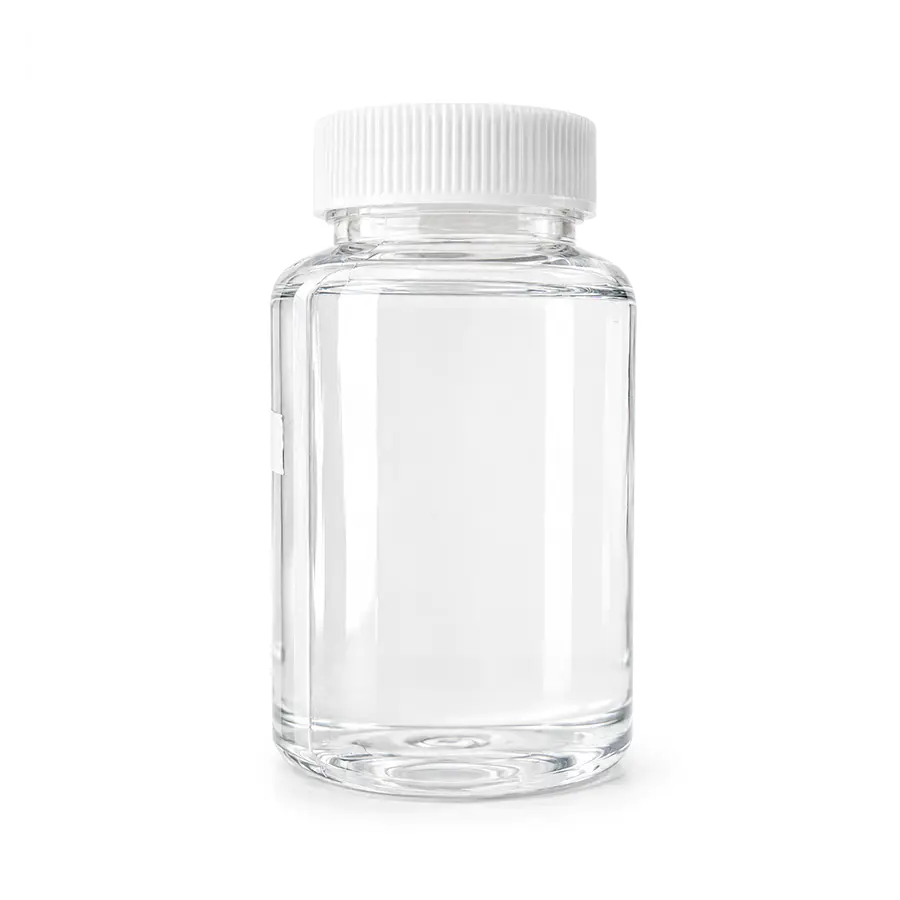
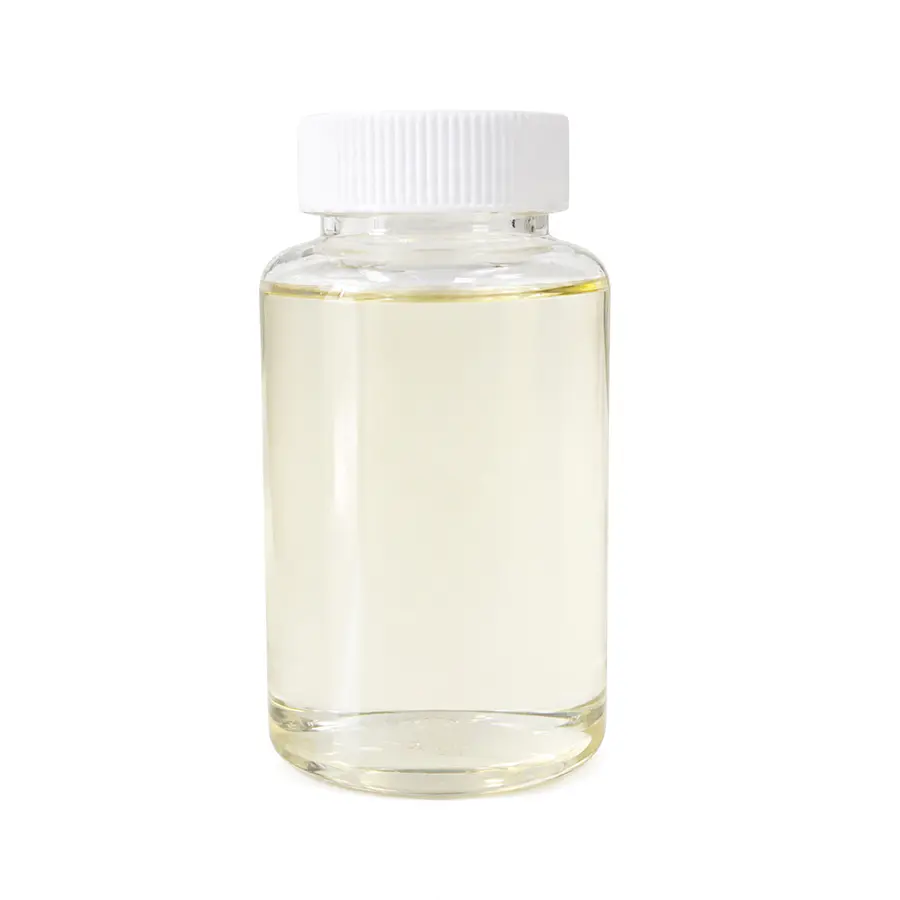
Hydrophilic Soft & Smooth Silicone Oil HN8686
1. The Changing Requirements of Textile Softening
Softening is one of the most important finishing operations in textile production. It influences how a fabric feels in the hand, how easily it moves over the skin, how it behaves during sewing, and how consumers perceive product quality. However, softness alone is no longer sufficient for many markets. Consumers expect towels to absorb water, sportswear to manage moisture, underwear to remain comfortable, and household textiles to resist static and staining. These performance requirements must be achieved without compromising color, whiteness, dimensional stability, or production efficiency.
Traditional cationic softeners can provide an attractive initial hand feel, but they may not deliver sufficient hydrophilicity for highly absorbent articles. Some conventional silicone oils give excellent smoothness but can create an overly hydrophobic surface. When this occurs, water may spread slowly or fail to penetrate the fabric efficiently. This is especially undesirable for towels, underwear, cotton garments, and other products that come into direct contact with water or perspiration.
Another common challenge is the relationship between finishing and dyeing. A finishing agent that interferes with dye uptake can cause shade variation, reduced depth, unlevel coloration, or difficulties when a finished fabric must be corrected. If a softener has to be completely stripped before re-dyeing, additional water, energy, labor, and chemicals are required. The risk of shade changes and fabric damage can also increase.
HN8686 addresses these practical concerns through a multifunctional finishing approach. The product is intended to deliver a soft, smooth, hydrophilic surface while minimizing effects on whiteness, shade, and dye absorption. It is therefore positioned not simply as a softening agent, but as a finishing solution for improving overall textile wearability and processing flexibility.
2. Product Identity and Technical Profile
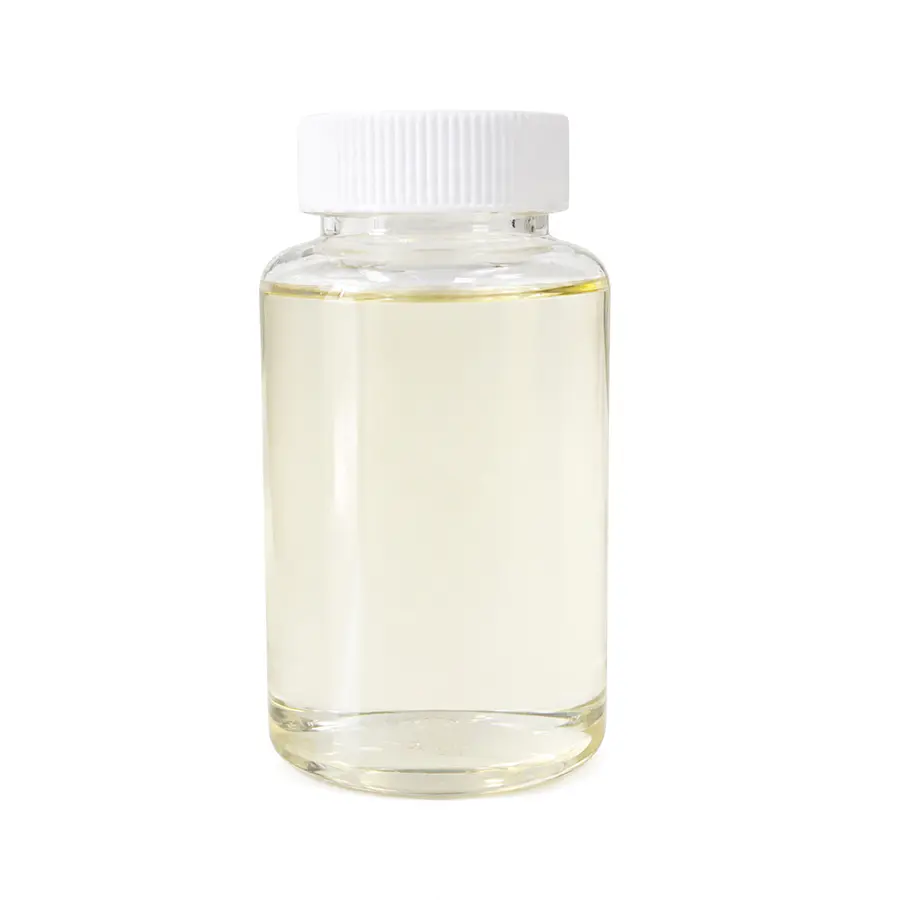
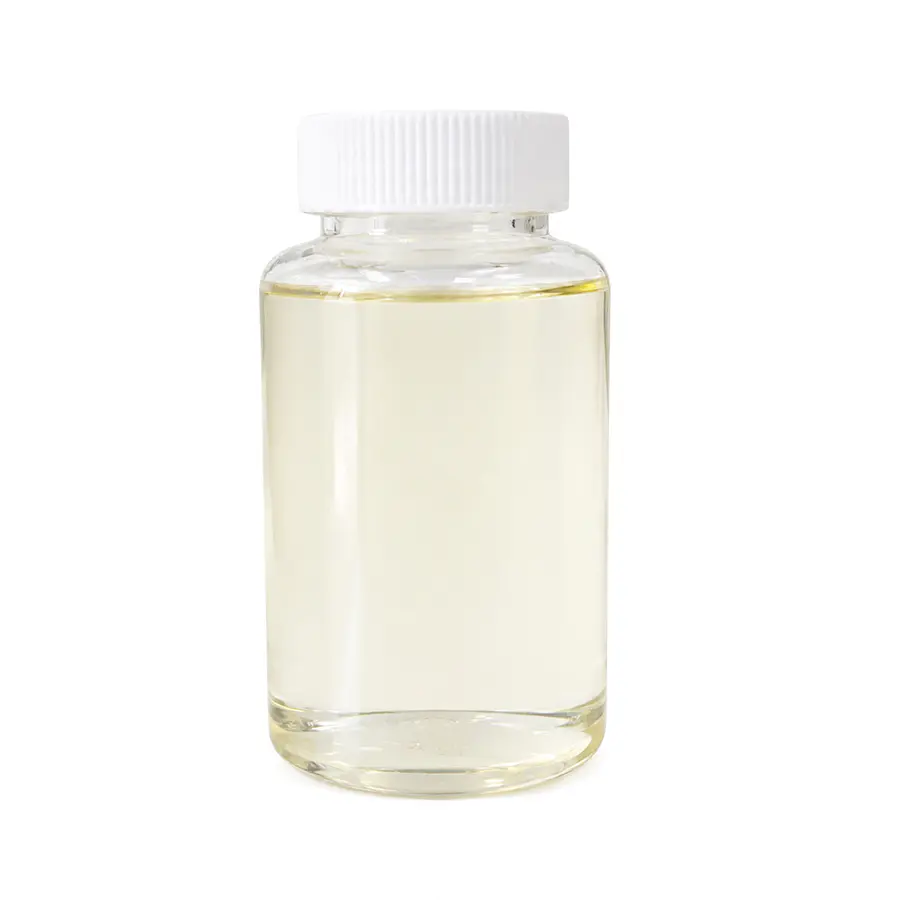
Hydrophilic Soft & Smooth Silicone Oil HN8686 is supplied as a light yellow transparent viscous liquid. Its ionic character is cationic, and its pH value is 6.0–7.5 when measured in a 1% aqueous solution. After emulsification, the product can be dispersed in water in any ratio. The stated amine value is 0.5–0.55.
These basic parameters are important for textile formulators and production managers. Appearance provides an initial indication of product consistency and helps identify unusual changes during storage. Ionicity assists in compatibility assessment with other auxiliaries. The pH range is relatively mild for textile finishing applications, although final compatibility should always be confirmed under actual process conditions. Water dispersibility after emulsification supports preparation of padding and exhaustion baths at different working concentrations.
Parameter |
Typical specification or description |
Practical significance |
Appearance |
Light yellow transparent viscous liquid |
Supports visual quality control and identification of abnormal storage changes |
Ionicity |
Cationic |
Important for compatibility with dyes, auxiliaries, and fiber surfaces |
pH value |
6.0–7.5 in a 1% aqueous solution |
Provides a mild working profile for many textile finishing processes |
Solubility |
After emulsification, dispersible in water in any ratio |
Facilitates preparation of dilute application baths |
Amine value |
0.5–0.55 |
Provides a reference point for quality control and formulation comparison |
The technical data should be understood as a starting point for production control rather than a substitute for laboratory trials. Textile substrates differ in fiber type, construction, dye class, pretreatment history, absorbency, and target handle. A mill should therefore evaluate HN8686 using its own fabric constructions and process equipment before establishing final dosage and operating parameters.
3. Multifunctional Performance on Textile Fabrics
3.1 Hydrophilic finishing
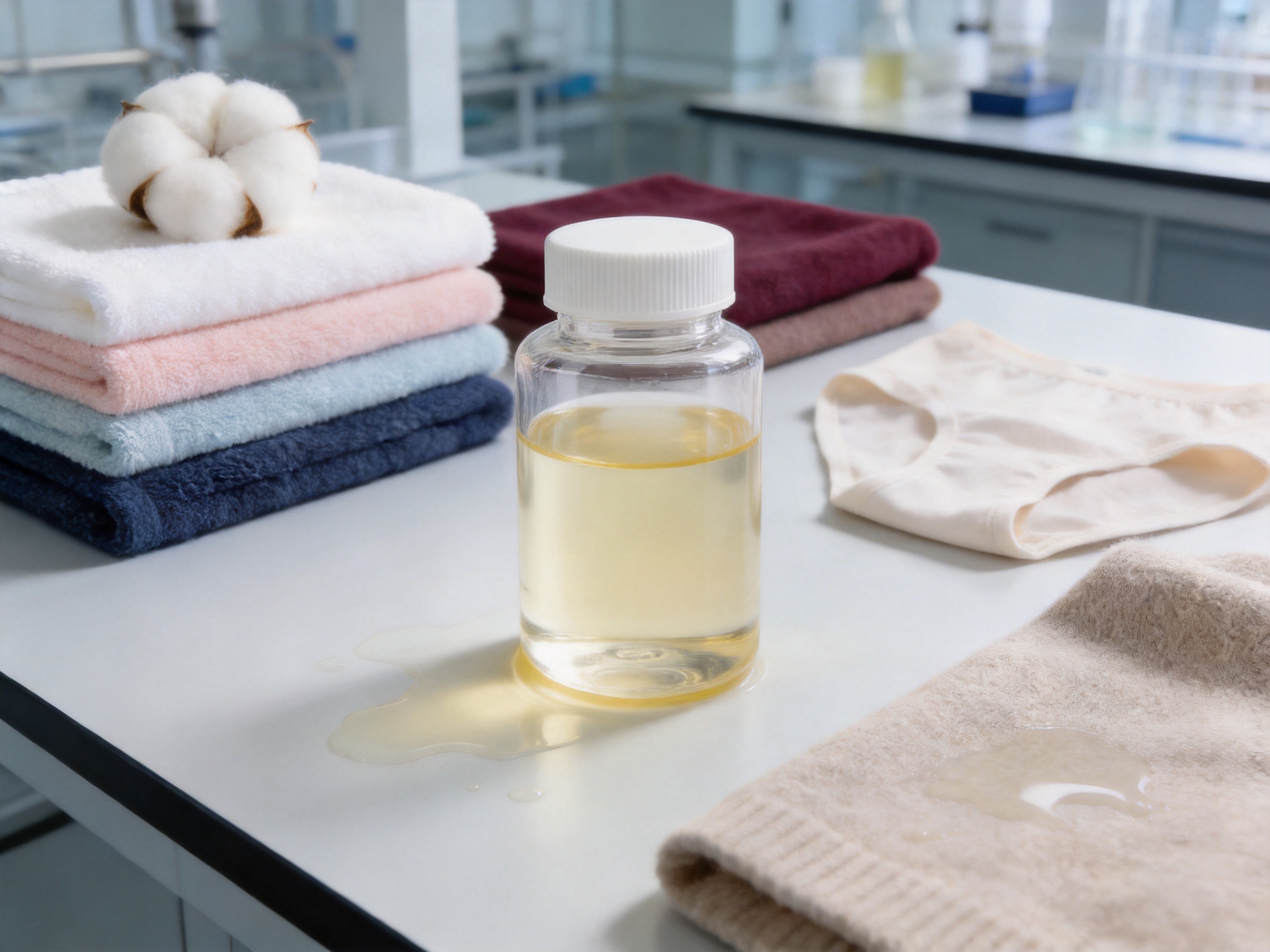
The central feature of HN8686 is its hydrophilic finishing effect. Hydrophilicity describes the ability of a fabric surface to interact favorably with water. In practical terms, a hydrophilic finish can improve wetting, water spreading, absorbency, and moisture contact with the textile surface. This characteristic is valuable in towels, underwear, cotton knitwear, home textiles, and other products where rapid moisture handling contributes to comfort or product function.
A hydrophilic silicone finish can be particularly useful because it seeks to combine the surface lubrication associated with silicone chemistry with an improved affinity for water. This balance is technically important. A highly hydrophobic silicone may provide a very smooth handle but reduce absorbency, while a strongly hydrophilic finish may not provide enough softness or surface lubrication. HN8686 is designed to bridge these performance requirements.
Improved hydrophilicity can also contribute to a more comfortable wearing sensation. Perspiration and moisture can be distributed more effectively across the textile surface, reducing the sensation of localized wetness. In products worn next to the skin, such as underwear and lightweight garments, this can improve the perceived freshness and comfort of the finished article.
3.2 Soft and smooth hand feel
Softness remains a primary reason for applying silicone-based textile finishes. HN8686 provides a hand feel described as soft and smooth, with performance similar to conventional amino silicone oils. The finish can reduce surface friction between fibers and improve the way fabric folds, drapes, and moves through the hand. This is useful for both apparel and household textiles.
Softness and smoothness are related but not identical. A soft fabric may feel cushion-like or supple, while a smooth fabric has reduced surface roughness and friction. The combined effect can produce a premium tactile impression without making the fabric excessively greasy or heavy, provided that the formulation and dosage are properly controlled.
For cotton and cotton-blend materials, this balance can be especially beneficial after wet processing, where the fabric may otherwise feel harsh because of repeated washing, dyeing, rinsing, and drying. For wool blends, a smoother surface may help reduce an undesirable harsh sensation. For polyester/cotton fabrics, the finish can help unify the hand feel of fibers with different surface characteristics.
3.3 Antistatic contribution
Static electricity can create practical problems during textile manufacturing and consumer use. It may cause fabrics to cling, attract dust, interfere with cutting and sewing, or produce uncomfortable shocks. Synthetic fibers are particularly susceptible to static accumulation under dry conditions because of their low moisture regain and limited electrical conductivity.
HN8686 imparts antistatic properties as part of its multifunctional finishing effect. Its hydrophilic character can support moisture interaction at the fiber surface, which may help reduce the tendency of fabrics to retain static charge. The actual antistatic performance will depend on fiber type, ambient humidity, fabric construction, finishing add-on, and testing method, but the property is a useful advantage for polyester blends, synthetic-rich textiles, and garments intended for dry environments.
3.4 Stain resistance and improved wearability
The product also provides stain resistance. In textile finishing, stain resistance may involve reducing the ease with which certain soils adhere to the fiber surface or helping the fabric maintain a cleaner appearance during use. The result depends on the stain type, fiber chemistry, fabric construction, and laundering conditions. Nevertheless, the inclusion of stain resistance in a hydrophilic softening system increases the functional value of the finish.
Softness, hydrophilicity, antistatic performance, and stain resistance work together to improve textile wearability. A fabric that feels comfortable, handles moisture effectively, attracts less static, and remains cleaner can offer a stronger consumer benefit than a fabric optimized only for tactile softness.
4. Advantages Compared with Conventional Silicone Softeners
4.1 A more balanced hydrophilic and softening profile
One of the most important advantages of HN8686 is its balanced performance. Conventional amino silicone oils are widely valued for their softness, smoothness, and lubrication. However, their hydrophobic nature can be undesirable in applications that require rapid wetting or absorbency. HN8686 is developed to retain a soft and smooth hand while providing excellent hydrophilicity.
This balance is particularly relevant when a mill serves several product categories with the same finishing platform. A conventional hydrophobic silicone may be suitable for outerwear or certain decorative fabrics but less suitable for towels or underwear. A strongly specialized hydrophilic product may improve absorbency but fail to provide the desired luxury handle. HN8686 offers a broader performance window and may reduce the need to maintain multiple unrelated softener systems.
4.2 Limited influence on whiteness and shade
Textile appearance is a commercial quality factor. A finish that changes whiteness, dulls a bright shade, or alters the visual depth of a dyed fabric can generate rework and customer complaints. HN8686 is described as having minimal impact on fabric whiteness and shade when properly applied.
This property is useful for white goods, pastel shades, deep colors, and fabrics requiring a clean and bright appearance. The product is also reported to support deep shades and pure, bright color tones. Since shade behavior depends on the complete process, mills should still evaluate color difference, reflectance, whiteness, and metamerism according to their own standards.
4.3 Re-dyeing without stripping the softener
A distinctive process advantage is the ability to re-dye finished fabrics without stripping the softener, according to the supplied product information. This can be valuable when a finished batch requires color correction, shade adjustment, or a change in product allocation.
In conventional workflows, a softener may need to be removed before re-dyeing because it can interfere with dye penetration or produce uneven coloration. Stripping requires additional chemicals, rinsing, time, energy, and wastewater treatment. If HN8686 allows re-dyeing without a separate stripping operation under suitable conditions, mills may gain greater flexibility and reduce unnecessary process steps.
This advantage should be verified through mill-scale trials because re-dyeing behavior depends on the dye class, substrate, bath chemistry, temperature, liquor ratio, and severity of correction. The product’s reported compatibility nevertheless offers an important point of differentiation when compared with softeners that restrict downstream processing.
4.4 No significant reduction in dye uptake
HN8686 is designed not to affect dye uptake significantly. Maintaining dye absorption is essential when the product is used in integrated processes or when fabric is exposed to finishing chemistry before a subsequent coloration step. Reduced dye uptake can produce pale shades, poor depth, unlevel results, or increased dye consumption.
The reported ability to support deep shades and pure, bright color tones is a practical benefit for mills producing high-value dyed goods. It can also simplify shade matching because the finishing agent is less likely to introduce an unpredictable visual shift. Even so, compatibility should be confirmed with the specific reactive, disperse, acid, direct, or other dye systems used by the mill.
4.5 Diluted bath stability
Application bath stability is a major operational concern. A softener may perform well in a laboratory beaker yet fail on production equipment if it demulsifies, forms oil spots, sticks to rollers, or separates during storage in the working tank. HN8686 is reported to have excellent stability after dilution, with no sticking to rollers, no demulsification, and no oil spotting under appropriate preparation and application conditions.
Stable dilution supports consistent deposition across the fabric width and length. It may also reduce the frequency of filter blockage, machine cleaning, production interruptions, and fabric rejection. This is particularly valuable in continuous padding lines, where a small instability can affect a large quantity of material before the issue is detected.
4.6 Resistance to alkalis and electrolytes
Textile processing baths may contain salts, alkalis, buffers, residual detergents, or other electrolytes. If a silicone emulsion is sensitive to these substances, it may break, form deposits, or produce uneven finishing. HN8686 is described as resistant to alkalis and electrolytes in its diluted solution.
This characteristic improves the product’s tolerance to realistic mill conditions. It does not mean that all chemicals can be mixed directly without testing. Rather, it indicates that the product has been designed with a useful degree of process robustness. Compatibility tests should still be conducted whenever the softener is combined with fixing agents, resins, optical brighteners, antimicrobial products, flame retardants, or other finishing chemicals.
5. Suitable Fiber Types and Textile Applications
HN8686 is recommended for pure cotton, polyester/cotton blends, pure cotton underwear, towels, wool blends, and other fabrics requiring hydrophilic softening. Its application range reflects the product’s combined emphasis on hand feel and moisture-related performance.
5.1 Pure cotton
Cotton is naturally absorbent, but wet processing and drying can leave the fiber surface harsh or rigid. HN8686 can help restore a softer and smoother hand while preserving the absorbent character that makes cotton attractive. It is suitable for knitted garments, woven apparel, bed linens, casualwear, and household textiles.
5.2 Polyester/cotton blends
Polyester/cotton blends combine the strength, dimensional stability, and easy-care properties of polyester with the comfort and moisture characteristics of cotton. However, their mixed-fiber surface can be difficult to finish evenly. A multifunctional silicone softener can help create a more uniform handle while contributing antistatic and hydrophilic properties.
The product may be especially useful where a blend needs to feel less synthetic without losing the durability and easy-care advantages of polyester. Production trials should assess deposition on both fiber components, shade retention, absorbency, and any effect on pilling or seam performance.
5.3 Underwear and next-to-skin fabrics
Underwear requires a combination of softness, smoothness, moisture comfort, and low static. A finish that is soft but strongly water-repellent may feel pleasant initially yet perform poorly when exposed to perspiration. HN8686 is well suited to this category because its hydrophilic profile supports moisture interaction while maintaining a comfortable tactile finish.
5.4 Towels and absorbent household textiles
Towels must absorb water efficiently. Excessive hydrophobic silicone deposition can reduce absorbency and delay wetting. A hydrophilic silicone designed for softening can provide a better compromise between plush hand feel and practical water uptake. Mills should test drop absorbency, sinking time, vertical wicking, horizontal spreading, and laundering durability as relevant to the product specification.
5.5 Wool blends
Wool and wool-blend fabrics benefit from controlled lubrication and a pleasant hand. HN8686 can help reduce harshness and provide a smoother surface. Because wool is sensitive to pH, temperature, agitation, and mechanical action, application conditions should be selected carefully. The product’s mild pH profile may be advantageous, but substrate-specific testing remains necessary.
6. Emulsification and Preparation Procedure
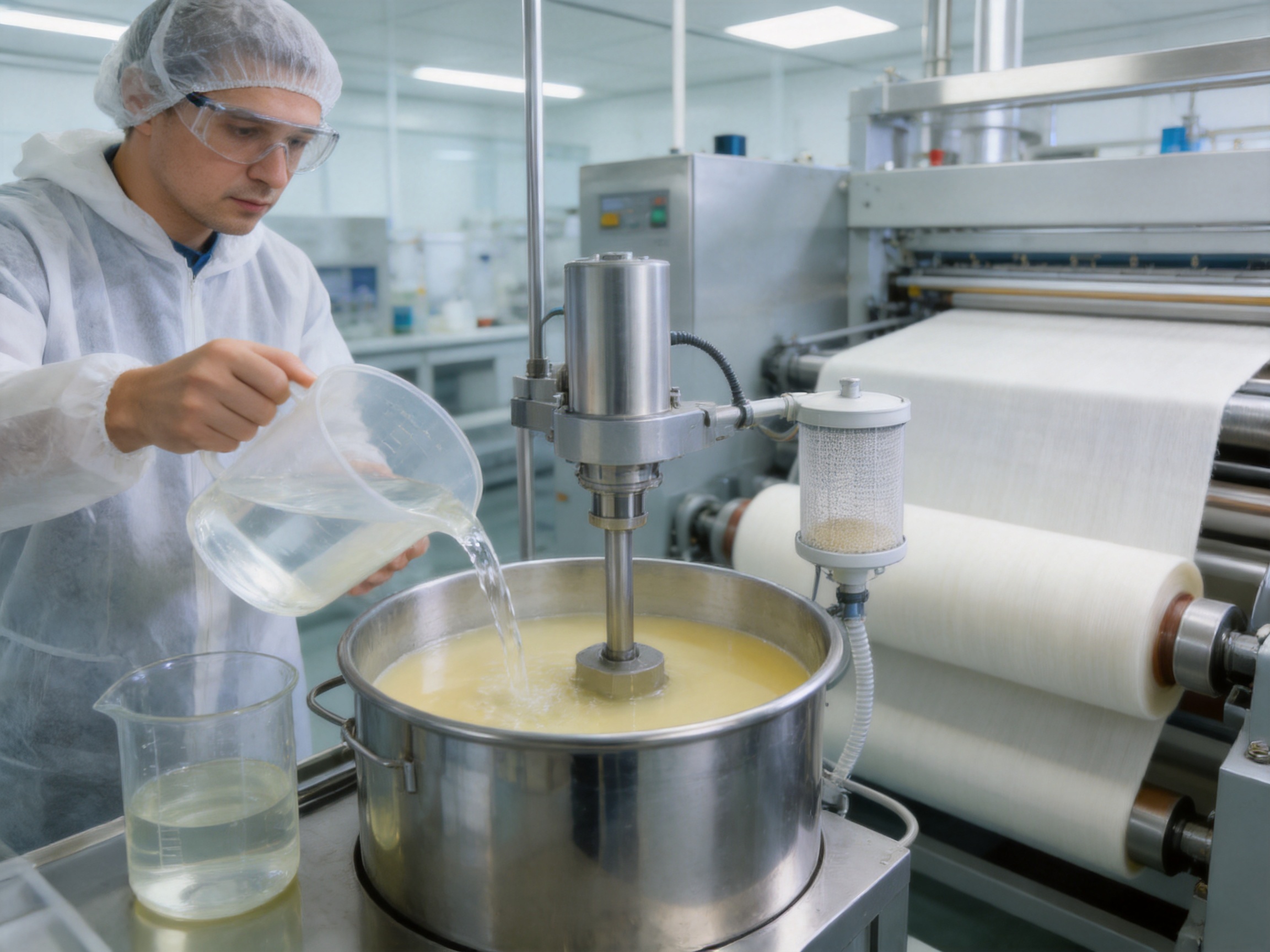
Correct emulsification is essential for obtaining a stable application bath. Silicone oils are not normally added directly to a large volume of water without preparation. Poor dispersion can lead to localized overconcentration, unstable droplets, oil spots, roller contamination, and uneven softness. The supplied procedure is based on pre-mixing the emulsifier and silicone oil, followed by controlled addition of water under high shear.
6.1 General preparation sequence
First, mix the emulsifier and HN8686 evenly. The product information identifies the emulsification ratio as “Silicone Oil HN8686: parts: 1 part,” but the provided material does not state a complete numerical ratio. The exact emulsifier quantity should therefore be confirmed with the supplier or established through a controlled laboratory trial before production use.
After the emulsifier and silicone oil have been mixed, start the high-shear mixer. Add water slowly to the mixture while maintaining effective agitation. Gradual water addition allows the emulsion structure to form progressively and helps avoid sudden phase separation. Continue mixing until the material is completely dissolved or uniformly dispersed.
Once all the required water has been added, continue stirring until the mixture is even throughout. The prepared product should then be filtered before discharge. Filtration can remove undispersed particles or foreign matter that might otherwise reach pumps, dosing lines, padding troughs, or fabric surfaces.
Stage |
Recommended action |
Purpose |
1 |
Mix emulsifier and silicone oil evenly |
Establishes a uniform premix before water addition |
2 |
Start high-shear mixing |
Promotes efficient dispersion and emulsion formation |
3 |
Add water slowly |
Reduces the risk of localized separation or incomplete dispersion |
4 |
Continue stirring after full water addition |
Ensures a uniform working solution |
5 |
Filter and discharge |
Helps protect application equipment and fabric quality |
6.2 Preparation controls
Water quality can influence emulsion stability. Mills should use water with a known hardness and low contamination level whenever possible. If the production site uses highly variable water, a comparison should be made between laboratory water and plant water. Temperature, mixing speed, addition rate, batch size, and holding time should also be recorded.
The preparation vessel should be clean and free from residues of incompatible chemicals. Residual anionic products, strong alkalis, oils, or previous finishing agents may alter the behavior of a cationic silicone system. Where a working bath will be held for an extended period, the mill should evaluate stability over the expected production time rather than relying only on immediate visual appearance.
Visual inspection should check for uniformity, oil separation, flocculation, sediment, excessive foam, and changes in viscosity. Production personnel should also monitor filters, pumps, valves, padding rollers, and fabric surfaces during application.
7. Recommended Application Methods
7.1 Padding process
The recommended padding dosage is 25–50 g/L of diluted product, based on 25% active content. The appropriate point within this range depends on the fiber type, fabric weight, construction, target handle, wet pick-up, and desired hydrophilic effect.
A lower dosage may be appropriate for lightweight fabrics or when a subtle handle is required. A higher dosage may be selected for heavier cotton goods, towels, or products requiring a more pronounced softening effect. Excessive dosage should be avoided because it may increase cost, alter absorbency, produce an overly lubricated surface, or influence shade appearance.
Padding performance depends strongly on wet pick-up and expression pressure. The chemical concentration alone does not determine the final add-on. Mills should calculate the amount of active product deposited on the fabric and keep pad pressure, roller condition, line speed, and drying conditions consistent.
7.2 Exhaustion process
The recommended exhaustion dosage is 3–6% on the weight of fabric, based on the diluted product. Exhaustion application may be selected for fabrics or production routes where a padding mangle is unavailable or where gradual bath contact is preferred.
Important variables include liquor ratio, bath temperature, treatment time, fabric movement, pH, and drainage efficiency. The product should be added in a way that prevents localized concentration. Pre-dilution and controlled dosing can improve bath uniformity, especially in low-liquor-ratio systems.
Application route |
Recommended dosage |
Key variables to control |
Padding |
25–50 g/L of diluted product |
Wet pick-up, pad pressure, line speed, drying, fabric construction |
Exhaustion |
3–6% o.w.f. of diluted product |
Liquor ratio, temperature, treatment time, pH, agitation, drainage |
7.3 Drying and curing considerations
After application, drying should be controlled to achieve even moisture removal without causing migration of the silicone emulsion. Excessively rapid drying can sometimes move chemicals toward the fabric surface or edges, while inadequate drying can affect handle development and storage stability. The optimum drying profile should be determined according to fiber type, fabric weight, machine configuration, and production speed.
HN8686 should be evaluated under the mill’s normal drying and finishing conditions. If the fabric passes through compacting, calendaring, raising, sanforizing, or other mechanical operations, the final handle and absorbency should be checked after all relevant operations rather than immediately after chemical application.
8. Manufacturing Strengths Behind the Product
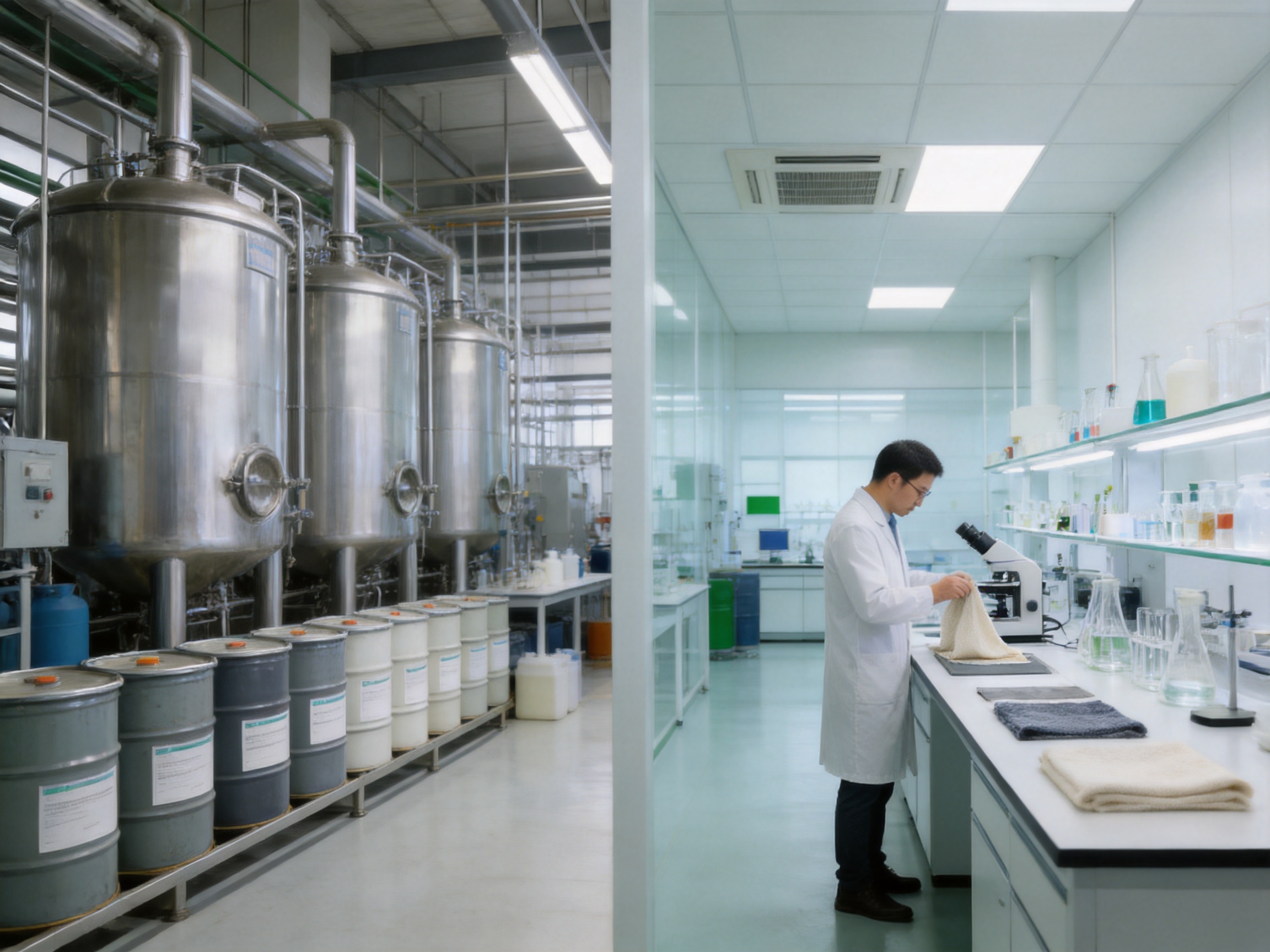
The performance of a textile auxiliary depends not only on its chemical concept but also on the consistency of its manufacturing system. Jiangyin Huanan New Materials Technology Co., Ltd. was established in 1984 and operates in Jiangyin City, Jiangsu Province, China. The company specializes in the research, development, production, and sales of pretreatment, dyeing, and finishing auxiliaries.
The company operates two production plants with an annual production capacity of 60,000 tons. This scale supports supply continuity for customers requiring regular commercial deliveries. It also provides a foundation for standardized batch production, raw material planning, equipment utilization, and production scheduling.
Its product portfolio includes moisture-wicking finishing agents, high-concentration repairing agents, low-temperature environmentally friendly carriers, silicone oils and silicone softeners, antistatic agents, color-fixing agents, stiffening agents, down-proof and windproof agents, and dry- and wet-rubbing fastness enhancers. This broad portfolio is valuable because textile mills often need coordinated solutions across pretreatment, dyeing, and finishing rather than a single isolated product.
8.1 In-house laboratory and R&D capability
An in-house laboratory enables product evaluation, application testing, and formulation improvement under controlled conditions. For a hydrophilic silicone softener, laboratory work may include emulsion stability, compatibility testing, hand-feel assessment, absorbency measurement, antistatic evaluation, shade comparison, and durability testing after laundering.
In-house research also helps connect product design with customer requirements. Different markets may prioritize different performance combinations. One customer may require maximum towel absorbency, another may need a very smooth underwear finish, and another may need shade stability on deep polyester/cotton colors. A company with formulation and application expertise can adapt development work to these varied needs.
8.2 Customized formulation capability
Textile substrates differ substantially in fiber chemistry, fabric construction, dye history, and finishing route. A standardized product is useful, but customized formulation and application guidance may be necessary for demanding projects. Jiangyin Huanan identifies customized formulation capability as part of its service approach.
Customization can involve adjusting the balance between softness, smoothness, hydrophilicity, antistatic performance, bath stability, active content, or compatibility with a specific process. It may also involve recommending a preparation sequence, application dosage, or combination with other auxiliaries. Any customized solution should be verified by laboratory and pilot trials before commercial adoption.
8.3 Standardized production and quality control
Standardized production is important for silicone-based products because small changes in raw material quality, mixing conditions, emulsification energy, temperature, or batch aging can influence viscosity, appearance, stability, and fabric performance. A controlled manufacturing process helps reduce batch-to-batch variation.
Quality control should cover incoming raw materials, in-process parameters, finished-product appearance, pH, ionic behavior, active content where applicable, viscosity, water dispersibility, and storage stability. Application testing adds another layer of protection by confirming that a batch performs correctly on representative fabrics.
8.4 Integrated supply network
An integrated supply network can support reliable delivery, production planning, and customer response. For textile mills, supply reliability is commercially important because finishing chemicals are often required according to strict production schedules. Delayed delivery of a key softener can interrupt dyeing and finishing operations, create machine idle time, and affect shipment commitments.
The combination of production capacity, laboratory support, technical service, and supply coordination gives the manufacturer a broader foundation than a product-only trading operation. It allows customers to discuss both immediate supply needs and longer-term process improvement.
9. Environmental and Compliance Considerations
Textile chemical buyers increasingly evaluate products according to both performance and environmental profile. The supplied company information emphasizes eco-friendly, APEO-free, and formaldehyde-free formulations. These characteristics can support textile manufacturers seeking to reduce substances of concern and align their chemical inputs with international market expectations.
HN8686 should nevertheless be assessed within the complete chemical management system of the mill. Environmental performance includes not only the formulation itself, but also dosage, bath stability, wastewater behavior, packaging, storage, worker exposure, and the energy required for processing. A stable product that reduces reprocessing, stripping, or rejected fabric may contribute to lower overall resource consumption.
The company identifies support for international environmental and management standards, including OEKO-TEX, ISO 14001, and ISO 45001. OEKO-TEX relates to restricted substances and textile product safety requirements, while ISO 14001 concerns environmental management systems and ISO 45001 concerns occupational health and safety management. Buyers should request current certificates, declarations, safety data, and product-specific compliance documents when required by their supply chain.
APEO-free and formaldehyde-free positioning can be important for brands and exporters whose restricted-substance lists prohibit or limit these substances. However, compliance should be confirmed for the specific product batch and market requirement. A complete documentation package may include a technical data sheet, safety data sheet, restricted-substance declaration, testing report, and updated regulatory statement.
10. Quality Evaluation Before Commercial Use
A systematic trial program allows a mill to judge HN8686 fairly against its existing softener. The evaluation should include both laboratory performance and production practicality. Testing only hand feel may overlook important factors such as absorbency loss, bath instability, shade change, or poor durability.
10.1 Recommended laboratory checks
Initial checks should include appearance, odor, pH of a 1% aqueous solution, dilution behavior, and short-term emulsion stability. A prepared bath can be observed for separation, sediment, flocculation, or excessive foam. The mill should also evaluate stability after contact with process water and representative electrolytes.
Fabric testing should include softness, smoothness, absorbency, hydrophilicity, whiteness, color difference, antistatic behavior, and stain response where relevant. The testing method should be consistent across the incumbent product and HN8686 so that the comparison is meaningful.
10.2 Production trial checks
During a machine trial, operators should monitor bath appearance, filter loading, roller cleanliness, fabric edge behavior, drying performance, and fabric uniformity. Finished rolls should be checked at the beginning, middle, and end of the run. Cross-width samples can reveal migration or uneven expression that may not appear in a small laboratory sample.
After finishing, the fabric should be tested following any additional operations that occur before shipment. These may include compacting, calendaring, brushing, raising, garment washing, or heat setting. Consumer-relevant performance should be evaluated after laundering where appropriate.
10.3 Comparison criteria
A useful comparison with competing products should consider total process value rather than unit price alone. Important criteria include the required dosage, active content, bath stability, shade impact, re-dyeing flexibility, absorbency, handle durability, production loss, cleaning frequency, and wastewater implications.
Evaluation area |
Questions for the mill |
Handle |
Does the fabric achieve the desired softness and smoothness without excessive greasiness? |
Hydrophilicity |
Does wetting or absorbency remain suitable after finishing and laundering? |
Color |
Are whiteness, shade depth, brightness, and color difference maintained? |
Processing |
Does the bath remain stable without roller sticking, oil spotting, or demulsification? |
Flexibility |
Can the fabric be re-dyed or corrected without stripping under the intended conditions? |
Economics |
Does the product reduce rework, cleaning, rejects, or total chemical consumption? |
Compliance |
Does documentation meet the buyer’s restricted-substance and sustainability requirements? |
11. Storage, Handling, and Shelf Life
HN8686 is supplied in 120 kg or 50 kg plastic drums. It should be stored in a cool, well-ventilated warehouse. The stated shelf life is six months. Containers should remain properly closed when not in use, and the product should be protected from excessive heat, freezing conditions, direct sunlight, and contamination.
Before use, the product should be inspected for changes in appearance, phase separation, unusual odor, or significant thickening. If any abnormality is observed, the material should be isolated and evaluated rather than introduced directly into production. Storage records should include batch number, receipt date, opening date, and expiration or retest date.
Handling personnel should follow the current safety data sheet and site chemical-management procedures. Appropriate personal protective equipment, spill controls, labeling, and ventilation should be provided according to the workplace risk assessment. Empty containers should be managed according to local regulations and the mill’s waste-handling system.
12. Practical Benefits for Textile Manufacturers
From a production perspective, HN8686 can offer several potential benefits. Its combined softening and hydrophilic performance may help mills simplify product selection across cotton, blends, towels, underwear, and wool-blend fabrics. Its reported stability can support smoother operation on padding and exhaustion equipment. Its limited impact on dye uptake and shade can reduce color-related risk. Its re-dyeing flexibility may help lower the cost of correcting finished goods.
The product may also support a more consistent quality promise to customers. Instead of describing a fabric only as soft, a mill can pursue a broader performance profile that includes comfort, moisture interaction, reduced static, and stain resistance. This is increasingly relevant for brands seeking functional textiles and for consumers who evaluate garments through everyday use rather than appearance alone.
The final commercial benefit will depend on correct preparation, dosage control, substrate selection, and testing. No finishing agent can compensate for poorly prepared fabric, uncontrolled bath conditions, incompatible chemicals, or inadequate drying. HN8686 should therefore be integrated into a disciplined process-control system.
13. Q&A
Q1: What is Hydrophilic Soft & Smooth Silicone Oil HN8686?
It is a cationic silicone-based textile softener designed to provide a soft and smooth hand while also imparting hydrophilicity, antistatic properties, and stain resistance. It is intended for fabrics such as cotton, polyester/cotton blends, towels, underwear, wool blends, and similar materials.
Q2: How does HN8686 differ from a conventional amino silicone oil?
HN8686 is designed to provide a hand feel similar to conventional amino silicone oils while offering stronger hydrophilic performance. This makes it more suitable for applications where absorbency, moisture comfort, and reduced static are important in addition to softness.
Q3: Can it be used on towels?
Yes. The product is particularly suitable for hydrophilic softening of towels because it is intended to preserve a favorable relationship between softness and water affinity. The mill should confirm absorbency and laundering durability using its own towel construction and target standard.
Q4: Can it be used on pure cotton underwear?
Yes. Pure cotton underwear is one of the recommended application areas. The product’s soft, smooth, hydrophilic, and antistatic properties are relevant to next-to-skin comfort. A trial should establish the best dosage for the required handle and moisture performance.
Q5: Does HN8686 affect fabric color?
The supplied information states that it has minimal impact on fabric whiteness and shade, does not affect dye uptake, and can support deep, pure, and bright color tones. Actual results depend on the substrate, dye system, dosage, drying conditions, and other process chemicals, so shade testing is recommended.
Q6: Can finished fabric be re-dyed without stripping the softener?
According to the supplied product information, dyed fabrics can be re-dyed after finishing without stripping the softener. Because re-dyeing conditions vary widely, the claim should be confirmed through a trial using the relevant dye class, fabric, and correction process.
Q7: What is the recommended padding dosage?
The recommended padding dosage is 25–50 g/L of diluted product, based on 25% active content. The final dosage should be selected according to fabric type, wet pick-up, target handle, and absorbency requirements.
Q8: What is the recommended exhaustion dosage?
The recommended exhaustion dosage is 3–6% on the weight of fabric of the diluted product. Liquor ratio, bath temperature, treatment time, pH, and agitation should be controlled to ensure even deposition.
Q9: How should the product be emulsified?
The emulsifier and silicone oil should first be mixed evenly. A high-shear mixer should then be started, and water should be added slowly to the mixture until it is completely dissolved or uniformly dispersed. After all water has been added, the mixture should be stirred evenly, filtered, and discharged. The complete numerical emulsifier ratio should be confirmed because the supplied specification does not state it fully.
Q10: Is the diluted solution stable?
The product information describes the diluted solution as highly stable, with no sticking to rollers, no demulsification, and no oil spotting under suitable conditions. Resistance to alkalis and electrolytes is also reported. Mills should validate stability with their own water quality and chemical combinations.
Q11: What are the product’s storage conditions?
HN8686 should be stored in a cool, well-ventilated warehouse in suitable sealed plastic drums. The stated shelf life is six months. The product should be protected from excessive heat, freezing, sunlight, and contamination.
Q12: What documentation should buyers request?
Buyers should request the current technical data sheet, safety data sheet, batch information, certificate of analysis where applicable, restricted-substance declaration, and any relevant environmental or compliance documentation. Product-specific requirements should be checked against the buyer’s market and brand standards.
14. Conclusion
Hydrophilic Soft & Smooth Silicone Oil HN8686 is designed for textile manufacturers that need more than conventional softness. Its key value lies in the combination of a soft and smooth hand with hydrophilicity, antistatic performance, stain resistance, color compatibility, and stable application behavior. This combination makes it relevant to cotton, polyester/cotton blends, underwear, towels, wool blends, and other fabrics where comfort and functional performance must coexist.
Compared with more limited softening systems, HN8686 offers a broader process and performance profile. Its reported minimal effect on whiteness and shade, compatibility with dye uptake, potential for re-dyeing without stripping, resistance to alkalis and electrolytes, and stable diluted solution can help reduce production risk. These advantages are especially meaningful when evaluated through total process cost, rework prevention, production reliability, and final fabric performance.
The product is supported by a manufacturer with a long operating history, two production plants, substantial annual capacity, an in-house laboratory, customized formulation capability, standardized production, and an integrated supply network. Its wider portfolio of textile auxiliaries enables technical support across pretreatment, dyeing, and finishing applications.
For best results, mills should confirm the exact emulsification ratio, conduct substrate-specific trials, control dilution and application parameters, and evaluate performance after all relevant finishing and laundering operations. When integrated into a disciplined quality and chemical-management system, HN8686 can help textile producers create fabrics that are softer, smoother, more comfortable, more hydrophilic, and better aligned with modern functional and environmental expectations.
References
1. Product technical information for Hydrophilic Soft & Smooth Silicone Oil HN8686, including appearance, ionic character, pH, solubility, amine value, performance characteristics, dosage, storage, and shelf-life data.
2. Jiangyin Huanan New Materials Technology Co., Ltd. company information concerning textile auxiliary production, research and development, manufacturing capacity, product portfolio, quality management, and customized formulation services.
3. General principles of textile wet processing, dyeing, finishing, softening, hydrophilic treatment, and process control.
4. General laboratory and industrial practices for evaluating textile hand feel, absorbency, antistatic behavior, shade change, emulsion stability, and laundering durability.
5. General guidance concerning environmental management, occupational health and safety, restricted substances, and responsible textile chemical use.
Product: Hydrophilic Soft & Smooth Silicone Oil HN8686


Contact us
huanannewmaterials@gmail.com
-
 Phone: +86 - 13861620767
-
 Fax: +86-0510-86200939
-
 298 Hongxing Road, Huashi Town, Jiangyin City, Wuxi City, Jiangsu Province, China
Product links
Mobile App
Copyright © Jiangyin Huanan New Materials Technology Co., Ltd. All Rights Reserved

-
huanannewmaterials@gmail.com
-

-

-
+86 - 13861620767