


 English
 中文简体

Advanced Leveling Technology for Consistent Wool Dyeing
Content
- 1 1. The Challenge of Level Wool Dyeing
- 2 2. Product Identity and Technical Profile
- 3 3. How HN-ABG Supports the Dyeing Mechanism
- 4 4. Applications with Reactive Dyes
- 5 5. Applications with Acid, Complex, and Metal Complex Dyes
- 6 6. Advantages Compared with Conventional Leveling Approaches
- 7 7. Recommended Processing Conditions
- 8 8. Suitable Fibers and Equipment
- 9 9. Manufacturing Strengths and Quality Assurance
- 10 10. Operational and Commercial Benefits
- 11 11. Recommended Development Procedure for Dyehouses
- 12 12. Storage, Handling, and Safety
- 13 13. Why Manufacturer Support Matters
- 14 14. Frequently Asked Questions
- 14.1 Q1. What is HN-ABG mainly used for?
- 14.2 Q2. Which fibers are suitable for HN-ABG?
- 14.3 Q3. What is the recommended dosage?
- 14.4 Q4. Can HN-ABG be used in jet dyeing machines?
- 14.5 Q5. How should HN-ABG be added to the dye bath?
- 14.6 Q6. Can fabric be loaded dry?
- 14.7 Q7. Is HN-ABG compatible with all auxiliaries?
- 14.8 Q8. Can it be used with hard water?
- 14.9 Q9. Can wool be dyed at approximately 85°C with HN-ABG?
- 14.10 Q10. What are the main advantages over a narrowly specialized leveling agent?
- 14.11 Q11. How should the product be stored?
- 14.12 Q12. Does HN-ABG replace proper dyeing control?
- 15 15. Conclusion
- 16 References
- 17 Product: Wool Reactive Leveling Agent HN-ABG
Consistent wool dyeing requires more than the selection of a suitable dyestuff. Wool is a natural protein fiber with an irregular surface, variable chemical affinity, and a strong sensitivity to temperature, pH, mechanical action, and processing time. These characteristics create demanding conditions for dyehouses. If dye migration is insufficient or exhaustion is too rapid, the result may be uneven coloration, tip-to-root variation, barre, poor reproducibility, or unnecessary reprocessing.
HN-ABG is a wool leveling agent developed for exhaustion dyeing with reactive dyes at or below boiling point. It is also suitable for wool dyed with acid dyes, complex dyes, and 1:1 metal complex dyes at temperatures below boiling point. Based on a hydroxyethylated fatty acid amine derivative and designed with amphoteric ionic properties, the product provides balanced interaction with both wool fibers and dyestuffs.
The agent is intended to improve migration, control dye-fiber interaction, enhance exhaustion, and support level dyeing throughout the processing cycle. It can be used with protein fibers, polyamide fibers, and their blends on all common batch dyeing equipment. Its low-foaming behavior, wetting capability, compatibility with various auxiliaries, and stability in hard water, acids, alkalis, and electrolytes make it a practical option for modern dyehouses.
Manufactured by Jiangyin Huanan New Materials Technology Co., Ltd., HN-ABG forms part of a broader portfolio of textile pretreatment, dyeing, printing, and finishing auxiliaries. The company combines long-term textile chemical experience with in-house research and development, standardized production, laboratory testing, quality control, and customized formulation capabilities.
1. The Challenge of Level Wool Dyeing
Wool fibers are chemically active and structurally complex. Their surface contains scales, while the fiber itself includes regions with different degrees of crystallinity, porosity, and accessibility. These natural variations influence the speed at which dyes are absorbed. Wool from different sources, lots, or processing histories can therefore respond differently under the same dyeing recipe.
During exhaustion dyeing, the dye must move from the bath to the fiber surface, migrate along the material, and finally penetrate and bind or remain associated with the fiber. When this sequence is not sufficiently controlled, the dye may be absorbed locally before it has had time to distribute evenly. This is especially important with reactive dyes, which can produce strong color-fiber interactions and may require careful control of application conditions.
Uneven dyeing can also result from differences in fiber affinity within a single fabric or yarn package. Wool tips, roots, damaged areas, compacted zones, and blended components may not absorb dyestuff at the same rate. A suitable leveling agent helps moderate these differences by improving migration and distributing dye more uniformly before final exhaustion.
The role of a leveling agent is therefore not simply to slow down dye uptake. An effective product should provide controlled adsorption, promote movement within the bath and substrate, and help the dye reach less-accessible areas. At the same time, it should not excessively reduce exhaustion or leave a high residual dye concentration in the bath.
HN-ABG is designed around this balance. It has affinity for both dyes and fibers, allowing it to influence the relationship between dyestuff and wool during the complete dyeing cycle. The product promotes migration, improves surface leveling, supports the leveling of wool tips, and helps achieve a more reproducible final shade.
2. Product Identity and Technical Profile
HN-ABG is a liquid wool leveling agent for batch dyeing applications. Its amphoteric nature allows it to function across a range of dyeing environments and makes it compatible with anionic, cationic, and non-ionic products when properly formulated. As with many leveling systems, the presence of strongly anionic substances may reduce its effectiveness, so compatibility should be confirmed through laboratory trials.
| Property | Typical information |
| Product type | Wool leveling agent |
| Main component | Hydroxyethylated fatty acid amine derivative |
| Ionicity | Amphoteric |
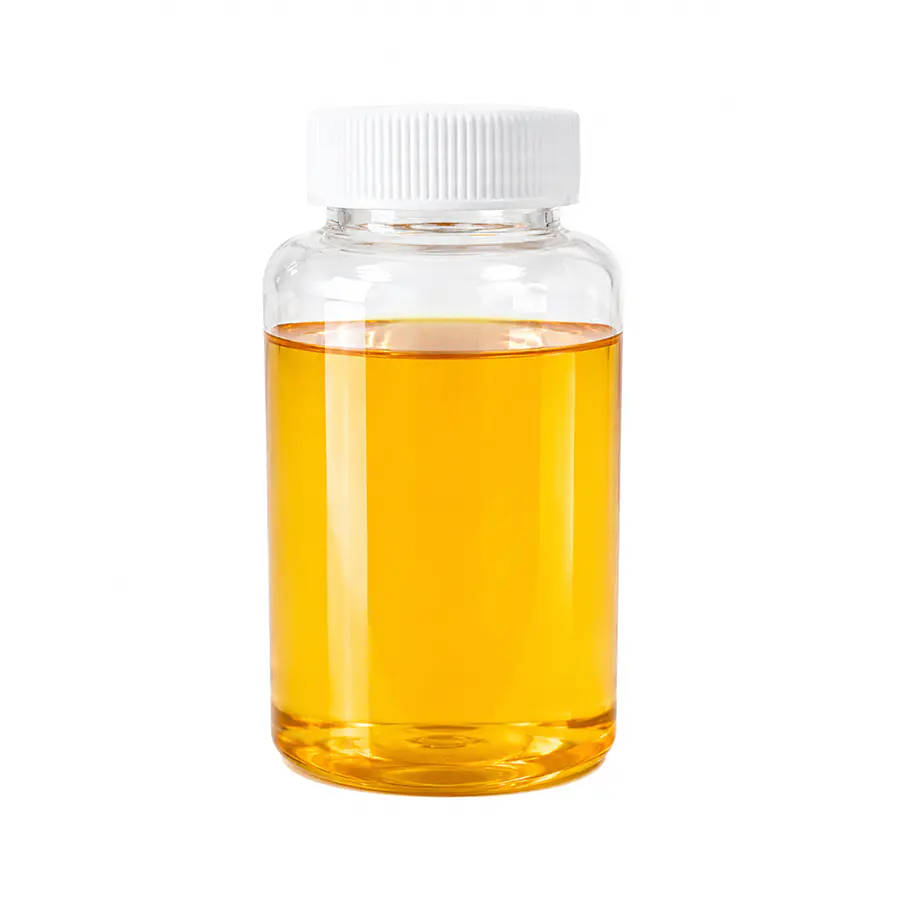
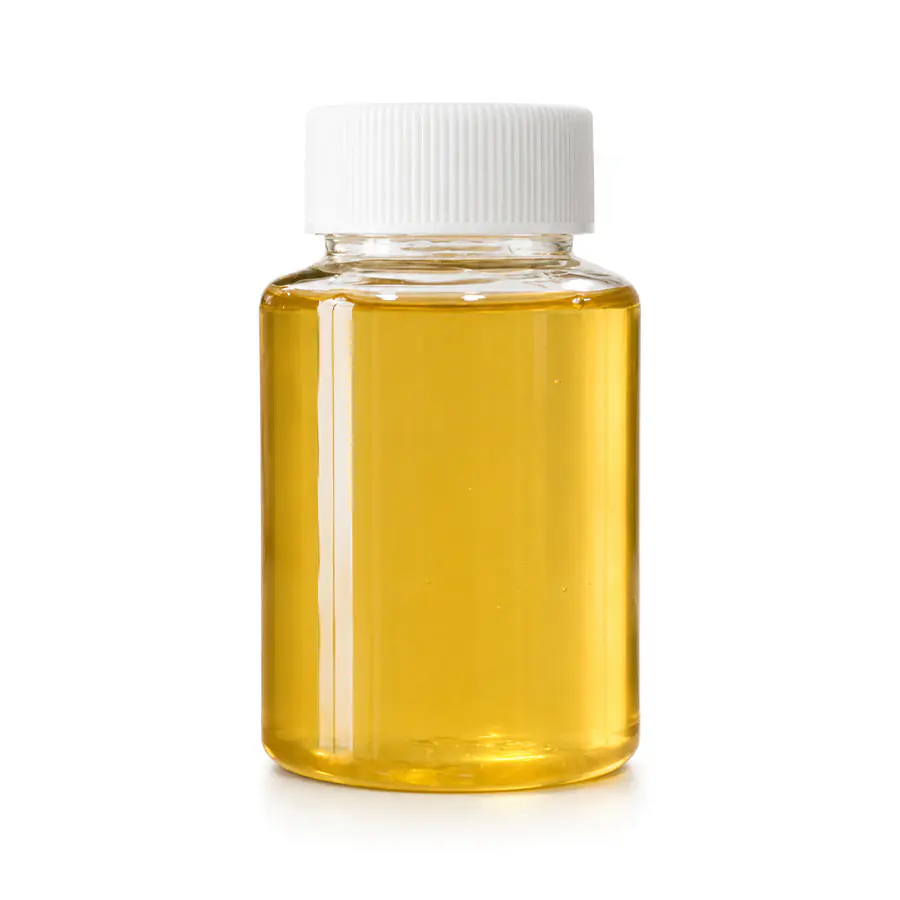
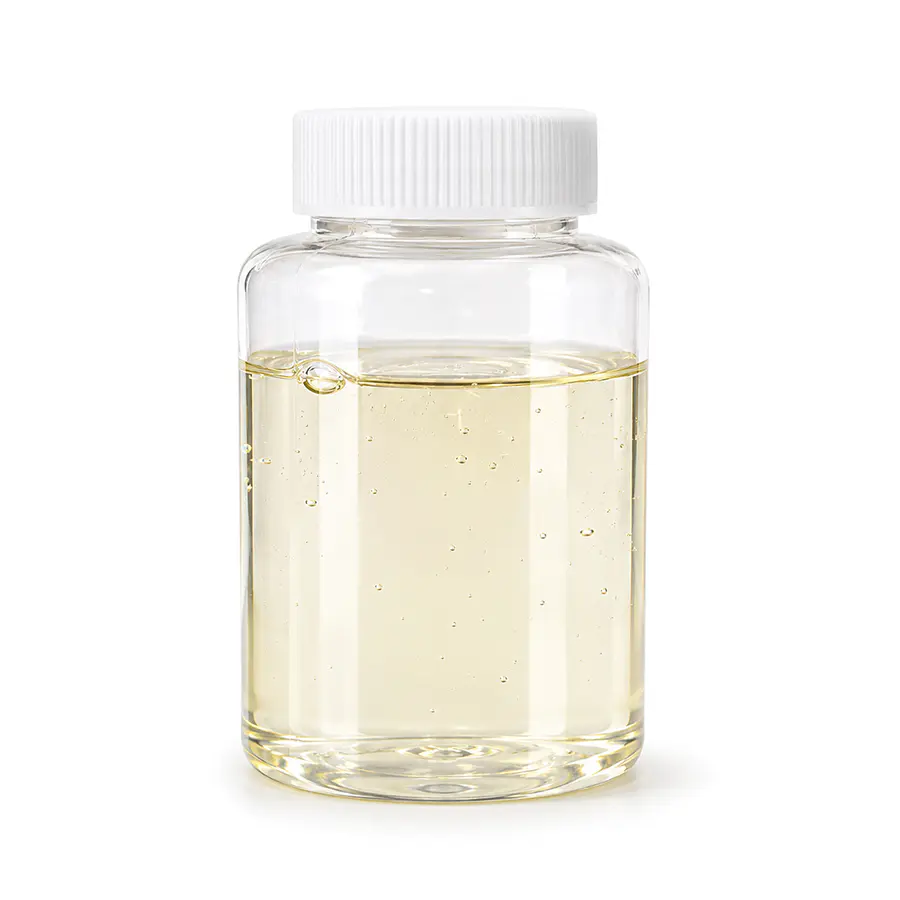
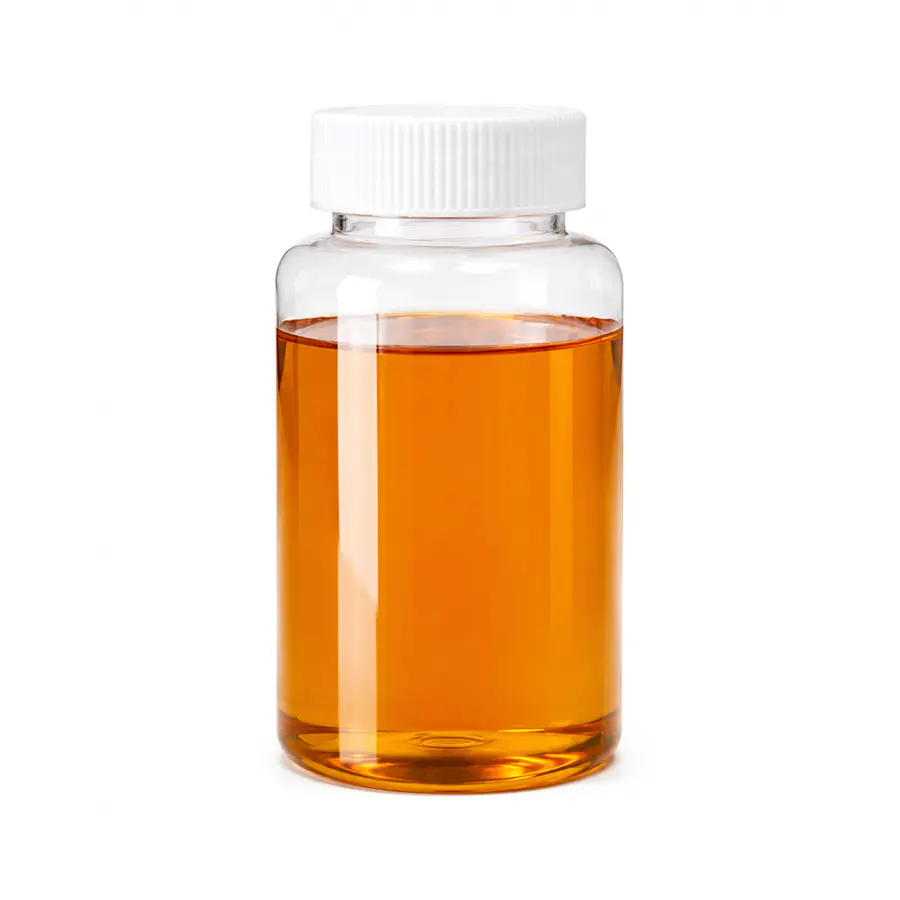
| Appearance | Yellowish-brown, opaque, low-viscosity liquid |
| pH value | Approximately 6 for a 5% solution |
| Density | Approximately 1.1 g/cm³ at 20°C |
| Suitable fibers | Protein fibers, polyamide fibers, and their blends |
| Suitable equipment | All batch dyeing equipment |
| Application stage | Dyeing |
| General dosage | 1–2% on weight of fabric |
| Storage stability | 12 months in sealed packaging at 0–40°C |
The low-viscosity liquid form supports convenient handling and dosing. For best dispersion, HN-ABG should preferably be added to hot water with stirring or introduced directly into a high-circulation dye liquor. Its strong wetting properties also allow fabric to be run directly in a dry state, which can simplify certain operating procedures.
3. How HN-ABG Supports the Dyeing Mechanism
3.1 Balanced affinity for dyes and fibers
A leveling agent that interacts only with the dyestuff or only with the fiber may not provide sufficient control across the entire dyeing cycle. HN-ABG has affinity for both dyes and fibers. This dual affinity helps moderate the initial dye-fiber interaction and encourages the dye to remain mobile long enough to distribute through the substrate.
This behavior is valuable when dyeing wool with reactive dyes, where a rapid or uneven reaction can cause local shade differences. By improving migration before complete exhaustion, the product helps reduce the risk that early dye uptake will permanently fix an uneven distribution.
3.2 Improved migration and surface leveling
Migration refers to the ability of dyestuff to move from areas of higher concentration to areas of lower concentration within the bath and fiber assembly. Good migration is essential when the material contains fibers with different affinities or when the dye liquor does not initially contact every part of the substrate equally.
HN-ABG promotes migration and improves surface leveling at different stages of processing. This is particularly useful for wool fabrics with variable surface characteristics and for materials where wool tips may absorb dye more readily than other parts of the fiber. Improved leveling can produce a more uniform appearance and reduce the visual impact of small differences in fiber affinity.
3.3 Controlled exhaustion and bath utilization
Leveling should not be achieved by leaving a large quantity of dyestuff unused in the bath. Excessive retardation can reduce production efficiency, increase wastewater color, and create difficulties during washing-off. HN-ABG is intended to improve the exhaustion rate after the dye has been properly distributed.
The combination of migration and controlled exhaustion supports high bath utilization. In practical terms, this can help the dyehouse achieve the required shade with more efficient use of dyestuff, provided that the complete recipe, liquor ratio, pH profile, temperature curve, and dye selection are optimized together.
3.4 Support for reproducibility
Reproducibility is one of the most important commercial requirements in textile dyeing. A recipe that produces the correct shade only under very narrow conditions creates operational risk. Differences in water quality, machine loading, fiber lot, and heating rate may lead to shade variation between batches.
By improving the leveling of wool with different affinities, HN-ABG helps broaden the processing window. It does not eliminate the need for process control, but it can make the dyeing system more tolerant of normal production variation. This is particularly beneficial for dyehouses that process a wide range of wool qualities or use several types of batch equipment.
4. Applications with Reactive Dyes
The principal application of HN-ABG is the exhaustion dyeing of wool with reactive dyes at or below boiling point. Reactive dyes can provide bright shades and strong performance, but their affinity and reaction behavior must be managed carefully to prevent unlevel dyeing.
HN-ABG helps delay or moderate uncontrolled local uptake while maintaining the mobility needed for migration. As the dyeing cycle progresses, the dye can be distributed more evenly before the conditions promote final exhaustion or fixation. The exact process sequence should be established according to the reactive dye system, the material construction, the machine type, and the desired color depth.
The product is also useful for wool and blend constructions in which one component may absorb dye more rapidly than another. In wool/nylon and wool/acrylic blends dyed with reactive dyes, HN-ABG promotes leveling of the wool component. A typical dosage for these applications is 0.5–1% on weight of fabric, although the final level should be determined by laboratory testing.
For deep shades or dye systems with particularly high affinity, the dosage may need to move toward the upper part of the recommended range. For pale shades or systems with naturally slow uptake, a lower dosage may be adequate. The dye concentration, fiber condition, liquor ratio, and required levelness should all be considered when selecting the dosage.
5. Applications with Acid, Complex, and Metal Complex Dyes
HN-ABG can also be used for dyeing wool with acid dyes, complex dyes, and 1:1 metal complex dyes at temperatures below boiling point. This flexibility allows dyehouses to use one leveling technology across several dye classes rather than maintaining completely separate auxiliary systems.
When acid dyes, 1:1 metal complex dyes, and chrome dyes are used, HN-ABG can support dyeing at approximately 85°C without adverse effects on wool fiber properties under the stated application conditions. The general dosage for these dye types is 0.3–1%, depending on the dyestuff and process requirements.
Lower-temperature dyeing can provide several operational benefits. It may reduce energy consumption compared with a full boiling process, lower thermal stress on sensitive materials, and help protect the handle and appearance of wool goods. However, the actual energy benefit depends on the complete dyeing cycle, including heating, holding, cooling, rinsing, and aftertreatment.
The product should not be considered a replacement for correct pH control or an appropriate acid dosing profile. A leveling agent can improve migration and distribution, but the dyestuff, pH, temperature, and time must still be selected to match the chemistry of the dye system.
6. Advantages Compared with Conventional Leveling Approaches
Textile manufacturers commonly evaluate leveling agents according to several practical criteria: levelness, shade reproducibility, compatibility, foam behavior, exhaustion, application flexibility, and ease of handling. HN-ABG is designed to address these requirements as an integrated system rather than focusing on only one performance parameter.
6.1 Effective leveling without excessive process complexity
Some conventional approaches rely on highly specific retarders that require narrow pH or temperature conditions. Others may provide strong retardation but make it difficult to achieve satisfactory final exhaustion. HN-ABG is designed to combine migration support with efficient exhaustion, reducing the need for complex corrective steps.
6.2 Amphoteric compatibility
The amphoteric character of HN-ABG gives it a broad compatibility profile. It can be used with anionic, cationic, and non-ionic products, subject to testing and recipe design. This is advantageous in dyehouses that use different dye classes, blend fibers, or multi-component auxiliary packages.
As with any auxiliary, compatibility is not determined by ionic classification alone. The concentrations, order of addition, pH, temperature, and chemical structures of all products may affect the final result. Anionic substances can reduce the effectiveness of HN-ABG, so a laboratory beaker test is recommended when unfamiliar anionic products are present.
6.3 Low foam in jet dyeing
Foam can interfere with circulation, fabric movement, pump performance, liquor contact, and accurate dosing. Excessive foam is especially undesirable in jet dyeing machines, where stable and controlled fabric transport is essential.
HN-ABG is designed to avoid foam problems when used in jet dyeing machines under suitable conditions. This supports safer fabric operation and can reduce interruptions associated with foam control. The actual foam profile will still depend on machine design, water hardness, surfactants, detergents, previous residues, and the complete recipe.
6.4 Strong wetting properties
Strong wetting helps the dye liquor penetrate and contact the substrate efficiently. HN-ABG allows fabrics to be run directly in a dry state, which may simplify preparation and reduce the need for separate pre-wetting steps in suitable processes.
Direct handling of dry fabric should always be assessed against the construction and sensitivity of the material. Certain compact, highly absorbent, or delicate articles may still benefit from controlled wetting or a specific loading procedure. Nevertheless, the wetting capacity of HN-ABG provides useful flexibility for routine batch production.
6.5 Stability in challenging dye baths
HN-ABG is described as stable to hard water, acids, alkalis, and electrolytes. This stability is important because dyehouses may operate with varying water quality and may use salt, acid, alkali, or other electrolyte-containing products as part of the process.
Water hardness can influence the performance of dyes and auxiliaries, while electrolytes can alter adsorption and aggregation behavior. A leveling agent with good general stability offers a more reliable foundation for recipe development, particularly in locations where water composition changes seasonally or where complete demineralization is not practical.
7. Recommended Processing Conditions
The recommended dosage of HN-ABG is generally 1–2% on weight of fabric. The dosage depends primarily on dye concentration, fiber affinity, material construction, and the degree of leveling required. The minimum recommended dosage is 1% and the maximum is 2% for the principal wool reactive dyeing application.
| Application | Indicative dosage | Primary purpose |
| Wool dyed with reactive dyes | 1–2% o.w.f. | Migration, leveling, controlled exhaustion, reproducibility |
| Wool/nylon or wool/acrylic blends with reactive dyes | 0.5–1% o.w.f. | Leveling of the wool component |
| Wool dyed with acid dyes | 0.3–1% o.w.f. | Improved distribution and controlled uptake |
| Wool dyed with 1:1 metal complex dyes | 0.3–1% o.w.f. | Leveling at lower-temperature dyeing |
| Wool dyed with chrome dyes | 0.3–1% o.w.f. | Migration support and improved levelness |
These figures are starting points rather than universal formulas. The best dosage should be determined through a controlled laboratory trial using the actual fabric, dye combination, water, machine liquor ratio, and process curve intended for production.
7.1 Addition and dilution
For best results, HN-ABG should be added to hot water with stirring before introduction into the dye bath. It may also be added directly to a high-circulation liquor when the equipment provides sufficient mixing and dispersion.
Premixing helps ensure that the product is distributed quickly and minimizes the possibility of localized concentration. The addition sequence should be coordinated with the dyestuff and other auxiliaries. In particular, products that may interact strongly with an amphoteric leveling agent should not be combined without prior compatibility testing.
7.2 Dyeing at below-boiling temperatures
For wool dyed with reactive dyes, acid dyes, complex dyes, or 1:1 metal complex dyes, the process should be designed around a controlled temperature profile. A gradual increase in temperature generally provides more time for migration and reduces the risk of sudden localized uptake.
When using acid, 1:1 metal complex, or chrome dyes, dyeing at approximately 85°C is possible with HN-ABG under appropriate process conditions. The lower temperature should be regarded as part of an integrated recipe. Holding time, pH, dye addition, cooling, rinsing, and aftertreatment must be adjusted to obtain the intended color yield and fastness performance.
7.3 Evaluation of levelness
Levelness should be assessed visually and, where possible, instrumentally. Useful evaluations include comparison of fabric sections from the beginning, middle, and end of the batch; examination of surface and reverse sides; measurement of color difference at multiple points; and comparison between production lots.
For blended materials, the wool and synthetic components should be evaluated separately as well as together. A recipe may appear visually acceptable overall while still showing uneven coloration in the wool component. Laboratory trials should therefore use realistic sample dimensions and material constructions.
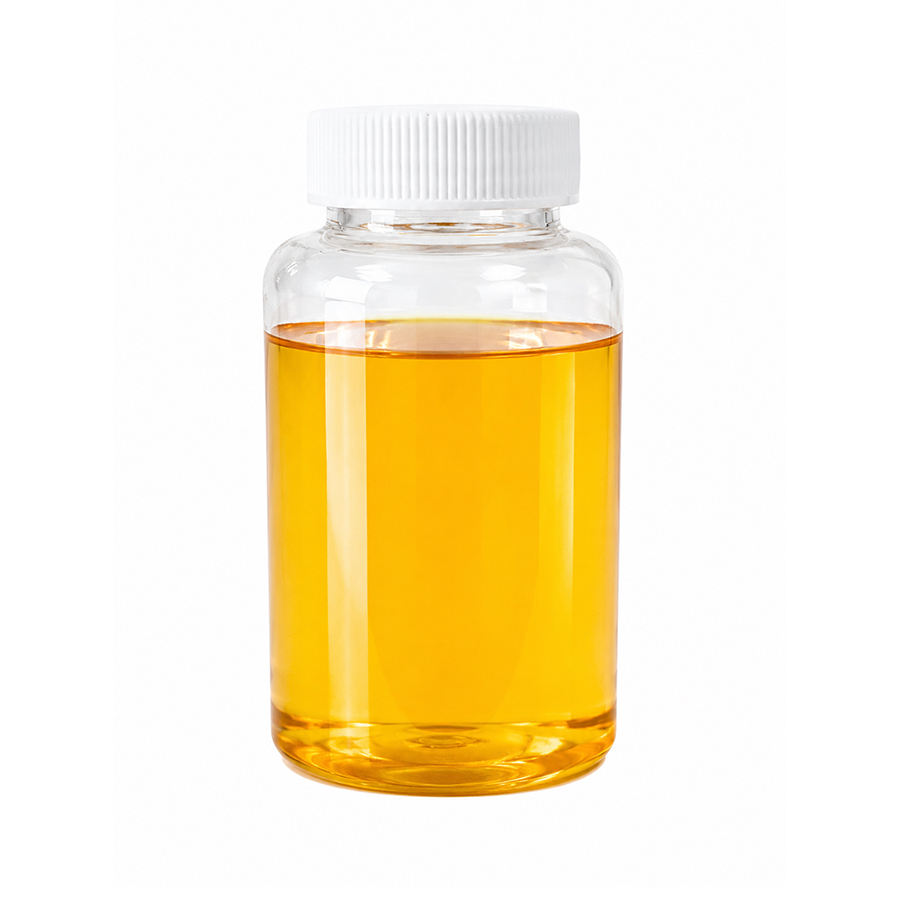
Wool Reactive Leveling Agent HN-ABG
8. Suitable Fibers and Equipment
HN-ABG is suitable for protein fibers, polyamide fibers, and their blends. Its primary focus is wool, but the compatibility profile is relevant to other keratin-based materials and blended constructions where controlled migration is required.
Protein fibers may vary widely in fineness, surface treatment, blend ratio, and previous processing history. HN-ABG can assist in managing these differences, but the dyehouse should still identify the specific behavior of each substrate. Scoured wool, chlorinated wool, shrink-resistant wool, recycled wool, and wool blends may respond differently to the same dyestuff and auxiliary combination.
For polyamide-containing blends, the operator should consider the relative dye affinity of each component. The product can help promote leveling of the wool portion in wool/nylon and wool/acrylic materials dyed with reactive dyes. However, the final recipe must account for the dyeability and fastness requirements of both components.
The product can be applied in all batch dyeing equipment, including commonly used jet, overflow, winch, beam, and package dyeing systems, provided that the equipment offers adequate liquor circulation and temperature control. Its low-foam behavior is particularly useful for jet dyeing, where excessive foam can disturb fabric transport and hydraulic performance.
9. Manufacturing Strengths and Quality Assurance
The performance of a textile auxiliary depends not only on its stated chemical composition but also on manufacturing consistency. Variations in raw material quality, reaction control, neutralization, concentration, filtration, and filling can affect the behavior of the final product. For this reason, HN-ABG benefits from being produced within a manufacturer that maintains dedicated textile chemical capabilities and established production infrastructure.
Jiangyin Huanan New Materials Technology Co., Ltd. was established in 1984 and is located in Jiangyin City, Jiangsu Province, China. The company operates two production plants and has an annual production capacity of approximately 60,000 tons. This scale supports stable supply for customers while maintaining the specialized focus required for textile auxiliaries.
9.1 Integrated research and development
The company has an in-house laboratory and a professional research and development team. This is important because textile auxiliaries must be evaluated in the context of real fibers, dyes, machines, and process conditions. Laboratory capability enables the manufacturer to study performance beyond basic appearance and specification testing.
R&D work can include formulation screening, compatibility testing, foam evaluation, wetting assessment, temperature profiling, dye exhaustion studies, and application trials on different fiber types. Such work supports continuous improvement and helps adapt products to changing dyehouse requirements.
9.2 Customized formulation capability
Different textile producers may require different combinations of levelness, exhaustion, wetting, foam control, low-temperature performance, and environmental profile. A standard auxiliary may be suitable for many processes, but customized formulation can provide a better fit for a specific fiber, dyestuff range, machine, or compliance requirement.
Jiangyin Huanan offers customized formulation capabilities, allowing technical requirements to be discussed with the manufacturer during product selection and development. This can be valuable for mills that process unusual blends, use special dyeing programs, or need to replace an existing product while maintaining similar production behavior.
9.3 Standardized production and quality control
Standardized production helps ensure that each batch remains within defined parameters. Relevant controls may include raw material inspection, reaction and blending control, pH measurement, density verification, appearance inspection, homogeneity checks, packaging control, and retained-sample evaluation.
For a liquid leveling agent, consistency in concentration, dispersion, and physical stability is particularly important. A product that changes viscosity, separates, or varies significantly in active content can lead to differences in dosing and dyeing behavior. Controlled manufacturing reduces these risks and supports reliable customer trials and scale-up.
9.4 Production capacity and supply continuity
With two production plants and substantial annual capacity, the company is positioned to support regular textile chemical supply. Supply continuity is a practical advantage for dyehouses, especially when a leveling agent becomes part of an approved production recipe. Consistent availability helps reduce the need for frequent reformulation or emergency substitution.
Production capacity must be matched by quality systems, technical service, and logistics coordination. The combination of standardized manufacturing, integrated supply capabilities, and technical support gives customers a more complete sourcing option than purchasing an auxiliary based only on a laboratory sample.
9.5 Environmental and compliance orientation
The company offers eco-friendly, APEO-free, and formaldehyde-free formulations. These characteristics support textile manufacturers that must respond to restricted-substance requirements, brand standards, customer audits, and international market expectations.
Environmental performance should be evaluated using the current technical data, safety documentation, and applicable customer standard. APEO-free and formaldehyde-free positioning can simplify the screening process, but users should still verify the status of the specific product and the complete formulation against their own restricted-substance list.
The company’s stated management and environmental framework includes OEKO-TEX, ISO 14001, and ISO 45001-related compliance objectives and systems. These standards are relevant to responsible chemical manufacturing, environmental management, and occupational health and safety. They also demonstrate the importance of maintaining controlled systems across production, storage, handling, and technical service.
10. Operational and Commercial Benefits
A leveling agent contributes value when it improves both fabric quality and process efficiency. HN-ABG can support several operational benefits when correctly selected and applied.
10.1 Reduced risk of reprocessing
Uneven dyeing often leads to stripping, correction, over-dyeing, or complete reprocessing. These actions consume additional water, energy, dyestuff, labor, and machine time. By promoting migration and improving the levelness of materials with different affinities, HN-ABG can reduce the risk of shade defects at the initial dyeing stage.
The exact reduction in reprocessing cannot be guaranteed because it depends on the original quality of the material, dye selection, equipment condition, operator control, and recipe design. Nevertheless, a leveling agent that improves process tolerance can contribute meaningfully to first-time-right production.
10.2 Improved productivity
Low-foam behavior supports stable operation in jet dyeing equipment and may help reduce interruptions caused by foam. Strong wetting properties can also simplify fabric loading and liquor penetration. When combined with efficient exhaustion and lower-temperature application options, these characteristics can contribute to shorter or more efficient processing routes.
10.3 Better use of dyestuff and water
Improved exhaustion can help increase the proportion of dye transferred from the bath to the fiber. This may support more efficient use of dyestuff and reduce the residual dye load in the effluent. However, water and chemical savings should be calculated from actual production data rather than assumed solely from auxiliary selection.
High bath utilization is especially important for dyehouses seeking to improve resource efficiency. The best results are achieved when the leveling agent is combined with optimized liquor ratios, accurate dosing, controlled pH, effective rinsing, and suitable aftertreatment.
10.4 Flexible application across dye classes
One product that can be used with reactive, acid, complex, 1:1 metal complex, and chrome dye systems may simplify inventory management and technical training. It can also help a dyehouse standardize its approach to wool leveling across multiple product lines.
Application flexibility does not mean that one identical recipe should be used for every dye class. Each system requires its own laboratory validation, but the same auxiliary platform can reduce the number of products that need to be stored and evaluated.
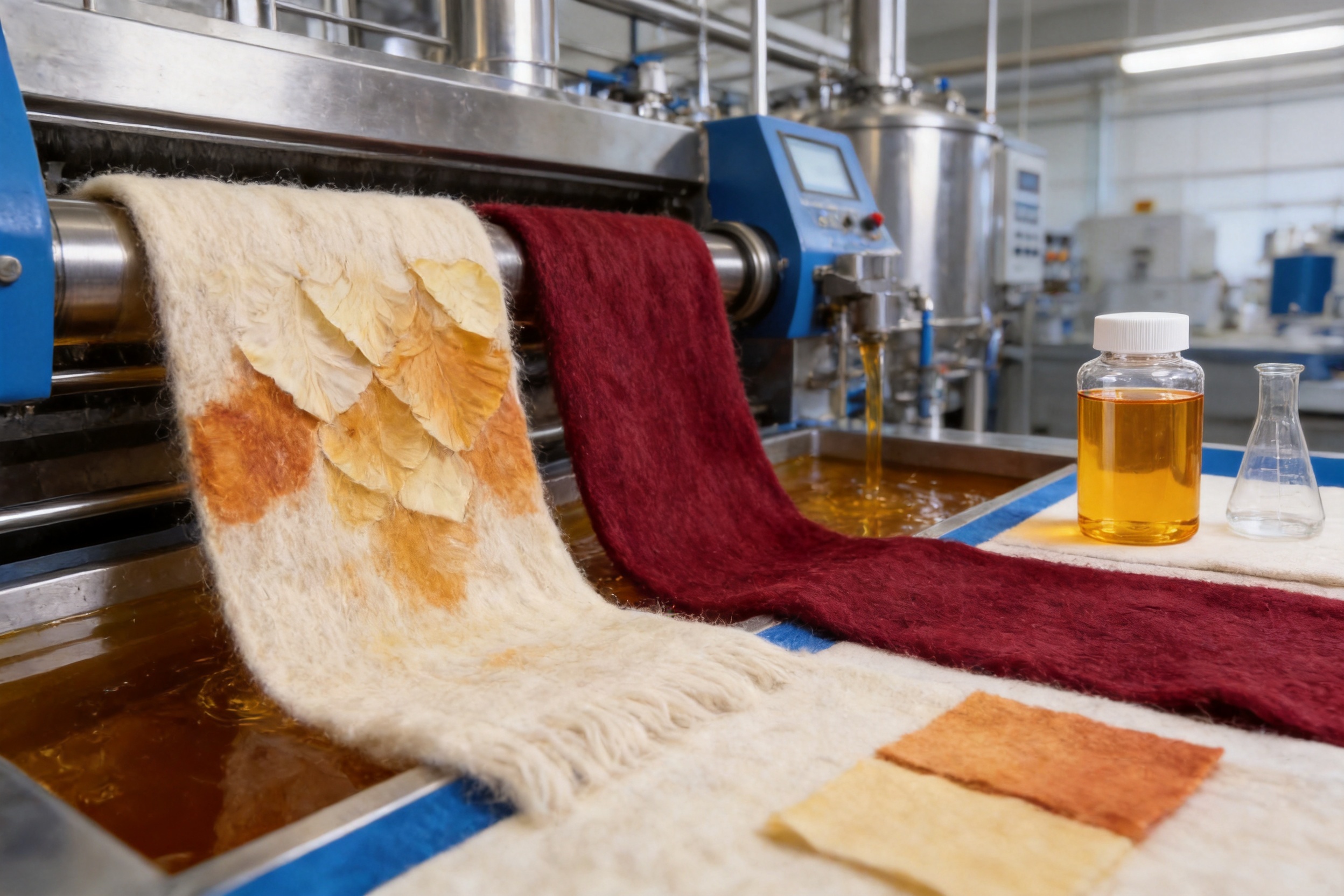
11. Recommended Development Procedure for Dyehouses
Before full-scale use, dyehouses should conduct a structured trial. The first step is to identify the fiber composition, fabric construction, dye class, target shade depth, machine type, liquor ratio, and existing auxiliary package. The current process should be documented so that any improvement can be measured objectively.
11.1 Laboratory comparison
Prepare at least three trial recipes: the existing standard, HN-ABG at a lower starting dosage, and HN-ABG at a higher starting dosage. If the material is a blend, include a visual and instrumental assessment of each component where possible.
Record the rate of color development, bath appearance, foam behavior, final exhaustion, shade difference, levelness, handle, and washing performance. The trial should also include the actual water source used in production, because water hardness and electrolyte content can affect the result.
11.2 Compatibility testing
Test HN-ABG with the dyestuffs, acid donors, alkalis, wetting agents, dispersing agents, sequestering agents, defoamers, and other auxiliaries used in the planned process. Special attention should be given to anionic products because they may reduce the effectiveness of the leveling agent.
Compatibility testing can include visual observation of dilution, storage of mixed solutions, heating, agitation, and addition to a simulated dye bath. Any precipitation, separation, excessive foam, or unexpected color change should be investigated before production use.
11.3 Scale-up control
During scale-up, maintain the laboratory process sequence as closely as possible. Verify dosing accuracy, addition location, circulation rate, heating rate, pH measurement, and temperature uniformity. A product that performs well in a beaker may produce a different result in a large machine if addition and circulation are not adequately controlled.
Retain a sample from the first successful production batch and compare subsequent batches against it. This creates a practical reference for evaluating future shade and levelness performance.
12. Storage, Handling, and Safety
HN-ABG has a stated storage stability of 12 months in sealed packaging at temperatures from 0–40°C. Once opened, the product should be used as soon as possible. If the full container is not used, it should be resealed tightly to limit contamination and maintain product quality.
The product should be stored in a clean, dry, and appropriately ventilated chemical storage area. Containers should be protected from extreme temperatures, direct sunlight, physical damage, and incompatible materials. Before use, the container should be inspected for signs of leakage, separation, or abnormal changes in appearance.
General hygiene and chemical safety rules should be followed during storage, transport, dilution, and application. Operators should avoid swallowing the product and should use appropriate personal protective equipment based on the product safety documentation and workplace risk assessment.
Information concerning accidental release, fire handling, environmental protection, toxicity, transport, and emergency procedures should be taken from the separate Product Safety Data Sheet. The technical information presented for HN-ABG is intended to support product evaluation and process development; it does not replace site-specific safety procedures or regulatory obligations.
13. Why Manufacturer Support Matters
Textile chemical performance is strongly influenced by process conditions. A technically suitable product may fail to deliver its intended result if it is used at the wrong dosage, added at the wrong stage, combined with an incompatible chemical, or applied to a substrate with different characteristics from the original laboratory sample.
Manufacturer support helps bridge the gap between product specification and production performance. Technical discussions can address the dye class, fiber blend, target shade, machine, foam behavior, process temperature, pH, and required environmental profile. This information allows a more appropriate dosage and application method to be recommended.
Jiangyin Huanan’s combination of manufacturing, laboratory, R&D, and customized formulation capabilities supports this type of cooperation. The company’s product portfolio covers pretreatment, dyeing, printing, and finishing auxiliaries, allowing customers to discuss broader process requirements rather than evaluating a single chemical in isolation.
The company also manufactures products such as moisture-wicking finishing agents, repairing agents, low-temperature carriers, silicone oils, silicone softeners, antistatic agents, color-fixing agents, stiffening agents, down-proof and windproof agents, and dry and wet rubbing fastness enhancers. This broad portfolio can be useful for textile producers seeking to consolidate supply or develop coordinated chemical systems.
14. Frequently Asked Questions
Q1. What is HN-ABG mainly used for?
HN-ABG is mainly used as a wool leveling agent for exhaustion dyeing with reactive dyes at or below boiling point. It can also be used with acid dyes, complex dyes, 1:1 metal complex dyes, and chrome dyes in suitable wool dyeing processes.
Q2. Which fibers are suitable for HN-ABG?
The product is suitable for protein fibers, polyamide fibers, and their blends. It is particularly relevant to wool and wool-blend materials where differences in fiber affinity can create uneven dyeing.
Q3. What is the recommended dosage?
The general dosage is 1–2% on weight of fabric for the principal wool reactive dyeing application. For wool/nylon and wool/acrylic blends dyed with reactive dyes, 0.5–1% may be suitable. For acid, 1:1 metal complex, and chrome dyes, the general dosage is 0.3–1%. Final dosage selection should be based on laboratory testing.
Q4. Can HN-ABG be used in jet dyeing machines?
Yes. HN-ABG is suitable for all batch dyeing equipment and is designed to avoid foam problems when used in jet dyeing machines under appropriate process conditions. Actual foam behavior also depends on the complete recipe and machine operation.
Q5. How should HN-ABG be added to the dye bath?
It is best to add HN-ABG to hot water with stirring or directly to a high-circulation liquor. Premixing and adequate circulation help distribute the product uniformly and reduce the risk of localized concentration.
Q6. Can fabric be loaded dry?
HN-ABG has strong wetting properties, so fabrics can be run directly in a dry state in suitable processes. The dyehouse should still confirm that the fabric construction, machine loading procedure, and liquor circulation provide uniform wetting.
Q7. Is HN-ABG compatible with all auxiliaries?
HN-ABG can be used with anionic, cationic, and non-ionic products, but anionic substances may reduce its effectiveness. Compatibility should be tested whenever a new dye or auxiliary package is introduced.
Q8. Can it be used with hard water?
The product is generally stable to hard water, acids, alkalis, and electrolytes. Even so, water quality should be monitored because hardness and mineral content can affect the performance of the complete dyeing system.
Q9. Can wool be dyed at approximately 85°C with HN-ABG?
When using acid dyes, 1:1 metal complex dyes, and chrome dyes, HN-ABG can support dyeing at approximately 85°C without adverse effects on wool fiber properties under suitable conditions. The complete recipe and process curve should be validated before production.
Q10. What are the main advantages over a narrowly specialized leveling agent?
HN-ABG combines affinity for dyes and fibers, migration support, controlled exhaustion, broad application flexibility, low-foam behavior, strong wetting, and general stability in challenging dye baths. This combination can reduce the need to manage several separate leveling products, although every dyeing system still requires its own process trial.
Q11. How should the product be stored?
Store HN-ABG in sealed packaging at 0–40°C. The stated storage stability is 12 months under these conditions. After opening, use the product as soon as possible and reseal the container tightly if any material remains.
Q12. Does HN-ABG replace proper dyeing control?
No. HN-ABG is a process aid, not a substitute for correct dyestuff selection, pH control, temperature management, dosing accuracy, circulation, and rinsing. Its best performance is achieved as part of a properly designed dyeing system.
15. Conclusion
HN-ABG is a versatile wool leveling agent for dyehouses seeking improved levelness, migration, exhaustion, and reproducibility. Its amphoteric chemistry and affinity for both dyes and fibers help control the relationship between dyestuff and wool during exhaustion dyeing. It is suitable for reactive dyes and can also support dyeing with acid, complex, 1:1 metal complex, and chrome dyes.
The product offers practical advantages in modern batch dyeing: low-foam behavior in jet machines, strong wetting, compatibility with a broad range of auxiliary types, stability in hard water and electrolyte-containing baths, and application flexibility across wool, polyamide, and blended materials.
Its technical value is reinforced by the manufacturing capabilities of Jiangyin Huanan New Materials Technology Co., Ltd. Established in 1984, the company combines two production plants, substantial annual capacity, in-house laboratory resources, professional R&D, customized formulation, standardized production, and quality control. Its eco-friendly, APEO-free, and formaldehyde-free formulation direction also aligns with the compliance expectations of international textile supply chains.
For best results, dyehouses should evaluate HN-ABG through controlled laboratory trials and production-scale validation. Dosage, addition sequence, temperature, pH, dye class, fiber construction, water quality, and machine conditions should be considered together. When properly integrated into the process, HN-ABG can help textile manufacturers produce more uniform wool shades while improving process stability and supporting efficient, responsible dyeing operations.
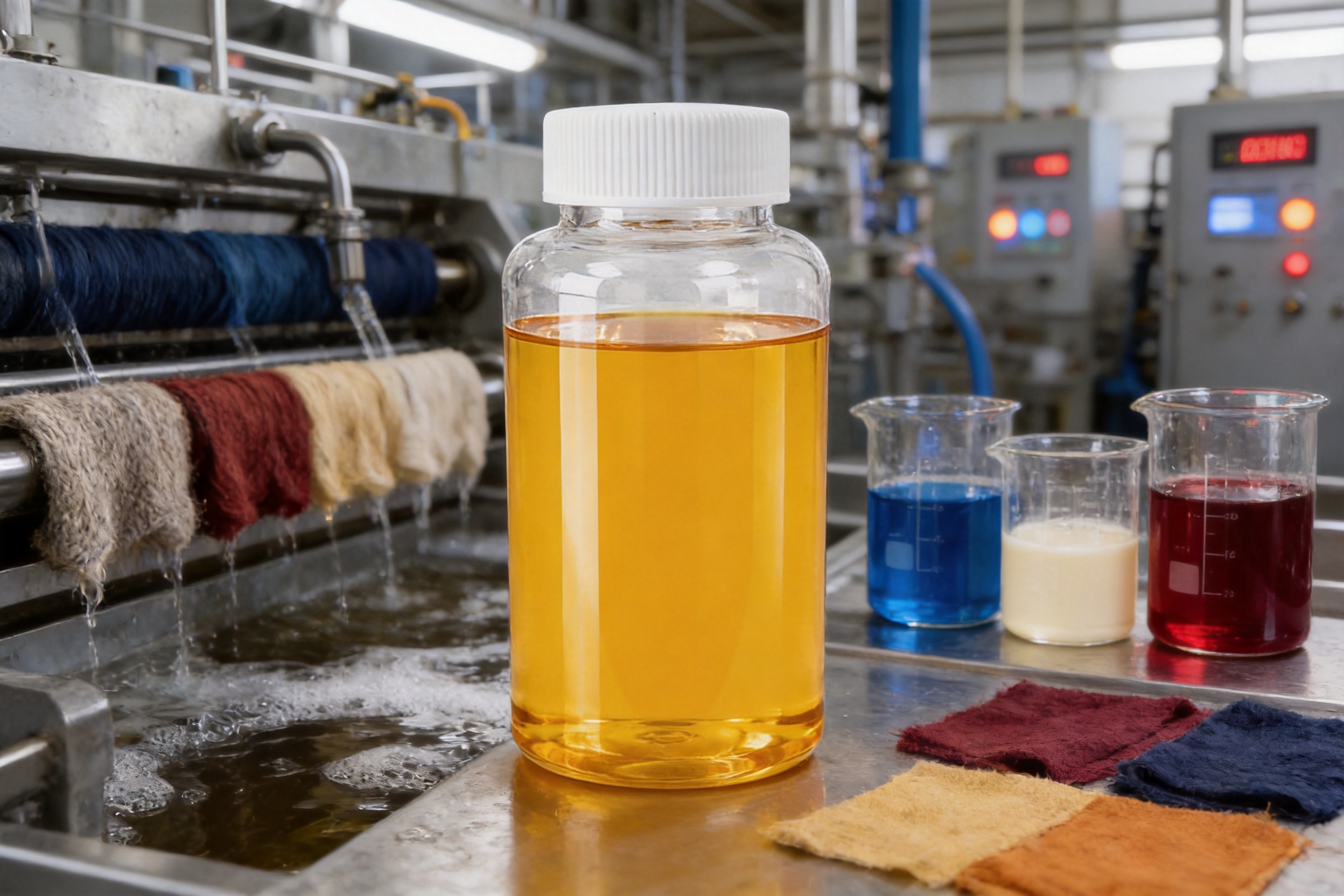
References
1. Product technical information for Wool Reactive Leveling Agent HN-ABG, including composition, properties, application guidance, dosage, and storage recommendations.
2. International Wool Textile Organisation. Technical guidance on wool fiber structure, dyeing behavior, and processing considerations.
3. Society of Dyers and Colourists. Colour Index and general principles of textile dye application.
4. Lewis, D. M. Wool Dyeing and Processing Technology. General principles of acid, reactive, complex, and metal complex dye application.
5. ISO 14001. Environmental management systems—Requirements with guidance for use.
6. ISO 45001. Occupational health and safety management systems—Requirements with guidance for use.
7. OEKO-TEX. General principles for the evaluation of harmful substances in textile processing chemicals and finished textile products.
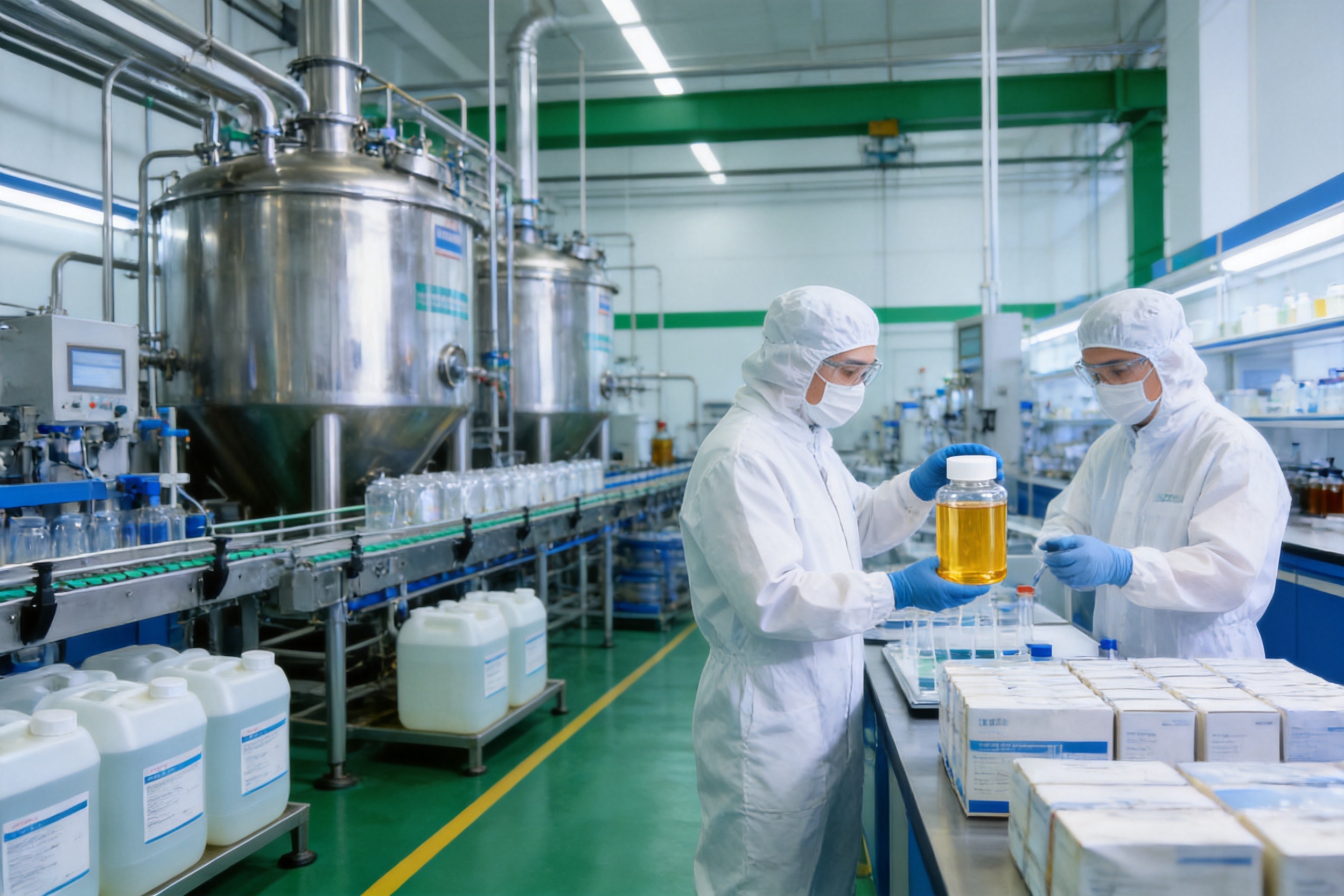
Product: Wool Reactive Leveling Agent HN-ABG


Contact us
huanannewmaterials@gmail.com
-
 Phone: +86 - 13861620767
-
 Fax: +86-0510-86200939
-
 298 Hongxing Road, Huashi Town, Jiangyin City, Wuxi City, Jiangsu Province, China
Product links
Mobile App
Copyright © Jiangyin Huanan New Materials Technology Co., Ltd. All Rights Reserved

-
huanannewmaterials@gmail.com
-

-

-
+86 - 13861620767