


 English
 中文简体

Microfiber Leveling Agent HN-CX: Advanced High-Temperature Dyeing Control for Consistent Polyester Results
Content
- 1 Introduction: Improving Control in Modern Polyester Dyeing
- 2 What Is Microfiber Leveling Agent HN-CX?
- 3 Why Microfiber and Polyester Dyeing Require Specialized Leveling Control
- 4 Key Performance Advantages
- 5 Advantages Compared with Conventional or Single-Function Leveling Agents
- 6 Recommended Applications
- 7 Use Instructions and Process Recommendations
- 8 Corrective Dyeing and Color Rework
- 9 Light Fastness and Quality Considerations
- 10 Manufacturing Strengths Behind the Product
- 11 Environmental and Compliance Position
- 12 How HN-CX Supports More Efficient Dyeing
- 13 Practical Selection Guide for Textile Mills
- 14 Recommended Laboratory Trial Procedure
- 15 Q&A: Common Questions About HN-CX
- 15.1 What type of product is HN-CX?
- 15.2 Can HN-CX be used for microfiber polyester?
- 15.3 Is HN-CX suitable for jet dyeing machines?
- 15.4 How should HN-CX be diluted?
- 15.5 What is the normal dosage?
- 15.6 Can HN-CX replace a separate dispersant?
- 15.7 Can it be used in rapid dyeing?
- 15.8 Can HN-CX help with package yarn dyeing?
- 15.9 Can HN-CX be used for reworking defective dyed fabric?
- 15.10 Does HN-CX affect light fastness?
- 15.11 Is HN-CX suitable for polyester/cellulose blends?
- 15.12 What makes HN-CX different from a basic leveling agent?
- 15.13 What manufacturing capabilities support the product?
- 16 Conclusion
- 17 References
- 18 Product: Microfiber Leveling Agent HN-CX
Introduction: Improving Control in Modern Polyester Dyeing
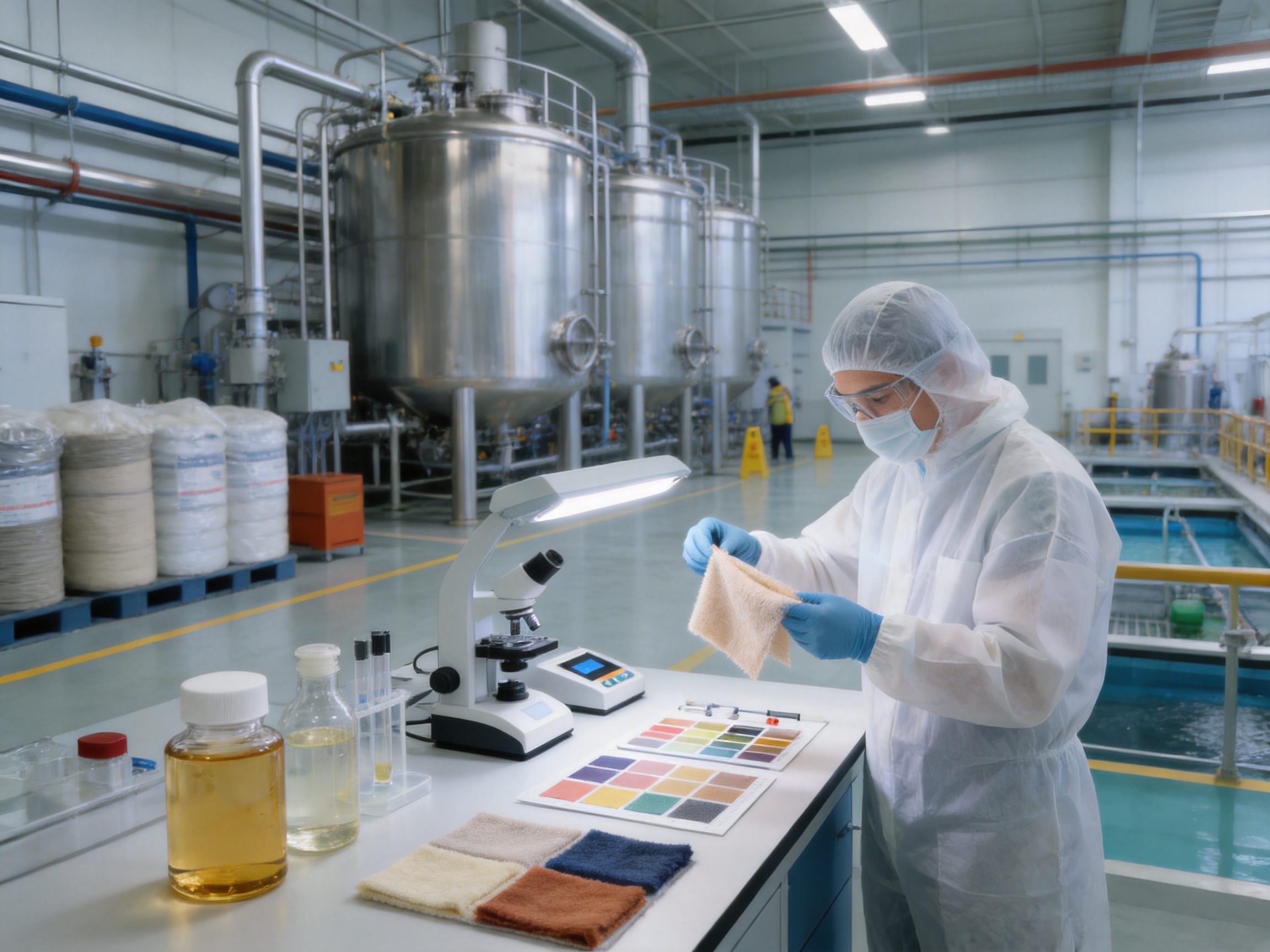
High-temperature polyester dyeing has become increasingly demanding as textile manufacturers work with finer fibers, tighter constructions, lower bath ratios, shorter production cycles, and more complex dye combinations. These conditions can improve productivity and reduce resource consumption, but they also increase the risk of unlevel dyeing, color variation, dye aggregation, poor penetration, and inconsistent batch results. The challenges are especially noticeable when processing microfiber polyester, tightly wound package yarn, high-density fabric, or polyester/cellulose blended materials.
Microfiber Leveling Agent HN-CX is a high-temperature leveling auxiliary developed for these demanding dyeing applications. It is designed to combine several important functions in one formulation, including penetration, dispersion, leveling, migration promotion, accelerated dye diffusion, and synchronous dye uptake. By addressing multiple stages of the dyeing process, HN-CX helps dyers obtain more uniform shades while maintaining efficient processing and strong color brightness.
The product is suitable for polyester fibers, microfiber polyester, polyester/cellulose blends, package yarn, and high-density polyester materials. It can be used in jet dyeing machines, overflow dyeing machines, and one-bath two-stage dyeing processes. Its stability against electrolytes and high temperatures makes it suitable for demanding dyeing conditions where conventional leveling products may not provide sufficient control.
HN-CX is manufactured by Jiangyin Huanan New Materials Technology Co., Ltd., a Chinese textile auxiliary producer with a history dating back to 1984. The company operates two production plants, maintains an annual production capacity of approximately 60,000 tons, and supports product development through an in-house laboratory, professional research and development personnel, standardized production, and strict quality control. These capabilities allow the company to provide not only standard textile auxiliaries but also customized solutions for specific fiber types, machinery, dye combinations, and process requirements.
Microfiber Leveling Agent HN-CX
What Is Microfiber Leveling Agent HN-CX?
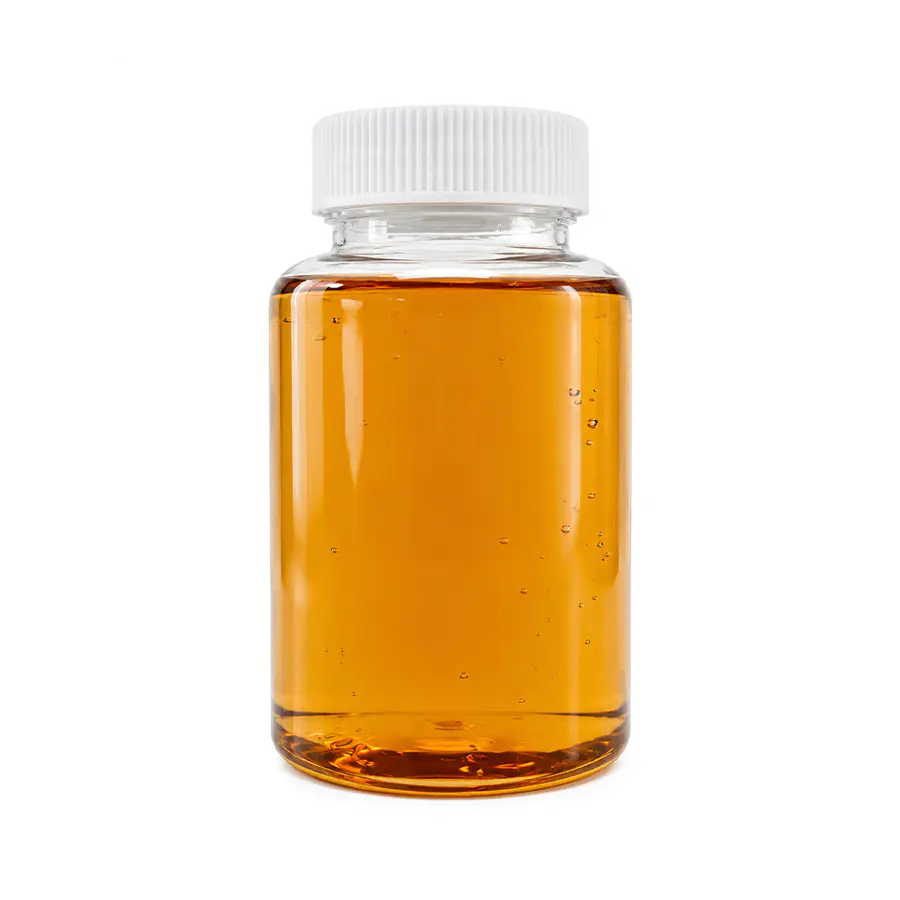
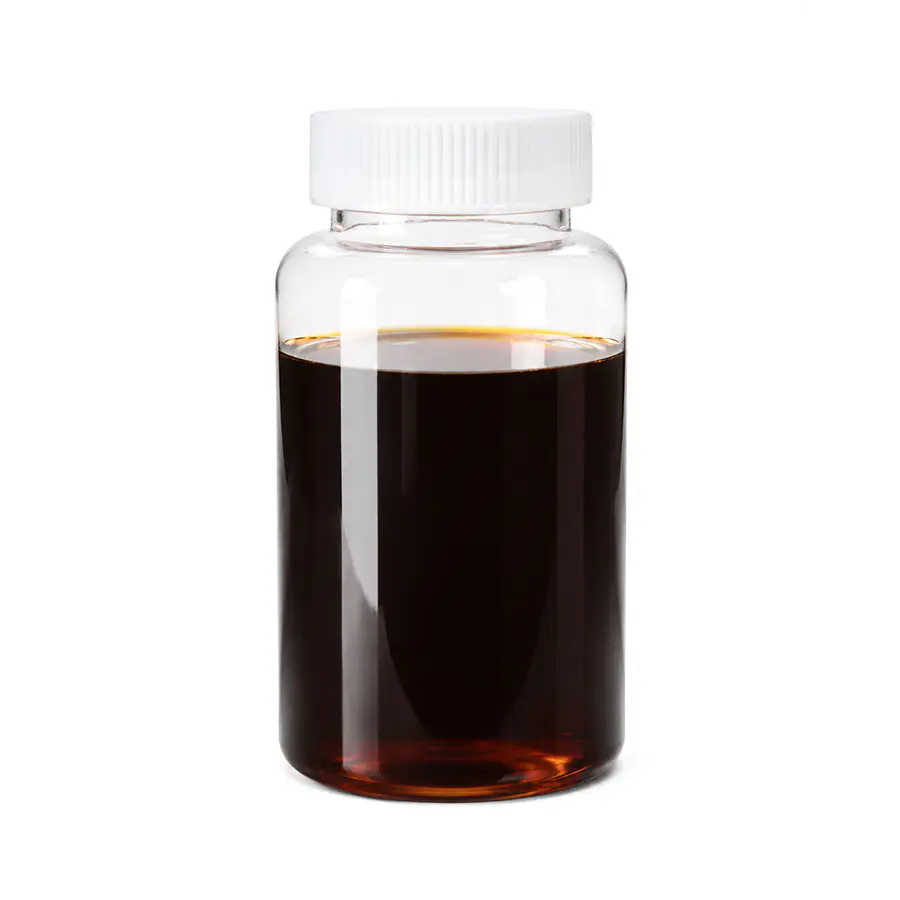
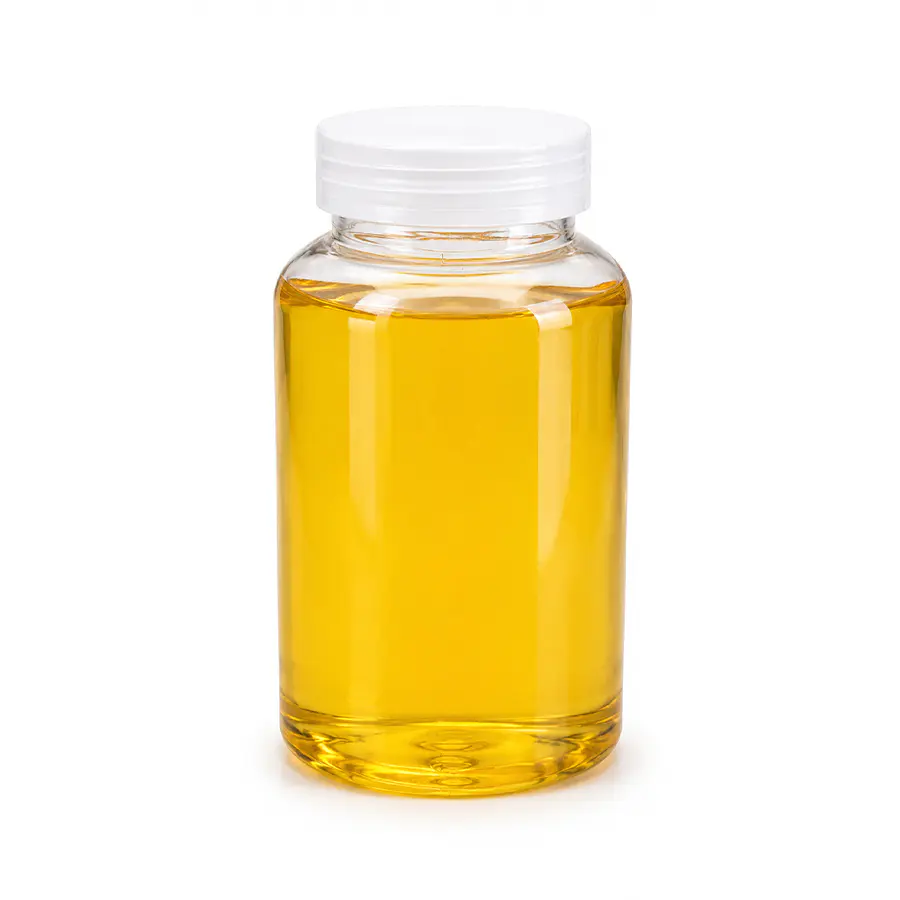
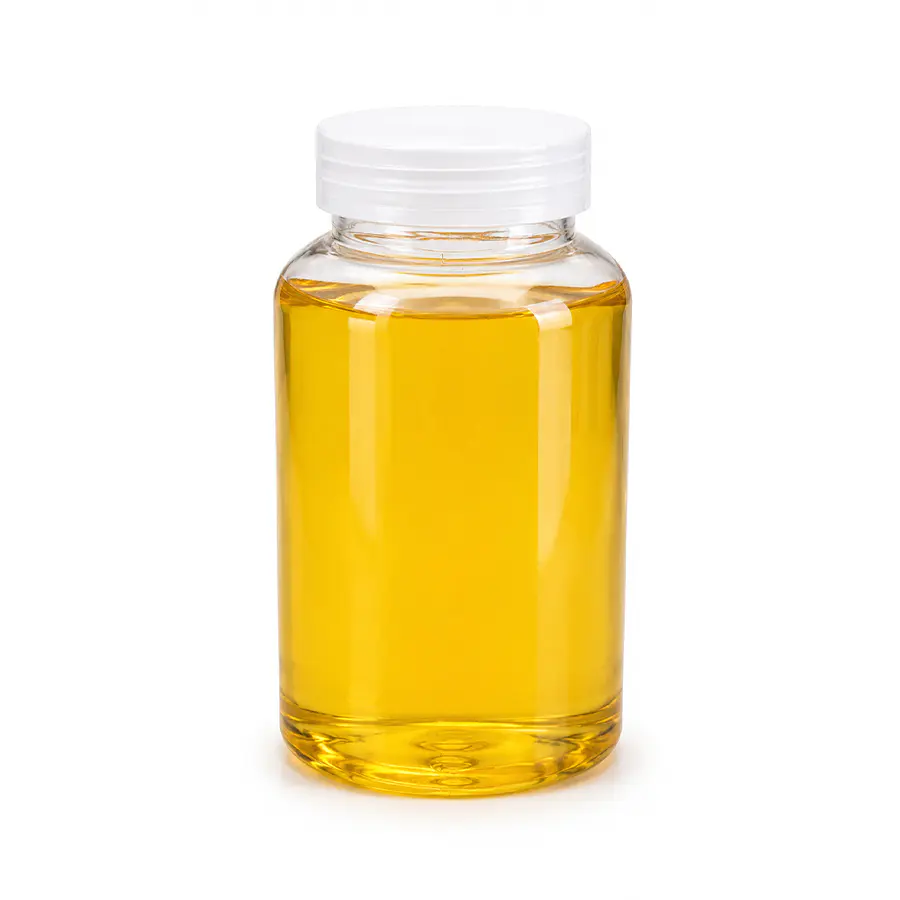
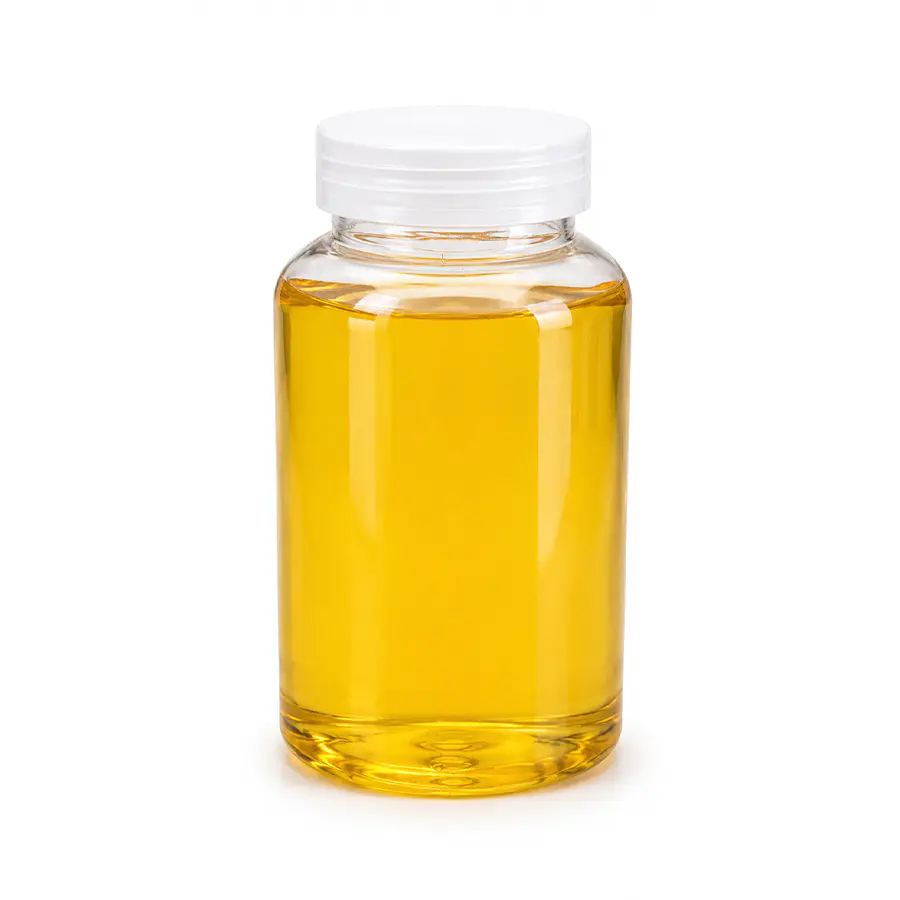
Microfiber Leveling Agent HN-CX is a surfactant derivative formulated as a high-temperature leveling agent for synthetic fiber dyeing. It has an active content of 96 percent and is supplied as a light yellow to yellow transparent, low-viscosity liquid. The product is anionic/non-ionic and is easily soluble in water when properly diluted.
| Property | Typical Description |
|---|---|
| Product name | Microfiber Leveling Agent HN-CX |
| Product category | High-temperature leveling agent |
| Appearance at 20°C | Light yellow to yellow transparent low-viscosity liquid |
| Ionicity | Anionic / non-ionic |
| Composition | Surfactant derivative |
| Solubility | Easily soluble in water after suitable dilution |
| Active content | 96 percent |
| Primary application | High-temperature dyeing of polyester and microfiber polyester |
The formulation is intended to help dyes enter the textile structure more thoroughly and distribute more evenly. This is particularly valuable with microfiber fabrics, whose large specific surface area and compact fiber arrangement can cause rapid, uneven dye uptake. The product supports controlled dye movement during the heating and holding stages, helping reduce localized concentration differences and shade irregularities.
Unlike a product designed only to slow dye uptake, HN-CX is intended to provide broader process support. It promotes penetration, disperses dye particles, encourages migration, and assists diffusion into the fiber. This multifunctional approach can reduce the need for several separate auxiliaries and can simplify the dyeing formulation when compatibility has been confirmed through laboratory testing.
Why Microfiber and Polyester Dyeing Require Specialized Leveling Control
Polyester is commonly dyed at elevated temperatures using disperse dyes. The dyeing process depends on temperature, time, liquor movement, dye dispersion, fiber structure, machine performance, and the compatibility of the selected dyes. A small difference in any of these factors can influence exhaustion behavior and final shade development.
Microfiber polyester presents additional difficulties. Its fibers are finer than standard polyester fibers, producing a larger surface area relative to weight. This can increase the apparent speed of dye interaction and can make shade development more sensitive to changes in temperature, circulation, liquor ratio, and chemical concentration. Dense constructions may also limit liquor exchange, while tightly wound package yarn can create differences between the inner and outer layers.
When a dye enters the material too quickly or unevenly, several defects may occur. These include cloudiness, side-to-side variation, barré effects, patchy appearance, ring dyeing, unlevel package dyeing, and shade differences between production lots. If dye particles aggregate during the process, the result can be poor penetration, reduced brightness, surface deposits, and additional rework.
HN-CX is designed to respond to these problems through a balanced combination of wetting, dispersing, leveling, migration, and diffusion-promoting performance. It does not simply delay dye uptake. Instead, it helps create a more controlled dyeing environment in which dye particles remain better distributed and can move toward areas of lower concentration as the process develops.
Key Performance Advantages
Outstanding Penetration
Thorough penetration is essential when dyeing dense or highly compact materials. If the dye liquor remains concentrated near the outer surface, the outside of the material may become darker while the interior remains insufficiently dyed. This is particularly problematic with package yarn and tightly constructed polyester fabrics.
HN-CX improves the penetration of the dye liquor into the textile material. Better penetration helps the liquor reach internal areas more effectively, supporting more complete and uniform dye distribution. The result can be improved color yield, more reliable shade development, and fewer defects caused by inadequate liquor exchange.
The penetration function also supports faster and more consistent processing. Under suitable conditions, dyers may be able to reduce dyeing time or lower the working temperature without sacrificing uniformity. Any reduction in time or temperature must be established through laboratory and production trials, but the product is designed to provide the process flexibility needed for such optimization.
Effective Leveling and Migration
Leveling is the ability to control differences in dye uptake and promote a uniform final shade. Migration is the movement of dye from areas of higher concentration to areas of lower concentration during the dyeing process. Together, these functions help reduce localized shade differences and improve visual consistency.
HN-CX supports leveling and migration even under challenging conditions, including low bath ratios, compact textile structures, and dye combinations with different exhaustion characteristics. This can be especially useful when the process cannot be completely redesigned or when the selected dye combination is known to have limited compatibility.
Compared with a basic leveling agent that mainly slows down exhaustion, a multifunctional product with migration and diffusion support can offer wider process benefits. It can help control the initial dyeing stage while also assisting redistribution during subsequent heating, holding, and cooling stages.
Very Low Color Reduction
Many dyers want strong leveling without sacrificing shade depth or brightness. Excessive retardation or aggressive interaction with dyes may reduce apparent color yield, produce dull shades, or require higher dye concentrations to reach the target depth.
HN-CX is designed to provide leveling with very low color reduction. This means that the product aims to improve uniformity while preserving the brightness and depth of the treated material. Its low color-reduction behavior can be valuable when producing vivid shades, deep colors, fashion colors, and microfiber articles where surface brightness is an important commercial requirement.
As with all dyeing auxiliaries, performance depends on dye class, shade depth, fiber type, machine configuration, liquor ratio, pH, temperature profile, and dosage. Trials remain necessary, but the formulation is intended to provide a favorable balance between leveling performance and color development.
Excellent Dispersing Performance
Disperse dyes must remain sufficiently dispersed throughout the dye bath to reach the fiber evenly. Aggregated dye particles can create specks, spots, poor penetration, uneven shade build-up, and deposits on equipment or fabric. These risks increase at high temperature and when processing concentrated formulations or incompatible dye combinations.
HN-CX provides dispersing performance that can reduce the need for an additional dispersant in suitable formulations. It helps improve high-temperature dispersion and supports the prevention of dye aggregation. This can simplify the chemical recipe and reduce the number of separate additions that operators must control.
Whether a separate dispersant is required depends on the dye supplier’s recommendations, the specific dye combination, and the process conditions. HN-CX should be evaluated alongside the complete formulation rather than considered a universal replacement for every dispersing product.
Synchronous Dyeing
Different disperse dyes may show different rates of exhaustion and different temperature sensitivities. When one dye is absorbed substantially faster than another, the color balance can change during the process, creating difficulty in achieving the intended shade.
HN-CX promotes more synchronous dyeing by helping dyes interact with the fiber in a more coordinated manner. More synchronized uptake supports consistent shade build-up and creates improved conditions for leveling. This is particularly useful for compound shades that combine several dyes with different behavior.
Synchronous dyeing can also make the process more tolerant of small temperature deviations. HN-CX may compensate to some extent for the effect of minor temperature differences on dyeing results, although it cannot replace accurate temperature measurement, effective circulation, or appropriate machine maintenance.
High-Temperature and Electrolyte Stability
High-temperature dyeing requires auxiliaries that maintain their function throughout heating, holding, and cooling. If an auxiliary decomposes or loses performance at elevated temperature, its leveling and dispersing benefits may disappear when they are most needed.
HN-CX is designed to remain stable under high-temperature dyeing conditions and in the presence of electrolytes. It is also described as compatible with disperse dyes without decomposing them or causing damage to their performance. This stability supports consistent operation in jet and overflow machines and in processes with demanding temperature profiles.
Stable performance can reduce the risk of unexpected bath behavior, deposits, or late-stage changes in dye dispersion. It can also make production results more predictable when the process includes rapid heating or high-temperature rapid dyeing.
Advantages Compared with Conventional or Single-Function Leveling Agents
Textile mills have access to many types of leveling agents, including retarding agents, dispersing agents, wetting agents, migration promoters, and specialty products for polyester or microfiber. Product selection should always be based on technical evidence and trials, but HN-CX offers several practical advantages as a multifunctional formulation.
| Process requirement | Potential limitation of a single-function product | HN-CX approach |
|---|---|---|
| Liquor penetration | May require a separate wetting or penetrating agent | Provides outstanding penetration support |
| Uniform dye uptake | May mainly delay exhaustion without supporting redistribution | Combines leveling with migration promotion |
| High-temperature dispersion | May require a separate dispersant | Offers dispersing performance and helps prevent aggregation |
| Microfiber dyeing | Standard products may not sufficiently control rapid diffusion and uptake | Promotes diffusion and supports microfiber dyeing |
| Color brightness | Strong retardation may lower apparent color yield | Designed for very low color reduction |
| Process flexibility | Performance may decline under low bath ratio or dense loading | Developed for demanding and harsh dyeing conditions |
| Recipe management | Several separate auxiliaries may increase dosing complexity | Combines multiple functions in one product |
The main competitive advantage is not simply that HN-CX performs one function more strongly than every alternative. Rather, its value comes from integrating several functions into one high-active-content product. This can help mills simplify recipes, reduce the number of individual additions, improve operational consistency, and reduce the interaction risks that can occur when multiple auxiliaries are combined without sufficient compatibility testing.
HN-CX is also designed for difficult conditions such as tightly packed materials, low bath ratios, rapid dyeing, and dye combinations with poor compatibility. These are conditions in which the performance gap between a standard product and a specialized high-temperature leveling agent may become more visible.
Recommended Applications
Polyester Fiber Dyeing
HN-CX is suitable for high-temperature dyeing of polyester fibers. It supports the penetration and dispersion of disperse dyes and helps control dye uptake during the heating and holding stages. It may be used in conventional polyester articles as well as in applications requiring rapid dyeing or improved batch reproducibility.
Microfiber Polyester
Microfiber polyester is one of the most important target applications for HN-CX. The product’s diffusion-promoting effect can improve dye exhaustion and support more even shade development across the fine-fiber structure. This can be useful for microfiber apparel, sportswear, lining fabrics, synthetic suede, home textiles, and other articles where a smooth and uniform appearance is required.
Polyester/Cellulose Blended Fabrics
HN-CX is suitable for one-bath two-stage dyeing of polyester/cellulose blended fabrics. These processes require careful control because the synthetic and cellulosic components respond to different dyes, temperatures, pH conditions, and chemical environments. The leveling agent can support the polyester dyeing stage and help provide more even development before or during the treatment of the cellulose component.
Compatibility with reactive dyes, salts, alkalis, reducing agents, and other auxiliaries must be evaluated for each production recipe. A laboratory trial is particularly important for one-bath processes because interactions among all bath components can influence both components of the blend.
Jet and Overflow Dyeing
The product is suitable for jet dyeing machines and overflow dyeing machines. These machines rely on effective liquor circulation and controlled fabric movement. HN-CX can complement machine circulation by improving wetting, dispersion, penetration, and migration.
Correct dosing and addition sequence remain important. The product should normally be diluted before use and added in a manner that allows rapid and uniform distribution throughout the bath. Operators should follow the mill’s standard operating procedures and confirm the appropriate addition point through trials.
Tightly Wound and High-Density Package Yarn
Package yarn dyeing presents a significant challenge because the dye liquor must penetrate through layers of yarn with different flow resistance. Poor circulation or rapid dye uptake can produce inner-to-outer shade differences and uneven package results.
HN-CX is suitable for tightly wound and high-density polyester package yarn dyeing. It helps improve penetration and supports migration, which can reduce the risk of unevenness between the interior and exterior portions of the package. A recommended formulation for harsh conditions combines diluted HN-CX with diluted HN-F65 mother liquor. The stated reference formulation is 0.5 grams per liter of HN-CX mother liquor dilution and 1.0 gram per liter of HN-F65 mother liquor dilution.
The actual recipe should be adjusted according to package density, yarn count, machine type, bath ratio, dye depth, circulation rate, and the requirements of the final product.
Use Instructions and Process Recommendations
Dilution Before Use
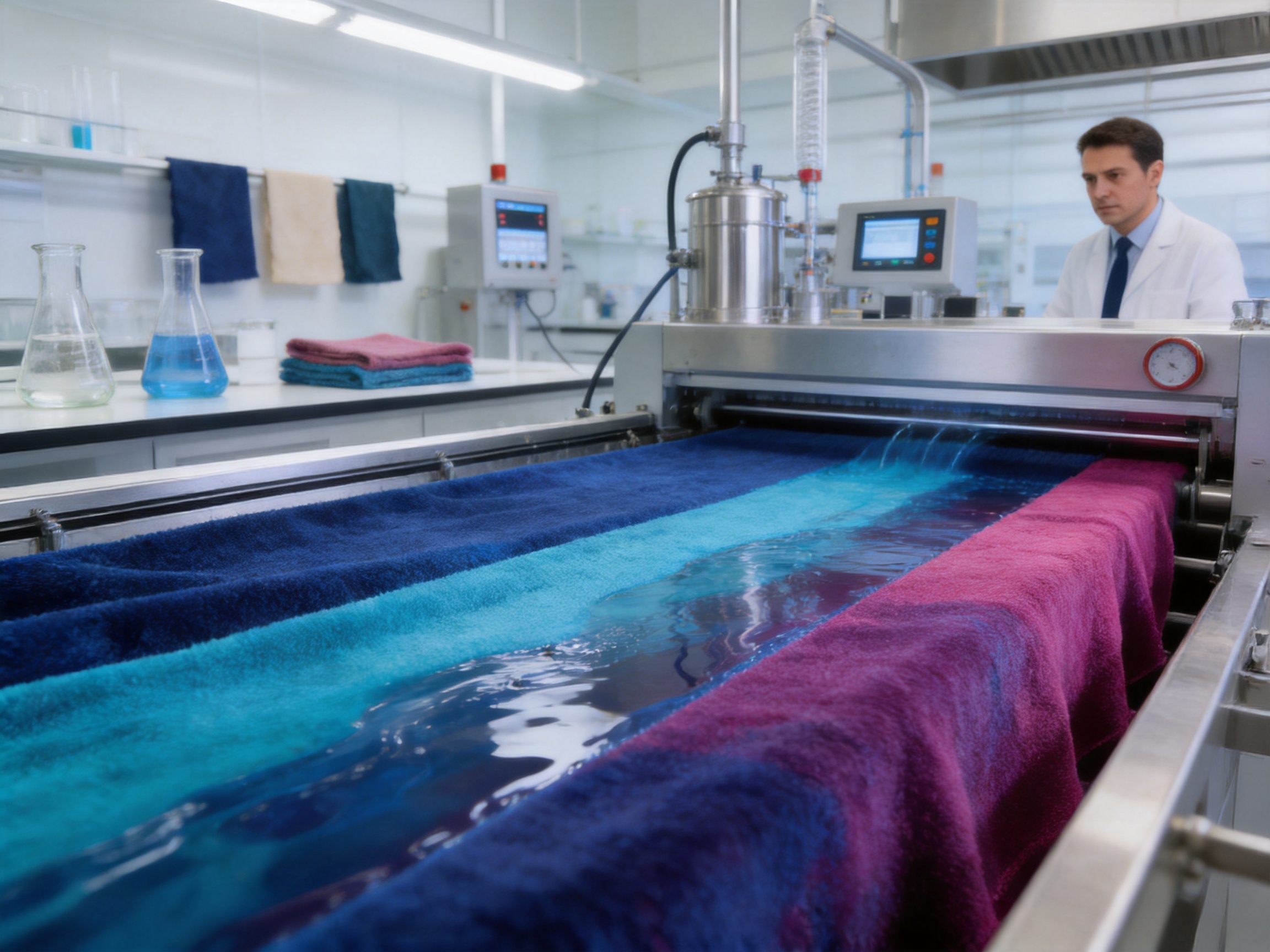
HN-CX has an active content of 96 percent and should be diluted six to ten times with cold water before use. Dilution improves handling and allows the auxiliary to distribute more evenly in the dye bath.
During winter or in cold working environments, warm water above 25°C is recommended for dilution. This can support better mixing and reduce the possibility of incomplete dispersion caused by low water temperature. The diluted product should be prepared using clean water and should be mixed thoroughly before addition.
| Use stage | Recommendation |
|---|---|
| Initial dilution | Dilute six to ten times with water |
| Cold-weather dilution | Use water above 25°C where necessary |
| General dosage after dilution | 0.8–2.0 g/L |
| Defective fabric reworking | 1.0–3.0 g/L, subject to testing |
| Harsh package-yarn reference | 0.5 g/L HN-CX mother liquor dilution plus 1.0 g/L HN-F65 mother liquor dilution |
General Dosage
The general recommended dosage after dilution is 0.8–2.0 grams per liter. The exact dosage should be adjusted according to dye type, shade depth, fiber structure, machine conditions, liquor ratio, and the severity of the leveling challenge.
Lighter shades may require a different dosage from deep shades. Microfiber, dense fabric, package yarn, and low bath ratio processes may require more careful optimization than open constructions processed under standard conditions. Excessive dosing should be avoided because an overly high level may influence shade development or slightly reduce light fastness.
Process Optimization
HN-CX can support rapid dyeing, lower-temperature dyeing, or reduced dyeing time when the overall process is suitable. Such changes should be introduced gradually. A recommended approach is to establish a laboratory control recipe, compare different HN-CX levels, and then conduct a pilot or production-scale confirmation.
Important variables include the heating rate, dye addition method, circulation efficiency, holding time, cooling rate, pH, bath ratio, and the compatibility of the dyes. Auxiliary performance cannot compensate for an incorrectly calibrated temperature sensor, inadequate circulation, poor machine loading, or unstable water quality.
For consistent production, mills should standardize the dilution procedure, addition location, addition time, mixing method, and storage conditions. Operators should also record the actual dosage and compare shade results across lots.
Corrective Dyeing and Color Rework
HN-CX can be used to rework defective dyed fabrics and to support color correction. The recommended reference dosage for reworking and leveling is 1.0–3.0 grams per liter, subject to the condition of the fabric and the required correction.
Rework should begin with an assessment of the defect. Different problems require different approaches. Uneven dye penetration may respond to a controlled leveling treatment, while severe staining, dye aggregation, incorrect shade selection, or fiber damage may require a more comprehensive stripping or correction procedure.
Before production-scale rework, the mill should conduct a laboratory trial to determine whether HN-CX can redistribute the dye without causing unacceptable shade loss, brightness reduction, strength loss, or fastness changes. The treatment temperature, time, pH, and mechanical action should be selected carefully.
Because HN-CX promotes migration, it may help equalize localized shade differences. However, the final result depends on whether the dye remains sufficiently mobile under the selected conditions. Some disperse dyes migrate more readily than others, and the correction procedure should be tailored accordingly.
Light Fastness and Quality Considerations
HN-CX has no expected effect on general light fastness when used at an appropriate dosage. However, excessive dosage may slightly reduce light fastness. This is an important consideration for automotive decorative fabrics, upholstery, outdoor products, and other materials subject to demanding light exposure requirements.
For these applications, mills should test the complete dyed and finished construction rather than relying only on the chemical supplier’s general guidance. Light fastness can be affected by dye selection, dye concentration, fiber type, finishing chemistry, curing conditions, fabric construction, and the presence of residual surface dye.
Quality evaluation should include shade uniformity, color yield, brightness, wash fastness, rubbing fastness, sublimation fastness where applicable, light fastness, fabric handle, and dimensional stability. The appropriate test methods should be selected according to the customer’s specification and the intended end use.
Manufacturing Strengths Behind the Product
Long-Term Textile Chemical Experience
Jiangyin Huanan New Materials Technology Co., Ltd. was established in 1984 and has developed long-term experience in textile printing and dyeing auxiliaries. This history provides a foundation for understanding the practical requirements of textile mills, including production stability, formulation consistency, application support, and changing environmental expectations.
Long-term experience is especially valuable in specialty auxiliaries because product performance depends on more than laboratory characteristics. A successful auxiliary must remain consistent during storage, dilution, transportation, dosing, high-temperature processing, and interaction with dyes and other chemicals. It must also be suitable for the operating habits and equipment used by mills in different markets.
Two Production Plants and Substantial Capacity
The company operates two production plants and has an annual production capacity of approximately 60,000 tons. This production scale supports supply continuity for customers requiring regular commercial volumes. It also provides a foundation for standardized manufacturing, raw-material planning, batch management, and production scheduling.
Capacity alone does not guarantee quality, but a well-organized production network can help a supplier respond more effectively to repeat orders, seasonal demand, product customization, and different packaging requirements. For international textile manufacturers, supply reliability is an important part of total product value.
In-House Laboratory and Research and Development
The company maintains an in-house laboratory and a professional research and development team. These resources support formulation development, application testing, quality verification, and troubleshooting. For products such as HN-CX, laboratory capabilities are important because the auxiliary must be evaluated with different polyester substrates, dye combinations, machines, bath ratios, and process conditions.
In-house testing can also support customized formulation work. Textile manufacturers may require different penetration behavior, foam characteristics, compatibility profiles, dosage ranges, or performance under specific process conditions. A supplier with technical development resources is better positioned to study these requirements than a company that only distributes standard products.
Standardized Production and Quality Control
HN-CX is manufactured within a production system that emphasizes standardized procedures and strict quality control. Consistency in appearance, active content, ionic behavior, solubility, and functional performance is important for a product used in repeat dyeing operations.
Quality control should cover incoming raw materials, production parameters, intermediate stages, finished-product testing, packaging, and batch release. Maintaining stable production conditions helps reduce differences between deliveries and supports reliable recipe transfer from laboratory to bulk production.
Customized Formulation Capability
Jiangyin Huanan provides customized formulation capabilities for textile chemical applications. Customization may involve adapting a product to a particular fiber, dye class, machine, bath ratio, performance target, or environmental requirement. The development process should be based on technical communication and structured testing, including a clear definition of the customer’s problem and the required acceptance criteria.
This approach can be advantageous for mills that process specialized microfiber, high-density fabrics, package yarn, or blended constructions. Instead of treating all dyeing problems as identical, the supplier and customer can work together to identify the specific source of variation and select an appropriate chemical and process solution.
Environmental and Compliance Position
HN-CX is presented as complying with current textile environmental requirements. The company offers eco-friendly, APEO-free, and formaldehyde-free formulations designed to support the expectations of international textile supply chains.
Environmental compliance is increasingly connected with customer approval, restricted substance requirements, wastewater management, worker safety, and brand standards. A formulation that avoids certain restricted substances can help mills manage chemical inventories and simplify communication with downstream customers.
Nevertheless, compliance claims should always be confirmed against the latest customer standard, regulatory requirement, or certification scheme. Textile mills should request current technical documentation, safety information, restricted-substance declarations, and test reports where required. Product compliance is one part of an overall responsible manufacturing system that also includes wastewater treatment, energy management, safe handling, and controlled disposal.
The company’s stated support for OEKO-TEX, ISO 14001, and ISO 45001-related requirements reflects an orientation toward environmental management, occupational health and safety, and responsible textile production. Customers should verify the applicability and current status of any certification or declaration for the specific product and manufacturing site.
How HN-CX Supports More Efficient Dyeing
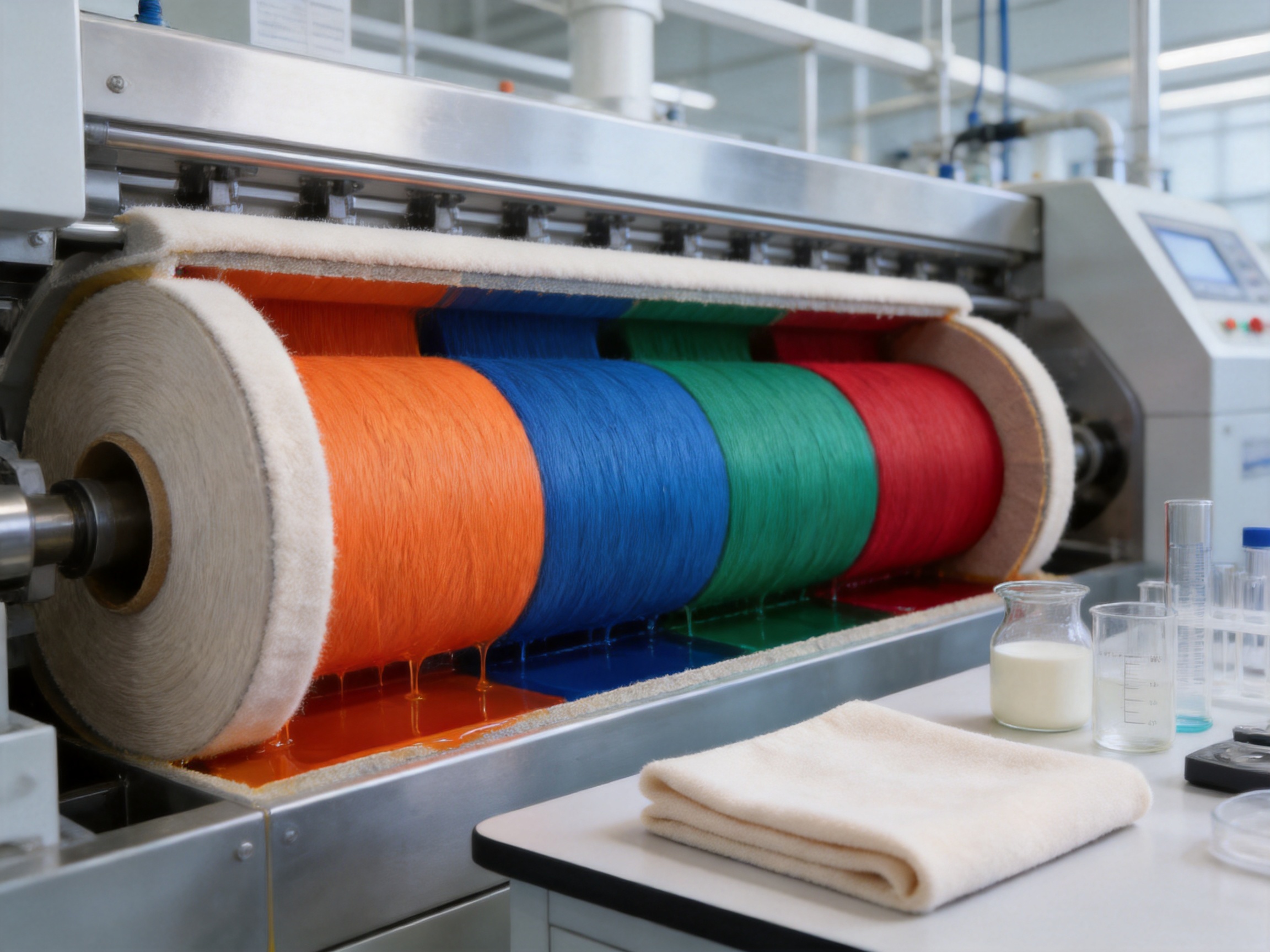
Textile dyeing efficiency is not determined only by the shortest cycle time. A truly efficient process must also minimize rework, reduce shade corrections, lower material loss, maintain reproducibility, and use water, heat, and chemicals responsibly. HN-CX supports these objectives by helping stabilize dye distribution and reducing the risk of uneven results.
Improved penetration can reduce the time required for the dye liquor to reach the interior of dense materials. Better dispersion can reduce the likelihood of dye aggregation and associated defects. Migration and leveling can lower the chance that a batch will require corrective processing. These benefits may contribute to more consistent first-pass production.
The product can also provide flexibility in rapid dyeing processes. Depending on the dye system and machine, the process may be optimized for a shorter dyeing time or a lower temperature. Any such adjustment must be validated to ensure that the final product still meets shade, fastness, handle, and performance requirements.
Reducing recipe complexity may provide an additional operational advantage. When one product supports several functions, operators may have fewer separate chemical additions to prepare and monitor. This can reduce dosing errors and make process training more straightforward. However, mills should not remove other auxiliaries without confirming that the complete system remains stable and compliant.
Practical Selection Guide for Textile Mills
HN-CX is a strong candidate when the main dyeing problem involves uneven polyester dyeing, poor microfiber penetration, unstable compound shades, dye aggregation, or shade variation between packages and lots. It is particularly relevant when the process uses high temperature, rapid dyeing, low bath ratio, dense fabric, tightly packed material, or dyes with poor compatibility.
Before adoption, a mill should review the following questions:
- Is the material polyester, microfiber polyester, or a polyester/cellulose blend?
- Is the process performed in a jet, overflow, package, or other high-temperature machine?
- Are the dyes prone to rapid uptake or aggregation?
- Is the existing process affected by batch-to-batch or piece-to-piece variation?
- Is the fabric tightly constructed or difficult to penetrate?
- Does the customer require APEO-free, formaldehyde-free, or other restricted-substance compliance?
- Will the product be used for a standard dyeing process, rapid dyeing, or reworking?
- Are light fastness and other fastness requirements especially demanding?
The answers will help determine the correct laboratory dosage and whether additional auxiliaries are required. Technical trials should compare HN-CX against the current product using the same dye recipe and controlled machine conditions. Evaluation should cover both immediate shade results and the reproducibility of repeated batches.
Recommended Laboratory Trial Procedure
A practical trial can begin by preparing a diluted HN-CX solution using the recommended six-to-ten-fold dilution. A small series of dosage levels within or around the general range of 0.8–2.0 grams per liter can then be tested. The exact range should be selected according to the material and the severity of the problem.
Each trial should use the same fabric-to-liquor ratio, dye concentration, pH, temperature profile, heating rate, holding time, and cooling conditions. One control bath without HN-CX and one or more comparison baths with different dosages can help identify the effect of the product.
After dyeing, samples should be evaluated for visual levelness, color strength, shade difference, brightness, penetration, surface deposits, and fastness. For package yarn or dense fabric, the material should be examined from the outer, middle, and inner sections. For production fabric, samples should be taken from different positions and, where relevant, from different pieces or lots.
The optimum dosage is not necessarily the highest dosage that produces the most leveling. It is the dosage that provides the best balance among levelness, shade depth, brightness, fastness, process time, and cost. Excessive use should be avoided, particularly for articles where light fastness is critical.
Q&A: Common Questions About HN-CX
What type of product is HN-CX?
HN-CX is a high-temperature leveling agent based on a surfactant derivative. It has an anionic/non-ionic character and is designed for polyester, microfiber polyester, and polyester/cellulose dyeing applications.
Can HN-CX be used for microfiber polyester?
Yes. Microfiber polyester is a principal application. The product promotes penetration, diffusion, migration, and uniform dye uptake, helping address the special leveling challenges associated with fine fibers and dense constructions.
Is HN-CX suitable for jet dyeing machines?
Yes. It is suitable for high-temperature dyeing in jet dyeing machines and overflow dyeing machines. Machine circulation, fabric loading, and addition procedures should still be optimized for the specific equipment.
How should HN-CX be diluted?
It should generally be diluted six to ten times with water before use. In winter or other cold conditions, water above 25°C is recommended to support better dilution.
What is the normal dosage?
The general recommended dosage after dilution is 0.8–2.0 grams per liter. The actual dosage should be adjusted according to fiber type, dye combination, shade depth, bath ratio, machine conditions, and the required leveling effect.
Can HN-CX replace a separate dispersant?
HN-CX provides excellent dispersing performance and may eliminate the need for an additional dispersant in suitable formulations. This should be confirmed through compatibility and performance testing because dye systems and process conditions vary.
Can it be used in rapid dyeing?
Yes. HN-CX is suitable for high-temperature rapid dyeing of polyester fibers. Its penetration, dispersion, migration, and diffusion functions may support shorter dyeing times, but any cycle reduction must be validated through laboratory and production trials.
Can HN-CX help with package yarn dyeing?
Yes. It is suitable for tightly wound or high-density polyester package yarn dyeing. The product supports penetration and migration, which can help reduce inner-to-outer shade differences. A reference harsh-condition formulation uses 0.5 grams per liter of HN-CX mother liquor dilution together with 1.0 gram per liter of HN-F65 mother liquor dilution.
Can HN-CX be used for reworking defective dyed fabric?
Yes. It can be used for leveling and color correction at a reference dosage of 1.0–3.0 grams per liter. A laboratory trial is necessary before production rework to confirm shade recovery, fastness, and fabric quality.
Does HN-CX affect light fastness?
It is not expected to affect general light fastness when used at a suitable dosage. Excessive dosage may slightly reduce light fastness, so testing is recommended for automotive decorative fabrics and other light-sensitive end uses.
Is HN-CX suitable for polyester/cellulose blends?
Yes. It can be used in one-bath two-stage dyeing of polyester/cellulose blended fabrics. Compatibility with the complete dyestuff and auxiliary system must be verified for each recipe.
What makes HN-CX different from a basic leveling agent?
HN-CX is designed as a multifunctional product. In addition to leveling, it provides penetration, migration promotion, diffusion support, high-temperature dispersion, and synchronous dyeing assistance. This broader performance profile can be advantageous under harsh dyeing conditions.
What manufacturing capabilities support the product?
The manufacturer has operated since 1984, maintains two production plants, has an annual production capacity of approximately 60,000 tons, and supports development through an in-house laboratory, professional research and development personnel, customized formulation capabilities, standardized production, and strict quality control.
Conclusion
Microfiber Leveling Agent HN-CX is developed for the increasingly complex requirements of high-temperature polyester dyeing. Its main value lies in combining several functions that are important for difficult synthetic-fiber processes: penetration, leveling, migration, diffusion promotion, dispersion, and synchronous dye uptake.
The product is particularly suitable for microfiber polyester, polyester fibers, polyester/cellulose blends, rapid dyeing, jet and overflow machines, tightly wound package yarn, and high-density textile materials. Its very low color-reduction behavior helps support bright shades, while its high-temperature and electrolyte stability provide process reliability. The 96 percent active content, water solubility after dilution, and broad recommended dosage range offer practical flexibility for textile mills.
Compared with a single-function leveling product, HN-CX can provide a more integrated approach to controlling dye behavior. This may simplify recipes, reduce the need for separate dispersing or penetrating auxiliaries, improve dyeing reproducibility, and support lower-risk process optimization. However, product selection must always be supported by application testing because dye chemistry, machinery, substrate construction, and customer requirements differ from one mill to another.
The manufacturing capabilities of Jiangyin Huanan New Materials Technology Co., Ltd. provide an additional foundation for product consistency and technical support. Its long history, two production plants, substantial annual capacity, in-house laboratory, R&D team, standardized manufacturing, quality-control system, and customization capability position the company to serve both standard and specialized textile chemical requirements.
For mills seeking improved microfiber levelness, more stable polyester dyeing, better package penetration, and greater control under demanding conditions, HN-CX offers a technically focused option. The best results will be obtained when the product is incorporated into a controlled dyeing program supported by laboratory trials, accurate dosing, proper dilution, machine optimization, and systematic quality evaluation.
References
1. Product technical information for Microfiber Leveling Agent HN-CX, including appearance, ionic character, composition, solubility, application scope, dosage guidance, and performance characteristics.
2. Jiangyin Huanan New Materials Technology Co., Ltd. company information concerning textile auxiliary manufacturing, research and development, production capacity, customized formulation, and quality management.
3. General technical principles of disperse dyeing for polyester and microfiber polyester fibers.
4. General laboratory practices for evaluating textile dyeing levelness, color yield, migration, dispersion, and fastness.
5. General textile chemical management principles concerning APEO-free formulations, formaldehyde-free formulations, environmental responsibility, and restricted-substance control.
Product: Microfiber Leveling Agent HN-CX

Contact us
huanannewmaterials@gmail.com
-
 Phone: +86 - 13861620767
-
 Fax: +86-0510-86200939
-
 298 Hongxing Road, Huashi Town, Jiangyin City, Wuxi City, Jiangsu Province, China
Product links
Mobile App
Copyright © Jiangyin Huanan New Materials Technology Co., Ltd. All Rights Reserved

-
huanannewmaterials@gmail.com
-

-

-
+86 - 13861620767