


 English
 中文简体

Brightening, Smoothing, and Color-Deepening Textile Finishing Agent: Performance, Applications, and Manufacturing Excellence
Content
- 1 Introduction
- 2 What Is RY-600?
- 3 How the Product Improves Textile Appearance
- 4 Functional Performance Benefits
- 5 Advantages Compared with Narrower Finishing Approaches
- 6 Suitable Fibers and Product Applications
- 7 Application Methods and Recommended Starting Formulas
- 8 Working Solution Preparation and Process Control
- 9 Manufacturing Strengths Behind the Product
- 10 Quality, Storage, Packaging, and Transportation
- 11 How to Evaluate Performance in the Laboratory
- 12 Recommended Production Troubleshooting
- 13 Why Supplier Capability Matters
- 14 Q&A
- 14.1 What is the main purpose of RY-600?
- 14.2 Which fibers can be treated with RY-600?
- 14.3 Can RY-600 be used on dark-colored fabrics?
- 14.4 Is RY-600 ionic or non-ionic?
- 14.5 Is the product water-soluble?
- 14.6 Can it be combined with amino silicone oil emulsions?
- 14.7 What is the recommended exhaustion dosage?
- 14.8 What is the recommended padding dosage?
- 14.9 Why must the fabric be thoroughly cleaned before treatment?
- 14.10 Is RY-600 APEO-free?
- 14.11 How should RY-600 be stored?
- 14.12 How is the product packaged?
- 14.13 Can the product be transported as dangerous goods?
- 14.14 What should be done if the working solution separates?
- 14.15 Does the recommended dosage guarantee the same result on every fabric?
- 15 Conclusion
- 16 References
- 17 Product: Brightening & Smoothing & Deepening Agent RY-600
Introduction
In modern textile production, fabric appearance and hand feel are decisive factors in product acceptance. A textile may meet strength, dimensional stability, and colorfastness requirements, yet still fail to achieve the desired commercial value if its surface lacks brilliance, smoothness, depth, or softness. Finishing auxiliaries are therefore essential tools for transforming a technically acceptable fabric into a textile with greater visual appeal, improved tactile performance, and enhanced market positioning.
Brightening & Smoothing & Deepening Agent RY-600 is a high-concentration, non-ionic textile finishing product designed to provide multiple performance benefits in a single treatment. It is formulated for brightening, color enhancement, gloss improvement, smoothing, and soft hand feel across a broad selection of fibers and blended fabrics. The product is especially suitable for dark-colored textiles, where surface luster and color depth have a strong influence on the final appearance.
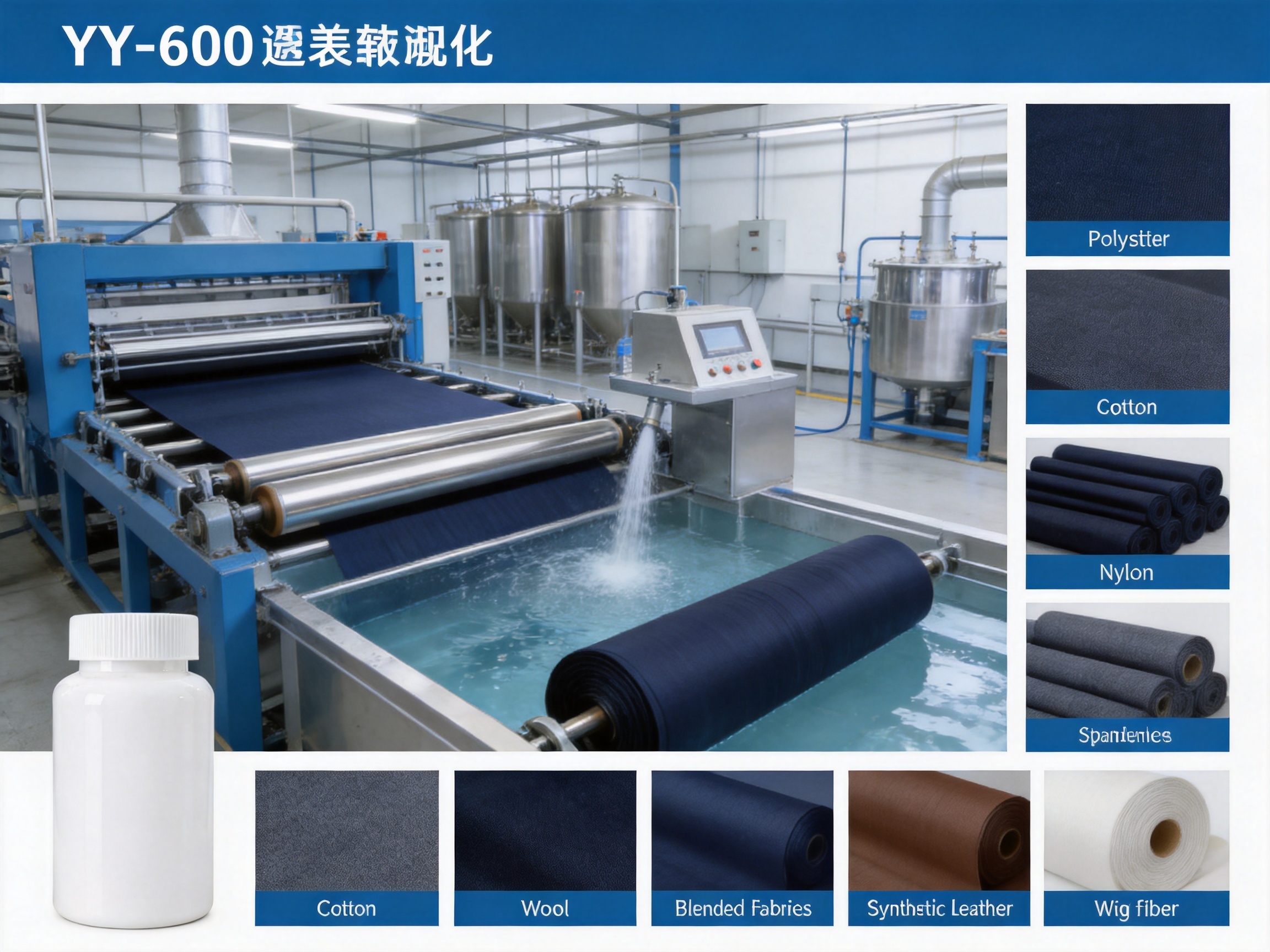
RY-600 is applicable to polyester, nylon, spandex, cotton, wool, and their blends. It can be used by exhaustion, padding, or spraying, and may be applied independently or compounded with amino silicone oil emulsions and other compatible finishing agents. This flexibility enables mills, dyehouses, garment manufacturers, wig producers, leather processors, and synthetic leather manufacturers to adapt the product to different equipment configurations and finishing objectives.
Beyond the immediate brightening effect, RY-600 is designed to contribute to smoother fabric surfaces, improved hand feel, enhanced luster, better tear strength, and greater wrinkle resistance. It also offers resistance to washing and dry cleaning, helping the treated appearance remain valuable throughout the service life of the textile. Its non-ionic character, easy water solubility, and APEO-free formulation further support practical use in environmentally conscious textile production.
This article examines the product’s technical profile, operating advantages, application methods, manufacturing strengths, quality considerations, and potential advantages compared with more narrowly focused finishing products. It also explains how users can optimize the product in production while maintaining consistent results.
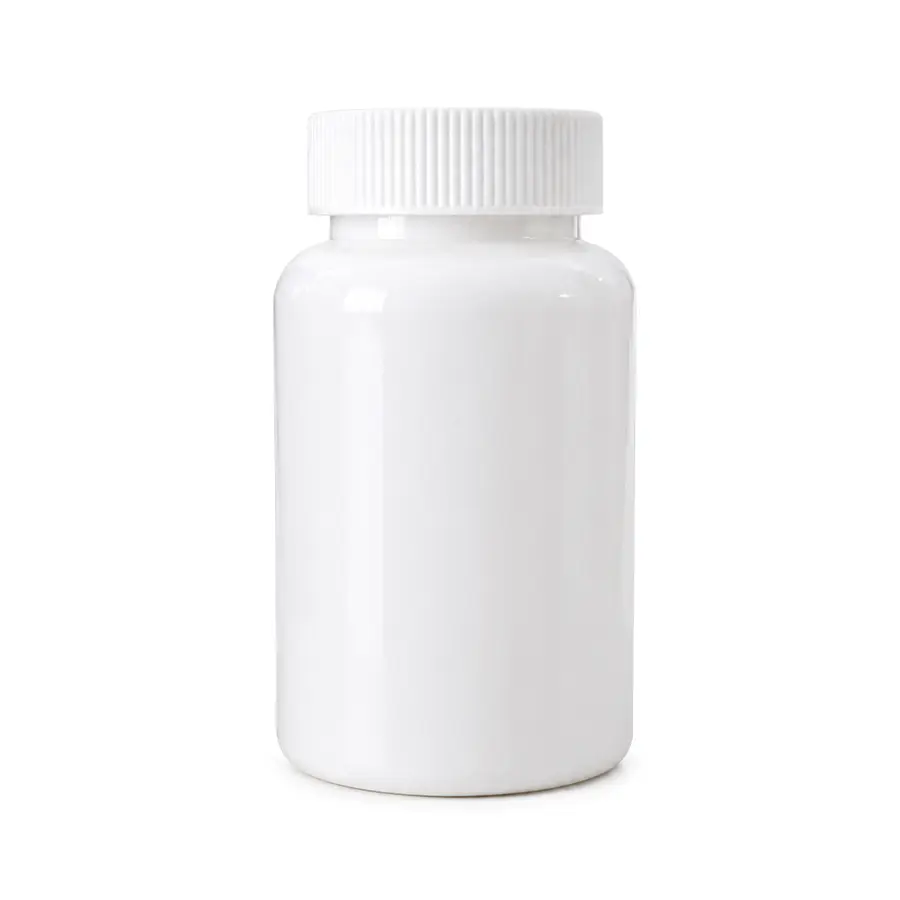
Brightening & Smoothing & Deepening Agent RY-600
What Is RY-600?
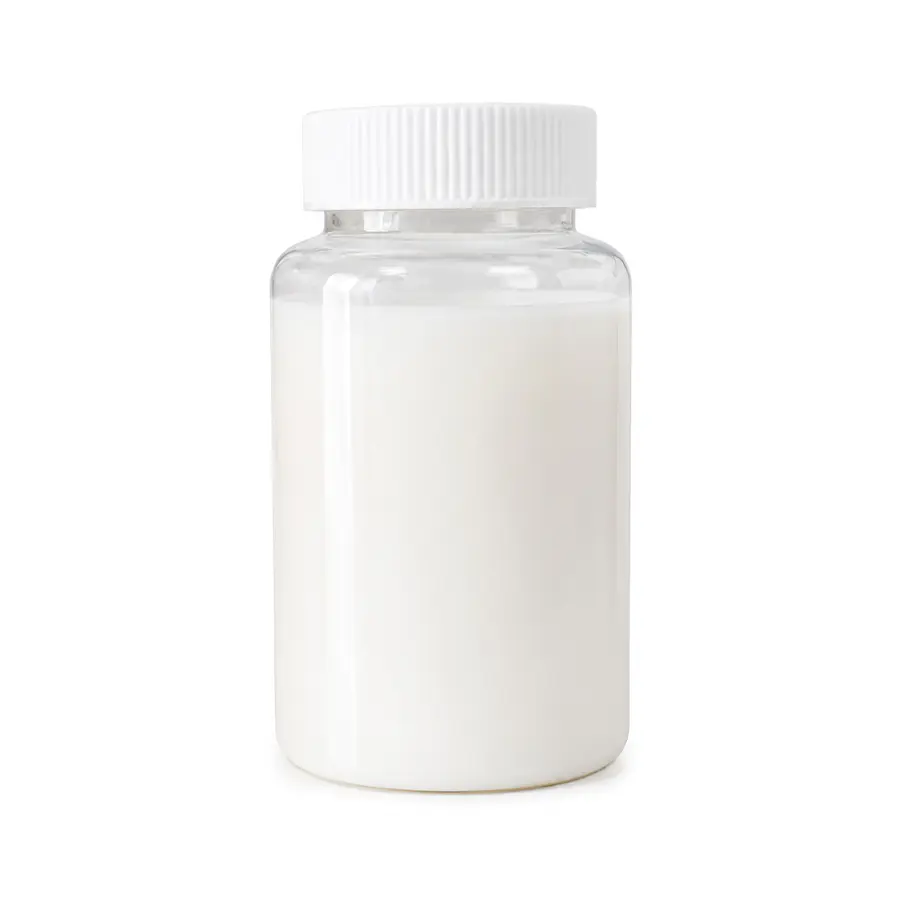
RY-600 is a milky white liquid textile auxiliary with a solid content of 55 ± 2 percent when tested at 105°C for two hours. It belongs to the silicone oil category and is intended to function as a combined brightening, smoothing, color-enhancing, and gloss-enhancing agent. Its formulation provides a practical balance between high active content, water dispersibility, processing flexibility, and compatibility with a range of textile substrates.
The product has a pH value of 6–7 and is non-ionic. These characteristics make it suitable for many finishing environments in which compatibility with other auxiliaries and resistance to ionic interference are important. RY-600 is easily soluble in water, allowing operators to prepare working solutions without complicated dissolution procedures when the recommended dilution and mixing practices are followed.
In a stability test conducted at 3,000 revolutions per minute for 30 minutes, the product shows no separation and no oil spotting. This property is particularly relevant for textile finishers because instability can result in uneven deposition, stained areas, roller contamination, bath separation, or inconsistent fabric appearance. Stable processing behavior helps reduce the risk of production interruptions and supports more uniform finishing results.
Property |
Typical Information |
Practical Significance |
Appearance |
Milky white liquid |
Convenient liquid form for dilution and application |
pH value |
6–7 |
Near-neutral profile suitable for many finishing systems |
Ionicity |
Non-ionic |
Supports formulation flexibility and broad substrate compatibility |
Solid content |
55 ± 2% |
High active content for efficient transport and dosing |
Stability |
No separation or oil spotting after 3,000 rpm × 30 minutes |
Supports consistent bath and fabric performance |
Solubility |
Easily soluble in water |
Simplifies preparation of working solutions |
Environmental feature |
APEO-free |
Supports restricted-substance and sustainability objectives |
How the Product Improves Textile Appearance
Brightening and Color Enhancement
The principal function of RY-600 is to improve the perceived brightness and depth of treated textiles. The term “brightening” in finishing does not necessarily mean changing the base color to a lighter shade. In practical textile production, it can refer to improving the way a surface reflects light, increasing visual clarity, and making dyed colors appear cleaner and more vivid.
Color enhancement is particularly important for dark-colored fabrics. Dark shades can sometimes appear flat, dusty, or visually uneven after dyeing and washing. A suitable finishing treatment can improve the surface reflection and make the shade appear deeper and more luxurious. RY-600 is reported to be particularly effective on dark-colored linen/polyester, polyester/cotton, nylon, and other blended fabrics.
The visual result depends on fabric construction, dye class, pretreatment quality, finishing concentration, drying conditions, and the presence of other auxiliaries. Nevertheless, the product is designed to help manufacturers obtain stronger visual impact without relying solely on additional dye. The stated ability to reduce dye consumption can offer both cost and process advantages when validated through controlled trials.
Gloss and Luster Improvement
Luster is one of the clearest indicators of surface refinement. A fabric with improved luster can appear smoother, richer, and more valuable, even when the underlying fiber and construction remain unchanged. RY-600 supports gloss enhancement across several fiber types and is also suitable for wigs, leather, and synthetic leather.
Improved luster may be especially valuable in fashion fabrics, decorative textiles, synthetic hair products, apparel linings, performance garments, and coated or imitation leather articles. For dark shades, greater light reflection can emphasize color depth while reducing a dull or chalky appearance. For smooth synthetic fibers, the finish can help create a more polished surface impression.
Smoothness and Soft Hand Feel
Visual performance alone is not sufficient for a successful finishing product. Consumers also evaluate a textile by touch. RY-600 is developed to improve fabric smoothness and provide a soft hand feel. This can support applications where low friction, surface glide, and a refined tactile character are desired.
The hand-feel effect can be adjusted through dosage, bath conditions, fabric preparation, and blending with other softeners or smoothing agents. Because the product can be used alone or compounded, manufacturers may develop a finish that balances smoothness, softness, drape, resilience, and appearance rather than accepting a one-dimensional result.
Functional Performance Benefits
Potential Reduction in Dye Consumption
One of the commercially significant advantages associated with RY-600 is its potential to reduce dye consumption. When surface brightness, color depth, and luster are improved during finishing, a fabric may achieve the required visual standard with less dependence on extremely high dye loading. Any reduction must be confirmed by each user through laboratory and production trials, because shade depth is influenced by fiber type, dye chemistry, fabric weight, pretreatment, and customer standards.
Where successful, reduced dye consumption may lower the direct cost of coloration and decrease the chemical load entering wastewater treatment. It may also improve production flexibility by allowing dyehouses to meet appearance targets through a combination of optimized dyeing and finishing rather than excessive dye concentration alone.
Improved Tear Strength and Wrinkle Resistance
RY-600 is also described as contributing to enhanced tear strength and wrinkle resistance. These benefits are important because finishing treatments must be evaluated not only for surface appearance but also for their effect on the fabric’s functional properties. A finish that produces shine but weakens the textile or causes unacceptable creasing would have limited value.
Improved wrinkle resistance can assist garments and textile articles that require a neater appearance during handling, storage, transport, and use. Enhanced tear strength may be valuable in blended fabrics, workwear, household textiles, and other products where durability is important. The actual performance should be assessed using the relevant standard test method for the intended market and fabric category.
Resistance to Washing and Dry Cleaning
Durability is another important distinction between a temporary appearance effect and a commercially useful finishing system. RY-600 is designed to resist washing and dry cleaning, helping maintain the brightened, smoother, and more attractive appearance after care cycles. Durability depends on fiber type, treatment conditions, curing or drying parameters, finish add-ons, and the severity of the care process.
For manufacturers, durable performance can reduce customer complaints and improve the perceived quality of finished goods. For brands and retailers, it supports product claims related to lasting appearance and easier maintenance. Proper testing should include repeated laundering or dry-cleaning cycles under conditions that reflect the target product’s care instructions.
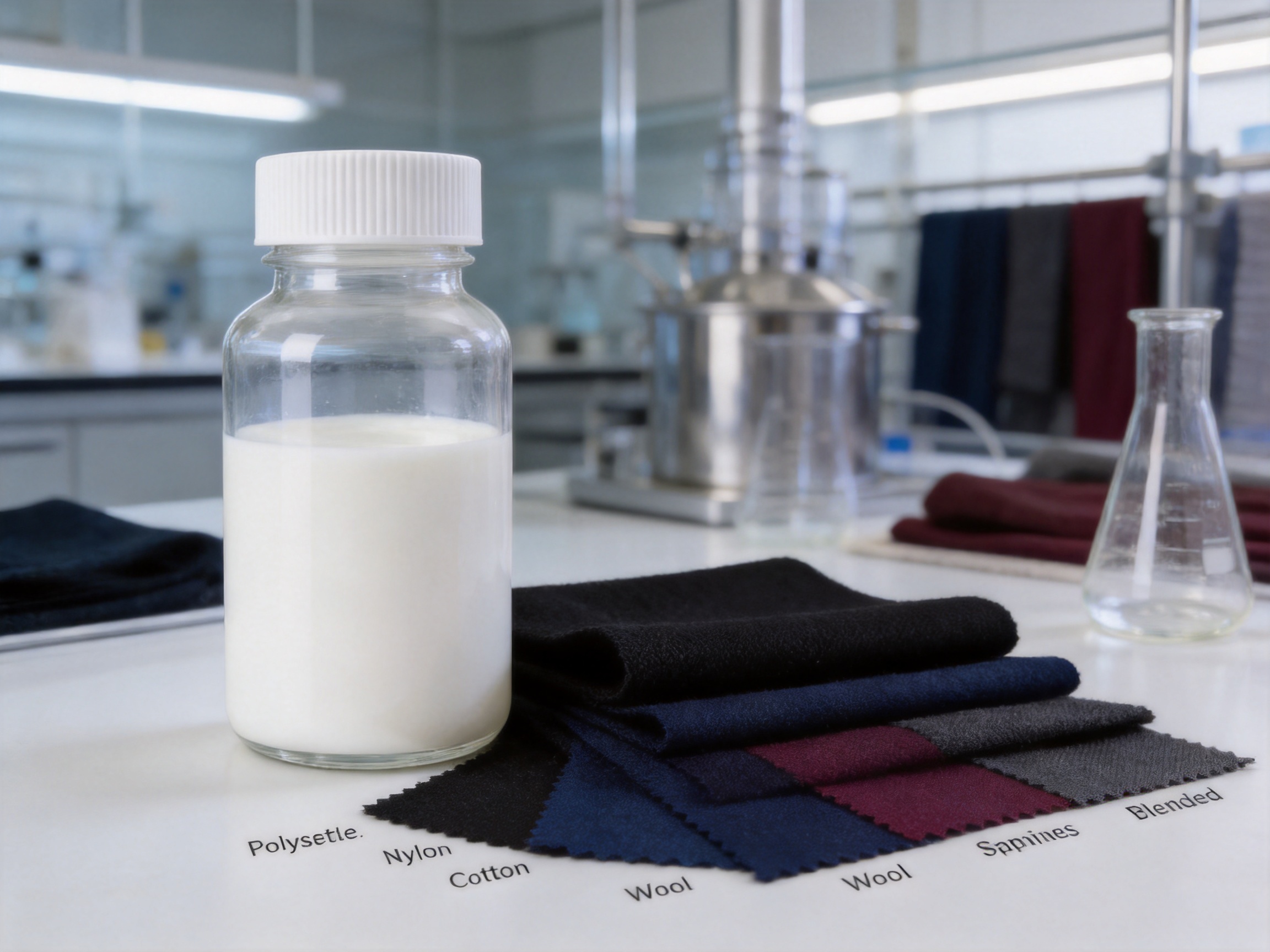
Advantages Compared with Narrower Finishing Approaches
Textile finishing markets include products designed for highly specific purposes, such as basic softening, temporary gloss, antistatic performance, or single-purpose color enhancement. RY-600 offers a broader functional profile by combining brightening, color deepening, gloss enhancement, smoothing, and soft hand feel in one auxiliary.
This multifunctional design may provide several advantages over using separate products for each objective. First, it can simplify formulation management. Instead of maintaining numerous individual products and developing complicated compatibility programs, a finisher may begin with a single multifunctional agent and adjust the final formula according to fabric requirements.
Second, a combined product may reduce the number of dosing steps. This can make production planning easier and limit the opportunity for errors during chemical preparation. Fewer products can also simplify warehouse organization, purchasing, batch traceability, and operator training.
Third, RY-600’s non-ionic profile and water solubility support flexibility in blending. It can be used alone or compounded with amino silicone oil emulsions, other softeners, and smoothing agents. This gives technicians room to create customized finishing packages for different fibers, colors, and end uses.
Fourth, the product’s high solid content of 55 ± 2 percent can be advantageous in logistics and dosing efficiency. A higher active concentration may reduce the volume of product required to deliver a target amount of active material, although the optimal dosage must be established through trials rather than assumed solely from solid content.
Fifth, the reported absence of oil spotting and separation under the stated stability test can be an operational advantage. Unstable products may create surface defects and require additional filtration, agitation, or reprocessing. Stable products are generally easier to manage, although users should still control water quality, temperature, contamination, and preparation time.
Finally, the APEO-free formulation supports customers seeking alternatives that are better aligned with restricted-substance requirements and environmental procurement policies. APEO-free status does not by itself define overall environmental performance, but it is a meaningful characteristic within a broader chemical compliance program.
Production Need |
Potential Contribution of RY-600 |
Result for the Finisher |
Improve dark-shade appearance |
Brightening, color enhancement, and increased depth |
More vivid and premium-looking textiles |
Enhance surface reflection |
Gloss and luster improvement |
Greater visual refinement |
Improve touch properties |
Smoothing and soft hand feel |
More comfortable and attractive fabric |
Simplify chemical selection |
Multifunctional performance |
Fewer separate finishing products may be required |
Support formulation development |
Non-ionic and compoundable characteristics |
Greater flexibility for customized recipes |
Support sustainability programs |
APEO-free formulation |
Better alignment with restricted-substance objectives |
Suitable Fibers and Product Applications
Polyester and Polyester Blends
Polyester is one of the most important application areas for RY-600. Polyester fabrics can benefit from improved surface smoothness, richer appearance, and greater luster. The product is also suitable for polyester/cotton and linen/polyester blends, where the different fiber components may create challenges in achieving an even visual and tactile result.
In blended fabrics, operators should consider the different moisture regain, surface energy, dye affinity, and heat response of each fiber. A laboratory trial should confirm that the finish distributes evenly and does not create excessive slickness, shade change, or undesirable migration during drying.
Nylon and Spandex Materials
Nylon fabrics are widely used in apparel, hosiery, swimwear, sportswear, lingerie, and technical textiles. RY-600 can support a smoother and more attractive surface on nylon and nylon blends. Its application may be particularly useful when the fabric requires a combination of color depth, surface glide, and a soft touch.
Spandex-containing materials require careful process control because elastomeric fibers can be sensitive to harsh chemical and thermal conditions. The near-neutral pH profile of RY-600 can be advantageous in a carefully controlled finishing process, but users should still confirm compatibility with the complete formulation and the heat history of the fabric.
Cotton and Cotton Blends
Cotton fabrics often require a balance between softness, smoothness, natural appearance, and dimensional performance. RY-600 can be used on cotton and cotton blends when improved luster and hand feel are desired. On cotton/polyester articles, the product may help create a more unified appearance across the different fiber components.
Because cotton surfaces may contain residual processing chemicals, oils, waxes, or unfixed color, thorough cleaning before finishing is essential. The manufacturer specifically recommends that the fabric be thoroughly cleaned before treatment. This is important for both performance and bath stability.
Wool and Other Fibers
Wool and other protein-based fibers can require specialized finishing conditions. RY-600 is listed as suitable for wool, but users should evaluate the effect on softness, surface character, shade, shrinkage, and dimensional stability. Gentle temperatures and carefully selected companion auxiliaries may be appropriate depending on the article.
Wigs, Leather, and Synthetic Leather
RY-600 is not limited to conventional textile yardage. It may also be used for smoothing and brightening wigs, leather, and synthetic leather. In wig production, an improved surface can help enhance manageability, sheen, and the perception of hair quality. For leather and synthetic leather, the finish may improve smoothness and gloss while contributing to a more refined surface appearance.
Non-textile applications should be evaluated separately because substrate porosity, coating structure, absorption, and surface chemistry can differ significantly from woven or knitted fabrics. Small-scale trials are particularly important for determining whether the product produces the intended visual effect without tackiness, unevenness, or excessive slipperiness.
Application Methods and Recommended Starting Formulas
Exhaustion Process
For exhaustion application, the recommended starting dosage is 1–3 percent on weight of fabric. The bath ratio is 1:10–20, the pH is 5.5–6.5, the treatment time is 20–30 minutes, and the temperature is 20–30°C. The product is supplied with a dilution reference of 1:6.
An exhaustion process allows the finishing bath to contact the fabric for a controlled period, which can be useful for materials that require thorough penetration or uniform treatment. Operators should ensure adequate liquor circulation, correct bath preparation, and sufficient movement of the fabric. The selected dosage should reflect the desired balance between brightness, gloss, hand feel, and surface smoothness.
Padding Process
For padding, the recommended starting dosage is 10–30 grams per liter. The pH should be maintained at 5.5–6.5, the pick-up rate should be approximately 70–80 percent, and the bath temperature should be 20–30°C. The product may be applied by one dip and one nip or by two dips and two nips, depending on equipment and fabric requirements.
Padding can provide efficient continuous processing and is appropriate for mills operating high-throughput finishing ranges. Consistent pick-up is essential. Variations in fabric moisture, nip pressure, line speed, bath viscosity, and fabric tension can influence the final add-on and create differences in luster or hand feel.
Spraying and Combination Finishing
RY-600 can also be used in spraying applications. Spray finishing may be appropriate for selected garments, three-dimensional articles, wigs, leather goods, synthetic leather, or localized treatment. The spraying system must be calibrated to achieve uniform coverage and prevent excessive deposition in seams, edges, folds, or overlapping areas.
The product may be compounded with other softeners and smoothing agents or used alone. When blending, each component should be tested for compatibility. A recommended practice is to prepare a small-scale mixture, observe its appearance and stability, and then assess the treated substrate before moving to production. Compatibility testing is especially important when combining silicone emulsions, cationic products, non-ionic products, resins, crosslinking agents, or specialty functional finishes.
Process |
Starting Dosage |
pH |
Temperature |
Other Conditions |
Exhaustion |
1–3% o.w.f. |
5.5–6.5 |
20–30°C |
Bath ratio 1:10–20; 20–30 minutes |
Padding |
10–30 g/L |
5.5–6.5 |
20–30°C bath temperature |
70–80% pick-up; one dip/one nip or two dips/two nips |
Spraying |
Determine by trial |
According to formulation |
According to substrate |
Control spray uniformity and surface coverage |
Working Solution Preparation and Process Control
Although RY-600 is easily soluble in water, working solution preparation should follow disciplined procedures. The recommended dilution reference is 1:6. Clean water should be used wherever possible, and the product should be added gradually with adequate agitation. Sudden addition into a small volume of water can create localized concentration differences and may make dispersion less uniform.
The prepared working solution should be used as soon as possible. At low concentrations, impurities in the water may affect the stability of the solution. Hardness ions, suspended solids, metal contaminants, and residues from poorly cleaned tanks can influence the behavior of a dilute finishing bath. Clean vessels and properly maintained dosing systems are therefore important.
Operators should monitor pH rather than relying only on the nominal pH of the product. The final bath may be affected by water quality, fabric carryover, dyes, pretreatment chemicals, and other auxiliaries. Maintaining the recommended pH range of 5.5–6.5 can help support reproducible results.
Contamination by heavy metal ions, strong acids, and strong alkalis should be avoided. These contaminants may affect emulsion stability, surface deposition, color, or the performance of companion products. Separate storage and dosing equipment may be appropriate where a mill handles highly reactive chemical systems.
Before treatment, the fabric must be thoroughly cleaned. Residual oils, surfactants, unfixed dyes, waxes, sizing agents, or pretreatment chemicals can interfere with finishing performance. Inadequate cleaning may lead to uneven brightness, poor smoothness, unstable working solutions, oil spots, or reduced durability.
Drying and subsequent thermal treatment should be selected according to the substrate and the complete finishing formulation. The supplied information provides application temperatures for the bath, but the final drying conditions should be established through trials that consider fiber sensitivity, fabric construction, moisture content, and desired hand feel.
Manufacturing Strengths Behind the Product
Long-Term Industry Experience
RY-600 is produced by Jiangyin Huanan New Materials Technology Co., Ltd., a manufacturer with a history dating back to 1984. Long-term participation in textile chemicals provides an important foundation for product development because finishing performance depends on practical understanding of dyehouse conditions, fiber behavior, formulation compatibility, and production economics.
Experience is most valuable when it is combined with structured research and quality management. The company’s stated focus includes the research, development, production, and sales of pretreatment, dyeing, and finishing auxiliaries. This integrated scope allows product development to be considered within the broader sequence of textile processing rather than as an isolated chemical function.
Research and Development Capability
The company operates an in-house laboratory and maintains a professional research and development team. These capabilities are important for a multifunctional product such as RY-600 because the finish must be evaluated through more than one test. Brightness, gloss, smoothness, hand feel, stability, compatibility, color change, and durability all need to be considered during formulation and application development.
In-house research also supports customization. Different customers may require different performance priorities. One mill may focus on dark polyester fabrics and strong color depth, while another may require a soft finish for nylon/spandex or a smooth appearance for synthetic leather. Customized formulation capabilities can help adapt solutions to specific substrates, machinery, and market requirements.
Two Production Plants and Annual Capacity
The company operates two production plants and has an annual production capacity of 60,000 tons. This scale supports the supply requirements of customers that need consistent availability, repeat orders, and coordinated production planning. It also indicates an ability to serve both standard products and broader industrial demand across textile chemical categories.
Production scale must be supported by standardized operating procedures, raw-material management, batch control, and quality inspection. For customers, the value of manufacturing capacity is not simply the ability to produce large volumes. It is also the ability to maintain consistent product characteristics from one batch to the next and to support delivery schedules during periods of high demand.
Broad Product Portfolio
The manufacturer’s product range includes moisture-wicking finishing agents, high-concentration repairing agents, low-temperature environmentally friendly carriers, silicone oils and silicone softeners, antistatic agents, color-fixing agents, stiffening agents, down-proof and windproof agents, and dry and wet rubbing fastness enhancers.
This broad portfolio can benefit customers seeking integrated textile chemical sourcing. A supplier familiar with pretreatment, dyeing, and finishing may be better positioned to understand interactions between products and help develop a complete process. It can also reduce the need for a mill to coordinate technical communication among many unrelated suppliers.
Quality Control and Standardized Production
Standardized production and strict quality control are essential for a liquid silicone-based finishing auxiliary. Important controls may include raw-material verification, batch weighing, mixing conditions, pH monitoring, solid-content checks, appearance evaluation, stability testing, packaging inspection, and retained-sample management.
The stated performance information for RY-600 includes a defined appearance, pH range, ionic character, solid-content target, stability result, and solubility description. These parameters give users a practical basis for incoming inspection and batch comparison. Customers can establish their own acceptance criteria and testing frequency according to their quality systems and end-market requirements.
Environmental and Compliance Orientation
The company offers eco-friendly, APEO-free, and formaldehyde-free formulations. RY-600 is identified as APEO-free, which is relevant to textile manufacturers operating under restricted-substance lists and sustainability requirements. The company also supports compliance with international environmental and management standards, including OEKO-TEX, ISO 14001, and ISO 45001, as stated in the supplied company information.
Environmental responsibility in textile chemicals involves more than one characteristic. Customers should evaluate the complete formulation, wastewater behavior, worker safety, packaging, transport classification, and compliance documentation. Nevertheless, APEO-free formulation, formaldehyde-free product development, in-house testing, and standardized management provide a useful foundation for responsible sourcing.
Quality, Storage, Packaging, and Transportation
RY-600 is supplied in plastic drums of 50 kilograms or 120 kilograms. These package sizes can serve both trial and regular production requirements. Smaller units may be practical for laboratory or pilot-scale testing, while larger drums can reduce handling frequency in continuous production.
The product can be transported as non-hazardous goods. Even when a product is classified as non-hazardous for transport, normal chemical-handling procedures should be followed. Containers should remain closed, labels should be preserved, and the product should be protected from contamination and physical damage.
RY-600 can be stored at room temperature and should be protected from direct sunlight. The shelf life in the original container is six months. Users should rotate stock according to production dates and inspect containers before use. Any abnormal odor, severe color change, thickening, separation, or contamination should be investigated before the product is added to a production bath.
Storage areas should be clean, dry, and organized. Direct exposure to strong heat, freezing conditions, sunlight, heavy-metal contamination, strong acids, and strong alkalis should be avoided. If the product has been stored for an extended period, gentle homogenization and a small stability check may be appropriate before production use, subject to the user’s internal procedures.
How to Evaluate Performance in the Laboratory
A laboratory trial should begin with a representative fabric sample. The sample should match the production fabric in fiber composition, construction, color, pretreatment history, and dyeing condition. Testing an unrelated white fabric may not accurately predict performance on a dark polyester/cotton blend or a nylon/spandex article.
Prepare at least one untreated control and several RY-600 dosage levels within the recommended range. If the product will be combined with an amino silicone oil emulsion or another softener, include both single-product and combined-product samples. This makes it easier to identify whether the combination produces a genuine improvement or simply increases surface deposition without improving overall quality.
Measure or assess brightness, color depth, gloss, smoothness, hand feel, shade change, tear strength, wrinkle recovery, and surface uniformity. Where possible, use instrumental color and gloss measurements alongside trained panel evaluation. Visual and tactile assessment remains valuable because end users often perceive differences that are not fully captured by a single numerical measurement.
Durability testing should reflect the intended care method. Washing tests can include repeated cycles at the recommended temperature and detergent conditions. Dry-cleaning evaluation may be appropriate for garments and materials marketed for professional care. After treatment, compare the appearance and hand feel with the untreated control and with the preferred commercial standard.
Stability tests should be performed on the working solution as well as the original product where necessary. Observe the bath after preparation, after standing, and after agitation. Check for separation, sediment, oil spots, or changes in viscosity. Such tests are especially useful when water quality varies between production locations.
Recommended Production Troubleshooting
Uneven Brightness or Gloss
Uneven appearance may result from inconsistent fabric preparation, variable wet pick-up, insufficient bath circulation, improper padding pressure, or inadequate mixing. Operators should first confirm that the fabric is clean and that the product is evenly dispersed. In padding processes, inspect the nip, fabric tension, line speed, and bath level.
Oil Spots or Surface Marks
Surface marks may be associated with contamination, incompatible additives, poor tank cleaning, excessive local concentration, or an unstable working solution. Verify the quality of the water, the condition of the preparation vessel, the dosage procedure, and the compatibility of all components. Avoid adding strong acids, strong alkalis, or contaminated materials to the finishing bath.
Insufficient Softness
If the fabric is bright but not sufficiently soft, the formulation may require adjustment rather than simply increasing the RY-600 dosage. Excessive dosage can create an overly slick or coated surface and may affect shade or rewetting behavior. A controlled combination with a compatible softener or amino silicone oil emulsion may provide a better balance.
Excessive Slickness or Loss of Body
When the fabric becomes too slippery or loses the desired body, reduce the dosage, modify the companion softener, adjust the pick-up, or reconsider the drying conditions. The best result is not always the maximum level of smoothness. Apparel, home textiles, and technical products each require a different tactile balance.
Unstable Working Bath
An unstable working bath may be caused by impurities in the water, extended standing time, incompatible chemicals, unsuitable pH, or contamination from previous production. Prepare the solution close to the time of use, maintain the recommended pH, and use clean equipment. If a blend is required, conduct a compatibility trial before introducing it into the main bath.
Why Supplier Capability Matters
Performance chemicals are not evaluated solely by a technical data sheet. Textile manufacturers also need supply continuity, responsive technical communication, consistent batches, customized support, and documentation. A product that performs well in a laboratory but cannot be supplied consistently is difficult to use in commercial production.
The manufacturer’s combination of long-term industry experience, two production plants, 60,000-ton annual capacity, in-house laboratory, professional R&D team, and broad auxiliary portfolio provides a strong basis for serving international textile customers. These capabilities can support product selection from pretreatment through finishing and help reduce the risk of incompatibility between different process stages.
Customization is especially important for customers producing varied fabrics. The same dosage may not be suitable for a dense polyester woven fabric, a lightweight nylon knit, a cotton blend, or a synthetic leather article. Technical cooperation enables the supplier and user to consider substrate, equipment, water quality, process sequence, customer standards, and environmental requirements together.
Manufacturing transparency also supports purchasing confidence. Customers should request current technical documentation, safety information, batch specifications, packaging details, shelf-life information, and compliance statements appropriate to their market. A structured supplier evaluation should include both product performance and the supplier’s ability to maintain quality over time.
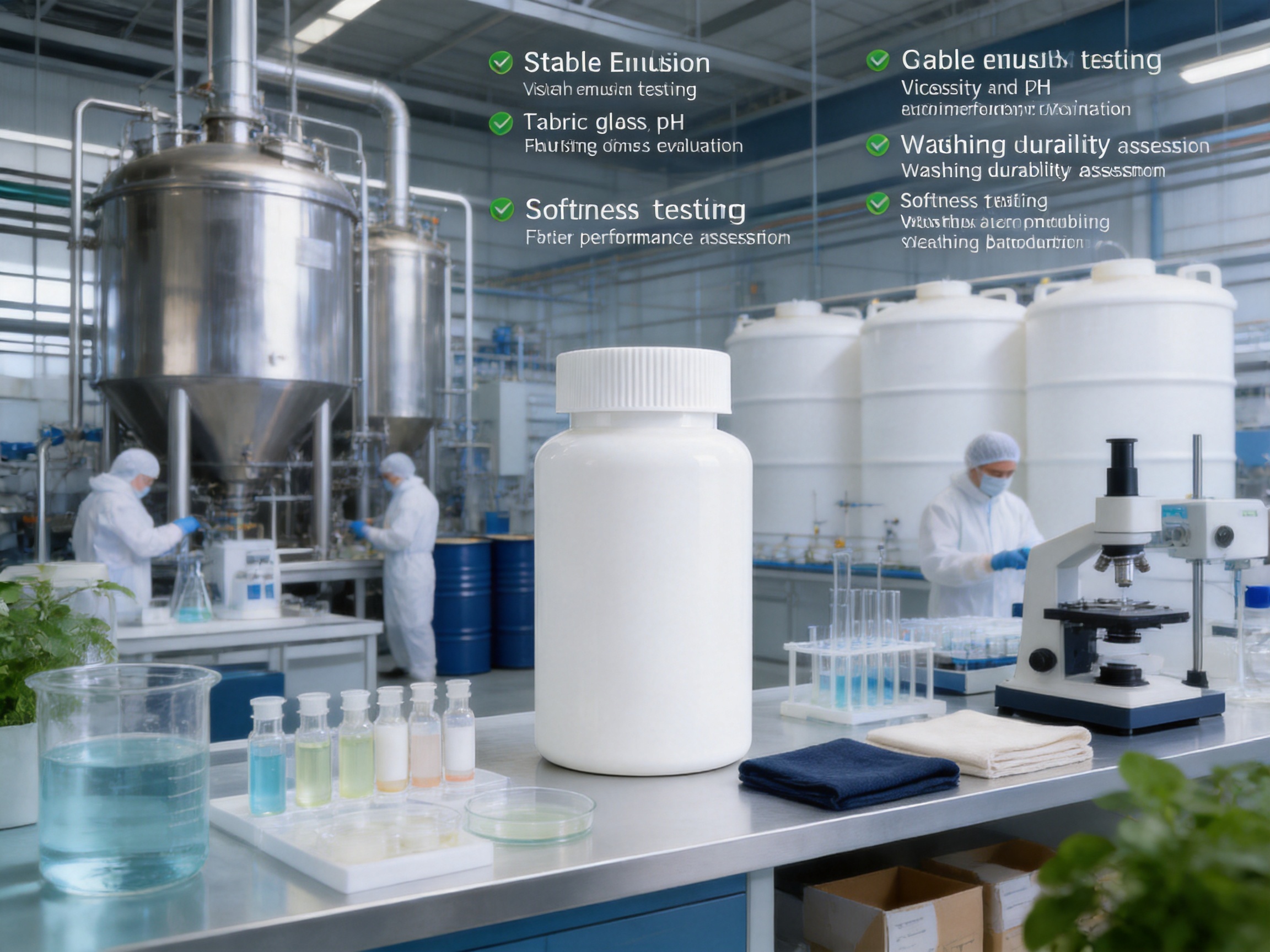
Q&A
What is the main purpose of RY-600?
RY-600 is a multifunctional textile finishing agent designed to brighten fabrics, enhance color depth, increase gloss and luster, improve smoothness, and provide a softer hand feel. It may also contribute to tear strength and wrinkle resistance.
Which fibers can be treated with RY-600?
The product is suitable for polyester, nylon, spandex, cotton, wool, and their blended fabrics. It can also be evaluated for wigs, leather, and synthetic leather.
Can RY-600 be used on dark-colored fabrics?
Yes. The product is particularly suitable for dark-colored linen/polyester, polyester/cotton, nylon, and other blended fabrics where improved color depth, luster, and surface brightness are desired.
Is RY-600 ionic or non-ionic?
RY-600 is non-ionic. This characteristic supports application flexibility and allows it to be considered for formulations containing compatible softeners and smoothing agents.
Is the product water-soluble?
Yes. RY-600 is easily soluble in water. The product information provides a dilution reference of 1:6, and the working solution should be prepared with clean water and used as soon as possible.
Can it be combined with amino silicone oil emulsions?
Yes. RY-600 can be used alone or compounded with amino silicone oil emulsions. Compatibility testing is recommended before production use, especially when other ionic or reactive auxiliaries are present.
What is the recommended exhaustion dosage?
The recommended starting dosage is 1–3 percent on weight of fabric, with a bath ratio of 1:10–20, a pH of 5.5–6.5, a treatment time of 20–30 minutes, and a temperature of 20–30°C.
What is the recommended padding dosage?
The recommended padding dosage is 10–30 grams per liter. The pH should be 5.5–6.5, the bath temperature should be 20–30°C, and the pick-up rate should be approximately 70–80 percent.
Why must the fabric be thoroughly cleaned before treatment?
Residual oils, unfixed dyes, waxes, surfactants, and other contaminants can interfere with finishing performance and bath stability. Thorough cleaning helps prevent uneven brightness, poor smoothness, oil spotting, and inconsistent results.
Is RY-600 APEO-free?
Yes. RY-600 is identified as APEO-free, supporting textile manufacturers that are working toward restricted-substance and environmental compliance objectives.
How should RY-600 be stored?
It can be stored at room temperature and should be protected from direct sunlight, strong acids, strong alkalis, and heavy-metal contamination. The stated shelf life in the original container is six months.
How is the product packaged?
RY-600 is supplied in plastic drums of 50 kilograms or 120 kilograms.
Can the product be transported as dangerous goods?
The supplied product information states that RY-600 can be transported as non-hazardous goods. Users should still follow applicable transport, storage, and workplace chemical-handling procedures.
What should be done if the working solution separates?
Check the water quality, preparation sequence, pH, mixing conditions, standing time, vessel cleanliness, and compatibility of other additives. Prepare a fresh small-scale solution before production and consult the supplier if the problem continues.
Does the recommended dosage guarantee the same result on every fabric?
No. The finishing result depends on fiber type, fabric construction, dyeing history, pretreatment, dosage, pH, pick-up, temperature, drying, and the presence of other auxiliaries. Preliminary trials are necessary for every significant substrate and process.
Conclusion
Brightening & Smoothing & Deepening Agent RY-600 is designed to address several important textile finishing requirements in one product. Its combined brightening, color-enhancing, gloss-improving, smoothing, and softening functions make it a practical option for polyester, nylon, spandex, cotton, wool, blended fabrics, wigs, leather, and synthetic leather.
The product’s non-ionic character, near-neutral pH, high solid content, easy water solubility, reported stability, washing and dry-cleaning resistance, and APEO-free formulation provide a useful technical foundation. Its potential to improve dark-shade appearance and reduce dye consumption can offer additional value when confirmed through controlled trials.
Compared with narrowly focused finishing agents, RY-600 offers the advantage of multifunctional performance and formulation flexibility. It can be used by exhaustion, padding, or spraying and may be applied alone or compounded with compatible silicone emulsions and other finishing products. This flexibility can help mills simplify chemical management while developing customized hand-feel and appearance targets.
The product is supported by a manufacturer with a long operating history, two production plants, an annual production capacity of 60,000 tons, an in-house laboratory, professional R&D resources, standardized production, strict quality control, and a broad range of textile auxiliaries. These strengths are important for customers seeking not only a finishing chemical but also a dependable long-term technical partner.
As with all textile auxiliaries, the best result depends on the complete process. Thorough fabric cleaning, correct working-solution preparation, pH control, water-quality management, compatibility testing, and appropriate dosage selection are essential. Users should conduct preliminary tests under actual application conditions before commercial production. With disciplined process control and supplier cooperation, RY-600 can help textile manufacturers create brighter, smoother, richer, and more commercially attractive finished materials.
References
1. Product Technical Information Sheet. Brightening & Smoothing & Deepening Agent RY-600. Manufacturer-supplied technical data.
2. Company Information File. Jiangyin Huanan New Materials Technology Co., Ltd. Corporate and manufacturing capability information.
3. International Organization for Standardization. ISO 105 Series: Textiles—Tests for Colour Fastness.
4. International Organization for Standardization. ISO 13934 Series: Textiles—Tensile Properties of Fabrics.
5. International Organization for Standardization. ISO 13935 Series: Textiles—Tensile Properties of Seams.
6. International Organization for Standardization. ISO 6330: Textiles—Domestic Washing and Dry-Cleaning Procedures for Textile Testing.
7. AATCC. Textile Testing Methods for Colorfastness, Appearance Retention, and Fabric Performance.
8. OEKO-TEX Association. Restricted Substances and Textile Chemical Compliance Principles.
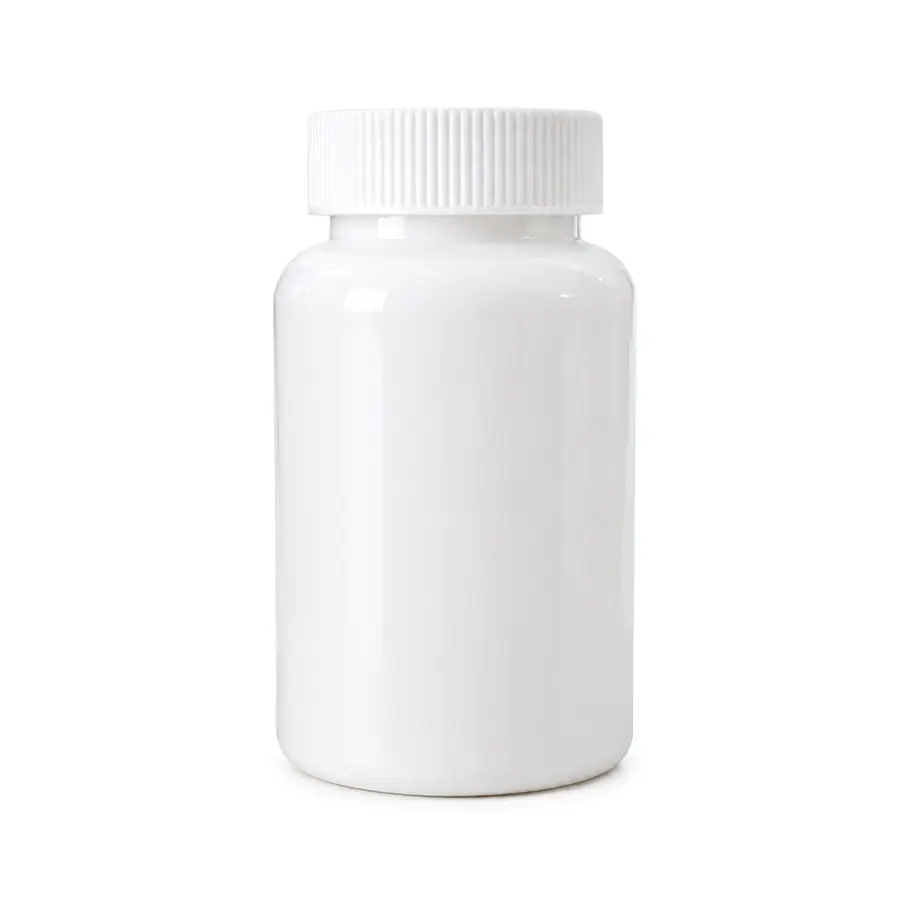
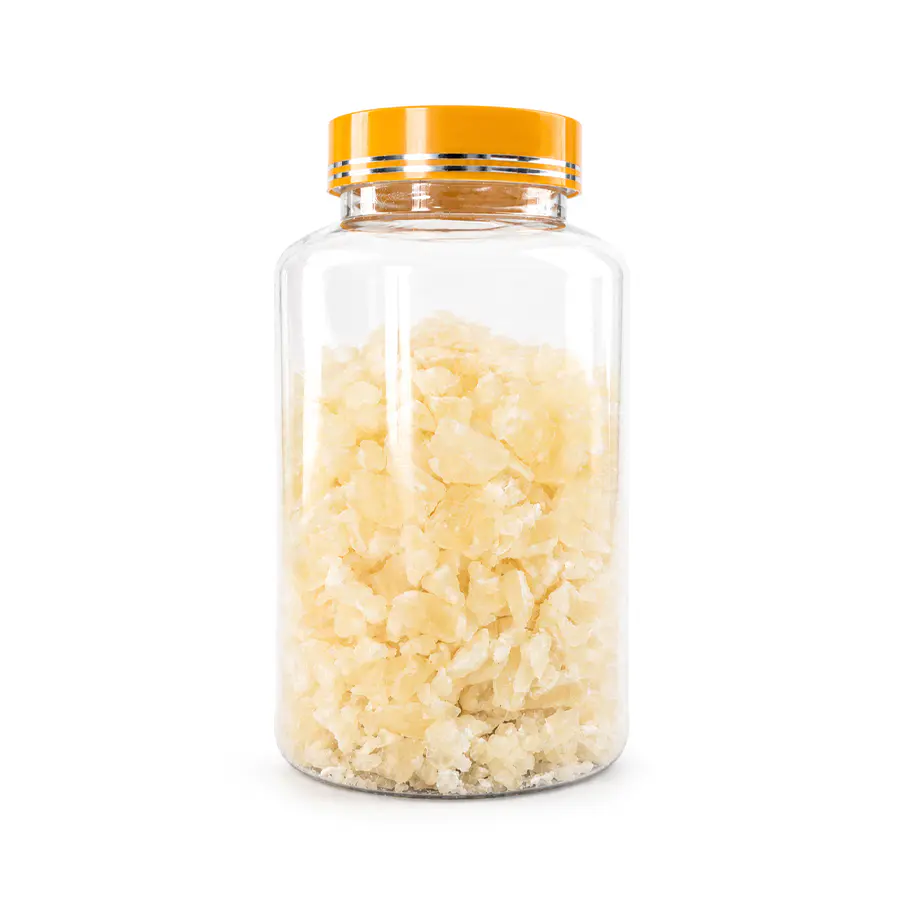
Product: Brightening & Smoothing & Deepening Agent RY-600

Contact us
huanannewmaterials@gmail.com
-
 Phone: +86 - 13861620767
-
 Fax: +86-0510-86200939
-
 298 Hongxing Road, Huashi Town, Jiangyin City, Wuxi City, Jiangsu Province, China
Product links
Mobile App
Copyright © Jiangyin Huanan New Materials Technology Co., Ltd. All Rights Reserved

-
huanannewmaterials@gmail.com
-

-

-
+86 - 13861620767