


 English
 中文简体

Formaldehyde-Free Polyester Fixing Agent for High-Fastness Textile Production
Content
- 1 Why Polyester Dye Fixation Requires Special Attention
- 2 Product Overview
- 3 Core Performance Advantages
- 4 Comparison with Conventional Fixing Approaches
- 5 Recommended Application on Pure Polyester
- 6 Recommended Application on Polyester/Cotton Blends
- 7 Suggested Laboratory Development Procedure
- 8 Interpretation of the Supplied Test Results
- 9 Manufacturing Strengths of the Supplier
- 10 Production Integration and Process Efficiency
- 11 Storage, Packaging, and Handling
- 12 Quality Control Points for Commercial Production
- 13 Frequently Asked Questions
- 13.1 What is Polyester Fixing Agent HN-860?
- 13.2 Is HN-860 suitable for pure polyester?
- 13.3 Can it be used on polyester/cotton blends?
- 13.4 Does the product contain formaldehyde?
- 13.5 Will HN-860 change the fabric shade?
- 13.6 Will it reduce fabric hydrophilicity?
- 13.7 Does the fixing treatment make polyester fabric stiff?
- 13.8 What is the recommended application process?
- 13.9 Can the product be diluted?
- 13.10 Is a higher dosage always better?
- 13.11 Can HN-860 be stripped from the fabric?
- 13.12 What package size is available?
- 13.13 How long is the shelf life?
- 13.14 What should be tested before bulk production?
- 13.15 How does HN-860 compare with a traditional fixing agent?
- 14 Conclusion
- 15 References
- 16 Product: Polyester Fixing Agent HN-860
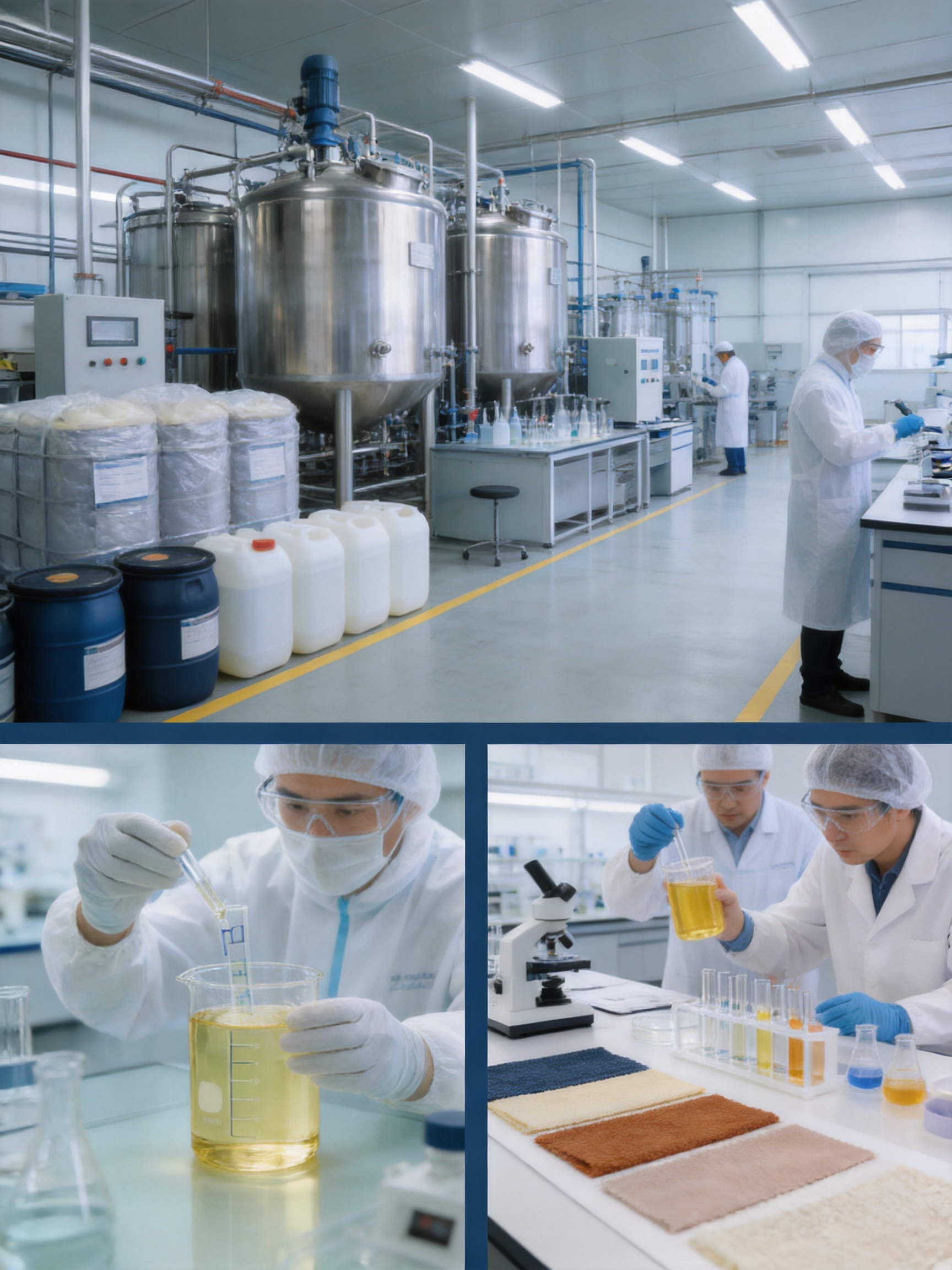
Polyester fabrics are widely used in apparel, sportswear, home textiles, industrial fabrics, and blended materials because of their strength, dimensional stability, wrinkle resistance, and versatility. However, achieving reliable color fastness on polyester can be technically demanding. Disperse dyes may migrate toward the fiber surface during heat setting, while exposure to oxygen and light can contribute to yellowing, shade change, dye sublimation, and reduced resistance to washing and rubbing.
These challenges become more serious when fabrics are dyed in pale shades, sensitive color combinations, brilliant blues, reds, or other colors that are especially vulnerable to visual variation. They can also become more difficult when customers require high wash fastness, strong dry and wet rubbing fastness, good boiling-water resistance, stable appearance, and compliance with increasingly strict environmental expectations.
Polyester Fixing Agent HN-860 is a formaldehyde-free, cationic polymer fixing agent developed for pure polyester and polyester/cotton blended fabrics. It is designed to improve the fixation and surface stability of disperse dyes while minimizing unwanted changes to shade, hand feel, hydrophilicity, and fabric appearance. Its application can help textile mills simplify production routes that traditionally require repeated reduction cleaning and heat-setting operations.
Compared with conventional fixing technologies, HN-860 provides a combination of fixing performance, environmental advantages, easy stripping, hydrophilicity, and process flexibility. It is suitable for padding applications and can be adjusted according to fiber composition, fabric construction, dye type, color depth, and the requirements of the individual production line.
Why Polyester Dye Fixation Requires Special Attention
Polyester is a hydrophobic synthetic fiber with a compact molecular structure. Disperse dyes are used because they can diffuse into polyester under high-temperature dyeing conditions. During dyeing, the molecules migrate into the fiber and become distributed within the polymer matrix. After dyeing, however, not all dye molecules remain equally stable under subsequent thermal and mechanical treatments.
Heat setting is an important operation in polyester processing because it can control width, improve dimensional stability, reduce fabric distortion, and establish the desired fabric structure. At the same time, the high temperature may cause a portion of the dye located inside the fiber to migrate toward the surface. This phenomenon is commonly associated with poor sublimation fastness or insufficient thermal stability of the dye system.
Once dye molecules reach the fiber surface, several problems may occur. Surface dye can be removed more easily during washing, transferred to adjacent fibers, or deposited on processing equipment. It may also reduce dry and wet rubbing fastness. In addition, the exposed dye can be more vulnerable to oxygen and light, contributing to yellowing or a visible change in shade.
These effects are particularly noticeable in light colors, high-contrast combinations, brilliant shades, and fabrics produced for demanding applications. Even a small shift in hue can lead to rejection when the finished goods must match an approved laboratory standard or a customer’s master sample.
Traditional production routes often attempt to control these risks through several operations. A typical route may include polyester dyeing, reduction cleaning, intermediate setting, a second reduction cleaning, and final setting. Although this approach can deliver satisfactory results under carefully controlled conditions, it increases processing time, water consumption, energy use, labor requirements, and the number of stages at which shade variation or fabric damage can occur.
A suitable fixing agent offers an alternative approach. By forming a stable polymeric layer or interaction on the fiber surface, the fixing agent can help limit the mobility of residual surface dye. The treatment must be strong enough to improve fastness, but balanced enough not to create excessive stiffness, affect shade, reduce hydrophilicity, or make later stripping difficult.
Product Overview
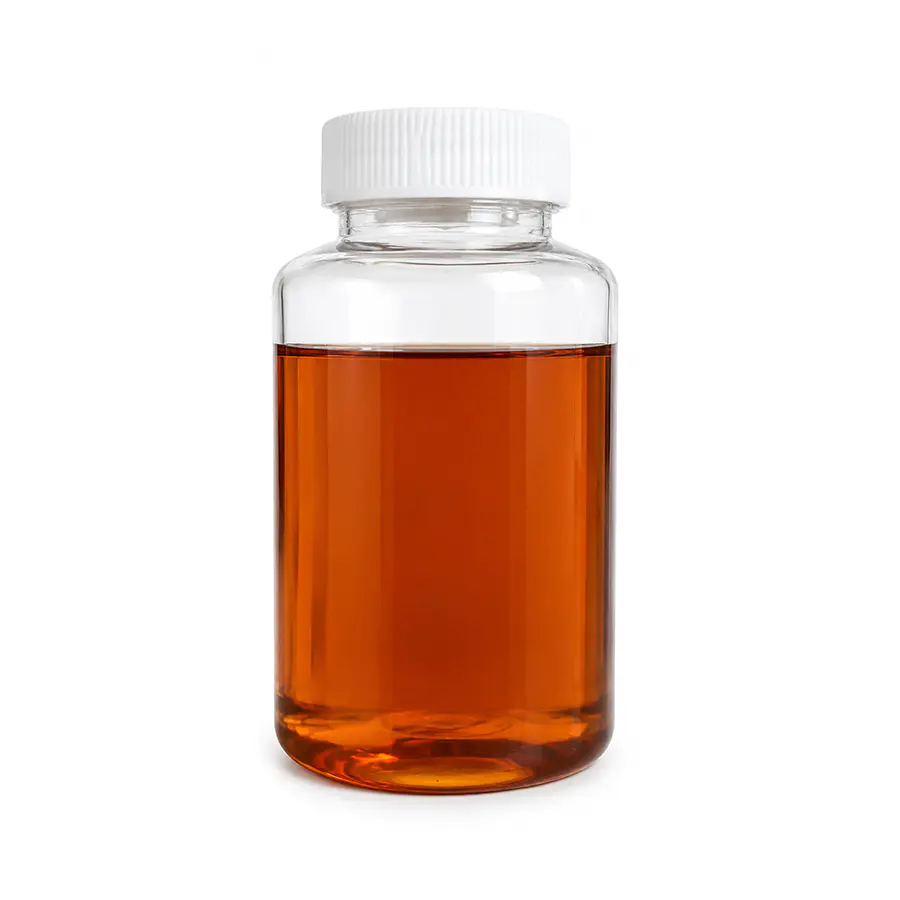
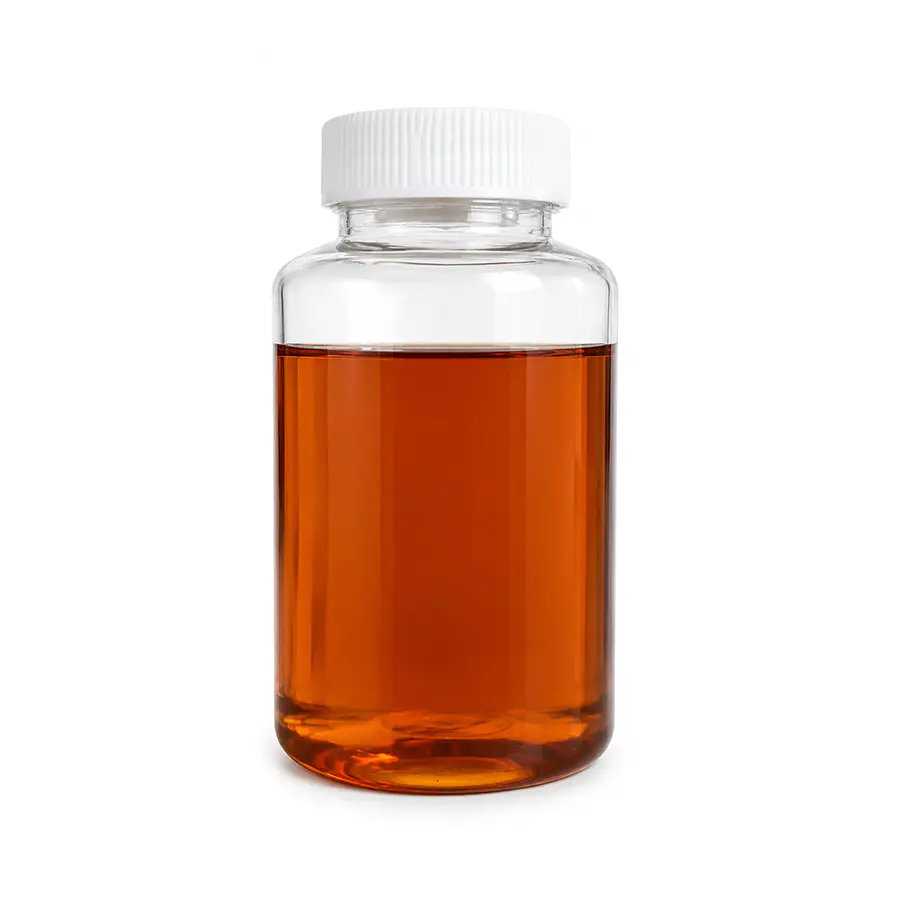
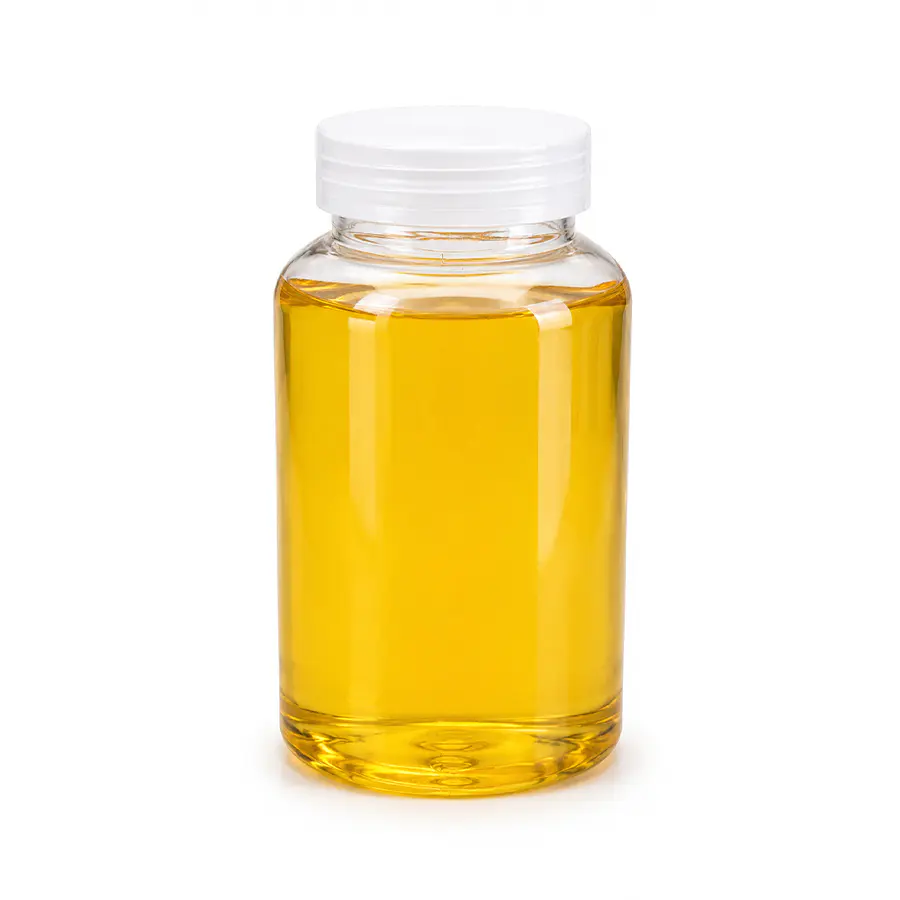
Polyester Fixing Agent HN-860 is a cationic polymer fixing agent for polyester-based textiles. It is supplied as a slightly yellow to light-yellow transparent liquid and is intended for industrial textile finishing operations.
| Property | Typical specification |
|---|---|
| Product name | Polyester Fixing Agent HN-860 |
| Product type | Formaldehyde-free cationic polymer fixing agent |
| Appearance | Slightly yellow transparent liquid |
| Ionicity | Cationic |
| pH value | 7.0 ± 0.5 in a 1% aqueous solution |
| Active content | 50% ± 2% according to the supplied test report |
| Primary applications | Pure polyester and polyester/cotton blended fabrics |
| Recommended process | Padding, one dip and one nip, followed by drying |
| Recommended dosage | 10–30 g/L |
| Recommended drying conditions | 130–170°C for approximately 100–120 seconds |
The near-neutral pH of the product in a 1% solution can support compatibility with many polyester finishing processes. Nevertheless, every mill should conduct a laboratory trial before full-scale production because dye combinations, auxiliaries, liquor pick-up, drying equipment, fabric weight, and finishing conditions may influence the final result.
HN-860 is formulated as a concentrated product that can be diluted according to production requirements. This allows users to adapt the working solution to fabric weight, desired add-on, machine configuration, and the required level of fastness improvement.
Core Performance Advantages
Formaldehyde-free formulation
One of the most important advantages of HN-860 is that it is formaldehyde-free. Conventional resin-based fixing products may be associated with formaldehyde concerns, particularly when they are used in applications where residual chemical content is closely controlled. A formaldehyde-free formulation supports the development of safer and more environmentally responsible textile processing systems.
This advantage is relevant to manufacturers supplying apparel, sportswear, children’s products, home textiles, and export markets with strict chemical management requirements. It also supports mills that are working toward restricted-substance-list compliance, environmental certifications, and customer programs focused on safer chemistry.
Formaldehyde-free does not mean that normal process controls can be ignored. The textile mill should still confirm the product’s compatibility with its own chemical management system, wastewater treatment requirements, workplace procedures, and customer standards. HN-860 should be evaluated as part of the complete formulation rather than as an isolated chemical.
Improved color fixation without obvious shade alteration
A fixing agent must improve fastness without creating an unwanted color shift. HN-860 is designed to provide fixation while maintaining the original shade. The supplied technical information indicates that there is no dye bleeding in the fixing bath after treatment and that the product does not visibly alter the fabric color under the tested conditions.
This characteristic is valuable for sensitive shades. In production, the cost of shade correction can exceed the cost of the chemical treatment itself because correction may require reprocessing, additional water, extra energy, more labor, and possible fabric loss. A fixing agent that minimizes shade change can therefore contribute to more consistent first-pass production.
It is still advisable to compare treated fabric against an untreated control under standardized lighting. A visual assessment should be supported by instrumental color measurement where possible. The final result may depend on the disperse dye system, fabric construction, thermal history, curing temperature, and the dosage of HN-860.
Support for wash fastness and rubbing fastness
Residual surface dye is one of the main causes of poor washing and rubbing performance on polyester. HN-860 helps stabilize the dye at the fabric surface and can improve the resistance of the finished material to laundering and contact with other surfaces.
In the supplied test report, red and brilliant blue polyester knitted fabrics were treated by padding and drying. Test results showed improved or maintained ratings across shade change and staining categories at low, medium, and high dosage levels. The results indicate that the product can support reliable performance across a range of treatment concentrations, although the optimum dosage must be selected for each fabric and shade.
The results also demonstrate an important practical point: higher dosage is not automatically better. The product information specifically recommends selecting the amount according to polyester content in blended fabrics, and it notes that excessive dosage may reduce fastness in certain situations. Optimization is therefore more important than simply increasing the concentration.
Maintained hydrophilicity
Many conventional fixing agents create a hydrophobic or relatively closed surface that can reduce the ability of the textile to wet out. This may interfere with later processing, affect comfort, and reduce the performance of fabrics designed for moisture management.
HN-860 is designed to maintain a more hydrophilic surface than traditional fixing products. The test report records a water-drop absorption time of less than one second for all treated samples, with performance reported as being the same as the blank sample under the test conditions.
Maintained hydrophilicity is especially useful for polyester sportswear, underwear, lining materials, moisture-management fabrics, and articles that may receive additional finishing treatments. The result should be verified on the actual production fabric because fabric construction, previous scouring, dyeing auxiliaries, softeners, and surface contamination can all affect wetting behavior.
Minimal impact on hand feel
Textile finishing chemicals can improve fastness but sometimes cause stiffness, harshness, surface drag, or an undesirable coated sensation. HN-860 is intended to minimize these effects. According to the supplied product information, fabrics treated with the product retain a softer or more natural hand feel compared with fabrics treated with traditional fixing agents.
This advantage is important when the fabric will be used in garments or products where tactile comfort is a major part of quality evaluation. It is also useful for mills that need to combine fixing with softening, moisture management, anti-static treatment, or other finishing effects.
Hand feel remains partly subjective, so the best practice is to conduct a panel assessment together with objective measurements such as bending length, coefficient of friction, compression response, and fabric weight where required. HN-860 should be integrated into the complete finishing recipe to avoid incompatibility with silicone oils, softeners, antistatic agents, or other cationic and nonionic products.
Easy stripping when reprocessing is needed
Production defects, shade corrections, customer changes, and reprocessing requirements are unavoidable in textile manufacturing. A fixing agent that is difficult to remove can restrict flexibility and make correction more expensive.
HN-860 is described as easy to strip. This means that mills can retain greater flexibility when a fabric must be repaired, recolored, or subjected to another finishing route. Easy stripping can also help reduce the risk of permanent accumulation on equipment or excessive build-up during repeated processing.
The stripping method should be established through laboratory trials. Temperature, detergent concentration, alkaline conditions, treatment time, and mechanical action may all affect stripping efficiency. The appropriate method will depend on the fabric, dye class, shade, and the complete finishing formulation.
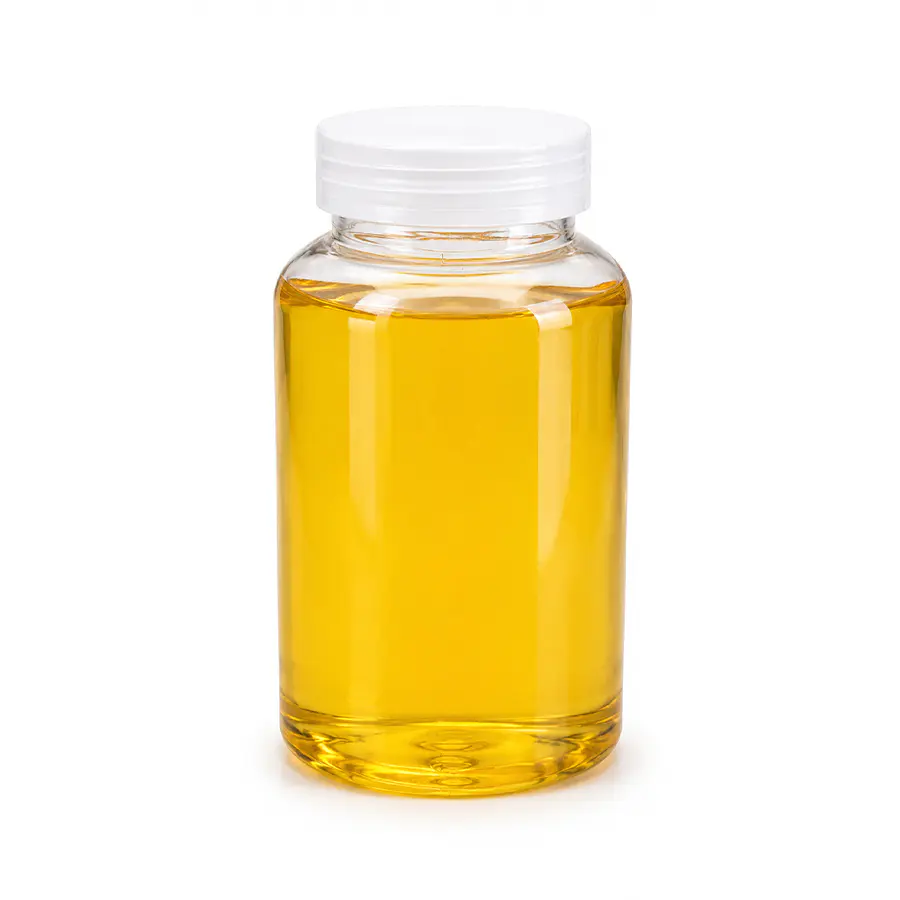
Polyester Fixing Agent HN-860
Comparison with Conventional Fixing Approaches
Traditional fixing agents may rely on resin chemistry or other systems that can provide useful fastness performance but may also create disadvantages. Potential concerns include formaldehyde release, reduced hydrophilicity, changes in hand feel, visible shade variation, difficulty in stripping, and increased wastewater or reprocessing requirements.
HN-860 is positioned as an alternative for mills seeking a more balanced performance profile. The comparison below summarizes the practical differences that should be evaluated during product selection.
| Evaluation factor | Traditional fixing approaches | HN-860 |
|---|---|---|
| Formaldehyde management | Some resin-based products may require close control of residual formaldehyde | Formaldehyde-free formulation |
| Color stability | Potential for shade variation depending on chemistry and dosage | Designed to fix dye with minimal shade change |
| Hydrophilicity | Some products may reduce wetting performance | Hydrophilic behavior maintained in the supplied test |
| Hand feel | May create stiffness or a coated sensation | Minimal impact on hand feel |
| Stripping | Some products may be difficult to remove | Designed to be easy to strip |
| Process flexibility | May require tightly controlled multi-stage processing | Suitable for adaptable padding treatment |
| Environmental positioning | Depends on chemical composition and compliance profile | Supports formaldehyde-free and environmentally responsible processing |
This comparison does not mean that every traditional product performs poorly or that HN-860 will produce identical results on every fabric. Textile chemistry is highly application-dependent. The key advantage is the combination of properties in one product: fixation, formaldehyde-free chemistry, preserved hydrophilicity, limited hand-feel impact, and stripping flexibility.
HN-860 may also help reduce reliance on repeated reduction cleaning and intermediate heat setting. When the product is correctly selected and applied, the mill may be able to simplify the process route and reduce the number of production variables. Any process reduction must be confirmed by laboratory and pilot-scale trials, particularly where customers specify demanding fastness standards.
Recommended Application on Pure Polyester
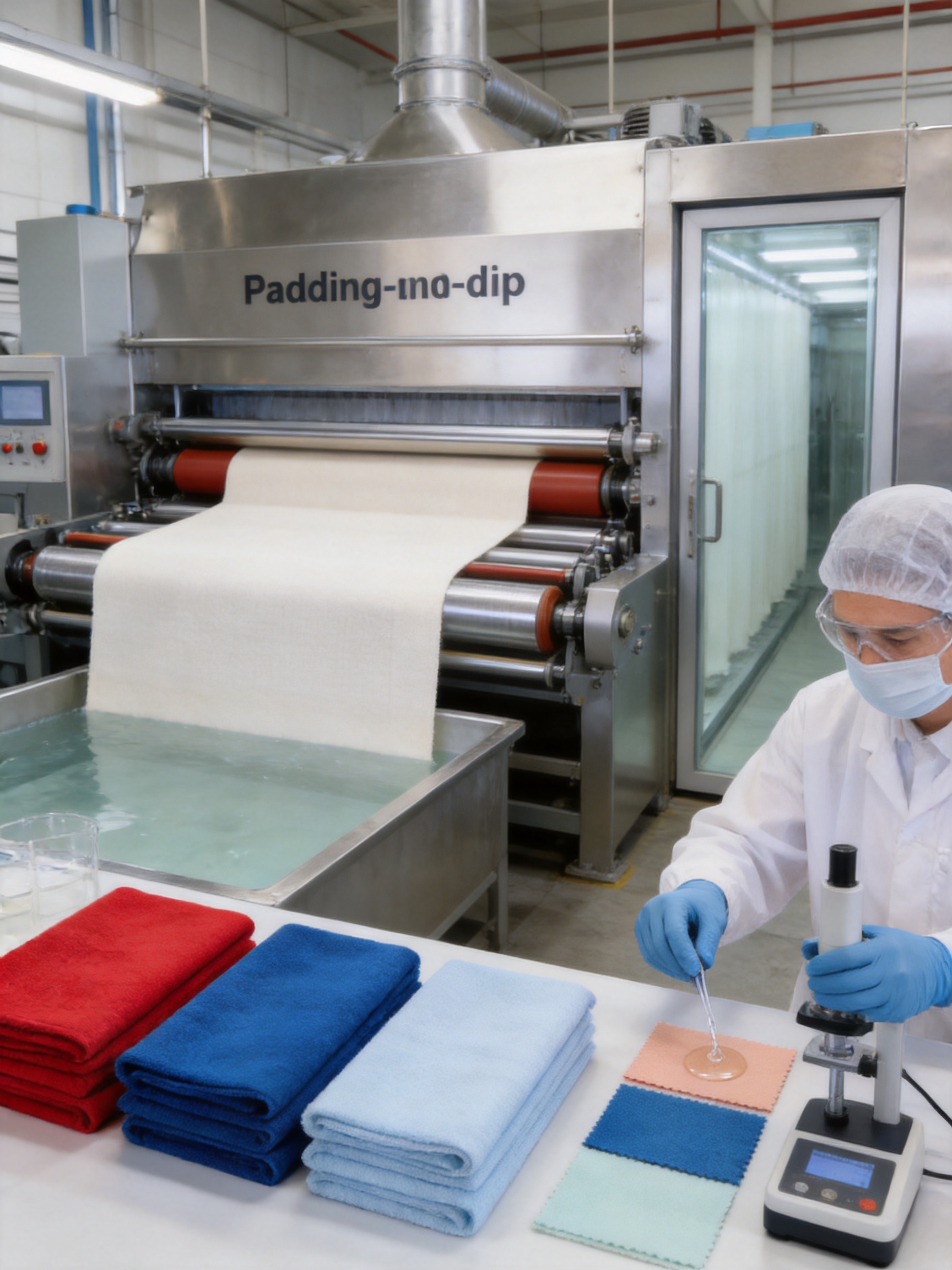
For pure polyester fabric, the recommended padding dosage is 10–30 g/L. The standard process is one dip and one nip, followed by drying at approximately 130–170°C for 100–120 seconds.
A typical application sequence is as follows:
First, prepare the padding bath using clean water and the required amount of HN-860. The product may be diluted before addition to the bath to improve dispersion and dosing accuracy. The bath should be mixed thoroughly and checked for uniformity before fabric entry.
Second, pass the polyester fabric through the padding bath. Use a stable immersion time and ensure that the fabric is fully wetted. Uneven wetting can lead to irregular fixing, streaks, or differences between the center and selvedge areas.
Third, adjust the nip pressure to obtain the desired pick-up. The supplied test report used a padding pressure of 3 kg and an approximate pick-up of 75%. Actual pressure and pick-up should be adjusted according to fabric weight, width, construction, machine condition, and required add-on.
Fourth, dry the padded fabric within the recommended temperature and time range. Drying conditions should be sufficiently consistent to allow the polymer to form an even finish. Excessive temperature or prolonged residence time may affect shade, handle, or fabric dimensional stability, while insufficient drying may lead to incomplete performance.
Finally, evaluate the treated fabric for shade change, wash fastness, rubbing fastness, boiling-water soaking fastness, hand feel, hydrophilicity, and stripping performance. A control sample should be processed under the same conditions without fixing agent so that the actual contribution of HN-860 can be identified.
Recommended Application on Polyester/Cotton Blends
Polyester/cotton blended fabrics require more careful dosage selection because the two fiber components differ in chemical structure, moisture absorption, dyeing behavior, and surface characteristics. The product information recommends choosing the amount according to polyester content and fabric requirements.
When the polyester content is high, the dosage should generally be reduced appropriately. A higher dosage may not necessarily improve fastness and can reduce performance in some cases. When the cotton content is high, the dosage may need to be increased appropriately to obtain the desired fixing effect, particularly when the fabric surface contains a significant cotton component or when staining performance is important.
The recommended padding range is also 10–30 g/L, with one dip and one nip followed by drying at 130–170°C for 100–120 seconds. Because blended fabrics vary significantly, a dosage ladder should be prepared during development. For example, a mill may compare 10, 15, 20, 25, and 30 g/L while monitoring shade, fastness, handle, and absorbency.
Blended fabric trials should also consider the interaction between HN-860 and cotton-side finishing chemicals. Residual anionic auxiliaries, detergents, softeners, leveling agents, and other processing materials may influence the behavior of a cationic product. Thorough washing and appropriate bath preparation can improve reproducibility.
Suggested Laboratory Development Procedure
A controlled laboratory procedure can reduce risk before production approval. The first step is to identify the fabric construction, fiber composition, dye class, shade depth, and previous processing history. The same product may require different treatment conditions on lightweight knitted fabric, tightly woven fabric, brushed fabric, or high-density technical fabric.
The second step is to prepare a control and several HN-860 concentrations. The control should contain no fixing agent, while the treated samples should cover the intended operating range. All samples should receive the same padding pick-up and drying conditions unless the trial is specifically designed to investigate these variables.
The third step is to assess shade change under standardized lighting. Where available, instrumental readings should include color difference, hue variation, lightness, chroma, and the relevant customer tolerance. Special attention should be given to red, brilliant blue, turquoise, violet, and light pastel shades.
The fourth step is to test washing, rubbing, and staining performance. The supplied report references GB/T 3921.3-1997 for wash fastness. The mill should use the standard required by its customer or target market and should record both shade change and staining on adjacent fibers.
The fifth step is to assess boiling-water soaking fastness where relevant. The supplied test conditions include a bath ratio of 1:30, treatment at 98°C for 10 minutes, and 5.0 g/L detergent. Actual customer or market requirements may differ, so the test method should be aligned with the applicable specification.
The sixth step is to test hydrophilicity through a water-drop test or another recognized absorbency method. Hand feel should be assessed by trained personnel, and stripping should be confirmed if the mill regularly processes correction lots or rework goods.
The final step is to select the lowest dosage that meets the required performance. This approach can help control chemical consumption, preserve fabric properties, reduce cost, and avoid the potential negative effects associated with unnecessary over-application.
Interpretation of the Supplied Test Results
The test report for HN-860 used red and brilliant blue polyester knitted fabrics. These shades are relevant because they can reveal differences in surface dye stability and staining more clearly than many medium neutral colors.
The basic properties recorded for the product were a light-yellow liquid appearance, cationic ionicity, 50% ± 2% content, and a pH value of 7.0 ± 0.5 in a 1% solution. These properties are consistent with a concentrated aqueous fixing product intended for controlled dilution and padding application.
For the padding test, the process used one dip and one nip, a padding pressure of 3 kg, approximately 75% pick-up, and drying at 170°C. The samples were then evaluated for wash fastness, boiling-water soaking fastness, and hydrophilicity.
The results indicated that the treated fabrics retained strong shade-change ratings and showed improvements in several staining categories compared with the blank control. The hydrophilicity result was reported as less than one second for all treated samples, matching the blank under the test conditions. These results support the product’s positioning as a fixing agent that improves fastness without sacrificing surface wettability.
Test results should always be interpreted as evidence from defined conditions rather than as a universal guarantee. Textile results can change when dye concentration, fabric weight, machine type, drying speed, heat-setting history, or auxiliary selection changes. For commercial approval, the user should repeat the trial on the actual production fabric and confirm the result against the applicable customer test standard.
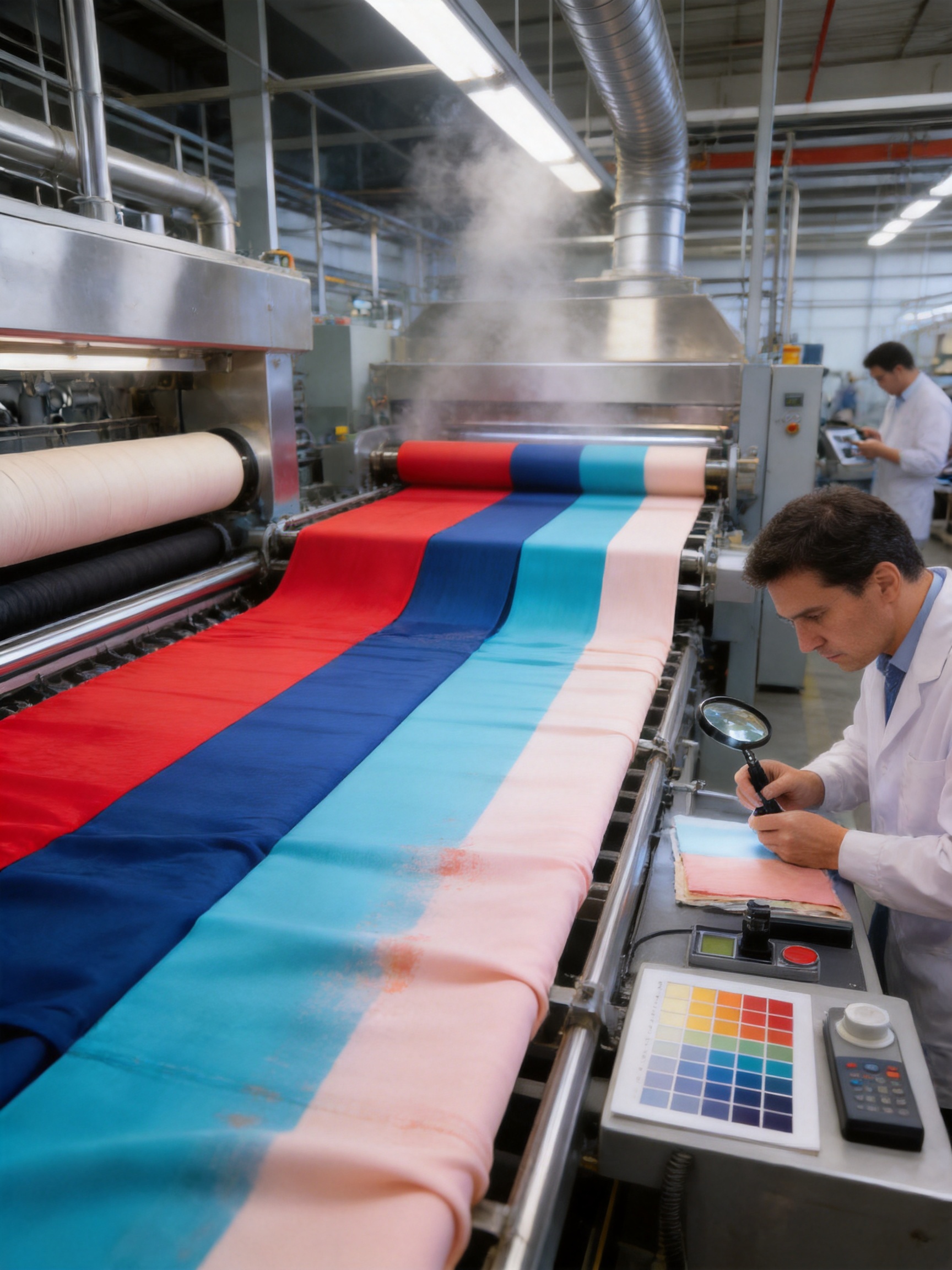
Manufacturing Strengths of the Supplier
Jiangyin Huanan New Materials Technology Co., Ltd. is a textile chemical manufacturer and supplier located in Jiangyin City, Jiangsu Province, China. Established in 1984, the company has developed long-term experience in the research, production, and supply of textile printing and dyeing auxiliaries.
The company operates two production plants and has an annual production capacity of approximately 60,000 tons. This production scale supports the supply of commercial quantities while maintaining a structured approach to batch management, production planning, raw material control, and delivery coordination.
Its product portfolio covers pretreatment auxiliaries, dyeing auxiliaries, finishing auxiliaries, and functional auxiliaries. The range includes moisture-wicking finishing agents, high-concentration repairing agents, low-temperature environmentally friendly carriers, silicone oils, silicone softeners, antistatic agents, fixing agents, stiffening agents, down-proof and windproof agents, and dry and wet rubbing fastness enhancers.
This broad portfolio is valuable to textile mills because fixing performance is rarely evaluated in isolation. A customer may need a complete system that includes pretreatment, dyeing, reduction cleaning, softening, moisture management, antistatic performance, and final fastness improvement. A supplier with experience across these categories can help identify compatibility issues and develop a more integrated process.
Research and development capability
The company maintains an in-house laboratory and a professional research and development team. This capability supports product testing, formulation adjustment, application trials, and technical service. For a product such as HN-860, laboratory resources are important because performance must be assessed across multiple fabric types and dye systems.
Customization is another strength. Textile mills may differ in machinery, water quality, fabric construction, production speed, customer standards, and environmental requirements. A standardized product can provide a strong starting point, but some applications may require adjustments in concentration, process sequence, compatibility, or add-on. Customized formulation capabilities can help address these differences.
Standardized production and quality control
Consistent textile auxiliaries require stable raw materials, controlled reaction conditions, accurate weighing, effective mixing, appropriate filtration, and reliable packaging. Variations in active content, viscosity, pH, ionic behavior, or particle stability can influence production performance.
Jiangyin Huanan emphasizes standardized production and strict quality control. These systems are particularly important for cationic polymer products because changes in composition may affect bath stability, interaction with residual anionic substances, fabric penetration, surface deposition, shade behavior, and final fastness.
Quality control should continue from incoming raw materials through manufacturing, filling, storage, and shipment. Product identification, batch traceability, retained samples, and technical documentation can help customers investigate any deviation and maintain consistent production over time.
Environmental and compliance orientation
The company offers eco-friendly, APEO-free, and formaldehyde-free formulations. This orientation reflects the changing expectations of global textile supply chains, where buyers increasingly require chemical transparency, restricted-substance compliance, and documented environmental management.
The company’s stated management and environmental framework includes support for international standards such as OEKO-TEX, ISO 14001, and ISO 45001. Customers should verify the specific certification status and applicability of each product or production site when documentation is required for an audit or customer approval process.
Production Integration and Process Efficiency
HN-860 can be incorporated into a finishing route after dyeing and appropriate washing or reduction cleaning. The exact position should be selected according to the dye system and the mill’s existing process. In some cases, the product may help reduce the need for repeated cleaning and setting operations, thereby lowering production complexity.
A simplified process can provide several potential benefits. Fewer wet operations may reduce water and wastewater volume. Fewer heat-setting stages may reduce electricity or thermal energy consumption. A shorter route may also reduce labor requirements and lower the number of opportunities for width variation, creasing, contamination, or shade mismatch.
Process simplification should not be treated as automatic. The mill must verify that the revised route meets the customer’s standards after storage, transportation, laundering, and end-use simulation. The most appropriate process may still include a reduction clean or an additional heat treatment for certain dyes and fabrics.
HN-860 can be particularly useful when production teams need to balance fastness and fabric properties. A product that increases fixation but causes stiffness or poor wetting may create problems in later finishing. A product that maintains hydrophilicity and has minimal impact on hand feel provides greater flexibility for combination finishing.
Storage, Packaging, and Handling
HN-860 is packaged in polyethylene plastic drums with an inner plastic liner, with a standard package size of 125 kg per drum. The inner liner helps protect the product from contamination and supports clean handling during storage and dosing.
The product should be stored in a cool, dry, and well-ventilated warehouse. Containers should remain properly closed when not in use. Storage areas should be protected from excessive heat, direct sunlight, freezing conditions, and contamination from other chemicals.
The stated shelf life is six months. Before use, the production team should inspect the appearance and confirm that the product remains uniform. If the material has been stored for an extended period, frozen, overheated, or exposed to contamination, a laboratory compatibility and performance check should be completed before production use.
Operators should follow the product safety data sheet and the textile mill’s chemical handling procedures. Appropriate personal protective equipment, spill control, labeling, ventilation, and waste management should be used. The product should not be mixed with other auxiliaries without first confirming compatibility.
Quality Control Points for Commercial Production
Consistent application begins with consistent bath preparation. Water quality can influence cationic polymer behavior, particularly where hardness, suspended matter, or residual anionic substances are present. Clean process water and properly cleaned tanks are recommended.
The product should be added gradually under agitation. Directly pouring a concentrated product into a small volume of water without adequate mixing may create localized high concentration and uneven dispersion. Predilution may improve dosing accuracy and bath uniformity.
Padding pick-up should be monitored across the full fabric width. Variations in nip pressure, roller condition, fabric tension, speed, and moisture content can create differences in add-on. These differences may appear as streaks, uneven fastness, or variation in hand feel.
Dryer temperature and residence time should be calibrated. The temperature measured at the machine setting may differ from the actual fabric temperature. Airflow, fabric speed, overfeed, and loading can all affect drying and polymer development.
Quality checks should include appearance, shade, fastness, absorbency, hand feel, and width or dimensional stability. Retained samples from each production batch can help compare future lots and support troubleshooting if a customer raises a complaint.
Frequently Asked Questions
What is Polyester Fixing Agent HN-860?
HN-860 is a formaldehyde-free cationic polymer fixing agent for pure polyester and polyester/cotton blended fabrics. It is applied mainly by padding and drying to improve the stability of disperse dyes and support better washing and rubbing performance.
Is HN-860 suitable for pure polyester?
Yes. It is specifically designed for pure polyester fabrics, including polyester knitted materials. The recommended padding dosage is generally 10–30 g/L, followed by drying at approximately 130–170°C for 100–120 seconds.
Can it be used on polyester/cotton blends?
Yes. The product can be used on polyester/cotton blended fabrics. The dosage should be adjusted according to the polyester-to-cotton ratio, fabric construction, shade, and required fastness. Higher polyester content may require a lower dosage, while higher cotton content may require an appropriately increased dosage.
Does the product contain formaldehyde?
The product is described as formaldehyde-free. Users should still verify the latest technical and safety documentation when formaldehyde limits or customer certification requirements apply.
Will HN-860 change the fabric shade?
HN-860 is designed to fix dye without altering the fabric color. The supplied test information reports no obvious shade change under the tested conditions. Because results depend on the dye and process, mills should conduct a shade comparison and instrumental color measurement before production approval.
Will it reduce fabric hydrophilicity?
The supplied test report indicates a water-drop absorption time of less than one second for treated samples, the same as the blank sample. This suggests that the product can maintain hydrophilic behavior under the test conditions.
Does the fixing treatment make polyester fabric stiff?
HN-860 is designed to have minimal impact on hand feel compared with traditional fixing agents. Final handle depends on dosage, drying conditions, fabric construction, and other finishing chemicals, so a production trial is recommended.
What is the recommended application process?
The standard method is one dip and one nip, followed by drying. The suggested dosage is 10–30 g/L, with drying at 130–170°C for 100–120 seconds. Actual conditions should be adjusted according to the mill’s machinery and fabric requirements.
Can the product be diluted?
Yes. HN-860 can be diluted, and the dilution ratio may be adjusted according to production requirements. Predilution can support more accurate dosing and uniform bath preparation.
Is a higher dosage always better?
No. The optimum dosage depends on the fabric, shade, fiber composition, dye system, and process. Excessive dosage may reduce fastness in some polyester/cotton applications. The lowest concentration that meets the required performance should be selected through laboratory testing.
Can HN-860 be stripped from the fabric?
The product is described as easy to strip. The exact stripping procedure should be developed through trials because temperature, detergent, alkali, time, and mechanical action affect removal.
What package size is available?
The stated package is a 125 kg polyethylene plastic drum with an inner plastic liner. Packaging arrangements should be confirmed with the supplier for specific orders.
How long is the shelf life?
The stated shelf life is six months when stored in a cool, dry, and well-ventilated warehouse. Containers should remain closed and protected from heat, sunlight, freezing, and contamination.
What should be tested before bulk production?
At minimum, the mill should test shade change, wash fastness, dry and wet rubbing fastness where applicable, staining, boiling-water soaking fastness, hydrophilicity, hand feel, dimensional behavior, bath compatibility, and stripping performance.
How does HN-860 compare with a traditional fixing agent?
Its principal advantages are the formaldehyde-free formulation, limited shade impact, maintained hydrophilicity, minimal effect on hand feel, and easy stripping. The actual performance comparison should be made on the customer’s fabric using the same test method and production conditions.
Conclusion
Polyester dye fixation is a critical part of producing fabrics with stable shade, reliable wash fastness, good rubbing fastness, and acceptable appearance after heat setting. Conventional routes may require repeated cleaning and setting stages, increasing production cost and process complexity. A carefully selected fixing agent can help stabilize surface dye and simplify the overall manufacturing route.
Polyester Fixing Agent HN-860 offers a balanced solution for pure polyester and polyester/cotton blends. Its formaldehyde-free cationic polymer formulation is designed to improve fixation while maintaining color, hydrophilicity, and acceptable hand feel. Its easy-stripping property provides additional flexibility for reprocessing and correction work.
The product’s recommended padding range of 10–30 g/L, combined with drying at 130–170°C for approximately 100–120 seconds, allows mills to adapt the treatment to different fabrics and machine conditions. The supplied test data on red and brilliant blue polyester knitted fabrics supports its performance potential, while also demonstrating the importance of dosage optimization.
Jiangyin Huanan New Materials Technology Co., Ltd. strengthens the product offering through long-term industry experience, two production plants, approximately 60,000 tons of annual capacity, an in-house laboratory, professional research and development, customized formulation capability, standardized manufacturing, and strict quality control. Its wider portfolio of textile auxiliaries allows customers to seek coordinated solutions rather than isolated products.
For the best commercial result, every mill should validate HN-860 on its actual fabric and dye system. With controlled bath preparation, stable padding pick-up, accurate drying conditions, and standardized testing, the product can support more efficient, environmentally responsible, and high-performance polyester textile production.
References
1. Product Technical Information Sheet: Polyester Fixing Agent HN-860, supplied product data.
2. Polyester Fixing Agent HN-860 Test Report, including basic properties, padding process, wash fastness, boiling-water soaking fastness, and hydrophilicity results.
3. GB/T 3921.3-1997, Textiles—Tests for Color Fastness—Color Fastness to Washing.
4. General textile dyeing and finishing principles for polyester fibers and disperse dyes.
5. General chemical management and restricted-substance-control practices for textile manufacturing.
Product: Polyester Fixing Agent HN-860


Contact us
huanannewmaterials@gmail.com
-
 Phone: +86 - 13861620767
-
 Fax: +86-0510-86200939
-
 298 Hongxing Road, Huashi Town, Jiangyin City, Wuxi City, Jiangsu Province, China
Product links
Mobile App
Copyright © Jiangyin Huanan New Materials Technology Co., Ltd. All Rights Reserved

-
huanannewmaterials@gmail.com
-

-

-
+86 - 13861620767