


 English
 中文简体

Advanced High-Temperature Leveling for Polyester and Microfiber Dyeing
Content
- 1 The Technical Challenge of Polyester and Microfiber Dyeing
- 2 Product Profile and Core Characteristics
- 3 Multifunctional Performance in One Dyeing Auxiliary
- 4 Advantages for Microfiber Polyester
- 5 Applications in High-Temperature Dyeing
- 6 Recommended Use and Process Guidance
- 7 Use as a Color Correction and Rework Agent
- 8 Advantages Compared with Conventional Single-Function Products
- 9 Manufacturing Strengths of Jiangyin Huanan New Materials Technology Co., Ltd.
- 10 Quality Control and Process Validation
- 11 Environmental and Operational Considerations
- 12 Recommended Implementation Strategy
- 13 Q&A
- 13.1 What type of product is HN-CX?
- 13.2 What does HN-CX look like?
- 13.3 What is the active content?
- 13.4 What is the general dosage?
- 13.5 Is the product suitable for microfiber polyester?
- 13.6 Can it be used for package yarn dyeing?
- 13.7 Can HN-CX replace a separate dispersant?
- 13.8 Does it reduce color brightness?
- 13.9 Can it be used in rapid dyeing?
- 13.10 Can it correct defective dyed fabric?
- 13.11 Is HN-CX suitable for polyester/cellulose blends?
- 13.12 What environmental features are associated with the product and supplier?
- 13.13 Where should users obtain the final dosage?
- 14 Conclusion
- 15 References
- 16 Product: Microfiber Leveling Agent HN-CX
Modern polyester dyeing requires more than a product that simply helps distribute color. Polyester, microfiber polyester, tightly packed package yarn, and polyester/cellulose blends can present difficult dyeing conditions, including low liquor ratios, restricted fluid movement, rapid temperature changes, incompatible dye combinations, and uneven dye uptake. These conditions may lead to shade variation, unlevel dyeing, dye aggregation, poor reproducibility, and additional reprocessing costs. A high-performance leveling agent must therefore combine penetration, dispersion, migration, diffusion promotion, and process stability in a single reliable formulation.
Microfiber Leveling Agent HN-CX is a high-temperature leveling agent developed for demanding polyester dyeing applications. It is designed to promote rapid and uniform dye penetration while maintaining dye brightness and minimizing unnecessary color reduction. Its combined performance is especially valuable in microfiber polyester dyeing, high-temperature rapid dyeing, package yarn dyeing, and one-bath two-stage dyeing of polyester/cellulose blended fabrics.
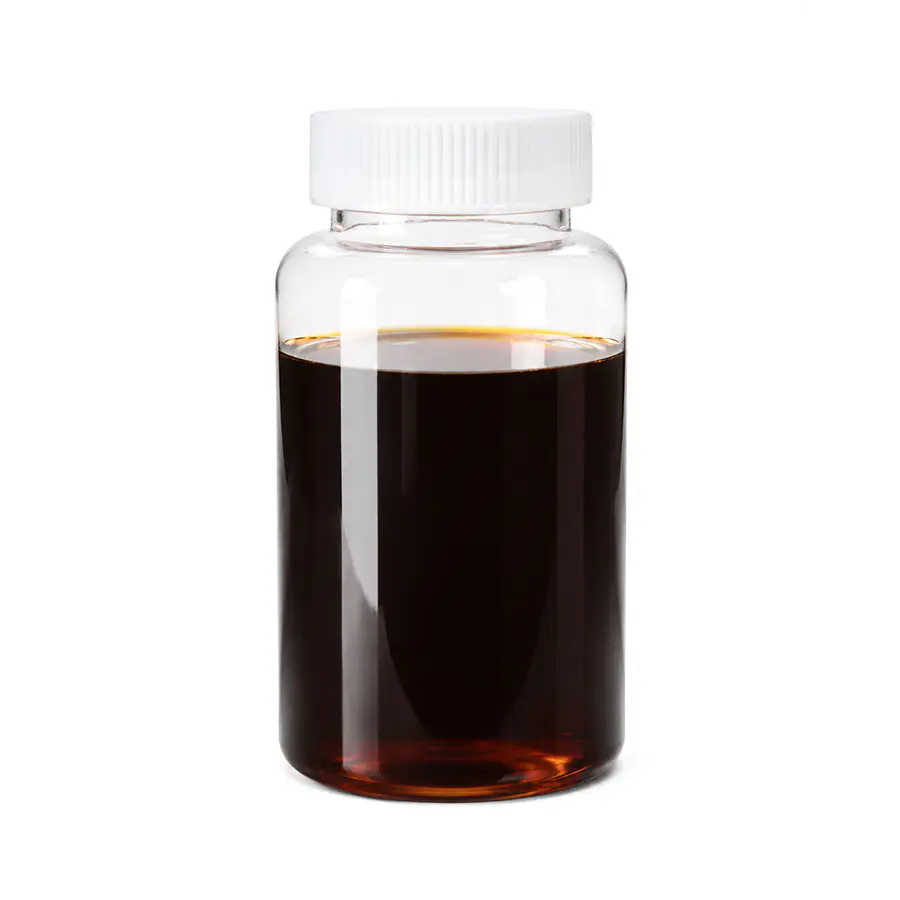
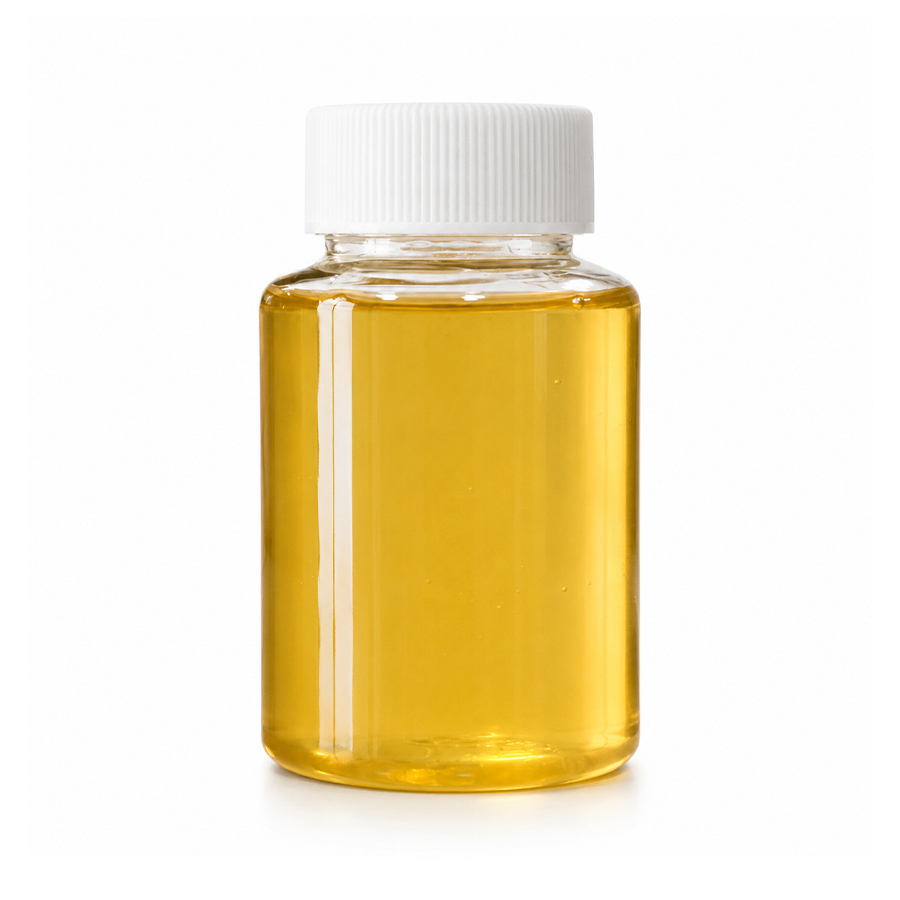
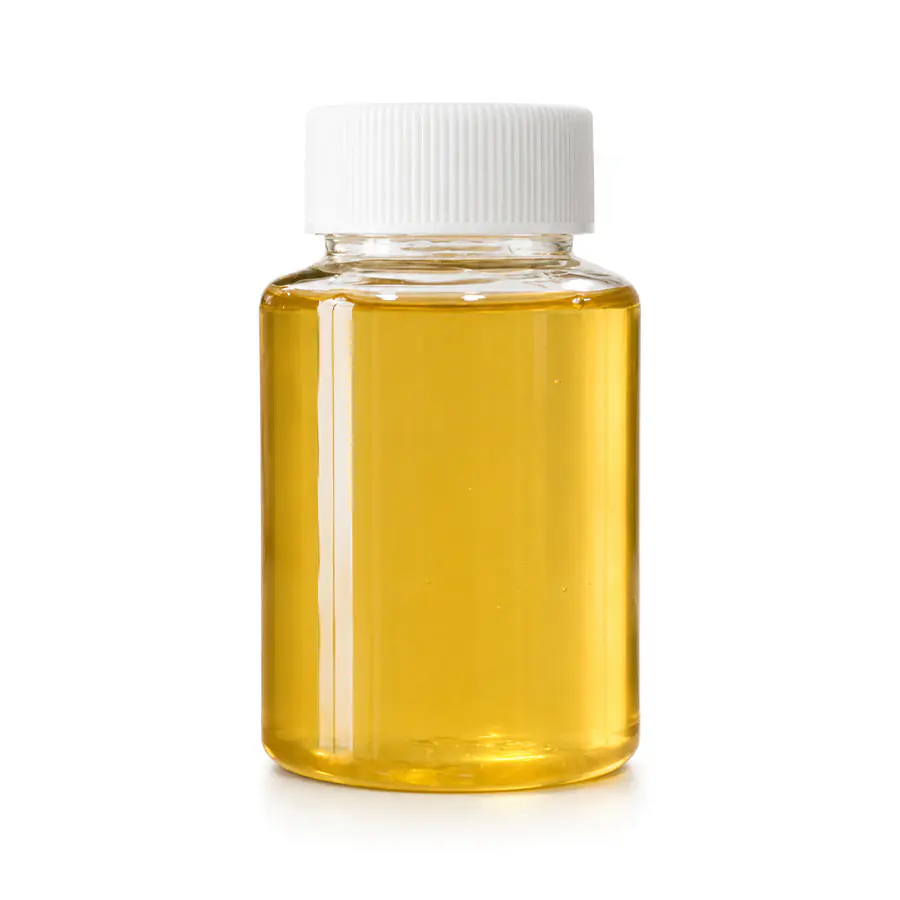
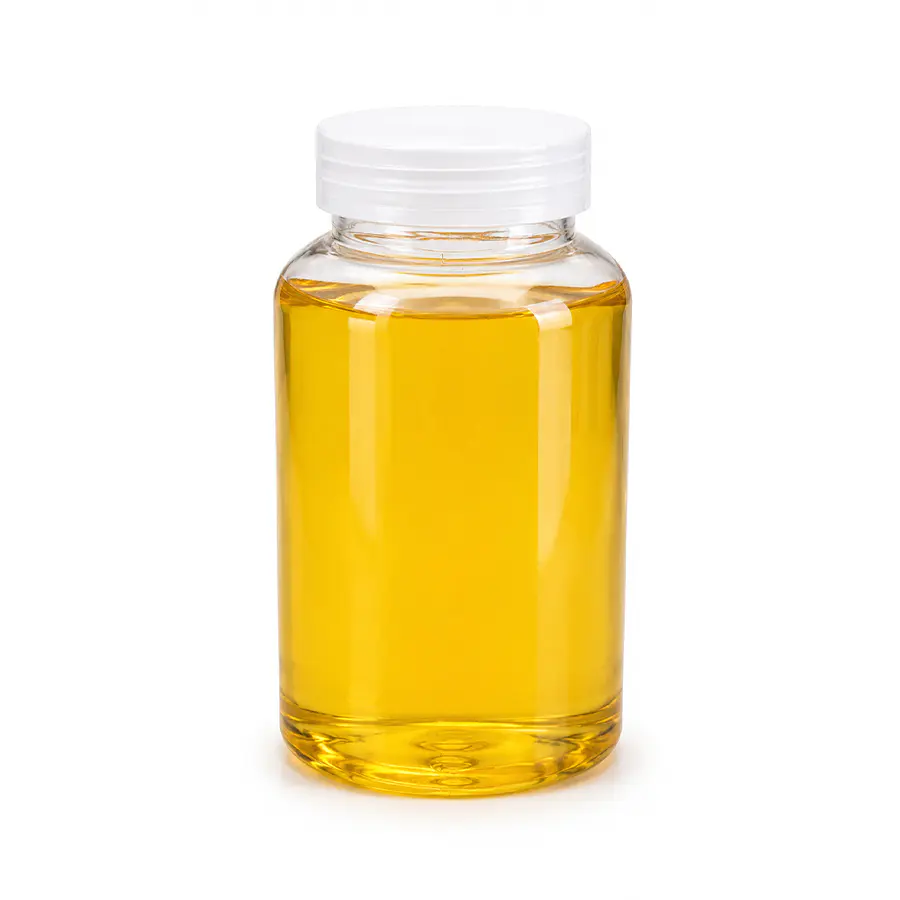
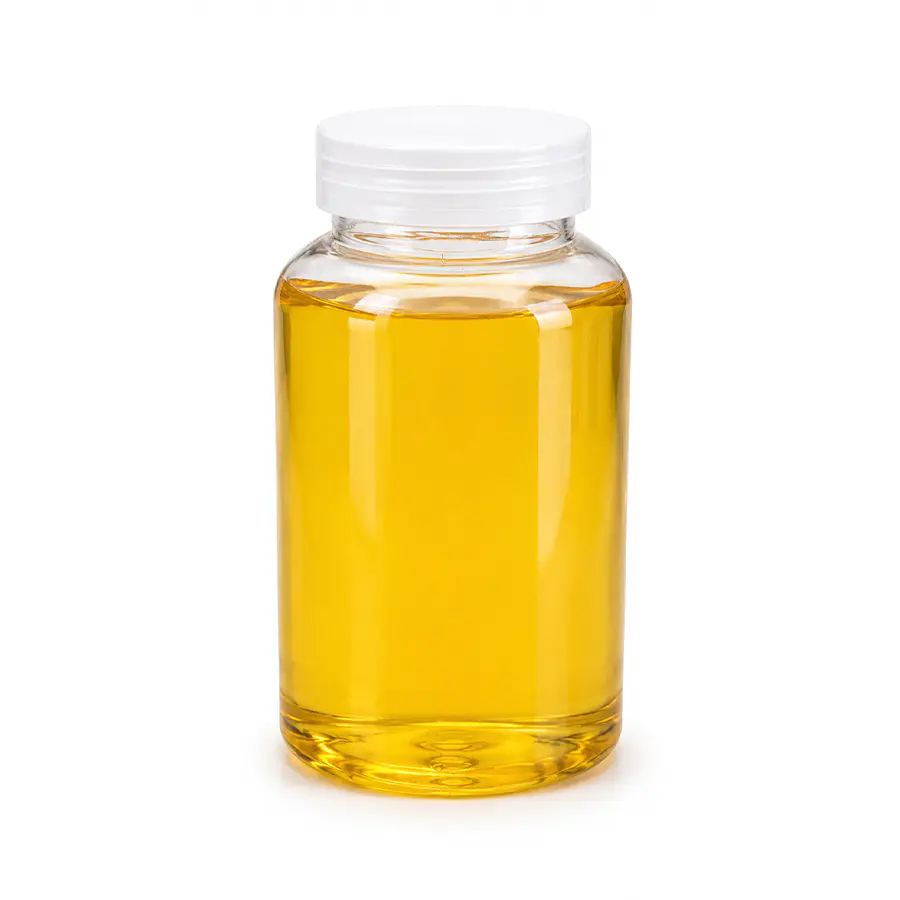
The product is based on a surfactant derivative and is supplied as a light yellow to yellow transparent low-viscosity liquid. It has an anionic/non-ionic ionic character, is easily soluble in water, and contains 96% active content. Before use, it is diluted six to ten times with water. The general recommended dosage after dilution is 0.8–2 g/L, although the optimum concentration should be established through laboratory and production trials.
More than a conventional leveling aid, HN-CX is intended to act as a multifunctional process assistant. It supports dispersion, leveling, migration, accelerated diffusion, and synchronous dyeing. This integrated behavior helps dyers address several process problems with one auxiliary instead of relying on multiple separate products whose compatibility and combined dosage may be uncertain.
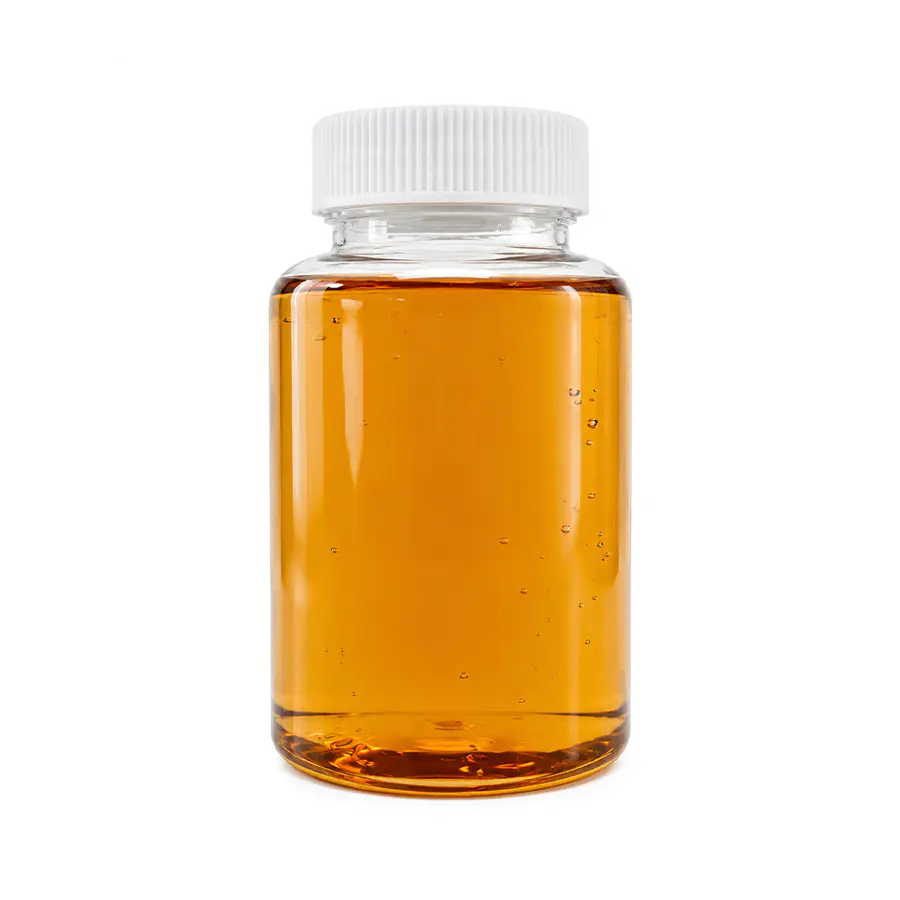
Microfiber Leveling Agent HN-CX
The Technical Challenge of Polyester and Microfiber Dyeing
Polyester fibers are hydrophobic and comparatively compact. Disperse dyes must be dispersed in the dye bath, transported through the liquor, absorbed by the fiber surface, and diffused into the polymer structure. At elevated temperatures, dye diffusion improves, but the rate of dye uptake can also become difficult to control. If dye molecules are absorbed too quickly or unevenly, streaks, cloudy shades, side-to-center variation, and batch-to-batch differences may occur.
Microfiber polyester creates an additional challenge. Its fine denier structure provides a large specific surface area and a high number of fiber surfaces for dye interaction. This can produce rapid and uneven initial adsorption if the dyeing profile is not carefully managed. Microfiber fabrics may also be densely constructed, making liquor circulation and penetration more difficult. A product that performs adequately on standard polyester may not provide sufficient penetration or migration for microfiber materials.
Package yarn dyeing requires another level of process control. Yarn packages may be wound tightly, and the internal passages through which dye liquor must circulate can be narrow or inconsistent. If the liquor does not penetrate the package evenly, the outside and inside layers may develop different shades. Low bath ratios and high packing density further increase the risk of unevenness.
Polyester/cellulose blends can require particularly careful coordination. In one-bath two-stage dyeing, the auxiliary must remain stable during changing process conditions and must not interfere with the behavior of different dye classes. The product should support the polyester stage while allowing the overall process to remain manageable and reproducible.
These applications demonstrate why modern leveling chemistry should not be viewed only as a retardant. A useful leveling agent must help control dye movement without excessively suppressing exhaustion. It must promote penetration and migration while preserving the brightness, depth, and fastness properties expected from the selected dyes.
Product Profile and Core Characteristics
Property |
HN-CX Characteristic |
Practical Significance |
Appearance at 20°C |
Light yellow to yellow transparent low-viscosity liquid |
Convenient handling, dilution, and dosing |
Ionicity |
Anionic / non-ionic |
Supports compatibility and process stability in appropriate dyeing systems |
Composition |
Surfactant derivative |
Contributes to wetting, dispersion, migration, and diffusion promotion |
Water solubility |
Easily soluble in water |
Facilitates preparation of a uniform working solution |
Active content |
96% |
Provides a concentrated product and supports efficient transport and storage |
General dosage after dilution |
0.8–2 g/L |
Allows adjustment according to material, dye type, shade depth, and process conditions |
The low-viscosity liquid form supports efficient mixing and dosing in production environments. Easy water solubility helps reduce the risk of undissolved auxiliary particles entering the dye bath. The 96% active content also makes the product suitable for concentrated supply and controlled dilution at the point of use.
Because the product has an anionic/non-ionic character, users should still evaluate compatibility with the complete formulation, including dyes, dispersants, electrolytes, pH regulators, defoamers, and other auxiliaries. Compatibility testing is a normal and necessary step in professional dyehouse practice, especially when changing suppliers or applying the product to sensitive automotive, technical, or high-value fabrics.
Multifunctional Performance in One Dyeing Auxiliary
Outstanding Penetration
Thorough penetration is essential when dyeing microfiber, tightly constructed fabric, and package yarn. HN-CX is designed to improve the movement of dye liquor through the material so that dye molecules can reach fiber surfaces more uniformly. Better penetration can help reduce the difference between easily accessible surfaces and more restricted internal areas.
Effective penetration is also valuable in rapid dyeing. When dyeing time is shortened, there is less time available for the liquor to correct an initially uneven distribution. A penetrating auxiliary helps establish more uniform contact at an earlier stage of the process. This can support reliable results even when the production schedule requires a faster cycle.
In appropriate processes, improved penetration can contribute to higher color yield and may allow the dyer to reduce dyeing time or temperature. Such adjustments must be confirmed with laboratory trials because the achievable reduction depends on fiber type, dye class, shade depth, machine design, liquor ratio, and heating rate.
Leveling and Migration
Leveling is the ability to reduce local differences in dye uptake and create a more uniform final shade. Migration is the movement of dye from areas of relatively higher concentration to areas of lower concentration. These mechanisms are important during both the initial absorption stage and the later fixation or diffusion stage.
HN-CX is formulated to support leveling and migration under difficult conditions. If part of the material absorbs dye more quickly, the auxiliary can help maintain dye mobility in the bath and encourage redistribution. This is particularly relevant when the fabric construction, package density, or machine flow causes uneven exposure to the dye liquor.
Good migration performance does not mean that the dye is prevented from entering the fiber indefinitely. Instead, the objective is to moderate and coordinate dye movement so that uptake occurs more synchronously. This balance can help produce a level shade without unnecessarily reducing final exhaustion.
Very Low Color Reduction
Some leveling products can reduce the apparent depth or brightness of a shade when used at high concentrations or under unsuitable conditions. This may be acceptable for certain applications, but it creates difficulties when a dyer is targeting deep, bright, or carefully matched colors.
HN-CX is designed to provide leveling support with very low color reduction. The product aims to improve uniformity while allowing the selected disperse dyes to express their intended color characteristics. Maintaining color brightness is especially important for fashion textiles, sportswear, automotive interiors, home textiles, and other products where visual clarity is a key quality criterion.
Users should nevertheless verify the effect on the specific dye combination. Excessive dosage may slightly reduce light fastness, so testing is recommended for automotive decorative fabrics and other materials exposed to demanding light conditions. Correct dosage control is therefore an important part of achieving the product’s advantages.
Excellent Dispersing Performance
Dye aggregation can produce specks, deposits, uneven shade development, and reduced reproducibility. Disperse dyes must remain sufficiently dispersed throughout the dye bath so that they can be transported to the fiber in a controlled manner. HN-CX contributes to high-temperature dispersibility and may reduce the need for an additional dispersant, depending on the dye formulation and process requirements.
The dispersing function is particularly beneficial during high-temperature dyeing, when dye mobility increases and unstable systems may be more likely to form aggregates. By supporting a more uniform dispersion state, the product can help protect against localized over-concentration and improve the consistency of dye uptake.
The statement that no additional dispersant is needed should be interpreted as a process advantage to be confirmed through testing rather than as a universal rule. Dye manufacturers use different dispersing systems, and some shades or machine conditions may still require supplementary dispersing chemistry.
Synchronous Dyeing
Synchronous dyeing refers to the coordinated uptake of dyes so that different color components build up at compatible rates. This is highly important in combination shades, where one dye may otherwise exhaust more rapidly than another. Unequal uptake can shift the hue during the process and make shade matching more difficult.
HN-CX promotes conditions that support simultaneous and balanced dye uptake. This creates a more stable foundation for leveling and consistent shade build-up. The benefit can be especially visible in medium and deep shades containing several disperse dyes with different affinities or diffusion rates.
Improved synchronization may also help reduce the effect of minor temperature deviations. The product can compensate, within practical limits, for the influence of small temperature differences on dyeing results. It does not eliminate the need for accurate temperature control, but it can provide an additional margin of process stability.
Stability in Electrolytes and at High Temperature
High-temperature polyester dyeing involves thermal stress and, in some formulations, the presence of electrolytes or other active bath components. An auxiliary that decomposes or loses performance under these conditions can create inconsistent results or unwanted deposits.
HN-CX is designed to resist electrolytes and high temperatures. It is intended to remain functional during the demanding stages of polyester dyeing and not decompose in a way that damages disperse dyes. Stable performance supports predictable results across production lots and helps reduce the risk of process interruptions.
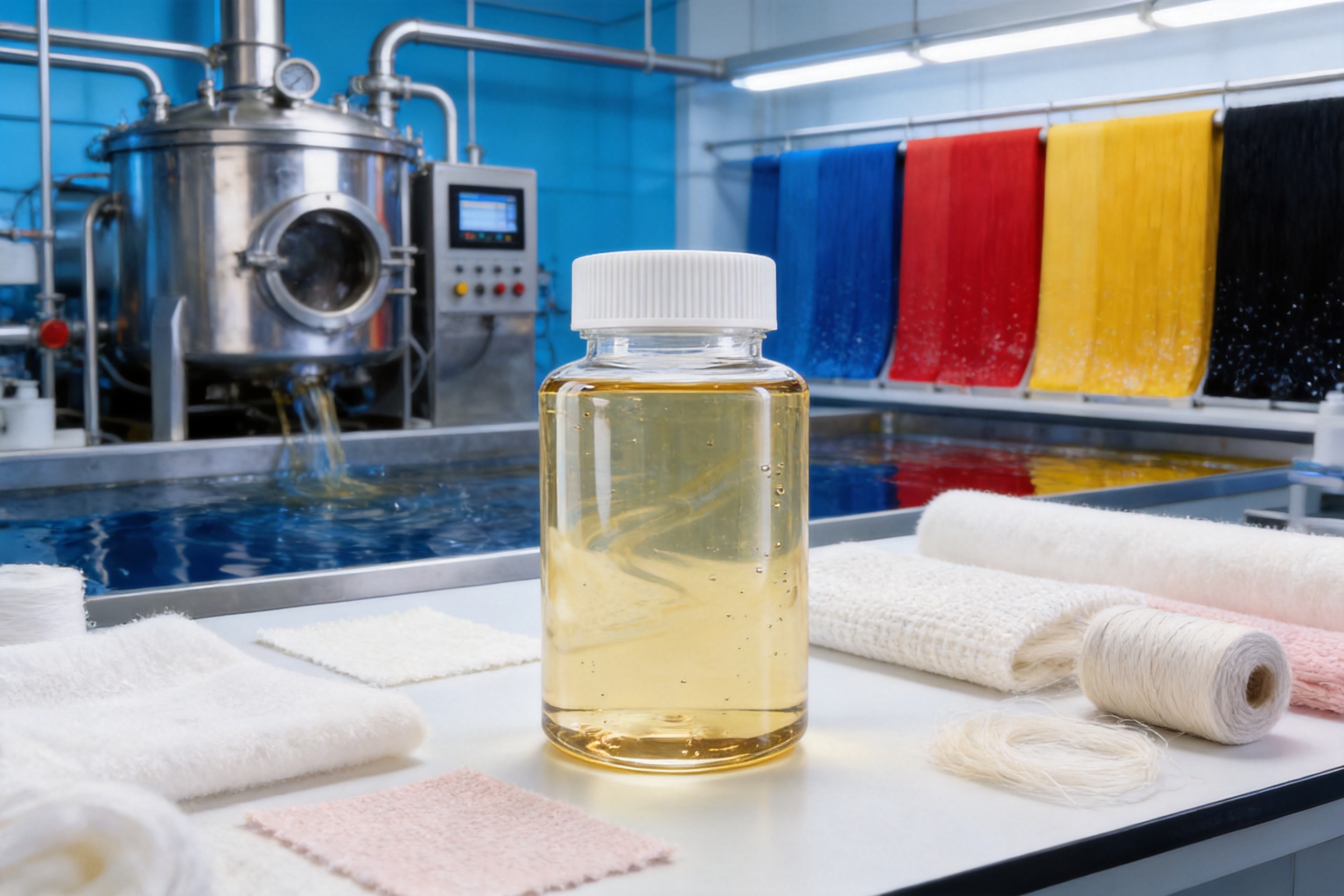
Advantages for Microfiber Polyester
Microfiber polyester is one of the most significant target applications for HN-CX. The fine fiber structure increases the need for effective wetting, penetration, migration, and diffusion control. Without suitable auxiliary support, dye may concentrate near accessible surfaces or enter different regions of the fabric at different rates.
HN-CX promotes diffusion into microfiber polyester and can improve dye exhaustion. Its diffusion-promoting effect is intended to help disperse dyes move into the fiber structure after reaching the surface. This may increase the effectiveness of the dyeing cycle and help produce deeper, more uniform shades without relying solely on prolonged processing.
For microfiber fabrics, the product can provide several coordinated benefits:
1. More complete penetration of dye liquor into dense constructions.
2. More uniform distribution of dye across fine fibers.
3. Better migration when localized differences in uptake occur.
4. Improved high-temperature dispersibility of disperse dyes.
5. Potentially higher exhaustion and color yield.
6. Greater consistency in rapid dyeing processes.
Microfiber dyeing should still be evaluated according to the final fabric construction. Knitted, woven, brushed, peach-finished, and laminated materials may respond differently because of variations in density, surface area, pretreatment, and machine loading. The most effective dosage should be selected through controlled trials using the actual fabric and dye combination.
Applications in High-Temperature Dyeing
Polyester Fiber Dyeing
HN-CX is suitable for high-temperature dyeing of polyester fibers. It can support uniform dye distribution during conventional high-temperature processes and rapid cycles. The product is appropriate where the dyer needs a balance between dye penetration, migration, dispersion, and shade preservation.
It may be used for pale, medium, and deep shades, subject to formulation validation. Pale shades often require excellent leveling because small irregularities are easily visible. Deep shades require strong dispersion and penetration because the larger dye concentration increases the risk of aggregation and localized over-dyeing.
Polyester and Polyester/Cellulose Blends
Polyester/cellulose blended fabrics require attention to the interaction between fiber types and dyeing stages. HN-CX is suitable for one-bath two-stage dyeing of polyester/cellulose blends. Its role is to support the polyester dyeing portion while maintaining a stable process environment for the broader recipe.
When using the product in blended-fabric dyeing, the dyer should confirm compatibility with reactive dyes, direct dyes, salts, alkalis, wetting agents, and other components associated with the cellulose stage. The exact process sequence, pH profile, and temperature schedule should be established in advance to avoid unwanted interactions.
Jet and Overflow Dyeing Machines
The product is suitable for jet dyeing and overflow dyeing machines. These machines depend on effective liquor circulation to transport dye and auxiliaries through the fabric. HN-CX can support the movement of dye liquor into and through the textile structure, which is useful when fabric loading, machine flow, or low bath ratio creates a risk of uneven exposure.
Machine-specific conditions remain important. Pump performance, nozzle configuration, fabric speed, loading ratio, liquor ratio, heating rate, and cooling profile all influence the final result. A high-quality auxiliary improves the chemical environment, but it works best when supported by appropriate mechanical and thermal control.
High-Temperature Rapid Dyeing
Production efficiency increasingly depends on shorter dyeing cycles. Rapid dyeing can reduce energy consumption, water use, and machine occupancy, but it also narrows the time available for correcting uneven dye uptake. HN-CX is designed for high-temperature rapid dyeing of polyester fibers because it combines penetration, migration, dispersion, and diffusion promotion.
Depending on the dye type and shade depth, dyeing time may be appropriately reduced. Any reduction should be introduced incrementally. A laboratory comparison should assess shade depth, levelness, exhaustion, washing-off behavior, fastness, and reproducibility before the shortened process is released to production.
Tightly Wound and High-Density Package Yarn
Package yarn dyeing benefits from a leveling agent that supports deep liquor penetration and balanced migration. HN-CX is suitable for tightly wound or high-density polyester package yarn dyeing, where the internal package regions can otherwise receive less uniform dye contact.
For package applications, the auxiliary can be used to help reduce outside-to-inside variation. The result will also depend on package hardness, winding tension, package geometry, flow direction, reversal frequency, pump pressure, and loading arrangement. The recommended formulation for harsh conditions provides an additional starting point for process development.
Recommended Use and Process Guidance
HN-CX has an active content of 96%. It should be diluted six to ten times with cold water before use. During winter or in cold production areas, warm water above 25°C is recommended to improve dilution. The working solution should be mixed thoroughly before addition to the dye bath.
The general recommended dosage after dilution is 0.8–2 g/L. The exact dosage should be adjusted according to fiber type, fabric construction, dye concentration, dye compatibility, liquor ratio, temperature profile, and machine conditions. A heavily packed package or dense microfiber construction may require a different dosage from a lightweight woven polyester fabric.
Application Condition |
Suggested Approach |
Points to Confirm |
Standard polyester fabric |
Begin within the general diluted dosage range |
Levelness, brightness, exhaustion, and handle |
Microfiber polyester |
Evaluate penetration and diffusion performance carefully |
Color yield, surface uniformity, migration, and fastness |
Rapid dyeing |
Use a controlled shortened cycle only after laboratory confirmation |
Early uptake, final shade, reproducibility, and rework rate |
Package yarn |
Consider the harsh-condition formulation with HN-CX and HN-F65 |
Outside-to-inside variation and package circulation |
Reworking defective fabric |
Evaluate 1.0–3.0 g/L according to the defect and shade |
Correction uniformity, shade change, and final fastness |
When preparing the dilution, add the product gradually to water while stirring. Avoid adding a concentrated product directly to a small area of the dye bath, as localized over-concentration may cause temporary incompatibility or uneven distribution. The prepared solution should be used according to the operating conditions established by the dyehouse.
For difficult package yarn conditions, the following starting formulation is recommended:
0.5 g/L HN-CX mother liquor dilution.
1.0 g/L HN-F65 mother liquor dilution.
This formulation should be treated as a technical starting point rather than a universal prescription. Package density, dye selection, bath ratio, and machine circulation should be considered before finalizing the recipe.
Use as a Color Correction and Rework Agent
Defective dyed fabrics can sometimes be reworked and leveled with HN-CX at 1.0–3.0 g/L. This makes the product useful not only as a preventive auxiliary but also as a correction agent for selected unevenness problems. Reworking can reduce material loss and help recover production lots that would otherwise require downgrading or rejection.
Before reworking, the nature of the defect should be identified. Common causes include poor liquor circulation, uneven pretreatment, dye aggregation, insufficient dispersing, rapid initial uptake, incorrect dosing, machine loading problems, and temperature variation. A leveling agent can help correct dye distribution, but it cannot fully compensate for every mechanical or pretreatment fault.
A controlled laboratory rework trial should determine the appropriate dosage, temperature, time, pH, and circulation conditions. The trial should compare the corrected sample with the approved standard and assess shade, levelness, color difference, rubbing fastness, washing fastness, light fastness, and surface appearance.
Advantages Compared with Conventional Single-Function Products
Many conventional dyeing auxiliaries are designed around one primary function, such as wetting, dispersion, migration, or retardation. A dyehouse may therefore need to combine several products to address a single difficult application. While multi-product recipes can be effective, they increase the number of variables that must be controlled.
HN-CX offers a multifunctional approach. Its intended performance combines:
1. Penetration of difficult textile structures.
2. Leveling of uneven dye uptake.
3. Migration from areas of higher concentration to lower concentration.
4. Improved high-temperature dispersion.
5. Promotion of dye diffusion into microfiber polyester.
6. Support for synchronous dyeing and shade build-up.
7. Stability in the presence of electrolytes and under high-temperature conditions.
The practical advantage is recipe simplification and more coordinated process control. Using one multifunctional auxiliary may reduce the risk of incompatibility between separate products, simplify inventory management, and make dosing easier. It can also help technical personnel identify the source of variation more clearly because fewer auxiliary interactions are involved.
Compared with a strong retardant that mainly slows dye uptake, HN-CX is designed to support both control and movement. This is an important distinction for rapid dyeing and microfiber applications, where excessive retardation may reduce productivity or final exhaustion.
Compared with a dispersant that provides limited leveling support, HN-CX is intended to address the broader dyeing process. Its migration and synchronous dyeing functions can be valuable when the challenge involves not only dye particles in the bath but also differences in uptake across the textile structure.
Compared with a basic wetting agent, HN-CX offers more specialized performance at high temperature and in polyester dyeing systems. Its target applications include demanding conditions where penetration alone is insufficient and where dye dispersion, migration, and diffusion must occur together.
These advantages should be evaluated through comparative trials using the same dye recipe, machine conditions, fabric, and temperature profile. A fair comparison should include both immediate dyeing results and production-related indicators such as rework frequency, cycle time, shade reproducibility, and chemical consumption.
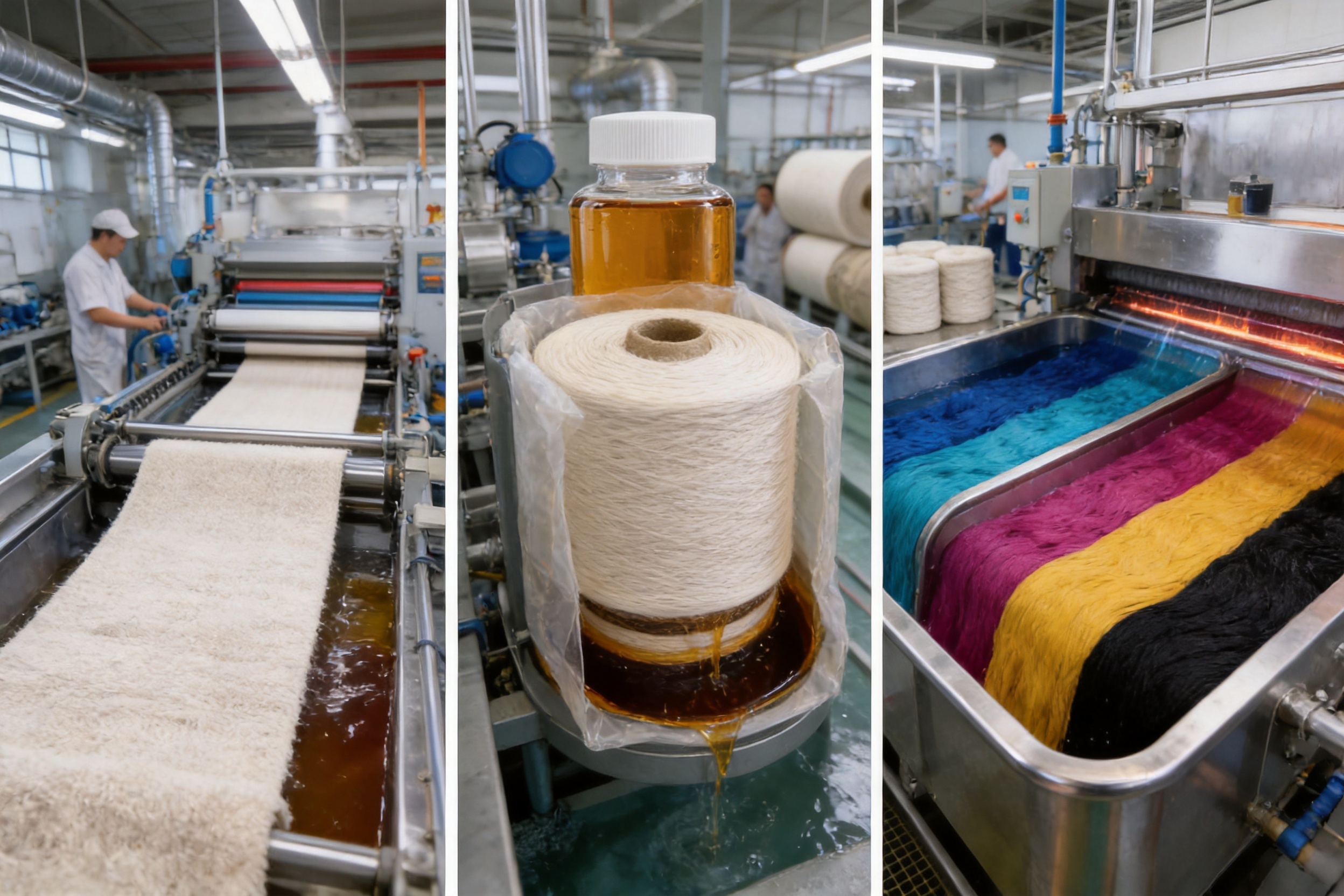
Manufacturing Strengths of Jiangyin Huanan New Materials Technology Co., Ltd.
HN-CX is manufactured by Jiangyin Huanan New Materials Technology Co., Ltd., a Chinese textile chemical producer established in 1984. The company is located in Jiangyin City, Jiangsu Province, and specializes in the research, development, production, and sales of textile printing and dyeing auxiliaries.
The company operates two production plants and has an annual production capacity of approximately 60,000 tons. This manufacturing scale supports supply continuity for customers requiring regular commercial volumes. It also provides a foundation for standardized production, batch planning, raw material management, and consistent product availability.
Manufacturing capacity alone does not guarantee product performance. For textile auxiliaries, quality depends on the control of raw materials, reaction or blending conditions, filtration, storage, packaging, and batch release. A professional producer must connect laboratory development with production engineering so that the product supplied to customers reflects the intended technical profile.
Jiangyin Huanan combines an in-house laboratory with a professional research and development team. This structure supports formulation optimization, application testing, troubleshooting, and the development of customized textile chemical solutions. Laboratory capability is particularly important for products such as HN-CX because the correct dosage and process window depend on the interaction between the auxiliary, dye, fiber, machine, and fabric construction.
The company also provides customized formulation capabilities. Customers may require adjustments for specific dye classes, substrate constructions, finishing routes, regional regulations, or machine conditions. A manufacturer with application expertise can help translate a general product specification into a practical dyehouse recipe.
Standardized production and strict quality control support consistency from batch to batch. For dyehouses, consistency is essential because even small differences in auxiliary activity can affect shade build-up, exhaustion, levelness, and rework rates. A reliable supply partner should therefore maintain clear specifications, controlled production procedures, suitable testing, and traceable batch information.
Integrated Product Development
The company’s product range includes pretreatment, dyeing, and finishing auxiliaries. It also includes moisture-wicking finishing agents, high-concentration repairing agents, low-temperature environmentally friendly carriers, silicone oils and silicone softeners, antistatic agents, color-fixing agents, stiffening agents, down-proof and windproof agents, and dry and wet rubbing fastness enhancers.
This broad portfolio creates opportunities for integrated textile process support. A customer may be able to source several compatible products from one technical organization rather than managing unrelated suppliers for every process stage. Such cooperation can simplify technical communication and support more coordinated formulation development.
Quality and Environmental Orientation
Jiangyin Huanan offers eco-friendly, APEO-free, and formaldehyde-free formulations. These attributes respond to growing requirements from brands, retailers, exporters, and textile manufacturers seeking to reduce restricted substances and meet international chemical management expectations.
The company’s stated alignment with OEKO-TEX, ISO 14001, and ISO 45001 reflects attention to product safety, environmental management, and occupational health and safety. Customers should request current certificates, declarations, test reports, and product-specific compliance documents when a project requires formal verification.
Environmental performance is increasingly evaluated across the whole dyeing process. A leveling agent may contribute to process efficiency by supporting shorter dyeing times, lower temperatures in suitable applications, reduced rework, and potentially lower auxiliary consumption. The actual environmental benefit must be measured against the complete process, including energy, water, dye exhaustion, washing-off requirements, and waste treatment.
Supply and Customer Support
With an integrated supply network, production facilities, an in-house laboratory, and technical personnel, the company is positioned to support both standard orders and customized requirements. Customer service can include product selection, dosage guidance, laboratory testing, process troubleshooting, and additional technical data.
The company’s long-term partnership approach is relevant to textile mills that require more than a product shipment. Dyeing results depend on process conditions, and technical communication can be as important as the chemical itself. A supplier that can respond to changes in fabric construction, dye systems, regulations, and production targets can help customers improve process stability over time.
Quality Control and Process Validation
Before introducing HN-CX into production, the dyehouse should establish a validation procedure. The first step is to test the product with the intended fabric and dye combination in the laboratory. The trial should include a control sample without HN-CX and one or more samples using different dosages.
Important evaluation criteria include shade depth, color difference, levelness, dispersion, dye exhaustion, migration, penetration, surface appearance, and the effect on fastness. For microfiber polyester, the evaluation should also consider whether the product changes the surface character, brightness, handle, or subsequent finishing performance.
For package yarn, samples should be taken from outer, middle, and inner areas of the package when possible. For long fabric lots, operators should examine beginning, middle, and end sections. These checks can reveal whether the auxiliary is reducing positional variation or whether the main problem lies in mechanical circulation or package preparation.
Process validation should also examine storage and handling. The product should be kept in suitable containers under recommended conditions and protected from contamination. Operators should follow the supplier’s current technical and safety documentation, including information on personal protective equipment, spill response, and waste handling.
Environmental and Operational Considerations
Textile manufacturers are under pressure to improve both environmental performance and production efficiency. A leveling auxiliary can support these objectives when it enables more reliable dyeing with fewer rejected lots, less reprocessing, and a shorter or lower-temperature cycle in suitable applications.
HN-CX is positioned as an environmentally considerate product within the company’s range of eco-friendly, APEO-free, and formaldehyde-free textile chemical formulations. The absence of intentionally added APEO and formaldehyde is important for customers working under restricted substance lists and customer-specific chemical requirements. Verification should always be based on current product documentation and applicable testing standards.
Using a concentrated product with 96% active content may also offer logistical benefits. Higher activity can reduce the volume of product required for an equivalent function, although the actual consumption depends on dosage and process conditions. Concentration alone should not be used to calculate environmental advantage; the complete life-cycle impact must be considered.
Improved levelness can reduce rework. Reprocessing consumes additional water, energy, dyes, auxiliaries, and machine time. By helping prevent or correct uneven dyeing, HN-CX may contribute to more efficient resource use. Again, the benefit should be confirmed through production data rather than assumed solely from the product description.
Recommended Implementation Strategy
A successful implementation should begin with a clear definition of the dyehouse problem. Is the issue poor penetration, dye aggregation, rapid initial uptake, package variation, poor compatibility, shade drift, or insufficient exhaustion? Identifying the main cause helps determine whether HN-CX should be introduced alone or as part of a broader process adjustment.
The next step is laboratory screening. Use the actual fabric, dye combination, bath ratio, pH, temperature curve, and machine simulation where possible. Compare the existing auxiliary system with HN-CX at several dosages within and around the recommended range.
After laboratory approval, conduct a controlled machine trial. Keep the major process parameters constant so that the effect of the auxiliary can be distinguished from the effect of changes in loading, heating, flow, or dye addition. Record all relevant observations, including dosing time, bath appearance, foam, filter condition, machine pressure, and final shade.
For production approval, define a standard operating procedure. It should specify dilution water temperature, dilution ratio, addition point, mixing method, dosage, storage requirements, and actions to take if a shade or levelness problem occurs. Operators should be trained to avoid direct addition of concentrated product to the material or a poorly circulated bath.
Finally, monitor the results over multiple batches. A single successful trial is encouraging but does not establish long-term reproducibility. Track shade matching, first-pass yield, rework rate, cycle duration, water and energy use, and customer feedback. These data will show whether HN-CX provides a measurable advantage under actual production conditions.
Q&A
What type of product is HN-CX?
HN-CX is a high-temperature leveling agent for polyester and polyester-containing textile materials. It is based on a surfactant derivative and has an anionic/non-ionic ionic character.
What does HN-CX look like?
At 20°C, it appears as a light yellow to yellow transparent low-viscosity liquid. It is easily soluble in water.
What is the active content?
The product has an active content of 96%. It is diluted six to ten times with water before use.
What is the general dosage?
The general recommended dosage after dilution is 0.8–2 g/L. The final dosage should be adjusted according to the material, dye type, shade depth, machine, liquor ratio, and process conditions.
Is the product suitable for microfiber polyester?
Yes. It is specifically suitable for microfiber polyester because its penetration and diffusion-promoting functions can help improve dye distribution and exhaustion in fine-denier fiber structures.
Can it be used for package yarn dyeing?
Yes. It is suitable for tightly wound or high-density polyester package yarn dyeing. For harsh package conditions, a starting formulation of 0.5 g/L HN-CX mother liquor dilution and 1.0 g/L HN-F65 mother liquor dilution is recommended, subject to testing.
Can HN-CX replace a separate dispersant?
Its dispersing performance may eliminate the need for an additional dispersant in some processes. This must be confirmed with the specific dye combination and production conditions because different disperse dyes may have different stabilization requirements.
Does it reduce color brightness?
HN-CX is designed to provide very low color reduction and support bright shades. However, excessive dosage may slightly reduce light fastness, so testing is recommended for automotive decorative fabrics and other light-sensitive applications.
Can it be used in rapid dyeing?
Yes. The product is suitable for high-temperature rapid dyeing of polyester fibers. Dyeing time may be reduced for certain dye types and shade depths, but the shortened process should be validated through laboratory and machine trials.
Can it correct defective dyed fabric?
It can be used as a reworking and color correction agent for selected defects. A dosage of 1.0–3.0 g/L may be evaluated, depending on the severity and nature of the unevenness.
Is HN-CX suitable for polyester/cellulose blends?
Yes. It is suitable for one-bath two-stage dyeing of polyester/cellulose blended fabrics. Compatibility with the complete dyeing recipe should be confirmed before production use.
What environmental features are associated with the product and supplier?
The supplier offers eco-friendly, APEO-free, and formaldehyde-free formulations. Customers should request current product-specific declarations and test documentation for formal compliance verification.
Where should users obtain the final dosage?
The technical data provides a general dosage range, but the final dosage should be determined through preliminary testing. The supplier’s technical service department can provide additional information for a specific fiber, dye, fabric, or machine condition.

Conclusion
High-temperature polyester dyeing demands a careful balance between dye movement and dye control. The auxiliary must help the liquor penetrate the textile, keep disperse dyes well dispersed, promote migration, support diffusion, and avoid unnecessary loss of color brightness. These requirements become even more important when dyeing microfiber polyester, tightly packed package yarn, dense fabrics, rapid processes, and polyester/cellulose blends.
Microfiber Leveling Agent HN-CX addresses these requirements through a multifunctional approach. Its performance profile combines penetration, leveling, migration, dispersion, synchronous dyeing, diffusion promotion, and high-temperature stability. The product is easily soluble in water, supplied at 96% active content, and suitable for controlled dilution and dosing.
Compared with single-function alternatives, HN-CX offers the potential to simplify recipes and improve process coordination. Its very low color reduction supports bright shades, while its dispersing and migration properties help reduce the risks associated with dye aggregation and uneven uptake. Its use as a reworking and color correction agent also provides value when a dyed lot requires improvement.
The manufacturing capabilities of Jiangyin Huanan New Materials Technology Co., Ltd. strengthen the product proposition. Established in 1984, the company combines two production plants, approximately 60,000 tons of annual capacity, an in-house laboratory, professional research and development, customized formulation capabilities, standardized production, strict quality control, and an integrated supply network.
For the best results, HN-CX should be introduced through a structured validation process. Laboratory testing, machine trials, compatibility checks, dosage optimization, and production monitoring are essential. When matched correctly with the dye, fiber, fabric, and machine, the product can help textile manufacturers achieve more uniform shades, higher process reliability, improved microfiber performance, and more efficient high-temperature polyester dyeing.
References
1. Jiangyin Huanan New Materials Technology Co., Ltd. Product Technical Information: Microfiber Leveling Agent HN-CX.
2. International Organization for Standardization. Quality Management Systems: Requirements and Process-Control Principles.
3. International Organization for Standardization. Environmental Management Systems: Guidelines for Sustainable Manufacturing.
4. International Organization for Standardization. Occupational Health and Safety Management Systems: General Implementation Principles.
5. OEKO-TEX Association. Standard Framework for the Assessment of Harmful Substances in Textiles and Related Materials.
6. Society of Dyers and Colourists. Principles of Textile Coloration and Dye Application.
7. Aspland, J. R. Textile Dyeing and Coloration: Practical Principles for Synthetic Fibers and Blended Materials.
8. Textile chemical process guidance concerning disperse dye dispersion, polyester fiber diffusion, leveling, migration, and high-temperature dyeing.
Product: Microfiber Leveling Agent HN-CX

Contact us
huanannewmaterials@gmail.com
-
 Phone: +86 - 13861620767
-
 Fax: +86-0510-86200939
-
 298 Hongxing Road, Huashi Town, Jiangyin City, Wuxi City, Jiangsu Province, China
Product links
Mobile App
Copyright © Jiangyin Huanan New Materials Technology Co., Ltd. All Rights Reserved

-
huanannewmaterials@gmail.com
-

-

-
+86 - 13861620767