


 English
 中文简体

Formaldehyde-Free Acid Fixing Agents for Durable Dyeing Performance
Content
- 1 Why Acid Dye Fixation Requires Specialized Chemistry
- 2 Product Profile and Technical Characteristics
- 3 How the Sulfonate Polycondensate Supports Fixation
- 4 Key Advantages Compared with Conventional Alternatives
- 5 Recommended Application Areas
- 6 Application Process and Dosage Guidance
- 7 Process Control for Consistent Results
- 8 Environmental and Compliance Considerations
- 9 Manufacturing Strengths and Supply Reliability
- 10 Comparison with Less Specialized Fixing Solutions
- 11 Packaging, Storage, and Handling
- 12 Recommended Laboratory Evaluation
- 13 Operational Benefits for Modern Dyehouses
- 14 Conclusion
- 15 Questions and Answers
- 15.1 What is Acid Fixing Agent HN-780 used for?
- 15.2 Is the product formaldehyde-free?
- 15.3 What is the main chemical component?
- 15.4 How should the product be diluted?
- 15.5 What dosage is recommended?
- 15.6 What are the typical treatment conditions?
- 15.7 Can HN-780 be used in a one-bath dyeing process?
- 15.8 Will the product change the fabric shade?
- 15.9 Will it affect fabric hand feel?
- 15.10 Is the product suitable for hard water?
- 15.11 How should the product be stored?
- 15.12 What packaging is available?
- 15.13 What should be tested during product approval?
- 15.14 What manufacturing capabilities support the product?
- 16 References
- 17 Product: Acid Fixing Agent HN-780
In the production of dyed wool, nylon, leather, silk, and other acid-dyeable materials, color fixation is essential for achieving reliable washing fastness, perspiration fastness, appearance retention, and customer satisfaction. A well-designed fixing agent does more than improve color durability. It must also protect the original shade, preserve fabric hand feel, perform consistently in different water qualities, and fit efficiently into modern dyehouse operations.
Acid Fixing Agent HN-780 is a high-concentration, formaldehyde-free fixing auxiliary developed for materials dyed with anionic dyes, including acid dyes and metal complex dyes. Based on a sulfonate polycondensate, it is designed for after-treatment fixation and can also be used in selected one-bath dyeing processes. Its combination of acid resistance, easy dilution, broad bath compatibility, and low influence on shade makes it a practical solution for textile manufacturers seeking dependable performance and improved environmental positioning.
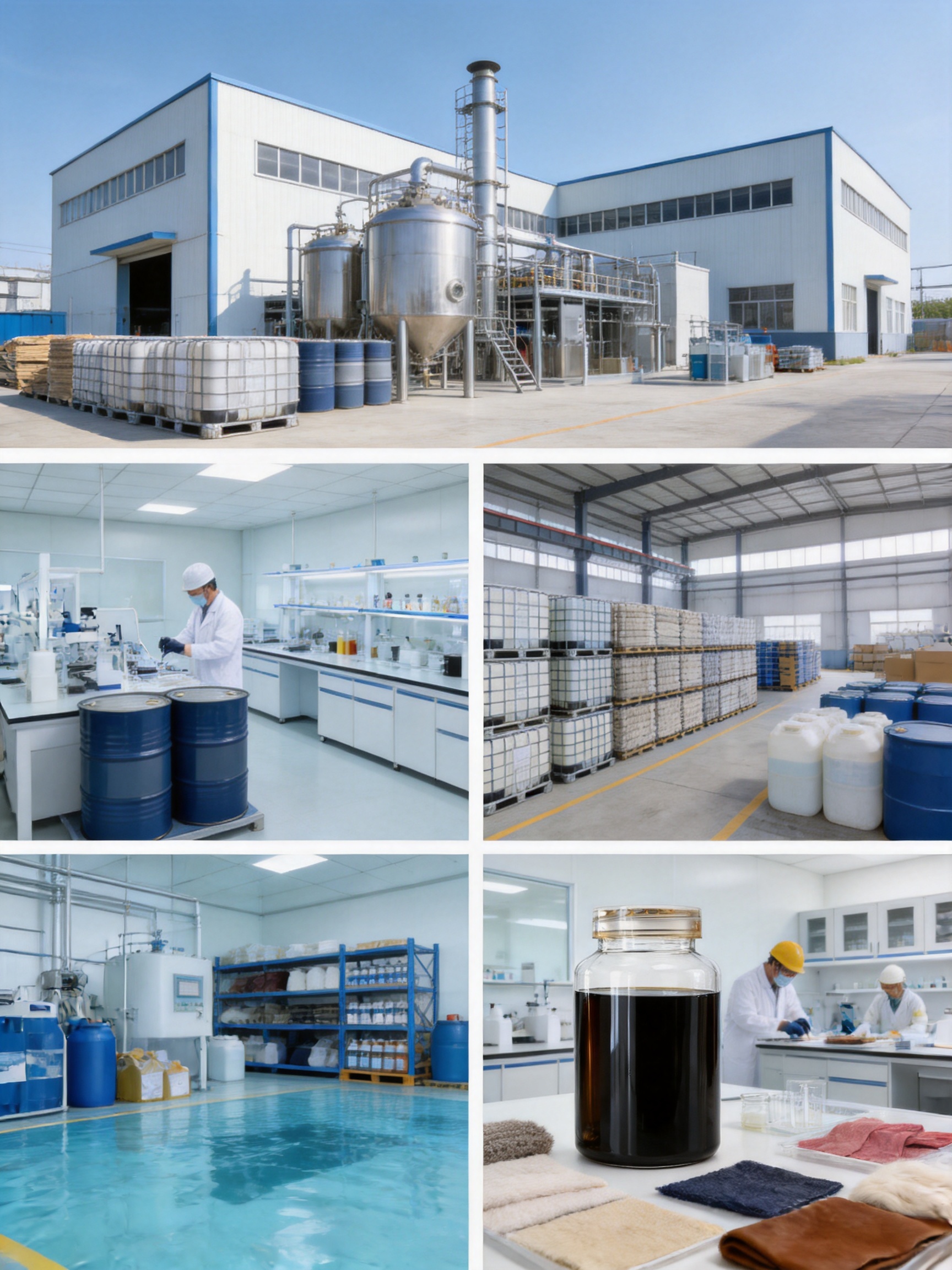
The product is manufactured by Jiangyin Huanan New Materials Technology Co., Ltd., a specialized Chinese producer of textile printing and dyeing auxiliaries. With a history extending back to 1984, two production plants, an annual production capacity of approximately 60,000 tons, in-house laboratory capabilities, and a professional research and development team, the company supports both standard products and customized textile chemical formulations.
This article examines the formulation, working principles, processing advantages, application conditions, quality considerations, and manufacturing strengths associated with this acid fixing agent. It also explains how a formaldehyde-free fixing system can help dyehouses improve product quality while maintaining efficient production and responsible chemical management.
Acid Fixing Agent HN-780
Why Acid Dye Fixation Requires Specialized Chemistry
Acid dyes are widely used for fibers and substrates containing cationic or positively charged dyeing sites. Wool, polyamide fibers, silk, and leather are common examples. These materials can produce brilliant shades and excellent color depth, but the final dyed article may contain a portion of loosely held or superficially deposited dye. If this unfixed color is not adequately controlled, it can migrate during washing, rubbing, perspiration, or contact with other materials.
The risk is especially important in products that are exposed to moisture, body heat, detergents, or repeated laundering. Sportswear made from polyamide, wool garments, hosiery, swimwear, intimate apparel, leather articles, scarves, and high-quality fashion fabrics all require a high level of color stability. Poor fixation can lead to shade change, staining of adjacent fabrics, uneven appearance, and customer complaints.
A fixing agent works by improving the retention of dye within or on the fiber structure. The exact interaction depends on the fiber, dye class, pH, temperature, electrolyte concentration, and treatment sequence. In practical production, the best fixing agent must provide strong performance without creating new problems such as excessive shade alteration, harsh hand feel, surface deposits, poor compatibility, or difficult bath control.
Traditional fixing products may rely on formaldehyde-containing chemistry or other materials that raise environmental, regulatory, or workplace concerns. Modern textile supply chains increasingly require formaldehyde-free, APEO-free, and responsibly managed formulations. Buyers also seek products that support compliance with brand requirements and international textile standards without sacrificing fastness or process efficiency.
HN-780 addresses these needs through an anionic sulfonate polycondensate system. It is supplied as a concentrated liquid, can be diluted easily in water, and is formulated for use with acid-dyed wool, nylon, leather, silk, and related substrates. The product is intended to improve washing and perspiration fastness while minimizing visible changes to the dyed shade and the tactile character of the fabric.
Product Profile and Technical Characteristics
Understanding the basic technical profile of a fixing agent is important for storage, dilution, bath preparation, dosing, and compatibility assessment. The following specifications describe the supplied product and provide a starting point for laboratory and production trials.
| Parameter | Specification |
|---|---|
| Product type | Acid fixing agent for anionic dyes |
| Main component | Sulfonate polycondensate |
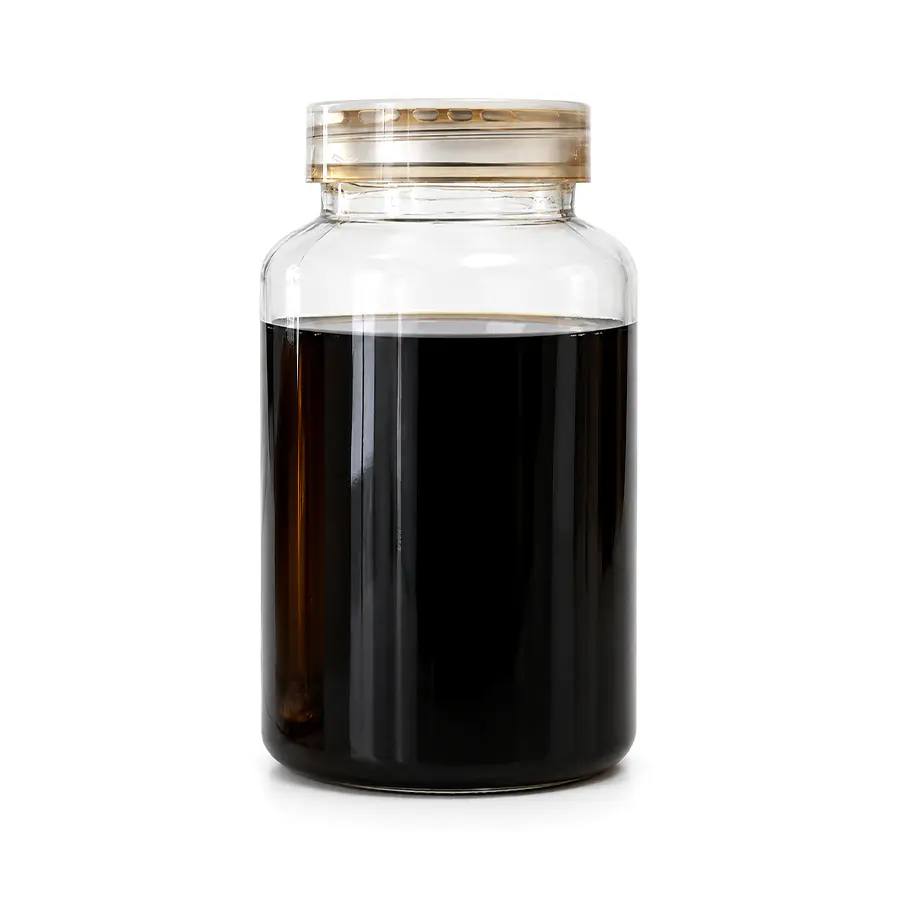
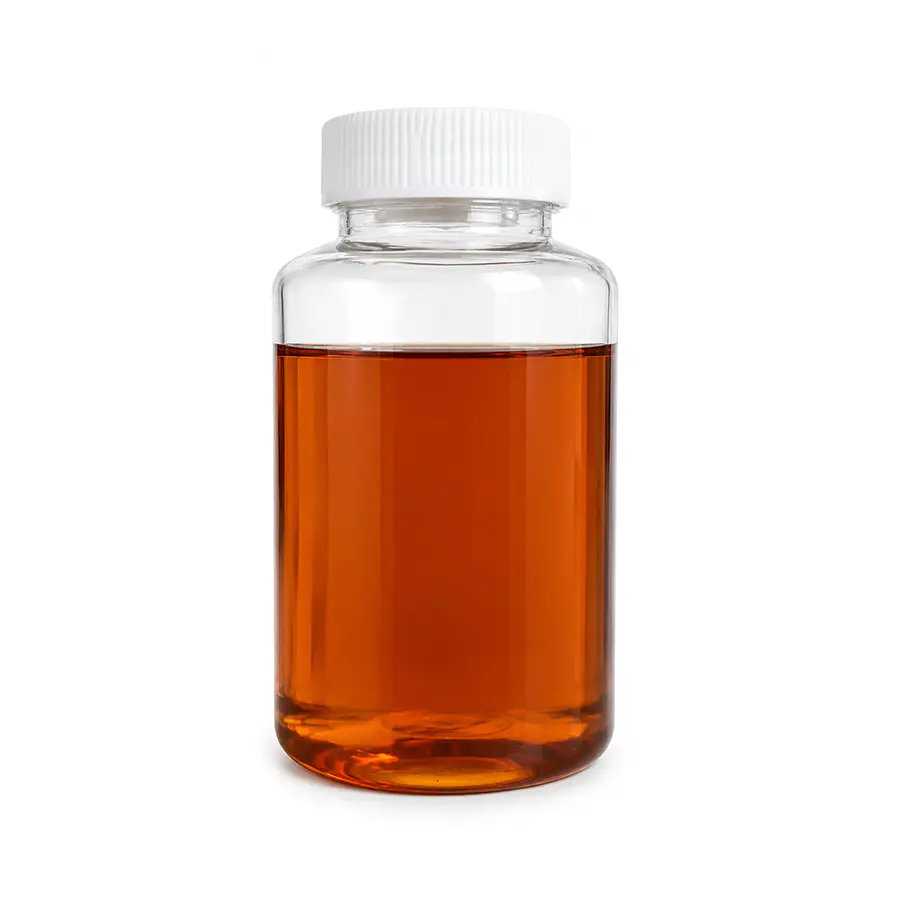
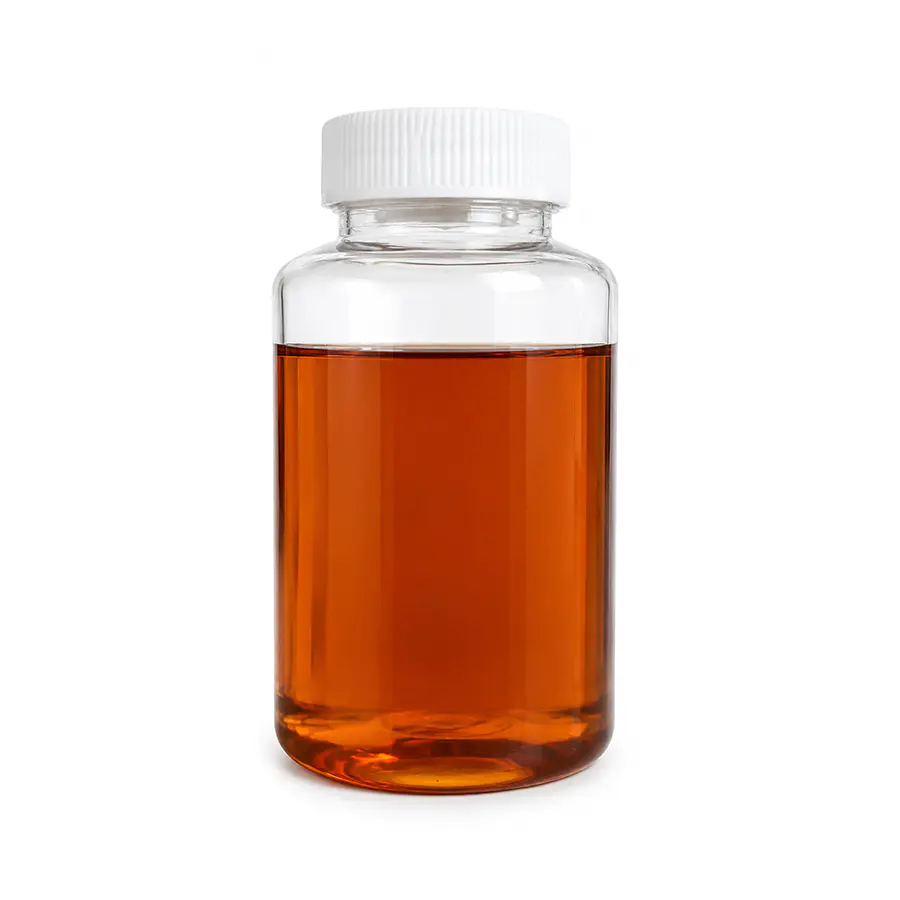
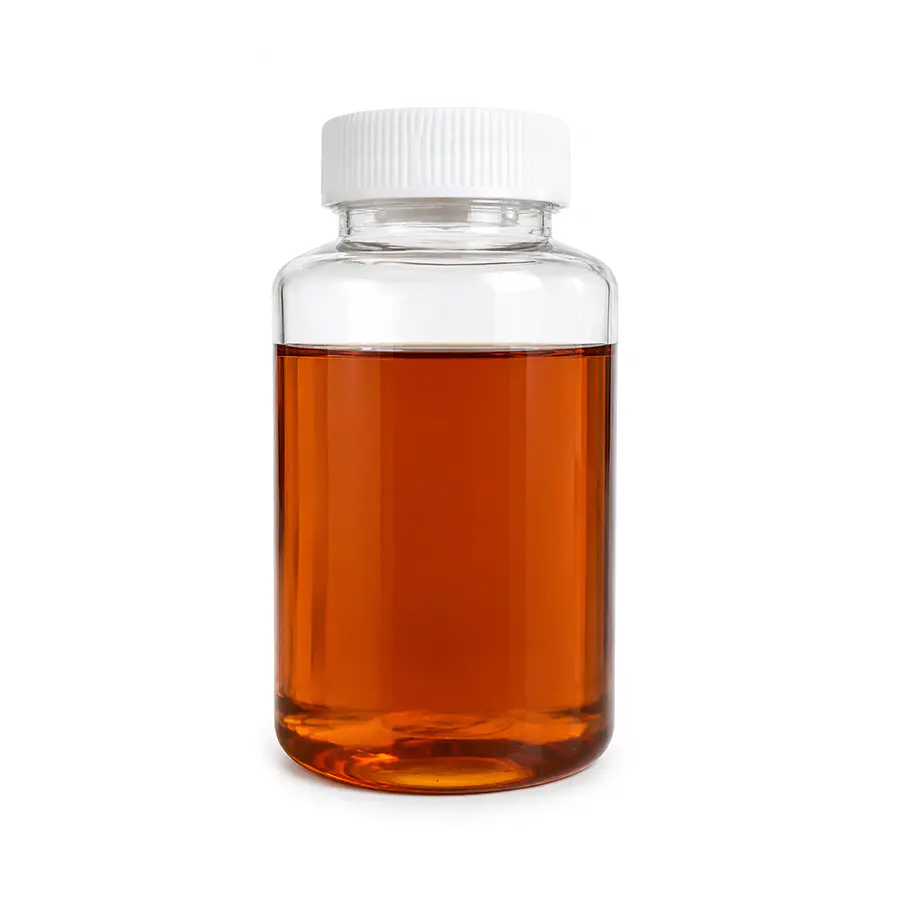
| Appearance | Brownish-red liquid |
| Ionicity | Anionic |
| pH value | 2 ± 1 |
| Solubility | Easily soluble in water |
| Bath stability | Resistant to acids, alkalis, electrolytes, and hard water |
| Formaldehyde status | Formaldehyde-free concentrate |
| Recommended packaging | 125 kg drum |
| Recommended shelf life | 12 months when sealed and stored at room temperature |
The brownish-red appearance is a normal physical characteristic of the concentrated liquid and should not by itself be interpreted as a defect. Before production use, the product should be checked for uniformity, sedimentation, unusual odor, or other changes caused by inappropriate storage. Gentle agitation may be considered where necessary, but excessive mechanical treatment should be avoided unless validated by the user’s technical team.
The low pH value reflects the acidic nature of the concentrate. This characteristic contributes to the product’s suitability for acid dyeing environments, but operators should still follow safe chemical handling procedures. Personnel should use appropriate protective equipment, consult the relevant safety documentation, and avoid direct contact with the undiluted material.
Because the product is easily soluble in water, preparation is straightforward. The concentrate is generally diluted three to four times before use. Dilution should be performed gradually, preferably by adding the product to water under moderate stirring rather than adding water rapidly to a concentrated chemical. This approach helps promote uniform dispersion and reduces the risk of local over-concentration.
How the Sulfonate Polycondensate Supports Fixation
The main component of HN-780 is a sulfonate polycondensate. In a textile bath, this type of polymeric structure can interact with the dye-fiber system and help reduce the mobility of loosely attached anionic dye molecules. The resulting effect is improved resistance to removal during washing and reduced migration under perspiration conditions.
The product’s anionic character is particularly relevant when it is used in acid-dyeing systems. Dyeing performance depends on the balance of charge interactions in the bath, and the fixing stage must be selected carefully to avoid destabilizing the shade or causing uncontrolled precipitation. An anionic fixing agent designed for this application can be integrated more predictably into a suitable acid dye process than a generic product developed for another fiber or dye class.
Fixation is not simply a matter of applying the highest possible dosage. Excessive chemical addition can affect shade, handle, surface appearance, or subsequent finishing steps. HN-780 is therefore applied according to shade depth, fabric construction, dye concentration, and the required fastness level. Laboratory trials remain important because fiber type, dye selection, liquor ratio, and previous processing history all influence the final result.
The polymeric nature of the product also supports a balanced performance profile. A fixing system must improve fastness while preserving the visual and tactile qualities that customers expect. HN-780 is formulated to have minimal impact on fabric shade and hand feel when used under appropriate conditions. This is particularly valuable for premium wool, polyamide fashion fabrics, fine silk, and leather articles where surface character is commercially important.
Key Advantages Compared with Conventional Alternatives
Formaldehyde-free formulation
One of the clearest advantages of HN-780 is the absence of formaldehyde in the concentrate. The formulation is also described as free of bisphenol S and bisphenol A. This profile is aligned with the growing demand for safer and more environmentally responsible textile auxiliaries.
Formaldehyde management is important because textile manufacturers may need to control residual formaldehyde in finished goods, satisfy restricted substance requirements, and respond to brand or retailer chemical policies. A formaldehyde-free fixing agent can simplify chemical selection and reduce concern about introducing formaldehyde through the fixation stage. Nevertheless, finished-product testing should always be conducted according to the relevant customer, market, and regulatory requirements.
High concentration and efficient logistics
HN-780 is supplied as a concentrated product and is diluted three to four times before use. High concentration can provide practical benefits in storage, transportation, warehouse organization, and dosing. More active material can be delivered in a smaller shipment volume compared with a ready-to-use dilute product, subject to the final application dosage and process conditions.
Concentration also gives dyehouses flexibility. Operators can prepare the working solution at the required strength and adjust the quantity according to shade depth and production scale. This can be useful for plants processing multiple fabric constructions or operating several machine types with different liquor ratios.
Easy dilution and process convenience
A fixing agent that is difficult to dilute can create uneven addition, localized chemical concentration, bath instability, and inconsistent results between production lots. HN-780 is easily soluble in water, supporting straightforward preparation in a dosing tank or auxiliary vessel.
Easy dilution is especially valuable in facilities that operate under demanding production schedules. It can reduce preparation time, simplify operator training, and support more consistent application from one batch to the next. The actual dilution procedure should still be standardized through a written operating instruction covering water temperature, mixing time, order of addition, and transfer to the dyeing machine.
Broad resistance to bath conditions
The product is described as resistant to acids, alkalis, electrolytes, and hard water. This broad stability is an important advantage because textile dyeing conditions can vary significantly between factories and even between production lots. Water hardness, salt content, pH adjustments, and residual chemicals from earlier stages may all influence auxiliary performance.
Resistance to acid and alkali conditions gives the product a wider operational window, although the recommended pH and process sequence should still be observed. Electrolyte resistance helps reduce the risk of performance loss in baths containing dissolved salts. Hard-water resistance is useful in regions where water contains elevated calcium and magnesium levels or where water treatment is not fully consistent.
Limited impact on shade and hand feel
Fastness improvement is only valuable if the finished article retains its intended color and touch. Some fixing systems can noticeably alter shade, reduce brightness, create a dull surface, or make a fabric feel harsh or coated. HN-780 is designed to minimize such effects when applied at an appropriate dosage.
This advantage can reduce the need for extensive shade correction after fixation. It may also help manufacturers preserve the original design intent in deep, bright, pastel, and sensitive shades. The effect on hand feel should be assessed using both experienced panel evaluation and, where appropriate, instrumental or customer-specific testing.
Potential for one-bath processing
HN-780 can be used in the same bath as dyeing in suitable processes. A one-bath approach may shorten the production route by reducing draining, rinsing, refilling, heating, cooling, and transferring operations. It can also help lower water, energy, and labor consumption when the dye and fixing chemistry are compatible.
One-bath processing should not be adopted solely on the basis of product compatibility statements. Each dye combination must be evaluated for shade build-up, migration, levelness, bath stability, fixation efficiency, and reproducibility. Where the process is validated, however, the opportunity to combine dyeing and fixation can provide a meaningful competitive advantage for high-throughput dyehouses.

Recommended Application Areas
Wool
Wool is highly sensitive to processing conditions because its protein structure can be affected by pH, temperature, mechanical action, and prolonged wet treatment. Acid dyes are commonly used to achieve bright and full shades on wool, while fixation must be managed without damaging the fiber or changing the fabric’s natural handle.
HN-780 can be used after acid dyeing or metal complex dyeing on wool articles. Its mild influence on shade and hand feel is particularly relevant for wool garments, knitted goods, blankets, upholstery fabrics, and premium fashion textiles. Operators should control temperature ramping, treatment time, and mechanical action to maintain dimensional stability and avoid unnecessary felting.
Nylon and other polyamide fibers
Polyamide fibers are widely used in hosiery, swimwear, activewear, lingerie, linings, carpets, and technical textiles. Acid dyes provide a broad color range, but washing and perspiration fastness must be carefully controlled because many end uses involve repeated moisture exposure.
The fixing agent can be applied to improve the durability of acid-dyed polyamide materials. This is useful for products exposed to body perspiration, chlorinated or treated water, laundering, and close contact with light-colored garments. The final process should be optimized according to nylon type, dye selection, fabric weight, construction, and intended end use.
Silk
Silk requires a careful balance between color development, fastness, softness, luster, and fiber protection. Strong or poorly selected after-treatments can impair the luxurious appearance and handle of silk. A fixing system with limited impact on the original tactile character is therefore desirable.
HN-780 may be considered for silk fabrics and articles dyed with suitable anionic dyes. Lower liquor agitation, controlled temperature, and gentle rinsing may be appropriate depending on the material. Because silk quality varies by weave, finishing history, and blend composition, laboratory trials are recommended before production approval.
Leather
Leather dyeing and finishing require attention to color depth, surface uniformity, flexibility, softness, and resistance to wet rubbing and perspiration. The substrate is structurally different from textile fibers, so the application method must be adapted to the leather process.
The acid fixing agent can be evaluated for leather dyed with acid or metal complex dyes. The treatment may help improve resistance to color transfer and perspiration-related migration. Process developers should assess not only fastness but also grain appearance, flexibility, fullness, surface feel, and compatibility with subsequent coating or finishing operations.
Application Process and Dosage Guidance
The product is recommended for after-treatment fixation following acid dyeing or metal complex dyeing. It may also be used in a one-bath process where laboratory work confirms compatibility. The concentrate should normally be diluted three to four times before addition.
| Shade depth | Recommended dosage of diluted fixing agent, o.w.f. |
|---|---|
| Light shades | 1–2% |
| Medium shades | 2–3% |
| Dark shades | 3–4% |
The recommended bath ratio is 1:10–15. A typical treatment condition is 80°C for 20 minutes. These conditions are a starting point rather than an absolute prescription. The optimum dosage and temperature may vary according to fiber type, material weight, dye concentration, machine construction, liquor ratio, and required fastness standard.
Suggested preparation sequence
First, confirm the dyed material, dye class, shade depth, batch weight, and target fastness requirements. Check that the equipment is clean and free from residues that could interfere with the fixing bath. If the material has undergone an intermediate rinse, ensure that the residual bath chemistry is understood before adding the fixing agent.
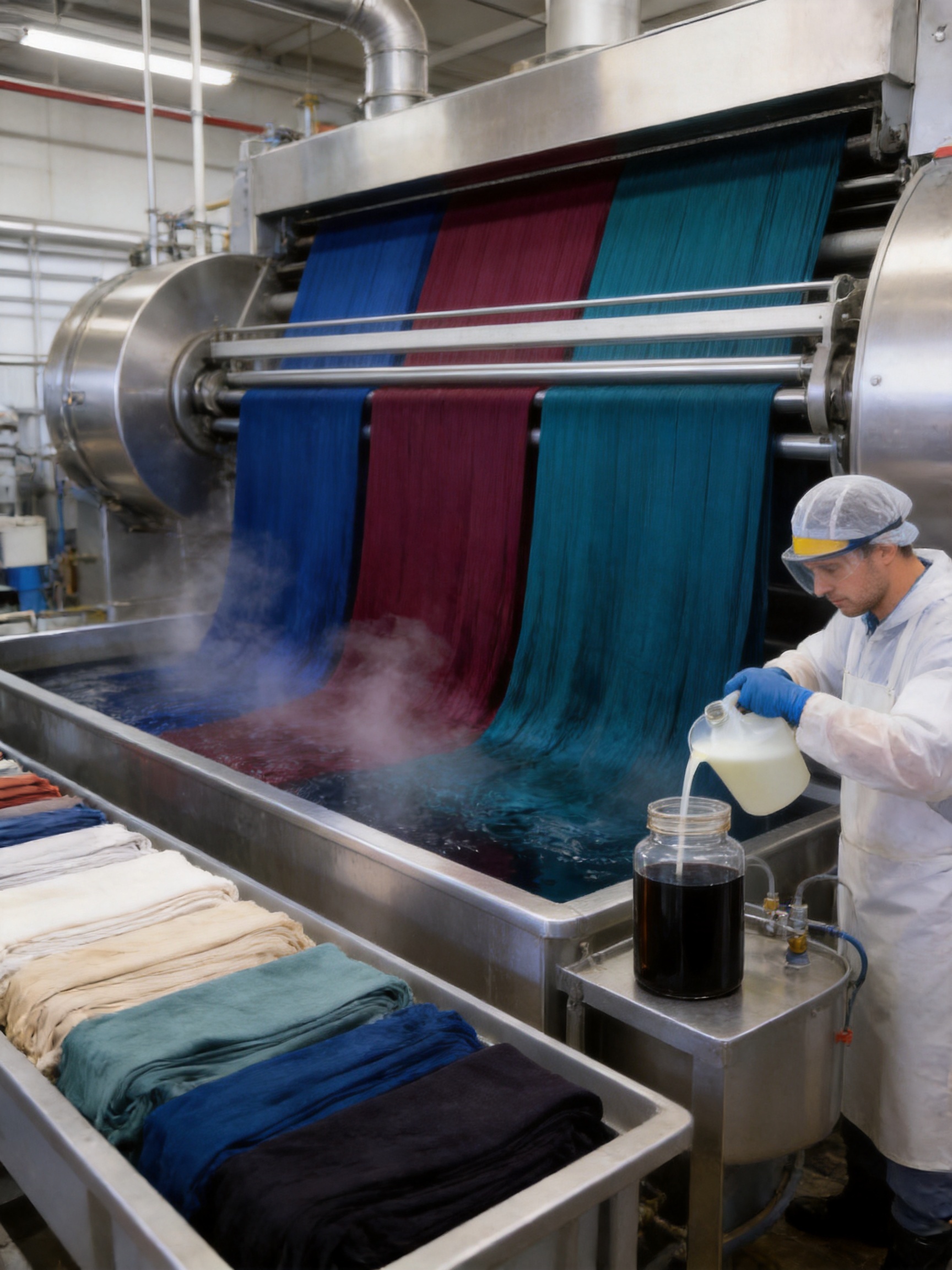
Next, measure the required amount of concentrate according to the batch weight and selected dosage. Dilute the product three to four times with clean water under moderate agitation. The prepared solution should be visually uniform before transfer. Where water hardness is a known concern, the dyehouse should verify dilution behavior using the actual production water.
Introduce the diluted solution into the treatment bath in a controlled manner. Avoid pouring the concentrate directly onto the fabric or into a poorly circulated area of the machine. Gradual dosing improves distribution and reduces the possibility of localized over-treatment.
Raise or maintain the bath at the validated treatment temperature. A typical condition is 80°C for 20 minutes, but the temperature profile should be adapted to the sensitivity of wool, silk, leather, or special polyamide materials. Maintain sufficient circulation to promote uniform contact without imposing unnecessary mechanical stress.
After treatment, rinse according to the material and product requirement. The rinsing sequence should remove loosely held chemical residues without stripping the improved fixation. Drying and subsequent finishing should be performed under conditions that preserve dimensional stability and surface appearance.
For a one-bath process, the fixing agent should be added only after a compatibility study confirms that the dyeing system remains level and stable. The order of addition, pH profile, temperature ramp, and holding time may need to be modified. A process that works for one acid dye combination may not be directly transferable to another.
Process Control for Consistent Results
Consistent fixation depends on more than the chemical itself. Dyehouse control has a direct influence on final fastness. Important variables include fabric preparation, dye concentration, pH, water quality, liquor ratio, bath circulation, temperature accuracy, treatment time, and rinsing efficiency.
Before fixation, the material should be evenly dyed and adequately rinsed when the selected process requires separation between dyeing and after-treatment. Uneven dyeing cannot generally be corrected by a fixing agent. If unfixed dye is distributed irregularly, fixation may preserve the variation rather than eliminate it.
pH should be monitored with calibrated equipment. Although HN-780 has good resistance to acidic and alkaline conditions, the preferred operating range must be determined for each application. Sudden or uncontrolled pH changes can affect dye-fiber interactions, especially on protein fibers and polyamide substrates.
Water quality should be reviewed periodically. The product is resistant to hard water, but water with extreme hardness, high metal content, or unusual contamination may still influence dyeing and finishing. A consistent water supply helps reduce variation and makes laboratory results more transferable to production.
Accurate dosing is essential, particularly for light shades where a small absolute error can represent a large percentage difference. Automated dosing systems can improve repeatability, but manual addition may also be reliable when operators use calibrated measuring equipment and documented procedures.
Production approval should include testing for washing fastness, perspiration fastness, wet and dry rubbing fastness where relevant, shade change, staining, hand feel, and dimensional stability. For leather and delicate materials, visual surface evaluation and flexibility assessment should be included in addition to standard textile tests.
Environmental and Compliance Considerations
Textile brands and manufacturers increasingly evaluate auxiliaries according to environmental, occupational, and product safety criteria. Formaldehyde-free chemistry is an important part of this evaluation, particularly for articles worn next to the skin or supplied to markets with strict restricted substance requirements.
HN-780 is described as free of formaldehyde, bisphenol S, and bisphenol A in the concentrate. This supports a cleaner chemical profile than fixing systems based on formaldehyde-releasing or bisphenol-containing components. Users should maintain current technical and safety documentation and conduct finished-product testing when required by the buyer or destination market.
The product’s potential for one-bath use may provide additional process benefits. Combining compatible steps can reduce the number of bath changes, lower wastewater volume, decrease heating and cooling demand, and shorten production time. These benefits depend on actual process design and should be confirmed through production trials rather than assumed automatically.
High concentration can also contribute to more efficient packaging and transportation. A smaller volume of concentrated product may reduce packaging material and shipment requirements compared with a dilute alternative. The overall environmental profile should be evaluated across the complete life cycle, including dosage, bath volume, rinsing demand, packaging, transport, and wastewater treatment.
The company’s broader product portfolio includes eco-friendly, APEO-free, and formaldehyde-free formulations. Its stated management and quality framework supports international environmental and occupational objectives, including OEKO-TEX-related customer expectations and ISO 14001 and ISO 45001 systems. These references should be considered within the scope of the company’s current certifications and verified documentation.
Manufacturing Strengths and Supply Reliability
The performance of a textile auxiliary is closely connected with the manufacturer’s ability to control raw materials, polymerization or condensation conditions, blending, filtration, storage, filling, and final inspection. A product can perform well in a laboratory but fail commercially if batch-to-batch consistency is weak. Supplier capability is therefore a major purchasing consideration.
Long-term industry experience
Jiangyin Huanan New Materials Technology Co., Ltd. was established in 1984. Decades of involvement in textile printing and dyeing auxiliaries provide a foundation for understanding the practical requirements of dyehouses, mills, garment manufacturers, and international buyers.
Long-term industry experience can support better troubleshooting because formulation specialists are familiar with common production challenges such as shade variation, poor leveling, bath instability, incompatible softeners, hard-water effects, and inconsistent after-treatment. It also supports the development of products for different fibers, dye classes, and finishing requirements.
Two production plants and substantial capacity
The company operates two production plants and reports an annual production capacity of approximately 60,000 tons. This scale supports regular supply for standard products while creating room for customized development and larger international orders.
Manufacturing capacity is valuable only when matched by effective quality systems. Production planning, raw material verification, process documentation, equipment maintenance, batch identification, and retained-sample management all contribute to dependable supply. A structured production network can also provide greater flexibility during peak demand or when customers require multiple auxiliary categories.
In-house laboratory and professional research team
An in-house laboratory enables the company to assess raw materials, monitor product characteristics, conduct application testing, and investigate customer feedback. A professional research and development team can connect laboratory chemistry with actual dyehouse requirements rather than treating formulation as an isolated exercise.
For acid fixing agents, meaningful development work may include compatibility testing with acid and metal complex dyes, shade comparison, fastness evaluation, dilution stability, hard-water resistance, pH tolerance, and effects on fabric hand feel. Application testing across wool, nylon, silk, and leather helps establish a broader understanding of performance.
Customized formulation capability
Textile producers often need more than a catalog product. A mill may require a different concentration, a specific viscosity, a modified pH, a particular packaging format, or enhanced performance for a special fiber or dye system. Customized formulation capability allows the supplier to respond to these needs.
Customization should be managed through a clear technical process that includes defining the target, preparing laboratory samples, evaluating performance, confirming raw material availability, conducting pilot production, and approving a stable commercial specification. This disciplined approach helps prevent uncontrolled changes that could create variation during long-term supply.
Standardized production and quality control
Standardized production is especially important for polymer-based auxiliaries. Small changes in raw material quality, reaction conditions, solids content, pH, or blending can influence viscosity, appearance, solubility, and application behavior. Documented manufacturing procedures help keep these variables within the approved range.
Quality control may include incoming raw material checks, in-process monitoring, final appearance inspection, pH measurement, solubility evaluation, and application verification. Retained samples can be used for comparison if a customer reports a performance concern. Such practices support traceability and help identify whether variation originates in the product, the process, or the substrate.
Integrated supply network
An integrated supply network can improve coordination among production, warehousing, technical service, documentation, and logistics. For international customers, reliable communication and clear shipment planning are as important as chemical performance. Consistent packaging, labeling, batch records, and technical documentation reduce delays at receiving facilities.
The company’s product portfolio covers pretreatment, dyeing, and finishing auxiliaries, including moisture-wicking agents, repairing agents, low-temperature carriers, silicone oils, silicone softeners, antistatic agents, color-fixing agents, stiffening agents, down-proof and windproof agents, and rubbing fastness enhancers. This breadth allows customers to discuss related process needs with one textile chemical supplier rather than managing every product category independently.
Comparison with Less Specialized Fixing Solutions
Generic fixing agents may appear attractive because of a lower unit price or broad marketing claims. However, the relevant comparison should include dosage, process stability, fastness improvement, shade impact, rework risk, storage, wastewater implications, and total cost per kilogram of finished material.
A product that requires a higher dosage may offset its lower purchase price through increased chemical consumption and larger storage requirements. A fixing agent that changes the shade may create rework, additional dye adjustment, or downgraded goods. A product that performs inconsistently in hard water can create quality variation between factories or seasons. HN-780 is positioned to address these practical issues through concentration, water compatibility, shade protection, and process flexibility.
Compared with formaldehyde-based alternatives, a formaldehyde-free product can support a more favorable restricted-substance profile. It may also simplify communication with buyers seeking formaldehyde-free formulations. Compared with highly dilute products, the concentrated form may offer logistical advantages. Compared with narrowly specialized products, resistance to acids, alkalis, electrolytes, and hard water can provide a broader operating window.
These advantages should be evaluated through controlled comparisons. A fair trial should use the same fabric, dye, shade, machine, liquor ratio, temperature profile, treatment time, and testing methods. The comparison should record not only fastness but also shade difference, hand feel, bath clarity, foam, deposition, fabric appearance, and total process cost.
Packaging, Storage, and Handling
HN-780 is supplied in 125 kg drums. The container should remain sealed when not in use to prevent contamination, evaporation, accidental mixing, or changes caused by prolonged exposure to the environment. Drums should be stored upright in a clean, dry, and well-organized chemical storage area.
The recommended shelf life is 12 months when the product is kept sealed at room temperature. Storage areas should be protected from extreme heat, freezing conditions, direct sunlight, and uncontrolled temperature changes. Before use, the batch number, production date, appearance, and container condition should be checked.
Operators should handle the product according to the supplier’s safety data sheet and the facility’s chemical management procedures. Appropriate gloves, eye protection, protective clothing, ventilation, spill response materials, and emergency washing facilities should be available. Empty packaging should be managed according to local waste regulations and the customer’s environmental policy.
If a drum has been opened and partially used, the remaining material should be resealed promptly and clearly identified. Mixing old and new batches should be avoided unless approved by quality control. Any unusual thickening, separation, odor, or insoluble matter should be reported before the product is introduced into production.
Recommended Laboratory Evaluation
A laboratory trial is the most reliable way to select the optimum dosage and process. Begin with a representative sample of the actual production substrate. The sample should be dyed using the target acid or metal complex dye system and processed under conditions that reflect the intended production route.
Prepare a control sample without fixing treatment and comparison samples using several HN-780 dosages within the recommended range. For example, a light shade may be evaluated at 1%, 1.5%, and 2% o.w.f.; a medium shade at 2%, 2.5%, and 3%; and a dark shade at 3%, 3.5%, and 4%. These trial points are examples and should be adapted to the product and customer standard.
Evaluate the samples for washing fastness and perspiration fastness using the applicable test methods. Examine shade change under suitable lighting and compare the treated sample with the unfixed control. Assess staining on adjacent fabrics, especially where the article will be used next to light-colored materials.
Hand feel should be assessed by trained personnel using a consistent grading system. For wool and silk, examine softness, fullness, smoothness, luster, and surface character. For nylon, consider the fabric’s surface slickness, resilience, and suitability for the end use. For leather, assess flexibility, grain appearance, fullness, and coating compatibility.
After selecting a promising condition, repeat the trial to assess reproducibility. If possible, use different production lots of fabric or dye to determine whether the result is robust. The approved recipe should identify the fixing agent lot, dilution method, bath ratio, temperature, time, pH, dosing point, and rinsing sequence.
Operational Benefits for Modern Dyehouses
Modern dyehouses face simultaneous pressure to improve quality, reduce environmental impact, shorten lead times, and control costs. A fixing agent contributes to these objectives when it performs reliably under practical production conditions.
Improved washing and perspiration fastness can reduce claims, returns, and reprocessing. Limited shade influence can reduce the need for post-fixation shade correction. Easy dilution can simplify chemical preparation and improve operator consistency. Resistance to hard water and electrolytes can reduce sensitivity to local water conditions. One-bath potential can shorten the process and decrease resource consumption.
These benefits are most valuable when integrated into a broader quality system. The fixing agent should be supported by appropriate dye selection, good pretreatment, controlled pH, accurate dosing, efficient rinsing, and standardized testing. Chemical selection cannot compensate for poor fabric preparation or uncontrolled production variables, but a suitable auxiliary can make a well-managed process more stable and efficient.
Conclusion
Acid Fixing Agent HN-780 is a formaldehyde-free, high-concentration fixing auxiliary for wool, nylon, leather, silk, and related materials dyed with acid or metal complex dyes. Its sulfonate polycondensate composition, anionic character, easy water solubility, acid and alkali resistance, electrolyte stability, and hard-water resistance make it suitable for demanding textile production environments.
The product is designed to improve washing fastness and perspiration fastness while minimizing changes to shade and fabric hand feel. Its ability to support selected one-bath processes may help dyehouses shorten production routes and reduce resource use. The formaldehyde-free, bisphenol S-free, and bisphenol A-free concentrate also aligns with the industry’s movement toward more responsible auxiliary chemistry.
Its competitive value is supported by the manufacturing capabilities of Jiangyin Huanan New Materials Technology Co., Ltd. The company combines long-term industry experience, two production plants, substantial annual capacity, in-house laboratory resources, research and development expertise, customized formulation capability, standardized production, quality control, and an integrated supply network.
For best results, users should validate the product on their own fibers, dyes, machines, and water conditions. When correctly selected and controlled, HN-780 can help textile manufacturers achieve more durable color performance, improved process efficiency, and a stronger environmental profile without compromising the appearance or feel of the finished material.
Questions and Answers
What is Acid Fixing Agent HN-780 used for?
It is used to improve the washing fastness and perspiration fastness of wool, nylon or polyamide, leather, silk, and similar materials dyed with acid dyes or metal complex dyes. It is primarily recommended for after-treatment fixation and may also be used in a compatible one-bath process.
Is the product formaldehyde-free?
Yes. The concentrate is described as free of formaldehyde, bisphenol S, and bisphenol A. Finished-product testing should still be performed when required by a customer specification, certification program, or destination-market regulation.
What is the main chemical component?
The main component is a sulfonate polycondensate. The product has an anionic ionic character and is supplied as a brownish-red liquid.
How should the product be diluted?
The product should generally be diluted three to four times with water before use. Dilution should be carried out gradually under moderate agitation to achieve a uniform working solution. The exact procedure should be standardized by the dyehouse.
What dosage is recommended?
For light shades, the recommended dosage of the diluted product is 1–2% o.w.f. For medium shades, the recommendation is 2–3% o.w.f. For dark shades, the recommendation is 3–4% o.w.f. Laboratory trials should determine the optimum condition for each application.
What are the typical treatment conditions?
A typical recommendation is a bath ratio of 1:10–15 and a treatment condition of 80°C for 20 minutes. Fiber sensitivity, machine type, dye system, and customer requirements may require adjustment.
Can HN-780 be used in a one-bath dyeing process?
Yes, it can be used in the same bath as dyeing where compatibility has been confirmed. A laboratory and pilot trial should verify bath stability, levelness, shade development, fixation, and final fastness before commercial adoption.
Will the product change the fabric shade?
HN-780 is designed to have minimal impact on fabric shade when used correctly. Nevertheless, every dye and substrate combination should be evaluated because shade response can vary with dye chemistry, concentration, pH, and treatment conditions.
Will it affect fabric hand feel?
The product is designed to minimize changes in hand feel. The final effect depends on fiber type, fabric construction, dosage, rinsing, drying, and other finishing chemicals. A hand-feel evaluation should be included in laboratory approval.
Is the product suitable for hard water?
The product is described as resistant to hard water, as well as acids, alkalis, and electrolytes. Users should still monitor their actual production water because extreme mineral content or contamination can affect the overall dyeing system.
How should the product be stored?
Keep the product sealed at room temperature in a clean, dry storage area protected from extreme temperatures and direct sunlight. The stated shelf life is 12 months under these conditions. Opened containers should be resealed promptly.
What packaging is available?
The stated packaging is a 125 kg drum. Additional packaging requirements should be confirmed with the supplier before ordering.
What should be tested during product approval?
Approval should normally include washing fastness, perspiration fastness, staining, shade change, hand feel, bath stability, and material appearance. Depending on the end use, wet and dry rubbing fastness, dimensional stability, flexibility, and surface properties may also be required.
What manufacturing capabilities support the product?
The manufacturer has operated since 1984 and reports two production plants, annual capacity of approximately 60,000 tons, an in-house laboratory, professional research and development resources, customized formulation capability, standardized production, quality control, and an integrated supply network.
References
1. International Organization for Standardization. Textile Testing Principles for Colorfastness to Washing and Perspiration.
2. International Organization for Standardization. Quality Management and Environmental Management Principles for Chemical Manufacturing.
3. OEKO-TEX Association. Guidance on Restricted Substances and Responsible Textile Chemical Selection.
4. Society of Dyers and Colourists. Fundamentals of Acid Dyeing on Wool, Polyamide, and Silk.
5. Technical information supplied for Acid Fixing Agent HN-780, including product specifications, dosage recommendations, storage guidance, and application conditions.
6. Textile chemical management practices for formaldehyde-free and environmentally responsible auxiliary formulations.
Product: Acid Fixing Agent HN-780


Contact us
huanannewmaterials@gmail.com
-
 Phone: +86 - 13861620767
-
 Fax: +86-0510-86200939
-
 298 Hongxing Road, Huashi Town, Jiangyin City, Wuxi City, Jiangsu Province, China
Product links
Mobile App
Copyright © Jiangyin Huanan New Materials Technology Co., Ltd. All Rights Reserved

-
huanannewmaterials@gmail.com
-

-

-
+86 - 13861620767