


 English
 中文简体

Fluffy and Soft Cationic Softener Concentrate for Modern Textile Finishing
Content
- 1 Introduction
- 2 Product Identity and Technical Profile
- 3 How the Softening Effect Is Developed
- 4 Primary Performance Advantages
- 5 Applications Across Fiber Types and Fabric Constructions
- 6 Recommended Application Method
- 7 Why It Can Offer an Advantage over Conventional Alternatives
- 8 Manufacturing Strengths and Technical Support
- 9 Environmental and Compliance Considerations
- 10 Quality Control During Factory Trials
- 11 Storage, Packaging, and Handling
- 12 Production Efficiency and Commercial Value
- 13 Recommended Selection Strategy
- 14 Frequently Asked Questions
- 14.1 What type of textile auxiliary is ZN?
- 14.2 Which fabrics are suitable for ZN?
- 14.3 Can ZN be used on denim?
- 14.4 Does the product maintain hydrophilicity?
- 14.5 Does ZN contain AEEA?
- 14.6 What dosage should be used?
- 14.7 How should the product be diluted?
- 14.8 Can ZN be mixed with anionic auxiliaries?
- 14.9 Can ZN be used as a raising agent?
- 14.10 What is the shelf life?
- 14.11 How is the product packaged?
- 14.12 Why is the manufacturer suitable for customized textile chemical projects?
- 15 Conclusion
- 16 References
- 17 Product: Fluffy & Soft Softener Concentrate ZN
Introduction
Textile finishing plays a decisive role in how a fabric looks, feels, performs, and is ultimately perceived by consumers. A well-designed finishing system can transform an ordinary textile into a product with a luxurious hand, improved comfort, better processing behavior, and stronger commercial appeal. Among the many finishing requirements in today’s textile industry, a fluffy and soft hand feel remains one of the most important, particularly for denim, cotton fabrics, cotton blends, and selected synthetic materials.
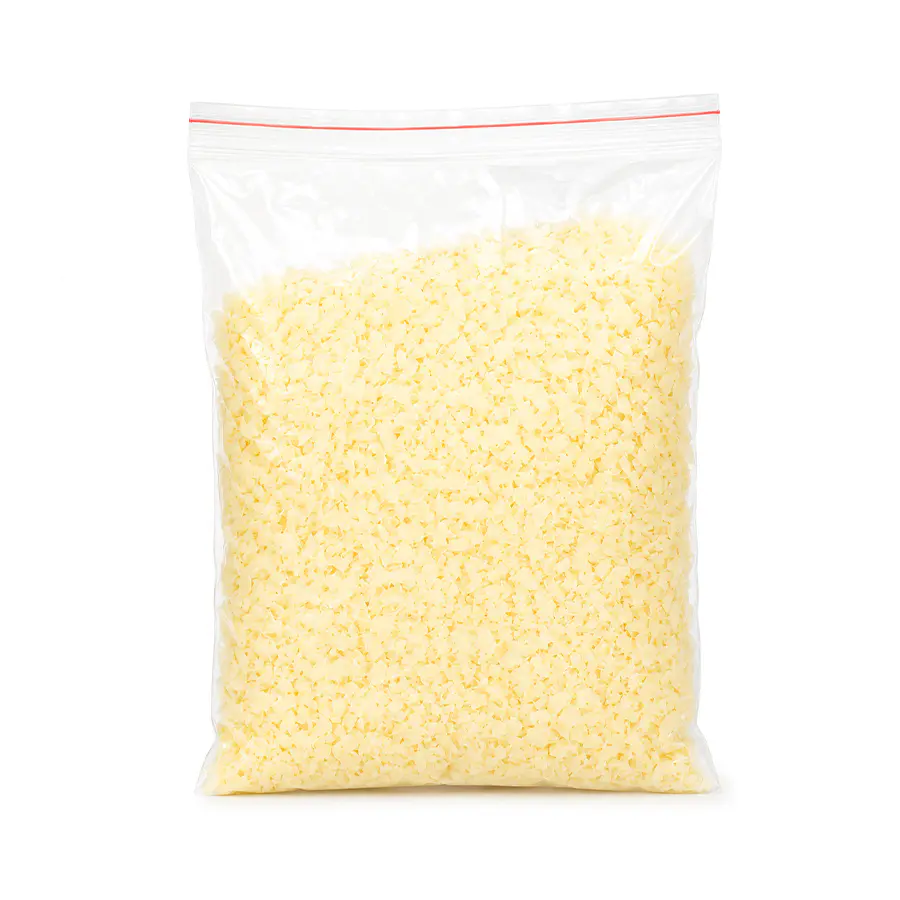
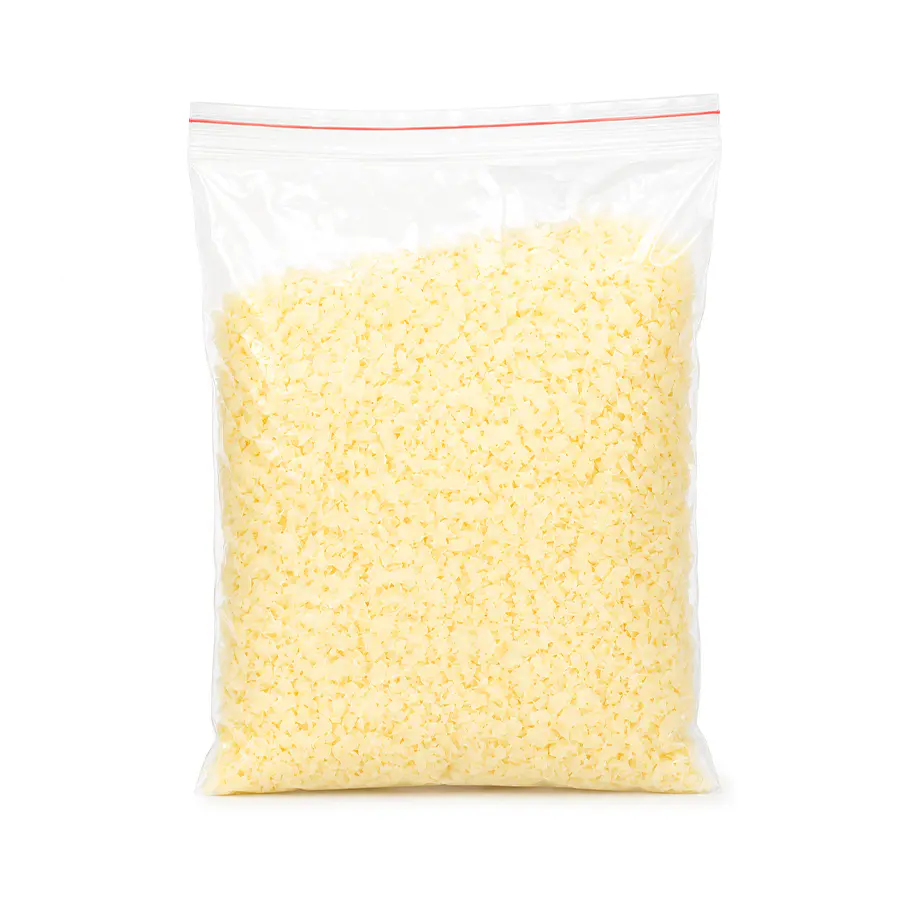
Fluffy & Soft Softener Concentrate ZN is a cationic amide-based softening auxiliary developed for manufacturers seeking a balanced combination of softness, fullness, fluffiness, and practical processing performance. Supplied as a yellow to brownish yellow paste, the product is soluble at room temperature and has a pH value of 3.0–5.0 in a 10% solution. It is designed to provide a pleasant, voluminous hand while maintaining useful hydrophilicity and minimizing the risk of back-staining during washing.
The product is manufactured by Jiangyin Huanan New Materials Technology Co., Ltd., a Chinese textile chemical producer with a history dating back to 1984. The company specializes in pretreatment, dyeing, and finishing auxiliaries and operates two production plants with an annual production capacity of approximately 60,000 tons. Its manufacturing model combines formulation research, laboratory testing, standardized production, quality control, and customer-oriented technical support.
For textile mills, garment laundries, dyeing houses, and finishing departments, the value of a softener is not determined only by the immediate softness obtained after treatment. A successful product must also be easy to dilute, stable in application, compatible with the intended process, suitable for different fiber types, and consistent from batch to batch. ZN is positioned as a versatile solution for these practical requirements.
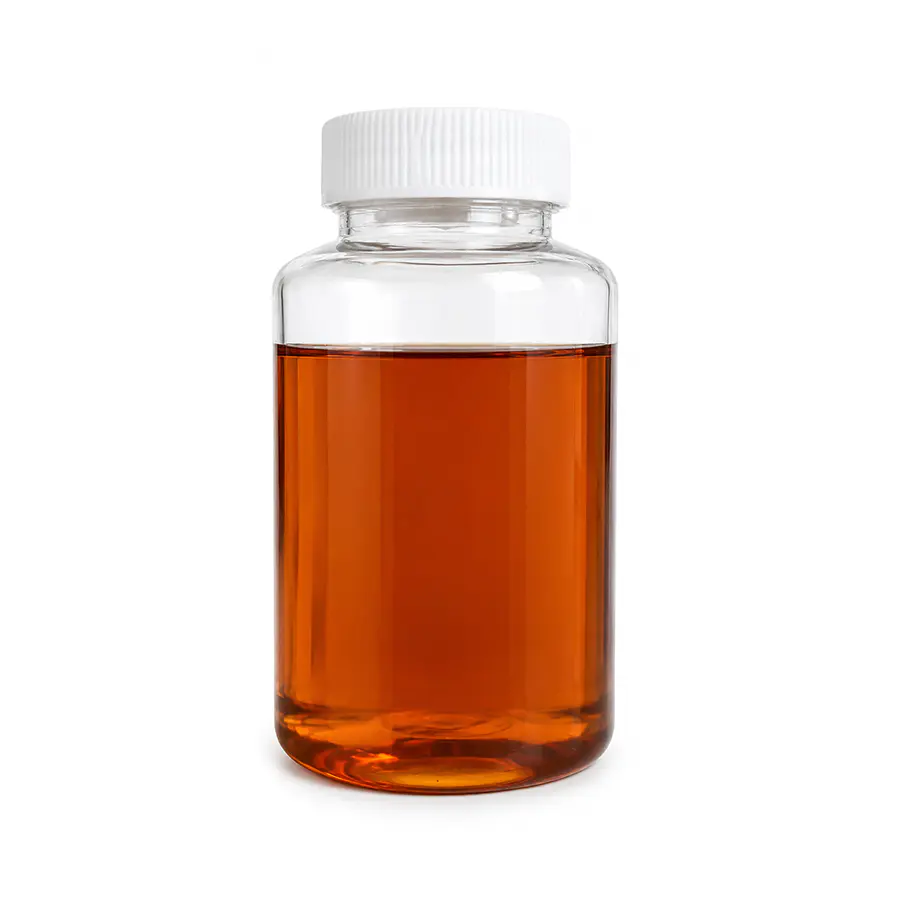
Fluffy & Soft Softener Concentrate ZN
Product Identity and Technical Profile
Product name |
Fluffy & Soft Softener Concentrate ZN |
Product category |
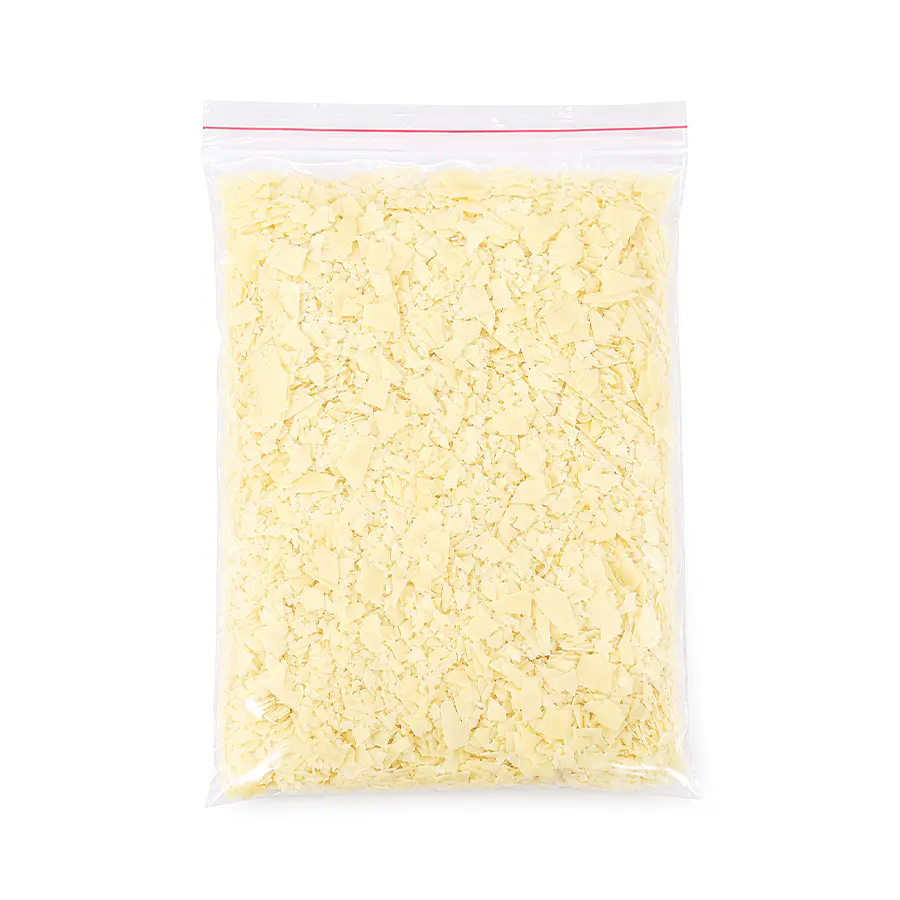
Softeners flakes/paste |
Main component |
Amide cationic compound |
Appearance |
Yellow to brownish yellow paste |
Ionicity |
Cationic |
pH value |
3.0–5.0 in a 10% solution |
Solubility |
Soluble at room temperature |
Recommended application |
Exhaust finishing and related softening processes |
Recommended dosage |
1.0–5.0% o.w.f. after dilution at 1:9 |
Packaging |
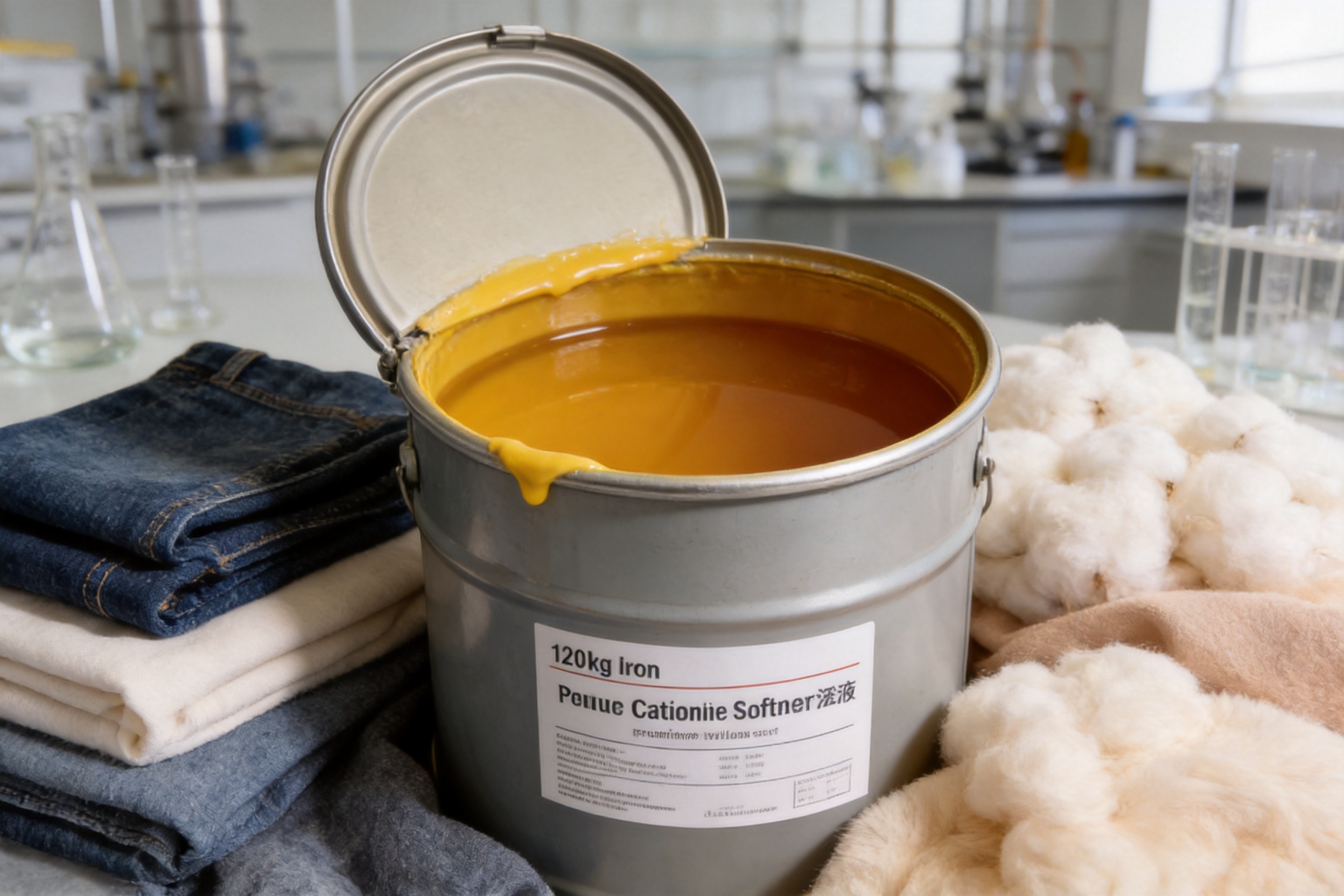
120 kg iron drum |
Recommended shelf life |
Six months when stored correctly |
The technical profile reflects a product formulated for practical textile production rather than laboratory use alone. Its cationic character enables interaction with negatively charged fiber surfaces, helping the softening components deposit on the textile during the finishing stage. The amide-based chemistry contributes to the desired smooth, full, and fluffy sensory effect, while the product’s formulation is intended to preserve a degree of fabric absorbency and comfort.
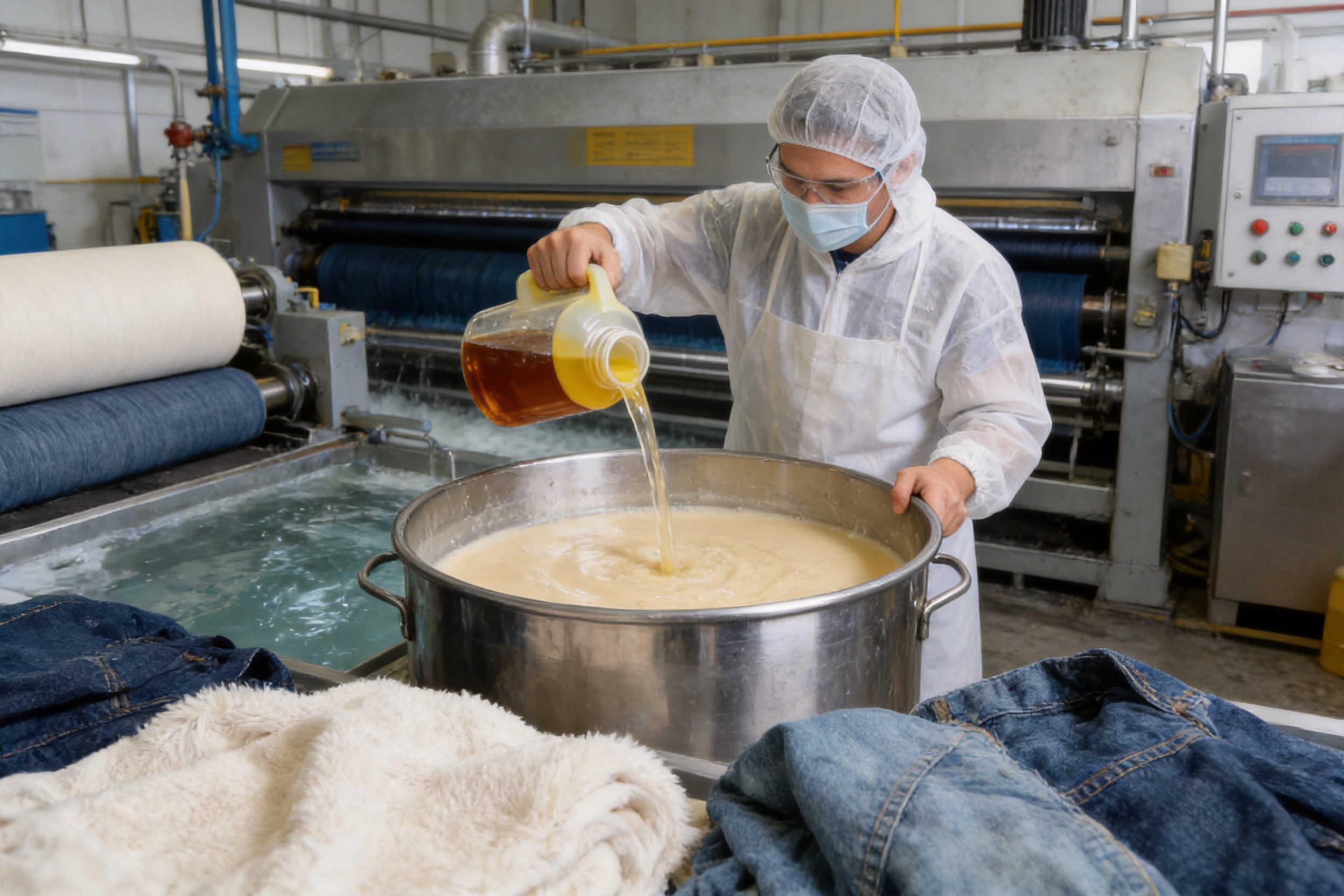
Because the product is supplied as a concentrate, transportation, storage, and dosing can be more efficient than with a ready-to-use diluted product. Proper dilution is essential, however. The recommended method is to add the required quantity of ZN to water at room temperature and stir for 30–60 minutes until the concentrate is completely dissolved. When the ambient temperature is low and fluidity decreases, pre-warming the product before dilution is recommended.
How the Softening Effect Is Developed
Softening auxiliaries work by modifying the interaction between textile fibers and the surrounding environment. Untreated fibers may feel harsh because of surface friction, fiber stiffness, yarn construction, residual processing materials, or the mechanical history of the fabric. A suitable softener deposits a lubricating and conditioning layer on the fiber surface, reducing friction and producing a smoother tactile response.
Fluffy and soft finishing involves more than making a fabric slippery. A commercially desirable finish often requires several simultaneous sensory qualities: softness, fullness, resilience, surface nap, warmth, smoothness, and a gentle bulky appearance. If a softener is too lubricating, the fabric may feel greasy or lose body. If it is too film-forming, absorbency can be reduced. If it is too light, the fabric may lack the fluffy hand expected by the customer.
ZN is designed to address these requirements through an amide cationic compound system. The cationic component supports affinity toward textile fibers, while the amide-based structure contributes to the soft, rich, and voluminous hand associated with premium finishing. The final result depends on fabric construction, dyeing history, mechanical treatment, bath conditions, drying, curing, and dosage, which is why production trials remain important.
On denim, the product can be used to create a softer and fluffier surface after washing or finishing. Denim is often expected to combine a firm visual structure with a comfortable, broken-in hand. A well-controlled application of ZN can help reduce excessive harshness without eliminating the characteristic body of the fabric. It may also be used in conjunction with raising processes where a fuller surface effect is required.
Primary Performance Advantages
Fluffy and soft hand feel
The most direct benefit of ZN is its ability to impart a fluffy and soft hand feel. This makes it suitable for fabrics where tactile comfort is a major selling point. The finish can support a fuller surface sensation and a more pleasant touch, helping textile producers meet consumer expectations for comfort-oriented apparel and home textile products.
Compared with a basic softener that produces only surface smoothness, a fluffy-hand formulation is intended to create a more dimensional sensory effect. The fabric may feel softer, warmer, and more voluminous rather than simply slick. This distinction is particularly important for denim, cotton knitwear, casualwear, and fabrics intended to convey a brushed or gently raised character.
Balance between softness and hydrophilicity
One common challenge in textile finishing is the loss of absorbency after softener application. Highly hydrophobic finishes may create a smooth hand but interfere with moisture spreading, comfort, and subsequent processing. ZN is designed to maintain good hand feel while providing hydrophilicity, offering a more balanced performance profile.
This balance is valuable for cotton and cotton-blended fabrics used in shirts, trousers, casualwear, underwear, towels, bedding, and other products where moisture management matters. The product should not be regarded as a substitute for a dedicated high-performance moisture-wicking agent in every application, but its ability to retain useful hydrophilic behavior can be an advantage over conventional softeners that strongly suppress wettability.
Reduced risk of back-staining during washing
Back-staining is a major concern in denim and garment washing. Loose dyes, pigment-like residues, and processing materials can redeposit on lighter areas of a garment or on contrasting components. Excessive back-staining can reduce contrast, create unwanted discoloration, and cause quality complaints.
ZN is formulated not to cause back-staining during washing when used under appropriate process conditions. This feature is particularly relevant to denim laundries and garment processors working with indigo shades, pigment effects, stone washing, enzyme washing, and other treatments in which color cleanliness is critical. As with all textile auxiliaries, the actual result depends on the complete washing recipe, liquor ratio, temperature, mechanical action, dye selection, and rinsing efficiency.
AEEA-free formulation
The product contains no AEEA. This is an important consideration for manufacturers working with restricted substance lists, brand compliance programs, and customers who require more carefully controlled chemical inputs. The absence of AEEA can simplify chemical review and support the development of formulations aligned with modern environmental and product-safety expectations.
Regulatory and customer requirements vary by market, so textile producers should always verify the current applicable standards and request the relevant technical and safety documentation. Nevertheless, the AEEA-free positioning provides a useful starting point for companies seeking alternatives to older softener technologies.
Room-temperature solubility
ZN is soluble at room temperature. This characteristic can simplify preparation in production environments and reduce the need for intensive heating during normal dilution. Easier dissolution may help reduce preparation time, lower energy consumption associated with auxiliary heating, and improve dosing convenience.
In colder conditions, the product may become less fluid. This is a normal handling consideration for paste-type concentrates. Pre-warming before use can restore easier handling and support more consistent dilution. Operators should avoid excessive heating and should follow the supplier’s technical recommendations when preparing the product.
Applications Across Fiber Types and Fabric Constructions
Denim
Denim is one of the most important application areas for ZN. Finished denim commonly requires a combination of softness, fullness, surface comfort, and controlled color appearance. After desizing, enzyme treatment, stone washing, bleaching, or other garment-washing processes, the fabric may feel dry or harsh. A cationic amide softener can help restore a more comfortable hand during the final finishing stage.
The product is suitable for fluffy and soft hand-feel styles, including casual denim, washed denim, vintage effects, comfort denim, and selected stretch denim articles. It can also be used where the customer wants a more raised or brushed sensory impression. Because denim constructions differ widely in yarn count, weave density, elastane content, dye system, and washing history, trials should be performed before bulk production.
Cotton fabrics
Cotton is naturally comfortable and absorbent, but its hand can become harsh after alkaline preparation, bleaching, dyeing, drying, and repeated mechanical treatment. ZN can be applied to woven or knitted cotton fabrics when a soft, fluffy, and fuller touch is desired.
Potential applications include T-shirts, sweatshirts, casual shirts, trousers, underwear, children’s garments, bedding, and other cotton-based products. The product’s hydrophilic balance can be advantageous when manufacturers want a softer finish without making the fabric feel excessively water-repellent.
Cotton blends
Cotton-polyester, cotton-viscose, cotton-modal, and other blended fabrics often present a more complex finishing challenge than single-fiber materials. Each fiber may have a different surface energy, chemical affinity, and response to drying or heat. ZN is suitable for cotton and its blended fabrics and can help create a more unified hand across mixed fiber components.
For blends, process optimization is especially important. The dosage may need to be adjusted according to the proportion of each fiber, fabric weight, construction, and desired softness. Compatibility with dyeing residues, resin systems, wicking agents, antistatic products, and other auxiliaries should be assessed before production.
Synthetic fibers
Although ZN is especially suitable for cotton and cotton blends, it can also provide a good hand feel on synthetic fibers. Polyester, polyamide, and other synthetic materials may require softening after dyeing or heat setting because their surfaces can feel dry, crisp, or slightly harsh.
On synthetic fabrics, the desired result may vary from a smooth hand to a fuller, more fabric-like touch. Trial evaluation should include softness, surface appearance, shade change, static behavior, sewing performance, and rewetting properties. The most appropriate dosage for a synthetic article may differ from the dosage used for cotton or denim.
Raising and surface-effect applications
ZN can also be used as a raising agent in suitable processes. Raising increases the surface fiber exposure or nap, creating a warmer, softer, and more tactile fabric surface. This can be useful for selected cotton, blended, and casualwear constructions.
The success of a raising application depends on fabric structure, machine settings, cylinder or roller condition, speed, tension, moisture, and finishing sequence. ZN should be evaluated together with the mechanical raising process rather than treated as an independent replacement for proper machine adjustment. Its role is to support the desired soft and fluffy effect after the surface has been mechanically developed.
Recommended Application Method
Dosage
The recommended dosage for an exhaustion process is 1.0–5.0% on weight of fabric, using product diluted at a ratio of 1:9. This broad range allows textile manufacturers to adjust the finish according to fabric type, weight, construction, color, washing history, and customer hand-feel requirements.
Application stage |
Typical recommendation |
Product form |
Concentrated paste |
Dilution ratio |
1 part ZN to 9 parts water |
Application method |
Exhaustion process |
Dosage range |
1.0–5.0% o.w.f. |
Dissolution temperature |
Room temperature is generally suitable |
Stirring time |
Approximately 30–60 minutes, or until completely dissolved |
The lower end of the dosage range may be suitable when a light softening effect is required or when the fabric already has a relatively soft hand. Higher dosages may be considered for heavy denim, firm cotton, or applications requiring a more pronounced fluffy effect. Excessive dosage should be avoided because too much softener may affect shade appearance, absorbency, sewability, surface friction, or the intended fabric body.
Dilution procedure
At room temperature, the required amount of ZN should be added to water gradually while stirring. The mixture should be stirred for approximately 30–60 minutes, or until the concentrate is completely dissolved and the dilution is uniform. Operators should avoid adding a large quantity of water too rapidly if this causes localized concentration or incomplete dispersion.
When the weather is cold, the paste may become less fluid. Pre-warming the concentrate can improve handling and make weighing or transfer easier. Any warming procedure should be controlled and moderate. The product should not be overheated, and local plant safety procedures should always be followed.
Exhaustion process considerations
For exhaustion finishing, the fabric should be clean and sufficiently free from incompatible residues. The bath should be prepared with the correct liquor ratio, and the diluted softener should be introduced in a manner that allows even distribution. The treatment temperature, running time, pH, and mechanical action should be established through laboratory and pilot trials.
The cationic nature of ZN means that compatibility with anionic auxiliaries must be checked before use. Direct mixing of cationic and anionic products can lead to precipitation, reduced performance, bath instability, or uneven deposition. If both types of auxiliary are required, the order of addition, dilution level, bath pH, and application sequence should be carefully evaluated.
Why It Can Offer an Advantage over Conventional Alternatives
Textile manufacturers often compare softeners according to a limited number of criteria, such as softness or price per kilogram. A more meaningful comparison considers the full production picture: hand-feel quality, absorbency, color cleanliness, compatibility, ease of use, restricted-substance considerations, and process consistency.
ZN offers a differentiated performance profile by combining a fluffy and soft effect with useful hydrophilicity. Some conventional softeners produce a strong slippery hand but may reduce wettability considerably. Others provide a mild softening effect but do not create the fuller surface character required for premium denim or casualwear. ZN is designed to occupy a practical middle ground, providing comfort and volume without relying solely on a highly hydrophobic surface film.
The product’s suitability for denim is another important advantage. Denim laundries need finishing chemicals that support softness while minimizing unwanted color redeposition. A softener that performs well on plain white cotton may not be appropriate for indigo garments. The anti-back-staining positioning of ZN addresses a specific denim-processing concern that is not always covered by general-purpose softeners.
Its room-temperature solubility can also provide an operational advantage. Products that require complicated heating or extended preparation may increase labor, energy use, and the possibility of inconsistent dilution. ZN is designed for straightforward preparation, with pre-warming recommended only when low temperatures reduce fluidity.
The AEEA-free formulation can help textile producers respond to increasingly detailed chemical-management requirements. While chemical compliance must always be verified according to the customer’s restricted substance list and target market, selecting an auxiliary without AEEA can reduce concern during formulation review.
Finally, the product’s compatibility with cotton, cotton blends, denim, and selected synthetic fibers supports inventory simplification. A mill may be able to use one softener platform across several product groups rather than maintaining numerous narrowly specialized products. Actual consolidation potential should be confirmed through trials, but the broad application range is commercially useful.
Manufacturing Strengths and Technical Support
Long-term industry experience
Jiangyin Huanan New Materials Technology Co., Ltd. was established in 1984 and has developed long-term experience in textile printing and dyeing auxiliaries. This history provides a foundation in textile chemistry, application behavior, production management, and customer requirements.
Long-term industry experience is valuable because textile auxiliaries must perform under changing fiber trends, dyeing technologies, environmental expectations, and brand specifications. A manufacturer with experience across pretreatment, dyeing, printing, and finishing can evaluate a softener not only as an isolated product but also as part of the complete textile process.
Dedicated production capacity
The company operates two production plants with an annual production capacity of approximately 60,000 tons. Production capacity alone does not guarantee quality, but it provides a platform for serving regular orders, supporting larger customers, and maintaining organized manufacturing schedules.
For international buyers, reliable capacity is particularly important. A finishing chemical may be approved through extensive testing and then required across multiple production sites or seasonal programs. A manufacturer with established production resources can be better positioned to support continuity, provided that batch control, raw-material management, and quality systems are properly maintained.
Research and development capability
Jiangyin Huanan maintains an in-house laboratory and professional research and development team. These resources support product development, formulation optimization, application testing, and troubleshooting. For a product such as ZN, laboratory capability is important because hand-feel performance cannot be assessed adequately through chemical specifications alone.
R&D evaluation may include fabric handle, whiteness, shade change, wettability, softness retention, bath stability, compatibility, drying behavior, and performance after laundering. The exact test program depends on the customer’s application. Laboratory work also helps determine whether a formulation is appropriate for denim, cotton, blended fabrics, or synthetic textiles.
Customized formulation services
Different textile producers may request different sensory effects. One customer may require a dry, fluffy hand, while another may prefer a heavier, fuller, or smoother finish. Fabric weight, yarn construction, dye class, washing route, and machinery can all influence the final result.
The company offers customized formulation capabilities to help address these variations. Customization may involve adjustments to softness, fluffiness, hydrophilicity, compatibility, concentration, application window, or fabric-specific performance. Any customized formulation should be validated through laboratory trials, pilot production, and bulk confirmation before commercial release.
Standardized production and quality control
Consistent softener performance requires control of raw materials, reaction conditions, mixing, filtration, filling, packaging, and storage. Variations in viscosity, active content, pH, ionic behavior, or dilution stability can affect factory dosing and final fabric quality.
The company emphasizes standardized production and strict quality control. These practices are important for maintaining reliable product characteristics across batches. For buyers, quality assurance may include incoming raw-material inspection, in-process monitoring, finished-product testing, retained samples, batch documentation, and technical data support.
A professional purchasing evaluation should request the applicable certificate of analysis, safety data sheet, technical data sheet, packaging information, and quality-control parameters. Buyers may also establish agreed acceptance criteria for appearance, pH, viscosity, solubility, and application performance.
Integrated supply network
An integrated supply network can support more reliable procurement of raw materials, packaging components, and finished products. It may also help the manufacturer respond to changes in demand, manage production planning, and support export orders.
For textile chemical customers, supply reliability includes more than shipment availability. It also involves stable product identity, accurate labeling, suitable packaging, clear documentation, and responsive communication when a production issue occurs. These factors contribute to lower operational risk and stronger long-term cooperation.
Environmental and Compliance Considerations
Environmental performance is increasingly evaluated throughout the textile chemical supply chain. Brands, retailers, mills, and garment factories may assess chemical formulations according to restricted substance lists, wastewater impact, worker safety, resource consumption, and certification requirements.
ZN is presented as an AEEA-free product, and the manufacturer offers eco-friendly, APEO-free, and formaldehyde-free formulation capabilities across its product portfolio. These characteristics can support textile companies seeking to improve chemical compliance and meet customer expectations. However, a product claim should always be reviewed together with current technical documentation and the specific requirements of the intended market.
Jiangyin Huanan’s management and environmental positioning includes references to OEKO-TEX, ISO 14001, and ISO 45001-related standards or systems. ISO 14001 is associated with environmental management, while ISO 45001 relates to occupational health and safety management. Such systems can provide a framework for controlling environmental and workplace risks, although the exact certification scope should be confirmed with the supplier.
From a process perspective, the room-temperature solubility of ZN may help reduce the need for heating during normal dilution. Lower preparation temperatures can contribute to reduced energy demand, although the total environmental impact also depends on transport, dosage, wastewater treatment, packaging, and the complete finishing recipe.
Textile mills should evaluate wastewater characteristics after application and should not assume that an eco-friendly formulation eliminates the need for responsible effluent treatment. Proper dosing, controlled bath discharge, equipment cleaning, and compliance with local wastewater requirements remain essential.
Quality Control During Factory Trials
Before introducing ZN into bulk production, a structured trial program should be completed. Laboratory trials can identify a suitable dosage and process sequence, while pilot trials confirm whether the result is reproducible on production machinery.
The first evaluation should include the fabric’s initial condition, including fiber composition, fabric weight, construction, color, previous finishing, and washing history. The target hand should then be described clearly. Terms such as soft, fluffy, full, smooth, dry, bulky, or silky can mean different things to different evaluators, so physical reference standards are useful.
Trial samples should be compared under consistent lighting and conditioning conditions. The evaluation can include subjective hand assessment, surface appearance, shade, whiteness, absorbency, drying behavior, seam performance, and resistance to laundering. For denim, back-staining should be checked using the actual washing route rather than a simplified laboratory assumption.
Bath stability should also be monitored. The diluted product should be observed for uniformity, sedimentation, separation, or unexpected viscosity changes. If other auxiliaries are included, compatibility should be tested in the same order and concentration used in production. Particular attention is necessary when anionic products are present.
Once the optimum recipe is selected, the mill should record the product lot, dosage, liquor ratio, pH, temperature, treatment time, machine type, extraction conditions, drying conditions, and final evaluation. This information helps maintain consistency when the product is transferred to another production line or factory.
Storage, Packaging, and Handling
ZN is supplied in 120 kg iron drums. The packaging should remain sealed until use and should be stored in a cool place away from excessive heat, direct sunlight, contamination, and incompatible chemicals. The recommended shelf life is six months under suitable storage conditions.
Because the product is a paste, storage temperature can influence fluidity. In colder environments, the material may become more difficult to pump or measure. Pre-warming can improve handling, but the temperature should be controlled to avoid damaging the formulation or creating unsafe working conditions.
Before use, operators should inspect the drum, confirm the product name and batch information, and check the appearance. Any unusual separation, odor, contamination, or significant change in consistency should be reported before the material is introduced into the process. Personal protective equipment and the procedures described in the safety data sheet should be followed.
Accurate weighing is important because the recommended application range is relatively broad. Small differences in dosage may produce noticeable changes in hand feel, especially on lightweight fabrics. A clean, calibrated dosing system can improve reproducibility and reduce waste.
Production Efficiency and Commercial Value
The commercial value of a textile auxiliary is determined by the total cost of achieving the required fabric result, not simply by the price per kilogram. A product that creates the desired hand at a practical dosage, dissolves efficiently, reduces rework, and supports consistent bulk production may offer greater value than a cheaper material with unstable performance.
ZN can contribute to production efficiency through its concentrated form, room-temperature solubility, broad fabric applicability, and suitability for exhaustion processing. Its use in denim, cotton, cotton blends, and selected synthetic fabrics may help reduce the number of different softeners maintained in inventory.
The product may also reduce the need for corrective finishing when the initial hand is too harsh after washing or dyeing. A well-controlled final finish can improve first-pass quality and reduce the risk of rejected garments. Nevertheless, the product should be optimized carefully because over-application can create its own quality problems.
For international customers, the manufacturer’s experience, production scale, laboratory support, and customized formulation capability can provide additional commercial value. Textile companies often require more than a standard product: they need technical communication, trial assistance, documentation, and the ability to respond when fabric constructions or customer requirements change.
Recommended Selection Strategy
Manufacturers considering ZN should begin by identifying the main performance objective. If the goal is a light and breathable softening effect, the lower dosage range may be appropriate. If the target is a rich, fluffy, and bulky hand on heavy denim or firm cotton, a higher dosage may be evaluated.
The second step is to determine whether hydrophilicity is important. Fabrics for next-to-skin apparel, towels, sportswear, and moisture-sensitive applications should be tested for absorbency and rewetting after finishing. A soft hand should not be evaluated independently from comfort-related performance.
The third step is to review compatibility. Existing dyeing and finishing recipes should be checked for anionic dispersants, leveling agents, fixing agents, resins, antistatic products, silicone emulsions, and other materials. The sequence of addition may need to be changed to prevent interaction problems.
The fourth step is to evaluate laundering behavior. This is particularly important for denim. Samples should be washed using the intended commercial route and inspected for back-staining, shade change, contrast, surface appearance, and softness retention.
The final step is to confirm bulk reproducibility. A laboratory result is not sufficient if the product cannot be prepared, dosed, and distributed consistently on the production machine. Pilot testing should therefore be treated as an essential part of product approval.

Frequently Asked Questions
What type of textile auxiliary is ZN?
ZN is a cationic amide-based softener concentrate supplied as a yellow to brownish yellow paste. It belongs to the softeners flakes/paste category and is intended to provide a fluffy, soft, and fuller hand feel.
Which fabrics are suitable for ZN?
The product is especially suitable for denim, cotton, and cotton-blended fabrics. It can also provide a good hand feel on selected synthetic fibers. Fabric-specific trials are recommended because the optimum dosage and process conditions vary according to fiber, construction, weight, and previous treatment.
Can ZN be used on denim?
Yes. ZN is designed for fluffy and soft hand-feel processing on denim. It can also be used in applications where a raised or more tactile surface effect is required. Denim washing and finishing trials should assess softness, back-staining, shade, and appearance together.
Does the product maintain hydrophilicity?
ZN is designed to maintain good hand feel while providing hydrophilicity. The final absorbency depends on dosage, fiber type, fabric construction, other auxiliaries, and drying conditions, so testing is recommended for moisture-sensitive products.
Does ZN contain AEEA?
The product information identifies ZN as containing no AEEA. Buyers should request current technical and safety documentation when formal compliance confirmation is required.
What dosage should be used?
The recommended exhaustion dosage is 1.0–5.0% on weight of fabric when the product is diluted at a ratio of 1:9. The appropriate level should be determined through laboratory and production trials.
How should the product be diluted?
Add the required amount of ZN to water at room temperature and stir for approximately 30–60 minutes until completely dissolved. If low temperature reduces fluidity, pre-warming the product before use is recommended.
Can ZN be mixed with anionic auxiliaries?
Compatibility must be checked before use. Because ZN is cationic, direct contact with anionic auxiliaries may cause instability or precipitation. Separate dilution, controlled addition, or a different application sequence may be necessary.
Can ZN be used as a raising agent?
Yes. ZN can be used in suitable raising applications to support a fluffy and soft surface effect. The mechanical raising process, fabric construction, and finishing conditions must be optimized together.
What is the shelf life?
The stated shelf life is six months when the product is stored in a cool place under suitable conditions. Packaging should remain properly closed, and the material should be protected from contamination and excessive temperature changes.
How is the product packaged?
ZN is supplied in 120 kg iron drums. Buyers should confirm the packaging specification, labeling, and shipping requirements when placing an order.
Why is the manufacturer suitable for customized textile chemical projects?
The manufacturer has operated in the textile chemical sector since 1984 and has two production plants, an in-house laboratory, a professional R&D team, customized formulation capabilities, standardized production, and an integrated supply network. These resources can support product adaptation, trial work, quality control, and regular supply.
Conclusion
Fluffy & Soft Softener Concentrate ZN is a versatile cationic finishing auxiliary developed for textile producers seeking a soft, fluffy, and fuller hand feel. Its main advantages include suitability for denim, cotton, cotton blends, and selected synthetic fibers; a balance between softness and hydrophilicity; reduced risk of back-staining during washing; room-temperature solubility; compatibility with raising applications; and an AEEA-free formulation.
The product’s value is strengthened by the manufacturing capabilities of Jiangyin Huanan New Materials Technology Co., Ltd. With a history dating back to 1984, two production plants, approximately 60,000 tons of annual capacity, in-house laboratory resources, professional R&D, customized formulation services, standardized production, and quality-control systems, the company is positioned to support both standard and application-specific textile finishing requirements.
For the best result, ZN should be treated as part of a complete finishing system. Fabric type, previous processing, dosage, dilution, bath conditions, auxiliary compatibility, mechanical action, drying, and customer hand-feel expectations must all be considered. Proper trials and process control will help manufacturers achieve a consistent finish while avoiding issues such as uneven deposition, excessive hydrophobicity, incompatibility, or over-softening.
As textile manufacturers continue to seek more comfortable fabrics, cleaner chemical profiles, reliable supply, and practical production performance, a carefully engineered fluffy and soft cationic concentrate can provide an effective finishing solution. ZN combines targeted hand-feel performance with broad application potential and the technical infrastructure required for modern textile chemical development.
References
1. Product technical information for Fluffy & Soft Softener Concentrate ZN, including composition, appearance, ionic character, pH, solubility, dosage, application, storage, and packaging data.
2. Textile finishing principles relating to softening, fiber-surface lubrication, hand-feel modification, absorbency, and fabric comfort.
3. Standard laboratory and production trial practices for exhaustion application of textile softeners.
4. General guidance on cationic and anionic auxiliary compatibility in textile processing baths.
5. International textile chemical management practices concerning restricted substances, environmental performance, and responsible production.
6. ISO 14001, Environmental Management Systems—General principles and implementation guidance.
7. ISO 45001, Occupational Health and Safety Management Systems—Requirements and guidance for use.
8. General textile testing practices for softness, absorbency, shade change, back-staining, laundering durability, and surface appearance.
Product: Fluffy & Soft Softener Concentrate ZN


Contact us
huanannewmaterials@gmail.com
-
 Phone: +86 - 13861620767
-
 Fax: +86-0510-86200939
-
 298 Hongxing Road, Huashi Town, Jiangyin City, Wuxi City, Jiangsu Province, China
Product links
Mobile App
Copyright © Jiangyin Huanan New Materials Technology Co., Ltd. All Rights Reserved

-
huanannewmaterials@gmail.com
-

-

-
+86 - 13861620767