


 English
 中文简体

High-Concentration Eco-Friendly Carrier for Low-Temperature Textile Dyeing
Content
- 1 The Role of Carriers in Modern Textile Dyeing
- 2 Product Composition and Basic Characteristics
- 3 How the Carrier Improves Dye Diffusion
- 4 Advantages of Low-Temperature Dyeing
- 5 Level Dyeing and Defect Prevention
- 6 Corrective Use After Dyeing
- 7 Oligomer Removal and Machine Cleanliness
- 8 Protection Against Back-Staining
- 9 Compatibility with Different Fibers and Blends
- 10 Recommended Dosage Guidance
- 11 Process Integration in a Dyeing Machine
- 12 Environmental and Workplace Advantages
- 13 Advantages Compared with Conventional Carrier Approaches
- 14 Manufacturing Strengths and Quality Control
- 15 Research, Development, and Customized Solutions
- 16 Storage, Handling, and Winter Crystallization
- 17 Building a Reliable Low-Temperature Dyeing Recipe
- 18 Quality Evaluation and Performance Testing
- 19 Commercial and Operational Value for Dyehouses
- 20 Implementation Recommendations
- 21 Frequently Asked Questions
- 21.1 What is the main purpose of this carrier?
- 21.2 Can it replace high-temperature polyester dyeing completely?
- 21.3 Is the product suitable for dark shades?
- 21.4 Can the carrier be used with polyester/cellulose blends?
- 21.5 Can it be used on triacetate?
- 21.6 Is it suitable for modified polyacrylic fibers?
- 21.7 Can the product remove polyester oligomers?
- 21.8 Can it remove oils from fabric?
- 21.9 Can it prevent back-staining?
- 21.10 Can it correct an uneven shade after dyeing?
- 21.11 Does it affect light fastness?
- 21.12 Does it contain chlorinated aromatic compounds?
- 21.13 What should be done if the product crystallizes in winter?
- 21.14 How should the product be stored?
- 21.15 Why is a concentrated carrier beneficial?
- 21.16 Can the product be used with every disperse dye?
- 22 Why Choose an Experienced Textile Auxiliary Manufacturer?
- 23 Conclusion
- 24 References
- 25 Product: High-Concentration Eco-Friendly Carrier
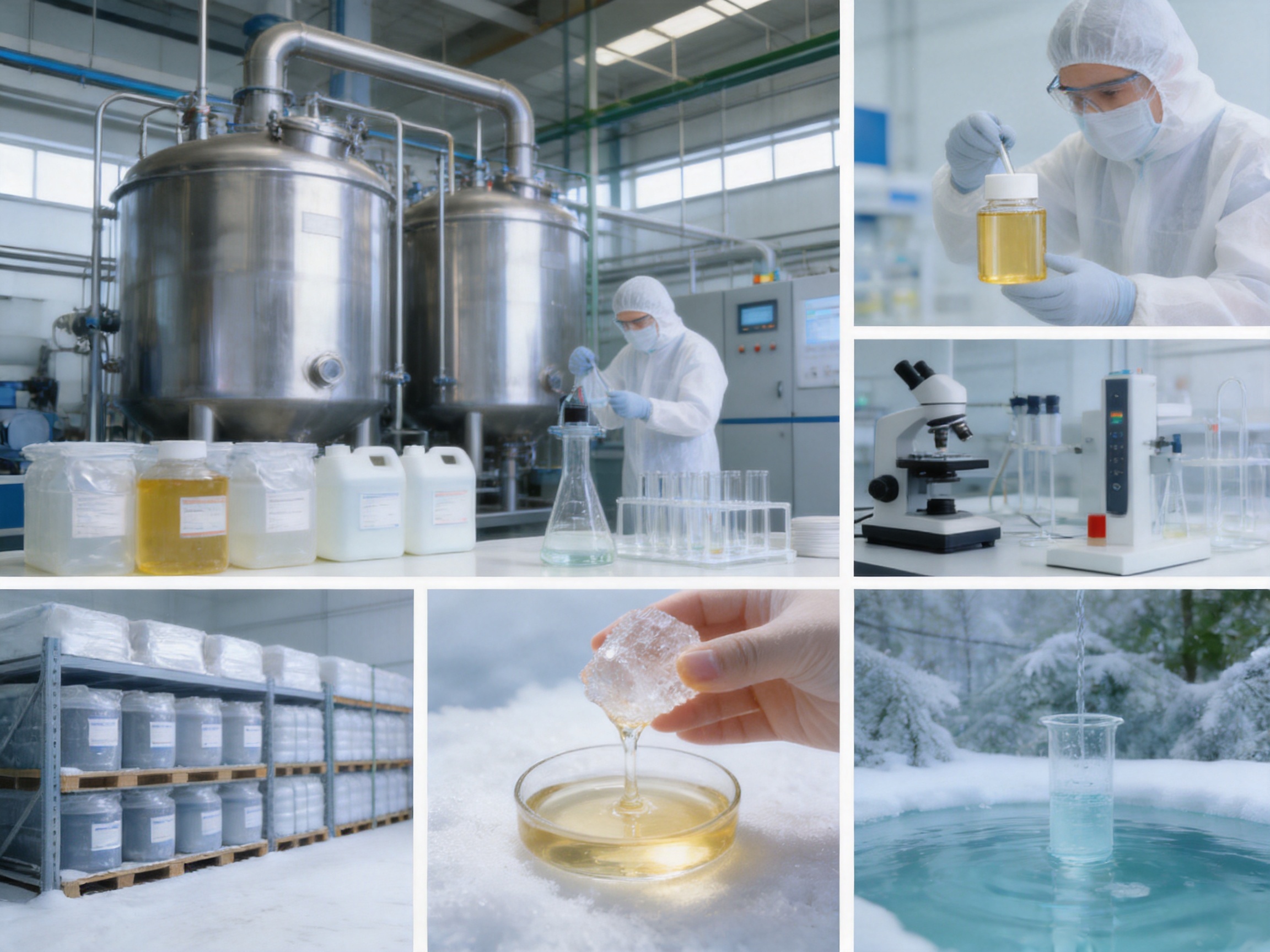
Polyester and other man-made fibers are valued for their strength, dimensional stability, appearance retention, and wide range of applications. However, their compact molecular structure can make dye penetration and dye diffusion more difficult than in many natural fibers. Conventional polyester dyeing often depends on elevated temperatures, extended processing times, or relatively high quantities of carriers and auxiliaries. These conditions may increase energy consumption, create additional pressure on equipment, and make level dyeing more difficult to control.
The High-Concentration Low-Temperature Eco-Friendly Carrier is designed to address these challenges. Based on a benzyl benzoate derivative and formulated as an anionic textile auxiliary, it accelerates the diffusion of disperse dyes into polyester fibers and improves migration, leveling, penetration, and shade development. Its concentrated formulation allows effective performance at relatively low dosage, while its low volatility, low odor, and absence of chlorinated aromatic compounds support a more environmentally responsible dyeing process.
This carrier is intended for textile dyehouses that need to improve dyeing stability without sacrificing productivity, color quality, or process flexibility. It can be used for polyester, polyester blends, triacetate, modified polyacrylic fibers, and selected fabrics containing spandex. In addition to functioning as a dyeing accelerator, it can be used as a corrective agent after dyeing to help repair uneven shades, dye spots, stains, and other dyeing defects.
The Role of Carriers in Modern Textile Dyeing
Disperse dyes are widely used for polyester and other hydrophobic synthetic fibers. Because polyester has limited affinity for water and a tightly packed polymer structure, the dyeing process requires suitable temperature, time, agitation, and chemical assistance. At high temperatures, the fiber structure becomes more receptive to dye diffusion. A carrier can further support this process by increasing dye mobility and promoting more uniform transfer from the dye bath into the fiber.
A well-designed carrier does more than simply accelerate dye uptake. It should help disperse dye molecules uniformly, reduce the risk of local concentration, support migration from heavily dyed areas to lightly dyed areas, and promote thorough penetration throughout the fabric cross-section. It should also be compatible with the dyeing system, easy to disperse in water, and manageable during storage, dosing, and wastewater treatment.
When a carrier is not properly selected, several problems may occur. These include dye spots, unlevel shades, poor penetration, excessive surface deposition, oligomer-related contamination, machine staining, and inconsistent shade reproduction between batches. A carrier with poor environmental or handling characteristics may also create strong odor, excessive volatility, or difficult working conditions.
The High-Concentration Eco-Friendly Carrier is engineered as a multifunctional solution. It supports low-temperature dyeing while also offering dispersing, dissolving, extracting, and purifying abilities. This combination allows the product to contribute not only to color development but also to fabric cleanliness, machine cleanliness, and improved process stability.
Product Composition and Basic Characteristics
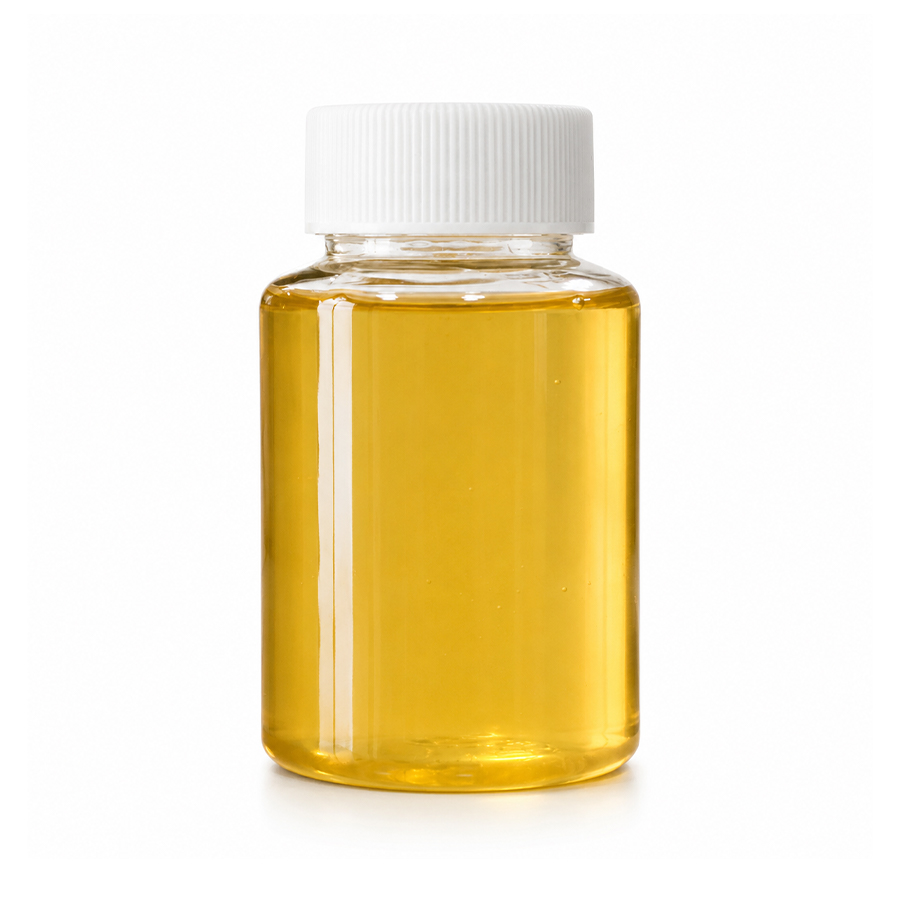
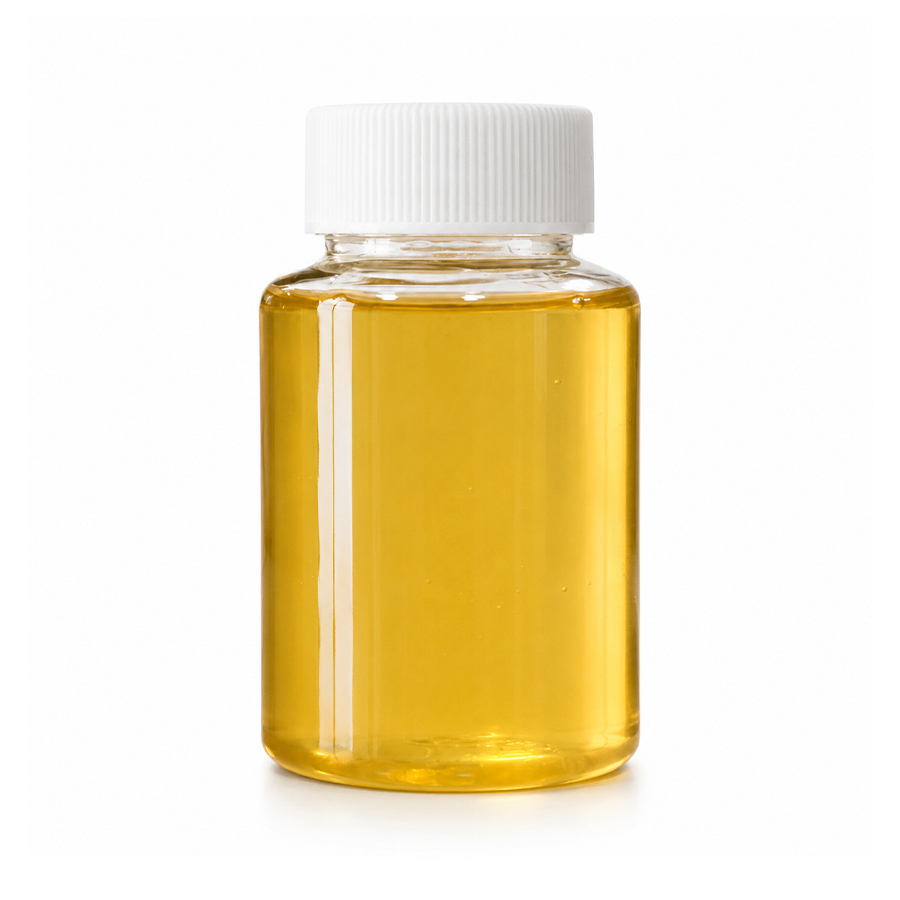
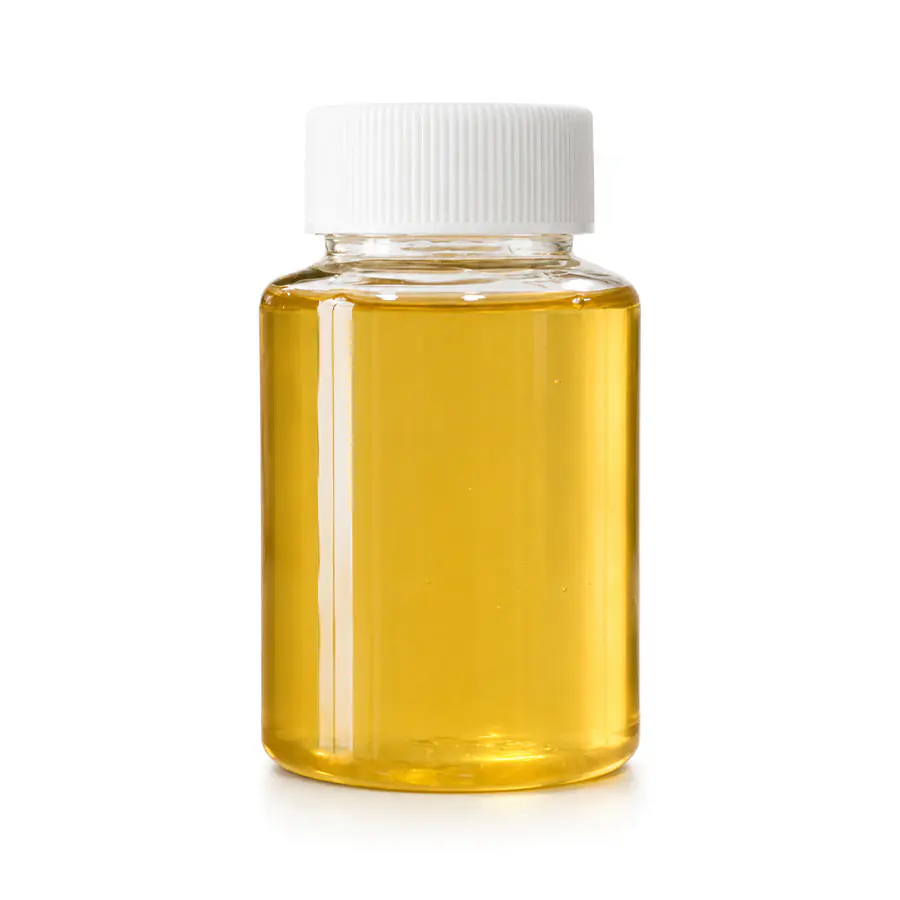
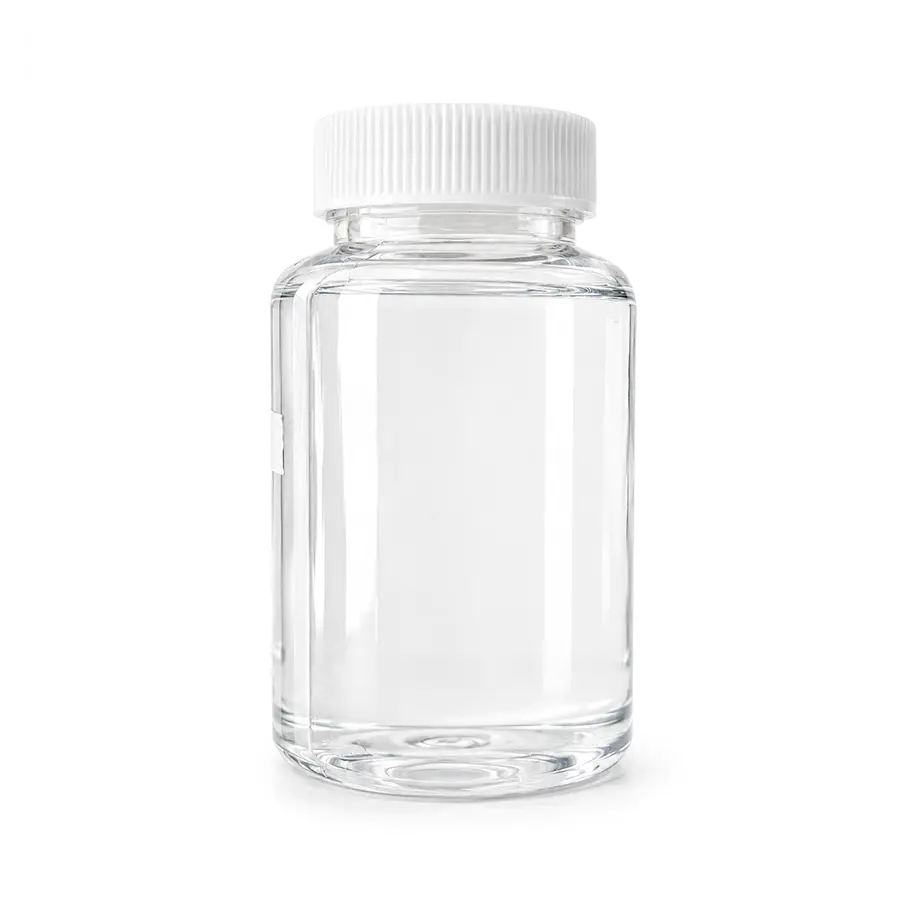
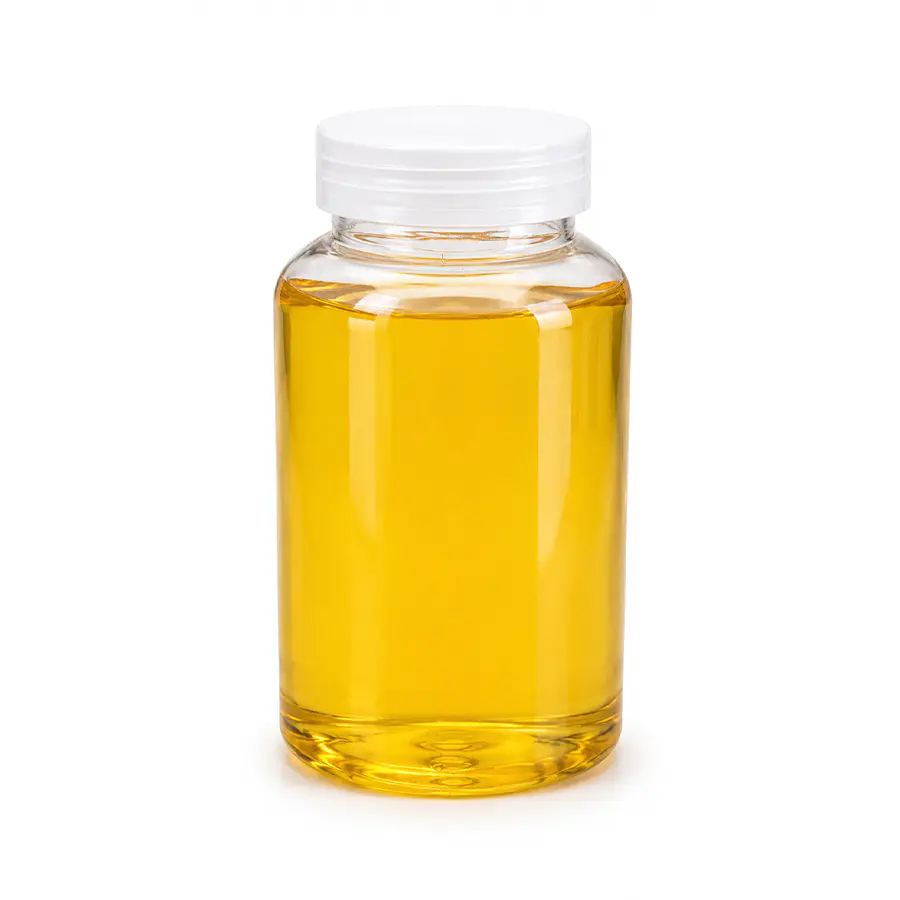
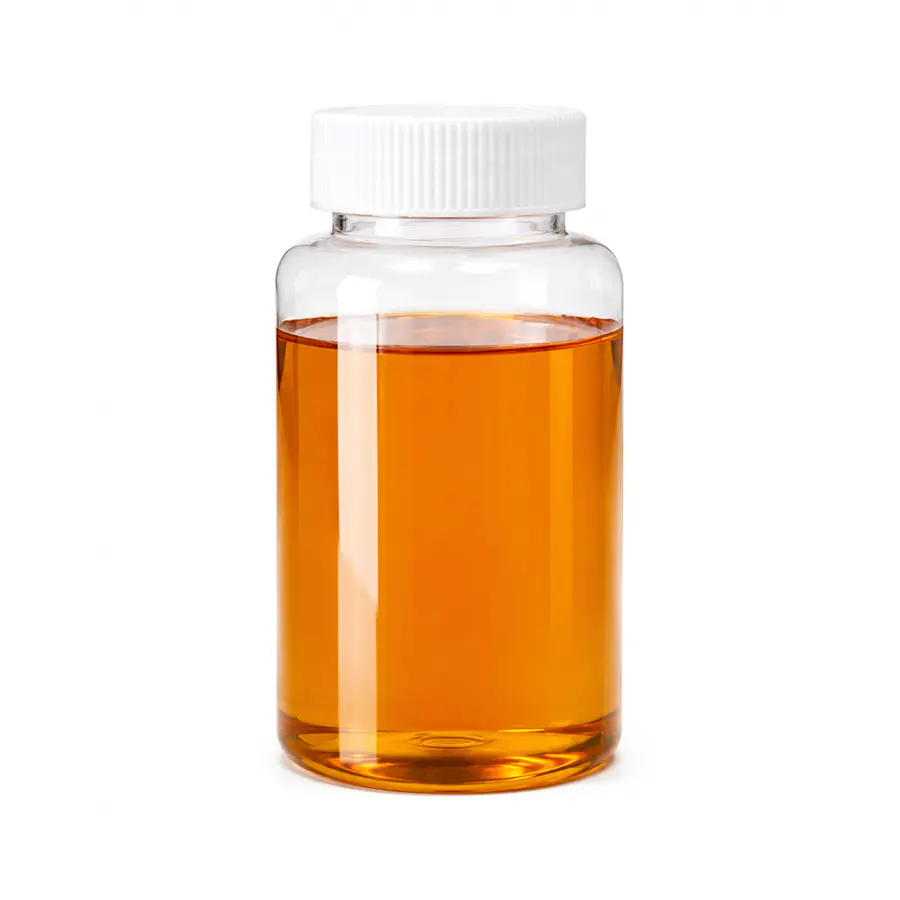
The active chemical composition is a benzyl benzoate derivative. This type of functional structure is widely recognized for its ability to assist the movement of disperse dyes into synthetic fibers. The product is anionic, appears as a light yellow transparent liquid, and is self-emulsifying when it comes into contact with water.
Property |
Product characteristic |
Chemical composition |
Benzyl benzoate derivative |
Ionicity |
Anionic |
Appearance |
Light yellow transparent liquid |
Water behavior |
Self-emulsifying upon contact with water |
Main function |
Low-temperature dyeing accelerator and leveling aid |
Primary fiber applications |
Polyester, polyester blends, triacetate, modified polyacrylic fibers, and selected spandex blends |
Its liquid form supports convenient preparation and dosing in production. The self-emulsifying property helps the product disperse into the dye bath without requiring complicated pre-treatment. Nevertheless, proper dilution, circulation, and compatibility testing remain important, particularly when the product is used with new dye combinations, unusual fabric constructions, or sensitive finishing systems.
The product is highly concentrated. This means that a comparatively small amount can provide useful dyeing assistance. Lower dosage can reduce chemical storage requirements, simplify dosing operations, and potentially reduce the amount of auxiliary chemicals entering the process wastewater. Actual dosage should always be established through laboratory trials and confirmed through production testing.
How the Carrier Improves Dye Diffusion
The principal function of the carrier is to accelerate the diffusion of disperse dyes on polyester fibers. During dyeing, the carrier helps create conditions in which dye molecules can move more readily from the bath toward the fiber and then into the fiber structure. Improved mobility is especially valuable at temperatures below conventional high-temperature polyester dyeing conditions.
Faster diffusion does not necessarily mean uncontrolled dye uptake. A high-quality carrier must balance acceleration with migration and leveling. If dye uptake occurs too rapidly in the first stage of dyeing, the outer surface of the fabric may become overloaded while inner sections remain insufficiently dyed. This can result in barre, ring dyeing, poor penetration, or variations between fabric layers. The carrier is therefore designed to support both acceleration and uniformity.
Its migration performance helps redistribute dye during the process. Areas that initially receive more dye can release a portion of that dye into the surrounding bath or into less-dyed fiber regions. This can reduce local shade differences and help produce a more consistent final appearance. Migration is particularly important for complex fabric constructions, blended materials, tightly packed goods, and products with uneven absorbency.
Thorough penetration is another important benefit. Fabrics with higher weight, dense constructions, textured surfaces, or blended fiber compositions may be more difficult to dye uniformly. Improved penetration helps ensure that the dye does not remain concentrated only on the external surface. It can also contribute to better shade depth and a more balanced visual appearance.
Advantages of Low-Temperature Dyeing
Traditional polyester dyeing frequently uses temperatures close to or above 120°C, depending on the fiber type, dye selection, machine, and process recipe. A low-temperature carrier can make it possible to obtain satisfactory dyeing results at approximately 100°C or 110°C in suitable applications. The exact temperature must be selected according to the fiber, dye class, fabric construction, and desired shade.
Lower dyeing temperatures can provide several operational advantages. Energy consumption may be reduced because less heat is required to bring the bath to the working temperature and maintain it during the process. Lower thermal stress can also benefit heat-sensitive fibers, blended fabrics, elastane-containing materials, and certain recycled or modified polyester products.
Low-temperature processing may support improved dimensional stability in some fabrics. Excessive thermal exposure can contribute to shrinkage, deformation, or changes in fabric handle, particularly when the construction or fiber blend is sensitive to heat. By supporting effective dyeing at a lower temperature, the carrier may help manufacturers manage these risks.
Lower temperatures can also expand the range of materials that can be processed together. Polyester/cellulose blends, wool/polyester blends, triacetate, and other mixed constructions may require a carefully balanced process because the different fibers respond differently to heat and chemicals. A low-temperature approach can assist in protecting the more sensitive component while still enabling acceptable color development on the synthetic component.
Energy savings should not be assumed automatically. The actual benefit depends on the machine, liquor ratio, heating efficiency, process duration, cooling requirements, and production conditions. Dyehouses should compare complete process energy consumption rather than evaluating temperature alone. Even so, a carrier that enables reliable dyeing at lower temperature provides an important tool for energy optimization.
High-Concentration Eco-Friendly Carrier
Level Dyeing and Defect Prevention
Level dyeing is one of the most important performance criteria for a textile auxiliary. A shade may be chemically correct but commercially unacceptable if the fabric shows streaks, patches, side-to-center variation, dye spots, or visible differences between rolls. These defects can lead to reprocessing, increased water and energy use, delayed delivery, and material loss.
The High-Concentration Eco-Friendly Carrier supports level dyeing by improving dye distribution, migration, and penetration. It helps disperse dyes move more evenly through the bath and into the fiber. This is especially useful when the dyeing process includes rapid temperature changes, when the material has variable absorbency, or when the fabric contains multiple fiber components.
Good leveling performance is also connected to bath circulation and process control. The carrier cannot replace correct machine loading, adequate liquor movement, suitable dispersant selection, or an appropriate heating rate. Instead, it works as part of a complete dyeing system. The best results are achieved when the carrier is introduced at the correct stage, fully dispersed, and used with compatible dyes and auxiliaries.
The carrier may help prevent or reduce common defects such as:
• Uneven shade development caused by irregular dye uptake.
• Dye spots caused by local dye concentration or incomplete dispersion.
• Poor penetration in thick, dense, or tightly constructed fabrics.
• Differences between fabric layers or package positions.
• Surface deposition associated with oligomers or poorly dissolved materials.
• Machine contamination caused by polyester oligomers and accumulated residues.
It is important to distinguish between a dyeing defect caused by dye chemistry and one caused by mechanical or operational conditions. If a defect results from poor circulation, incorrect dosing, damaged equipment, or insufficient pretreatment, an auxiliary alone may not correct the problem. The carrier is most effective when combined with disciplined process management.
Corrective Use After Dyeing
One distinctive feature of the product is its ability to function as a corrective agent after dyeing. Dyehouses occasionally encounter uneven shade, isolated dye spots, stains, or other visual imperfections after the main dyeing cycle. In some cases, the fabric can be repaired without repeating the complete process.
As a correcting agent, the carrier may promote the migration and redistribution of loosely held dye. This can help soften local shade variations and reduce the visibility of certain dyeing defects. It may also assist in extracting or mobilizing surface deposits that contribute to spots or stains.
Corrective treatment should be approached carefully. The fabric should first be inspected to determine whether the defect is caused by uneven dye uptake, surface contamination, oligomers, oil, mechanical damage, or an incorrect dye combination. A laboratory trial should then be conducted using a representative fabric sample. The trial should evaluate shade change, color fastness, fabric handle, dimensional stability, and the effect on adjacent fiber components.
Repairing a fabric after dyeing can provide significant economic benefits. It may reduce the need for complete redyeing, lower water and energy consumption, and prevent the loss of valuable fabric. The possibility of correction is particularly useful for high-value goods, difficult shades, and fabrics with complicated constructions.
Oligomer Removal and Machine Cleanliness
Polyester oligomers are low-molecular-weight substances associated with polyester fiber production and processing. Under dyeing conditions, they may migrate from the fiber or deposit on equipment and fabric surfaces. Oligomers can appear as white powder, surface deposits, or residues that contribute to dye spots and machine contamination.
The carrier has dispersing, dissolving, extracting, and purifying abilities that help address these issues. It can assist in loosening and removing polyester oligomer deposits and support their dispersion in the dye bath. This may reduce the accumulation of white powder on fabric and help limit contamination of dyeing machines.
Machine cleanliness has a direct relationship with production consistency. Deposits on jets, pipes, filters, pumps, and internal surfaces can later detach and contaminate fabric. They may also influence flow, pressure, and bath circulation. By helping manage oligomer-related residues, the product can contribute to more stable operation and reduce the frequency of emergency cleaning.
However, regular machine maintenance remains necessary. A carrier should be considered one part of an oligomer control strategy. Effective management may also include appropriate bath temperature control, correct cleaning cycles, filtration, suitable dispersants, and preventive inspection of equipment.
The product can also help remove fiber oils and various oils from fabric surfaces. Oils may originate from spinning, knitting, weaving, knitting lubricants, machine contact, or handling. If these substances remain on the fabric, they can interfere with wetting and dye penetration, producing irregular shade or localized dye rejection. The carrier’s extraction and purifying performance can support cleaner fabric surfaces and more reliable coloration.
Protection Against Back-Staining
Back-staining occurs when dye or coloring matter deposits on areas that should remain relatively clean or on fiber components with different dye affinity. This problem is common in blends and in processes where loose dye remains in the bath or on the fabric surface. Spandex-containing materials and mixed synthetic fabrics can be particularly sensitive to unwanted deposition.
By improving dispersion, extraction, and bath cleanliness, the carrier can help reduce the risk of back-staining. It may assist in keeping loosely held color more evenly distributed in the bath rather than allowing it to accumulate on unwanted areas. This is useful when processing polyester/spandex, polyester/cellulose, and other blended fabrics.
Back-staining control depends on more than one auxiliary. Dye selection, pH, dispersant performance, rinsing, reduction clearing, temperature profile, and fabric preparation all influence the final result. The carrier should therefore be incorporated into a complete recipe that has been tested on the actual fabric and dye combination.
Compatibility with Different Fibers and Blends
The product is primarily intended for polyester fibers and polyester-based blends. It is suitable for fabrics containing polyester and can be used in applications involving wool blends, polyester/cellulose materials, and other man-made fiber combinations. Its low-temperature function is useful when a blend contains a component that may be affected by excessive heat.
Triacetate fibers dyed with disperse dyes are another suitable application. Triacetate has specific dyeing requirements, and the process must be controlled to avoid damage to the fiber or unwanted changes in handle. A carrier that supports disperse dye diffusion at a lower temperature can help increase process flexibility.
The product is also suitable for modified polyacrylic fibers dyed with anionic dyes. Since modified acrylic materials can differ substantially in chemical structure and dye affinity, laboratory testing is important before production. The correct dosage, pH, temperature profile, and dye combination should be determined according to the specific fiber supplier’s recommendations.
For spandex blends, the carrier can support the removal of mineral residues and oils while helping prevent back-staining. Spandex-containing fabrics require special care because excessive temperature, aggressive chemicals, or unsuitable mechanical conditions can affect elasticity and recovery. Low-temperature processing can be beneficial, but the complete recipe must still be evaluated for fiber protection.
Application area |
Potential contribution of the carrier |
Important process consideration |
Polyester fabric |
Accelerated disperse dye diffusion, improved leveling, and deeper coloration |
Control temperature rise and dye addition rate |
Polyester/cellulose blends |
Supports synthetic-fiber dyeing while helping manage blend sensitivity |
Evaluate compatibility with the cellulose-fiber dyeing stage |
Wool/polyester blends |
Enables lower-temperature processing that may reduce thermal stress |
Protect wool handle and test pH compatibility |
Triacetate |
Supports disperse dye penetration and shade uniformity |
Use a controlled temperature profile suitable for triacetate |
Modified polyacrylic fibers |
Assists dyeing with anionic dyes |
Confirm ionic and chemical compatibility before production |
Spandex blends |
Helps remove oils and minerals and reduce back-staining |
Monitor heat, pH, and mechanical stress |
Recommended Dosage Guidance
Because the carrier is highly concentrated, dosage should be matched to dyeing temperature and shade depth. The following ranges are based on experimental results and should be treated as starting points for laboratory and production trials.
Dyeing temperature |
Light shades |
Medium shades |
Dark shades |
100°C |
0.5–1% |
1–2% |
2.5–3.5% |
110°C |
0.3–1% |
0.5–1.5% |
1.5–2.5% |
Dosage percentages should be interpreted according to the dyehouse’s normal basis, such as the weight of fabric or the weight of goods, and should be standardized throughout laboratory and bulk production records. A higher dosage is generally associated with darker shades or more demanding dyeing conditions, but more product does not always mean better results.
Excessive dosage may influence shade depth, handle, bath behavior, or subsequent finishing. It can also increase chemical cost without providing proportional improvement. The most economical dosage is the lowest level that delivers the required diffusion, leveling, penetration, and defect-control performance under the selected process conditions.
For laboratory development, it is advisable to test at least three dosage levels around the recommended range. The trial should include a control without carrier and should compare color difference, exhaustion, levelness, penetration, surface appearance, washing behavior, and fastness. Where possible, testing should use the same fabric lot, dye lot, liquor ratio, and machine conditions planned for bulk processing.
Process Integration in a Dyeing Machine
The carrier can generally be introduced into the dye bath after suitable dilution and dispersion. Since it is self-emulsifying upon contact with water, preparation is convenient, but operators should still avoid pouring a concentrated chemical directly onto fabric in a stationary bath. Local concentration can create temporary unevenness or affect sensitive materials.
A typical process may begin with fabric loading and bath preparation, followed by the addition of compatible dispersing and wetting auxiliaries. The carrier can then be added in diluted form while the bath is circulating. Disperse dyes should be prepared according to their supplier’s instructions and introduced in a manner that avoids sudden local concentration.
The heating rate should be selected according to the fabric and dye system. A carrier may enable low-temperature dyeing, but the temperature profile still needs to give the dye enough time to migrate and penetrate. Rapid heating can create unlevelness, while an unnecessarily slow process may reduce productivity. The optimum profile should be established through trials.
After reaching the selected dyeing temperature, the bath should be held for a sufficient period to achieve the required exhaustion and penetration. The final holding time will depend on fabric weight, machine type, dye concentration, shade depth, and fiber properties. Cooling and rinsing should be managed to prevent redeposition of loose dye or extracted residues.
When the product is used for correction, the process may require a separate bath or a controlled treatment stage. The fabric should be assessed first, and the treatment should be stopped once the defect has been reduced to an acceptable level. Over-treatment may alter the overall shade or affect the desired depth.
Environmental and Workplace Advantages
The product is positioned as an eco-friendly low-temperature carrier. Its environmental value is connected to several characteristics: it supports lower-temperature dyeing, has low volatility, has low odor, and contains no chlorinated aromatic compounds. These characteristics can contribute to improved workplace conditions and support dyehouses seeking more responsible chemical systems.
Low volatility is useful in production environments because it can reduce the release of vapors during storage, dosing, and processing. Low odor may improve operator comfort and make the dyeing area more pleasant to work in. The absence of chlorinated aromatic compounds is also important for manufacturers that are reducing substances of concern in their chemical inventories.
Lower-temperature dyeing can reduce energy demand, especially when the complete process is optimized. If the process also reduces reprocessing caused by uneven dyeing, further savings in water, electricity, steam, and labor may be possible. Improved first-time-right production is one of the most practical forms of sustainability in textile manufacturing.
The product is suitable for manufacturers seeking APEO-free and formaldehyde-free textile chemical formulations. Product compliance must always be confirmed through current technical documentation, supplier declarations, and testing appropriate to the buyer’s requirements. Textile mills should also review the complete chemical recipe because environmental performance depends on all ingredients used in a process, not only one auxiliary.
Wastewater behavior should be evaluated by the dyehouse according to local regulations and treatment capacity. The product’s dispersing and extraction characteristics may influence the form in which residues are present in the bath. Proper effluent management, chemical dosing control, and separation of concentrated waste streams remain essential.
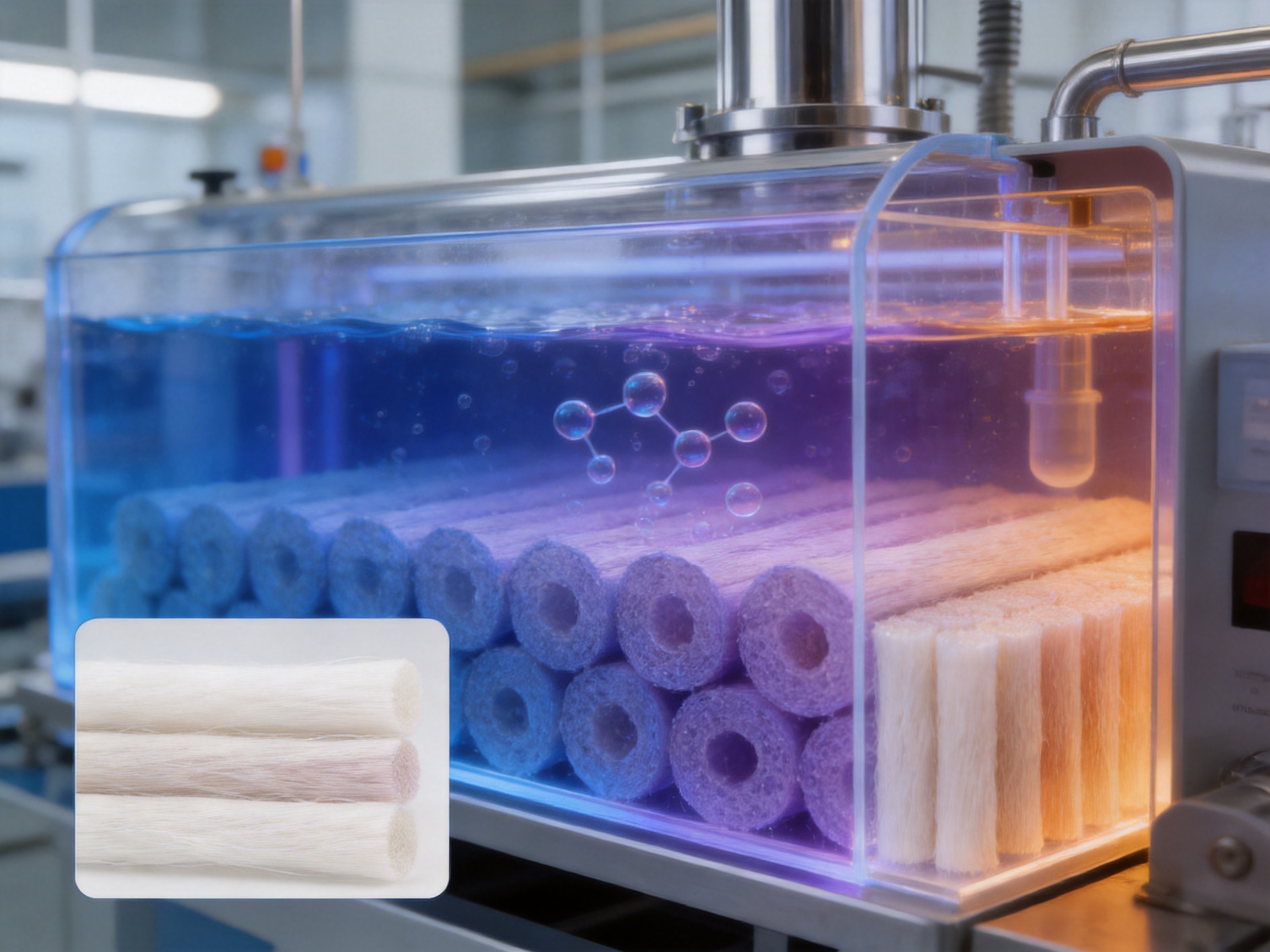
Advantages Compared with Conventional Carrier Approaches
Many conventional carrier systems can accelerate dyeing, but they may have disadvantages such as strong odor, high volatility, poor handling characteristics, insufficient concentration, or the presence of less desirable aromatic components. Some may also provide acceleration without adequate migration or leveling, which can increase the risk of dyeing defects.
The High-Concentration Eco-Friendly Carrier is differentiated by its combination of functions rather than by acceleration alone. Its performance profile includes low-temperature dyeing support, migration, leveling, deepening, color enhancement, oligomer management, oil extraction, purification, and corrective treatment. This multifunctionality can reduce the need to combine several separate auxiliaries in certain recipes.
Its concentrated nature can offer logistical advantages over lower-active products. A smaller volume may be required for an equivalent treatment, which can reduce storage space and simplify handling. Concentration also allows dyehouses to adjust dosage more precisely according to shade depth and fabric type.
The product’s low odor and low volatility can be advantageous compared with carrier systems that create a strong chemical smell during processing. Its lack of chlorinated aromatic compounds provides an additional benefit for companies seeking to improve chemical stewardship and meet customer expectations regarding restricted substances.
Another advantage is its suitability for correction after dyeing. A carrier that can be used not only during the main dyeing stage but also for certain repair treatments offers greater operational flexibility. It may help a dyehouse save batches that would otherwise require complete redyeing or downgrading.
These advantages should be verified under actual production conditions. Different dye brands, machine designs, fabric constructions, liquor ratios, and finishing routes can produce different results. A fair comparison should measure both technical and commercial performance, including shade reproducibility, reprocessing rate, energy use, chemical cost, fabric quality, and operator acceptance.
Manufacturing Strengths and Quality Control
The manufacturer is an established producer of textile printing and dyeing auxiliaries with a history extending back to 1984. Its operations include research and development, production, sales, technical support, and customized formulation. Two production plants and an annual production capacity of 60,000 tons provide a substantial manufacturing foundation for domestic and international textile customers.
Large-scale capacity is valuable because textile mills require consistent supply and stable product quality. A carrier may perform well in a laboratory but fail commercially if each batch varies in active content, ionic behavior, appearance, water dispersion, or dyeing performance. Standardized manufacturing and strict quality control help reduce such variation.
The company’s in-house laboratory and professional R&D team support product development, application testing, and customer-specific adjustment. Textile auxiliaries often need to be optimized for a particular fiber, dye, machine, or finishing route. Customized formulation capabilities allow the manufacturer to investigate performance requirements rather than relying only on a fixed, generic product.
Advanced manufacturing is not limited to the reaction stage. It also includes raw material evaluation, controlled processing, filtration, storage, packaging, batch sampling, finished-product inspection, and technical documentation. Each step can influence the final auxiliary. Consistency in appearance and self-emulsification behavior, for example, is essential for predictable dosing and bath preparation.
Quality control should cover both physical and application properties. Typical evaluation may include appearance, viscosity, density, ionic character, water dispersibility, storage stability, and performance in standardized dyeing trials. Application testing can examine dye exhaustion, migration, levelness, penetration, shade strength, and compatibility with common dyes and auxiliaries.
The manufacturer’s integrated supply network supports raw material sourcing, production planning, packaging, logistics, and customer delivery. Reliable supply is particularly important for mills operating continuous or high-volume production schedules. Delays or substitutions can affect shade continuity and production planning, so supply-chain coordination is a significant part of auxiliary quality.
Environmental and occupational management systems are also part of responsible manufacturing. The company supports compliance with international management standards including ISO 14001 and ISO 45001. These standards relate to environmental management and occupational health and safety, respectively. Such systems can help structure risk assessment, resource management, incident prevention, waste control, and continual improvement.
OEKO-TEX-related requirements are also relevant to textile chemical customers. Certification and compliance status should be confirmed for the specific product, formulation, production period, and intended market. Buyers should request current documentation where formal approval is required.
Research, Development, and Customized Solutions
Textile production is highly diverse. A carrier optimized for lightweight polyester jersey may not be ideal for heavy woven polyester, microfiber, polyester/wool blends, or elastane-containing sportswear. Dyehouses may also use different machines, liquor ratios, pH ranges, and heating programs. For these reasons, application support and customization are important advantages.
The R&D team can evaluate how the carrier behaves with different disperse dyes, anionic dyes, dispersants, wetting agents, leveling agents, reduction-clearing systems, and finishing chemicals. Compatibility testing helps prevent unexpected precipitation, excessive foam, shade change, or poor fastness.
Customized development may involve adjusting concentration, emulsification behavior, application temperature, leveling strength, or compatibility with a specific process. The objective is not simply to create a stronger carrier, but to provide a balanced product that solves a defined manufacturing problem.
Technical cooperation can begin with a fabric and process audit. Relevant information includes fiber composition, fabric construction, pretreatment route, dye brand and concentration, machine type, liquor ratio, heating profile, target shade, current defects, and required fastness. The more complete the information, the more effectively a laboratory trial can reproduce production conditions.
After laboratory evaluation, pilot-scale testing should be conducted before full adoption. Pilot trials can reveal issues that are not visible in beaker tests, including circulation behavior, foam, filtration, fabric rope movement, heat transfer, and machine cleanliness. Production feedback can then be used to refine dosage and process parameters.
Storage, Handling, and Winter Crystallization
The recommended storage temperature is no higher than 30°C, with relative humidity below 50 percent. Containers should be kept sealed and stored in a clean, dry, and well-ventilated area. Exposure to excessive heat, direct sunlight, contamination, or repeated opening should be avoided.
The product may crystallize during winter. This is described as a normal physical phenomenon and does not indicate that the product has lost its performance. If crystallization occurs, the product should be warmed before use until it returns to a suitable liquid state. Gentle and controlled warming is preferable to overheating.
Operators should confirm that the product is fully restored to a uniform liquid before dosing. Any remaining solid material may cause inaccurate measurement or incomplete dispersion. After warming, the container should be mixed as appropriate according to the supplier’s handling instructions.
Safety data sheets and local chemical-handling procedures should be followed. Personnel should use appropriate protective equipment, including gloves and eye protection where required. Spills should be contained and collected in accordance with site procedures and local regulations. The product should not be mixed with incompatible chemicals without prior evaluation.
The stated shelf life is one year under recommended storage conditions. Products approaching or exceeding the shelf-life period should be tested before use, especially when appearance, viscosity, crystallization history, or storage conditions have been unusual.
Building a Reliable Low-Temperature Dyeing Recipe
A successful recipe should be developed around the fabric and desired shade rather than around the auxiliary alone. The first step is to identify the fiber composition and determine whether the material contains polyester, triacetate, modified acrylic, spandex, wool, cellulose, or another component with special requirements.
The second step is to select a compatible disperse dye system. Different dyes have different diffusion rates, build-up behavior, temperature requirements, and fastness characteristics. A carrier can improve diffusion, but it cannot compensate for a dye that is unsuitable for the fiber or shade.
The third step is to establish the pretreatment condition. Oils, minerals, oligomers, knitting lubricants, and processing residues can interfere with dyeing. A clean and uniformly wetted substrate gives the carrier a better foundation for leveling and penetration.
The fourth step is to select the carrier dosage. Light shades may require only a small amount, while dark shades and demanding fabric constructions may need a higher dosage. The recommended ranges provide a starting point, but final dosage should be determined through a controlled trial.
The fifth step is to optimize the heating rate, holding time, agitation, and cooling sequence. These variables interact with the carrier. A low-temperature process may require sufficient holding time to complete migration and penetration. Cooling too quickly or rinsing inadequately can leave loose dye or residues on the fabric surface.
Finally, the dyed fabric should be evaluated for shade, levelness, penetration, handle, fastness, residual odor, and subsequent finishing performance. A process that produces the correct shade but causes a handle problem or poor fastness is not a complete success.
Quality Evaluation and Performance Testing
Laboratory evaluation should include a control sample without the carrier and one or more samples with different dosages. This comparison helps identify the actual contribution of the product. Useful measurements include color strength, color difference, exhaustion, migration, levelness, and visual surface quality.
Cross-sectional examination can be valuable for heavy or dense materials. A fabric may appear acceptable on the surface while showing incomplete internal penetration. Microscopic or cross-sectional assessment can help determine whether the carrier has improved the distribution of dye through the material.
Oligomer and surface-residue control can be evaluated by inspecting fabric surfaces, machine filters, and relevant equipment areas after dyeing. A reduction in white powder, deposits, or machine contamination may indicate that the carrier is supporting cleaner processing.
Fastness tests should include the requirements relevant to the end use. Depending on the product, these may include washing, rubbing, perspiration, light, sublimation, and heat migration. The carrier is designed not to damage light fastness, but actual performance must be confirmed with the selected dye and fabric system.
For blended fabrics, each component should be evaluated. A polyester/cellulose fabric may require testing of both the disperse-dyed polyester and the separately dyed cellulose portion. A polyester/wool blend should be assessed for wool handle, shade interaction, and possible damage. Spandex blends should be evaluated for stretch and recovery after processing.
Production trials should compare not only laboratory color results but also first-pass yield, correction rate, process time, energy use, chemical consumption, machine cleanliness, and operator feedback. These measurements help determine the total value of the carrier more accurately than chemical price alone.
Commercial and Operational Value for Dyehouses
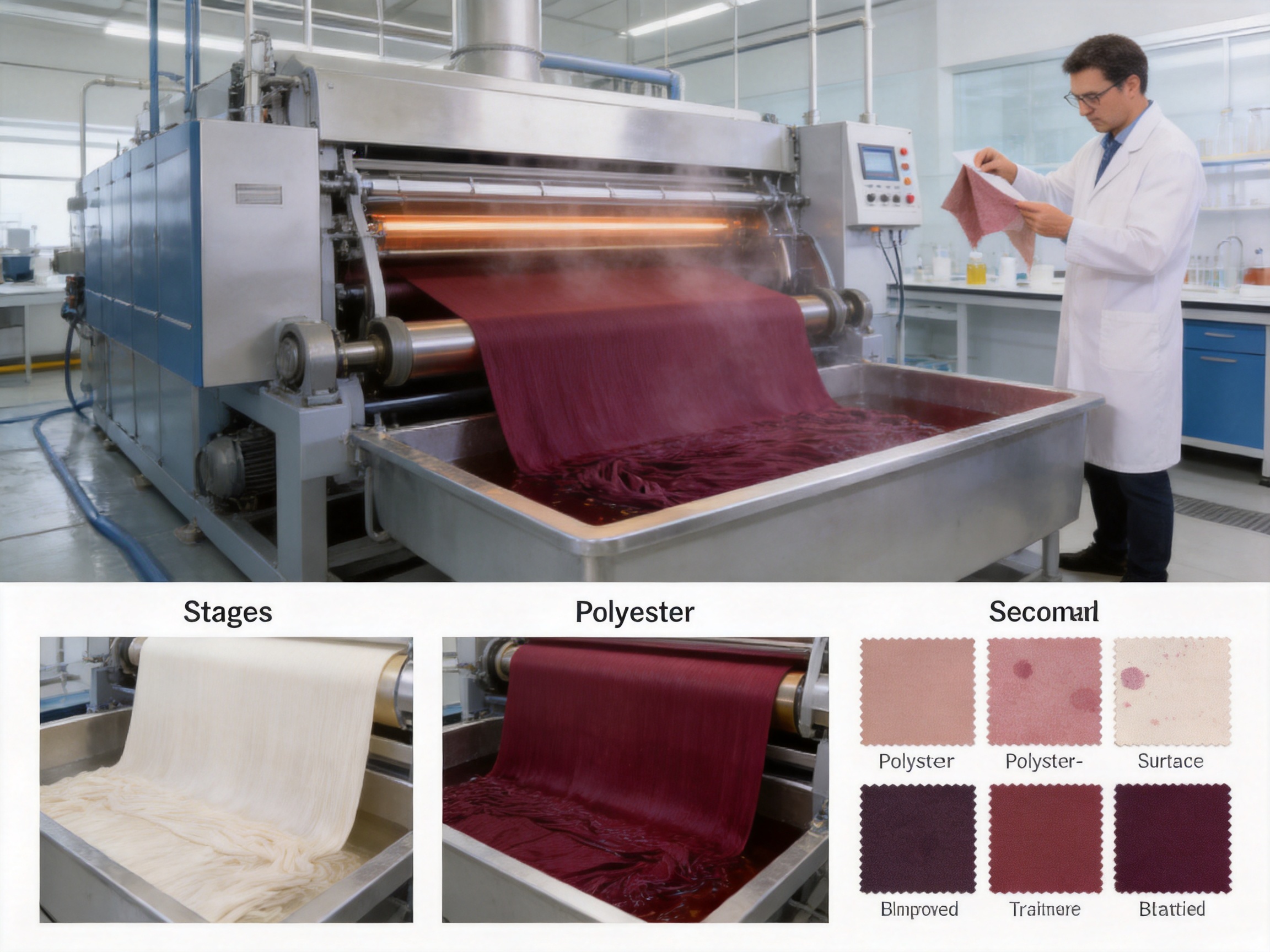
A textile auxiliary creates value when it improves the complete process. The High-Concentration Eco-Friendly Carrier can contribute to lower-temperature operation, better shade reproducibility, reduced defect rates, improved penetration, and more efficient use of chemicals. It may also support correction of certain faults, helping mills avoid unnecessary reprocessing.
Reduced reprocessing can have a major economic effect. Re-dyeing consumes additional water, steam, electricity, labor, dye, auxiliaries, and machine time. It may also reduce production capacity and create delivery delays. If a carrier helps prevent or repair defects, the financial benefit may exceed the direct cost of the product.
Concentration can reduce the number of containers required for a given production volume. This can simplify warehouse management and chemical inventory control. Accurate dosing also allows the mill to adjust treatment according to shade depth instead of applying the same amount to every batch.
Cleaner machines may improve productivity by reducing unplanned cleaning and the risk of contamination. The carrier’s oligomer and oil-management functions are therefore relevant not only to fabric quality but also to equipment reliability and maintenance planning.
For international textile suppliers, environmental positioning is increasingly connected with market access. Buyers often ask about low-emission processes, restricted substances, APEO, formaldehyde, aromatic compounds, occupational safety, and management systems. A low-odor, low-volatility, non-chlorinated aromatic carrier can support a broader responsible-chemistry program.
Implementation Recommendations
Before adopting the carrier in bulk production, textile mills should establish a documented implementation plan. The plan should define the target fabrics, acceptable dosage range, dyeing temperature, heating profile, testing method, storage procedure, and criteria for approval.
Operators should receive clear instructions on dilution, addition point, dosing sequence, and winter handling. The product should be added consistently from batch to batch. Changes in dosing order or dilution quality can influence local concentration and final levelness.
Laboratory and production departments should communicate closely. A recipe developed in a laboratory machine may need adjustment for a larger production machine due to differences in circulation, heat transfer, liquor ratio, and fabric movement. Scale-up should therefore be gradual and documented.
The dyehouse should also retain samples of the product and dyed fabric from approved batches. These reference samples can help investigate future shade variation, storage changes, or customer complaints. Regular review of process data can identify opportunities for further dosage reduction or energy optimization.
Technical consultation with the supplier is recommended when using the product for correction, unusual blends, modified fibers, or severe oligomer contamination. Specific dosages and precautions may vary according to the material and process, and supplier recommendations should be considered together with the dyehouse’s own trial results.
Frequently Asked Questions
What is the main purpose of this carrier?
Its main purpose is to accelerate disperse dye diffusion into polyester fibers during low-temperature dyeing. It also supports migration, leveling, penetration, color enhancement, and the reduction of certain dyeing defects.
Can it replace high-temperature polyester dyeing completely?
It may enable suitable polyester and polyester-blend materials to be dyed at approximately 100°C or 110°C, depending on the fiber, dye, fabric construction, machine, and shade. It should not be assumed that every polyester article can use the same low-temperature recipe. Laboratory and production trials are necessary.
Is the product suitable for dark shades?
Yes. Dark shades generally require a higher dosage than light shades because they contain more dye and may demand stronger diffusion and penetration assistance. At 100°C, the suggested range for dark shades is 2.5–3.5%; at 110°C, the suggested range is 1.5–2.5%. The final dosage should be optimized through testing.
Can the carrier be used with polyester/cellulose blends?
Yes, it is suitable for polyester/cellulose and other man-made fiber blends. The complete dyeing and finishing recipe must be checked to ensure compatibility with the cellulose component, dyes, pH conditions, and subsequent washing stages.
Can it be used on triacetate?
Yes. It is suitable for dyeing triacetate fibers with disperse dyes. Because triacetate has specific heat and chemical requirements, the process should be developed using a controlled temperature profile.
Is it suitable for modified polyacrylic fibers?
It can be used for modified polyacrylic fibers dyed with anionic dyes. The ionic compatibility and application conditions should be confirmed with laboratory testing before production.
Can the product remove polyester oligomers?
It has dispersing, dissolving, extracting, and purifying abilities that can help remove polyester oligomers and related residues. It may reduce white powder, dye spots, and machine contamination, although regular equipment cleaning and process control remain necessary.
Can it remove oils from fabric?
Yes. The product can help extract fiber oils and various oils from fabric surfaces. This supports more uniform wetting and dye penetration, particularly when oil contamination contributes to uneven coloration.
Can it prevent back-staining?
It can help reduce back-staining by improving dispersion, extraction, and bath cleanliness. The result also depends on dye selection, pH, rinsing, reduction clearing, and the composition of the blend.
Can it correct an uneven shade after dyeing?
It can be used as a correcting agent for certain uneven shades, dye spots, stains, and related defects. A laboratory trial should first determine the cause of the defect and establish the treatment conditions.
Does it affect light fastness?
The product is designed not to damage light fastness. However, fastness is influenced by the dye, fiber, shade depth, clearing process, and finishing conditions. Actual fastness should be tested for each commercial application.
Does it contain chlorinated aromatic compounds?
The product is described as containing no chlorinated aromatic compounds. Buyers should obtain current technical and compliance documentation when formal restricted-substance verification is required.
What should be done if the product crystallizes in winter?
Winter crystallization is a normal physical phenomenon. The product should be warmed before use until it returns to a uniform liquid condition. This physical change does not affect performance when the product is properly restored and mixed.
How should the product be stored?
It should be stored at a temperature of 30°C or below and at relative humidity below 50 percent. Containers should remain sealed and be kept in a dry, clean, and suitable storage area. The stated shelf life is one year under the recommended conditions.
Why is a concentrated carrier beneficial?
A concentrated carrier can provide effective performance at a lower dosage than a less concentrated product. It may reduce storage volume, simplify inventory management, and provide greater flexibility in adjusting dosage for different shade depths and fabric types.
Can the product be used with every disperse dye?
Compatibility should not be assumed for every dye. Different disperse dyes have different chemical structures and application requirements. A laboratory compatibility trial should be conducted with the exact dye system intended for production.
Why Choose an Experienced Textile Auxiliary Manufacturer?
The performance of a carrier depends on more than its chemical description. Consistent raw materials, controlled production, reliable testing, technical expertise, and responsive service all influence the value delivered to a dyehouse. An experienced manufacturer is better positioned to understand the interaction between auxiliaries, fibers, dyes, equipment, and finishing processes.
A manufacturer with dedicated production plants and substantial annual capacity can support stable supply for both standard and customized requirements. An in-house laboratory allows new products and customer applications to be evaluated under controlled conditions. A professional R&D team can also investigate defects and recommend adjustments based on technical evidence.
Standardized manufacturing helps ensure that batches maintain consistent appearance, concentration, emulsification behavior, and application performance. Strict quality control reduces the risk that a dyehouse will need to change its recipe because of unexplained auxiliary variation.
Environmental and occupational management systems demonstrate a structured approach to responsible production. ISO 14001 and ISO 45001 provide frameworks for managing environmental impacts and workplace safety. For customers serving international textile markets, such systems can strengthen supplier evaluation and compliance management.
Customized formulation capability is particularly valuable when a customer needs a carrier for a specific blend, low-temperature target, machine, or defect. Rather than treating every application identically, the manufacturer can use laboratory data and production feedback to develop a more suitable solution.
Conclusion
The High-Concentration Eco-Friendly Carrier is a multifunctional auxiliary for textile dyehouses seeking more efficient and controlled dyeing of polyester and related synthetic fibers. Its benzyl benzoate derivative structure supports disperse dye diffusion, while its migration and leveling properties help improve shade uniformity and penetration.
Its ability to support dyeing at approximately 100°C or 110°C can provide a practical route toward lower-temperature processing. The product may also help reduce energy demand, thermal stress, oligomer deposits, dye spots, machine contamination, oil residues, and back-staining. As a corrective agent, it offers additional flexibility for repairing selected post-dyeing defects.
The product’s low volatility, low odor, and lack of chlorinated aromatic compounds make it suitable for dyehouses developing more responsible chemical systems. Its concentrated liquid form supports efficient storage and dosing, while self-emulsification helps simplify bath preparation.
Behind the product is an established textile chemical manufacturer with long-term industry experience, two production plants, substantial annual capacity, an in-house laboratory, professional R&D resources, customized formulation capability, standardized production, and strict quality control. These strengths support consistent supply and application-focused technical service.
As with every textile auxiliary, the best results depend on correct dosage, compatible dyes, appropriate pretreatment, controlled heating, sufficient migration time, and careful laboratory verification. When integrated into a well-managed dyeing process, this carrier can help textile manufacturers improve quality, reduce reprocessing, and advance toward more efficient and environmentally responsible production.
References
1. Technical product information for High-Concentration Low-Temperature Eco-Friendly Carrier, including composition, application range, dosage guidance, storage conditions, and product characteristics.
2. General principles of disperse dyeing on polyester and other hydrophobic synthetic fibers.
3. Textile dyeing process-control practices for leveling, migration, penetration, and shade reproducibility.
4. Guidance on the management of polyester oligomers, surface oils, dye residues, and machine contamination in synthetic-fiber dyeing.
5. International textile chemical management and restricted-substance compliance practices.
6. ISO 14001 environmental management system principles.
7. ISO 45001 occupational health and safety management system principles.
Product: High-Concentration Eco-Friendly Carrier

Contact us
huanannewmaterials@gmail.com
-
 Phone: +86 - 13861620767
-
 Fax: +86-0510-86200939
-
 298 Hongxing Road, Huashi Town, Jiangyin City, Wuxi City, Jiangsu Province, China
Product links
Mobile App
Copyright © Jiangyin Huanan New Materials Technology Co., Ltd. All Rights Reserved

-
huanannewmaterials@gmail.com
-

-

-
+86 - 13861620767