


 English
 中文简体

Fluffy and Soft Cationic Softener Concentrate for Advanced Textile Finishing
Content
- 1 1. The Role of Softening in Textile Manufacturing
- 2 2. Product Composition and Technical Profile
- 3 3. Fluffy Softness and the Sensory Value of the Finish
- 4 4. Hydrophilicity Without Losing Comfort
- 5 5. Reduced Back-Staining Risk in Washing Applications
- 6 6. AEEA-Free Formulation and Responsible Chemical Selection
- 7 7. Suitability for Different Textile Substrates
- 8 8. Recommended Preparation and Application
- 9 9. Compatibility and Process Optimization
- 10 10. Manufacturing Strengths Behind the Product
- 11 11. Advantages Compared with Conventional Alternatives
- 12 12. Sustainability and Compliance Considerations
- 13 13. Storage, Packaging, and Workplace Handling
- 14 14. A Practical Trial Program for Textile Mills
- 15 15. Why Supplier Capability Matters
- 16 16. Common Application Questions
- 16.1 Q1. What type of softener is this product?
- 16.2 Q2. What hand feel does it provide?
- 16.3 Q3. Can it be used on denim?
- 16.4 Q4. Is it suitable for cotton blends?
- 16.5 Q5. Can it be used on synthetic fibers?
- 16.6 Q6. Does the product maintain hydrophilicity?
- 16.7 Q7. Does it cause back-staining?
- 16.8 Q8. Does it contain AEEA?
- 16.9 Q9. How should it be diluted?
- 16.10 Q10. What is the recommended exhaustion dosage?
- 16.11 Q11. Can it be mixed with anionic auxiliaries?
- 16.12 Q12. Can it be used as a raising agent?
- 16.13 Q13. What is its pH value?
- 16.14 Q14. Is it soluble at room temperature?
- 16.15 Q15. How long can it be stored?
- 16.16 Q16. What packaging is available?
- 16.17 Q17. Is the product appropriate for environmentally conscious textile production?
- 16.18 Q18. Why should a production trial be performed before full adoption?
- 17 17. Conclusion
- 18 References
- 19 Product: Fluffy & Soft Softener Concentrate ZN
In modern textile production, fabric hand feel is no longer a secondary consideration. It is a major part of product identity, consumer perception, garment comfort, and commercial value. A denim article, cotton shirt, knitted garment, or synthetic-fiber fabric can meet color and dimensional requirements yet still be rejected if it feels harsh, flat, dry, or unpleasant against the skin. For this reason, textile mills and garment laundries increasingly require finishing auxiliaries that deliver a distinctive soft handle while maintaining appearance, process efficiency, compatibility, and environmental performance.
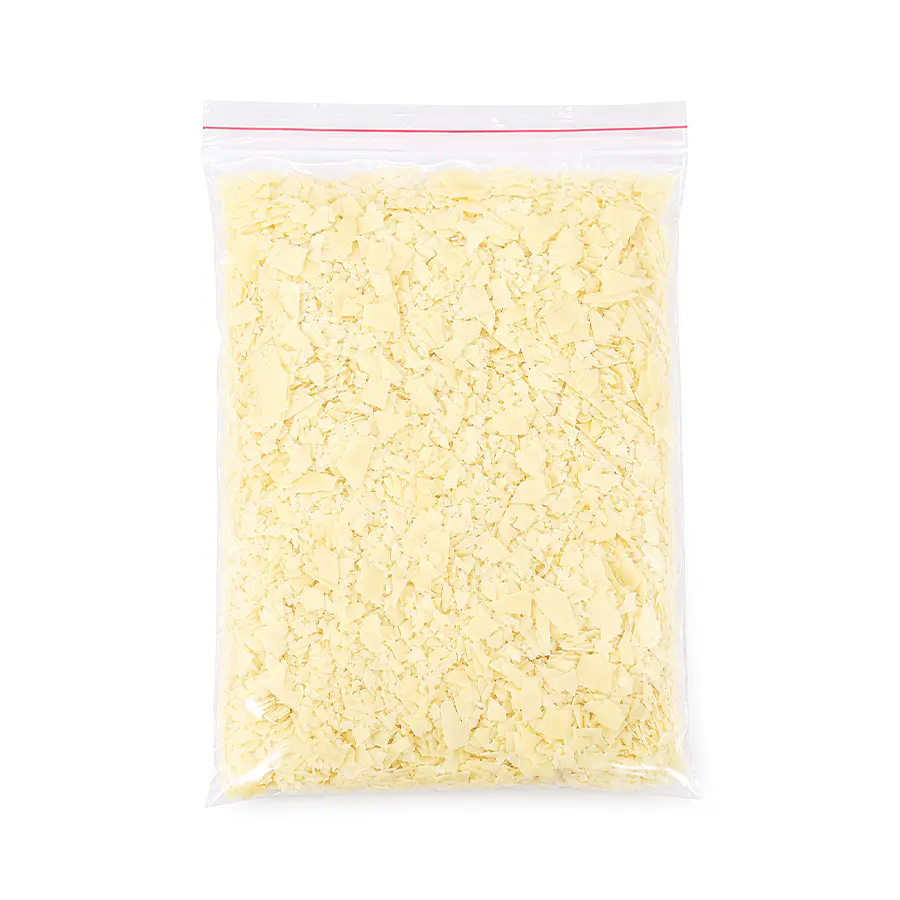
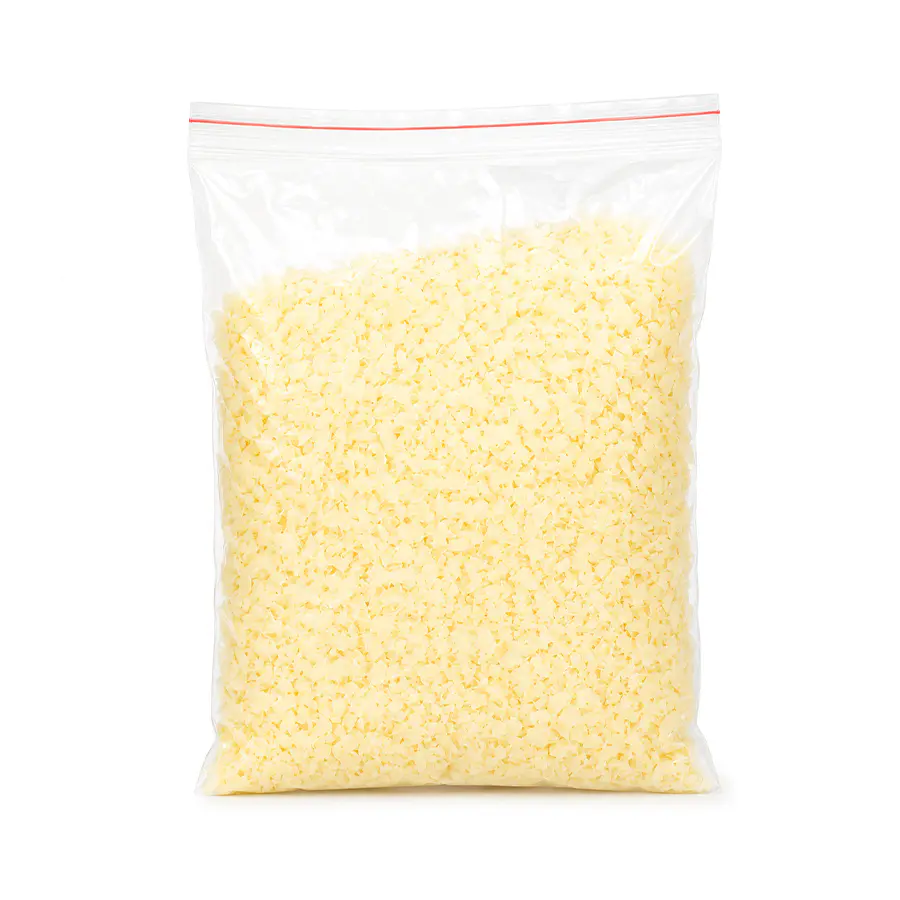
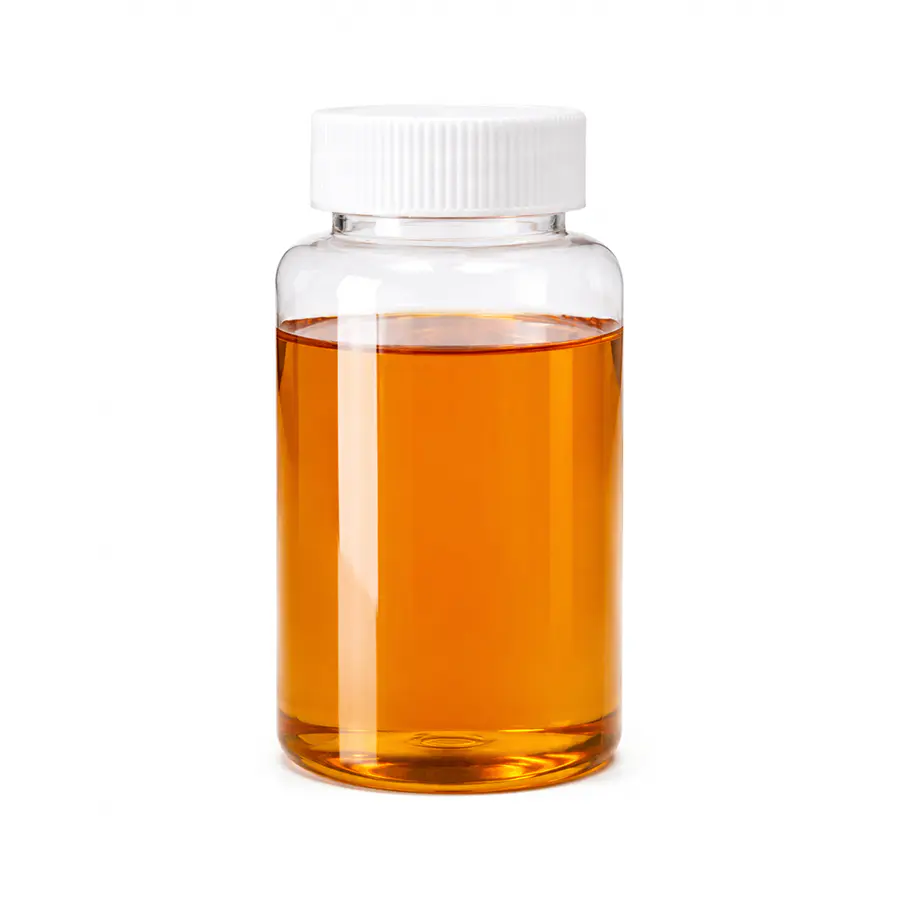
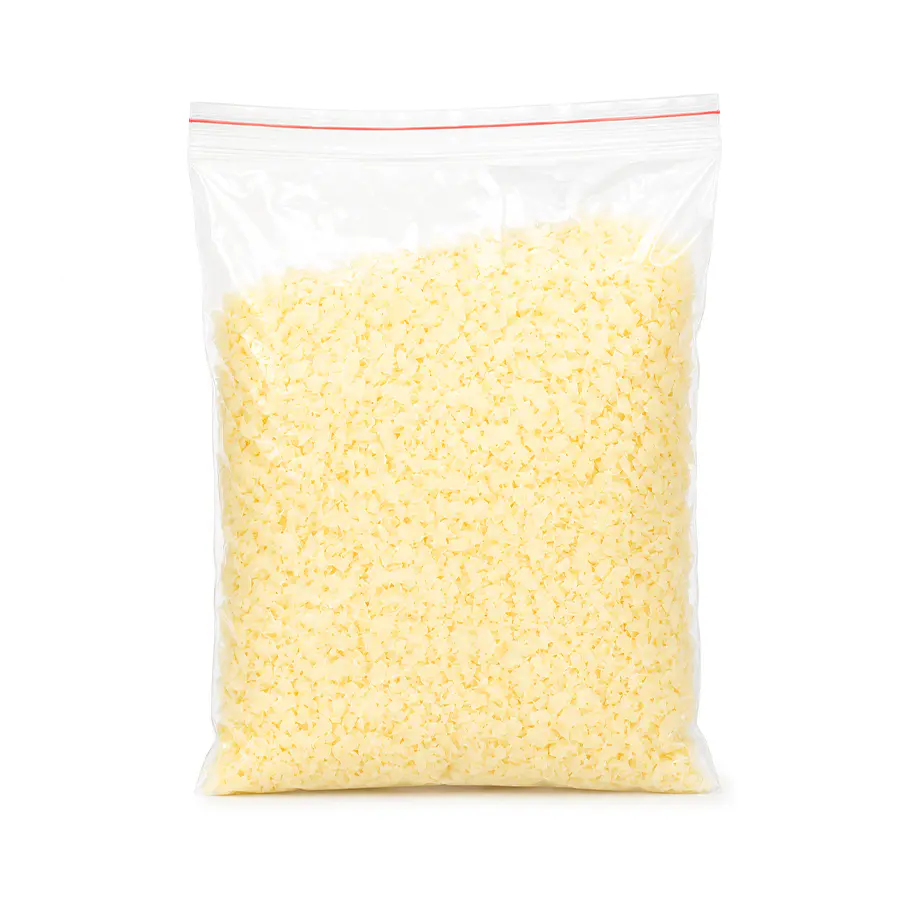
Fluffy & Soft Softener Concentrate ZN is an amide cationic compound developed for textile finishing applications that require a combination of softness, fluffiness, hydrophilicity, and process reliability. It is supplied as a yellow to brownish yellow paste, has cationic ionicity, shows a pH value of 3.0–5.0 in a 10% solution, and is soluble at room temperature under the recommended dilution procedure. The product is particularly suitable for denim, cotton, cotton blends, and selected synthetic fibers. It can also be used as a raising agent where a fuller, loftier, and more tactile surface is required.
The product is designed to provide a soft and fluffy hand without sacrificing useful moisture-related properties. It also addresses an important practical concern in textile washing and finishing: the risk of back-staining. According to the supplied technical information, the formulation does not cause back-staining during washing when used under suitable process conditions. In addition, it contains no AEEA, making it a suitable option for mills seeking formulations that support restricted-substance management and more responsible chemical selection.
Manufactured by Jiangyin Huanan New Materials Technology Co., Ltd., the softener is part of a broader portfolio of textile printing and dyeing auxiliaries. The manufacturer combines long-term industry experience, in-house research and development, standardized production, quality control, and customized formulation capabilities. These strengths are important because a softener cannot be evaluated only by its laboratory appearance. Its commercial value depends on stable performance from batch to batch, predictable dilution, compatibility with other auxiliaries, and the ability to adapt to different fabrics and production routes.
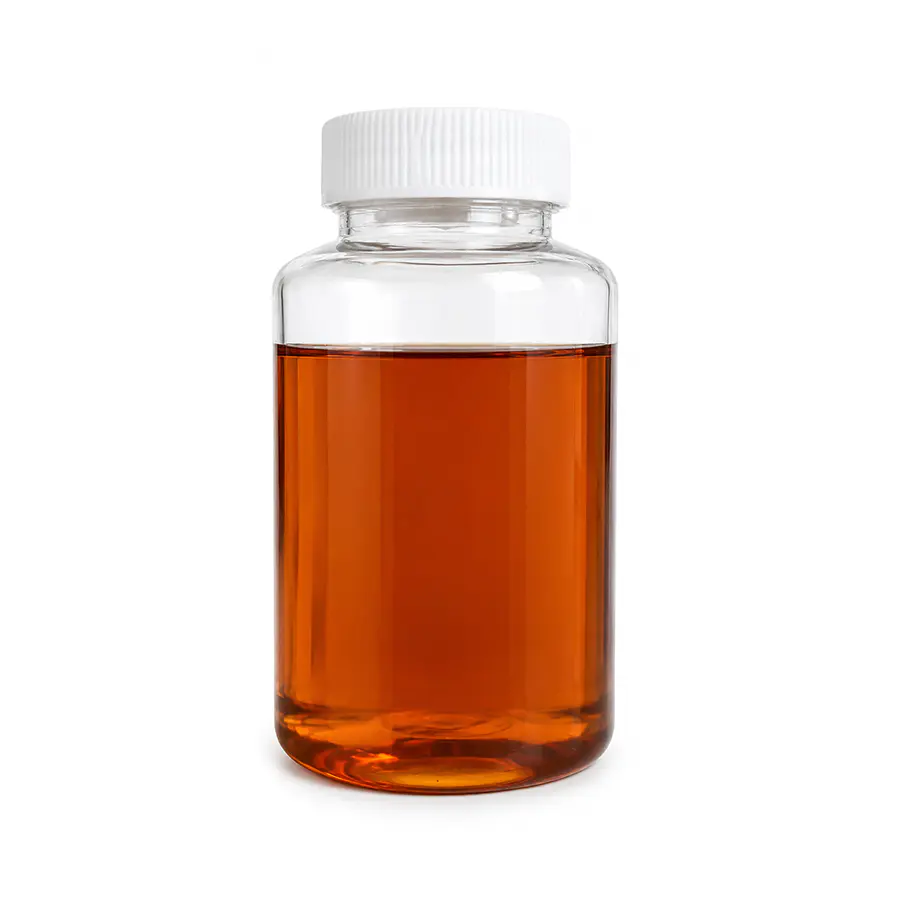
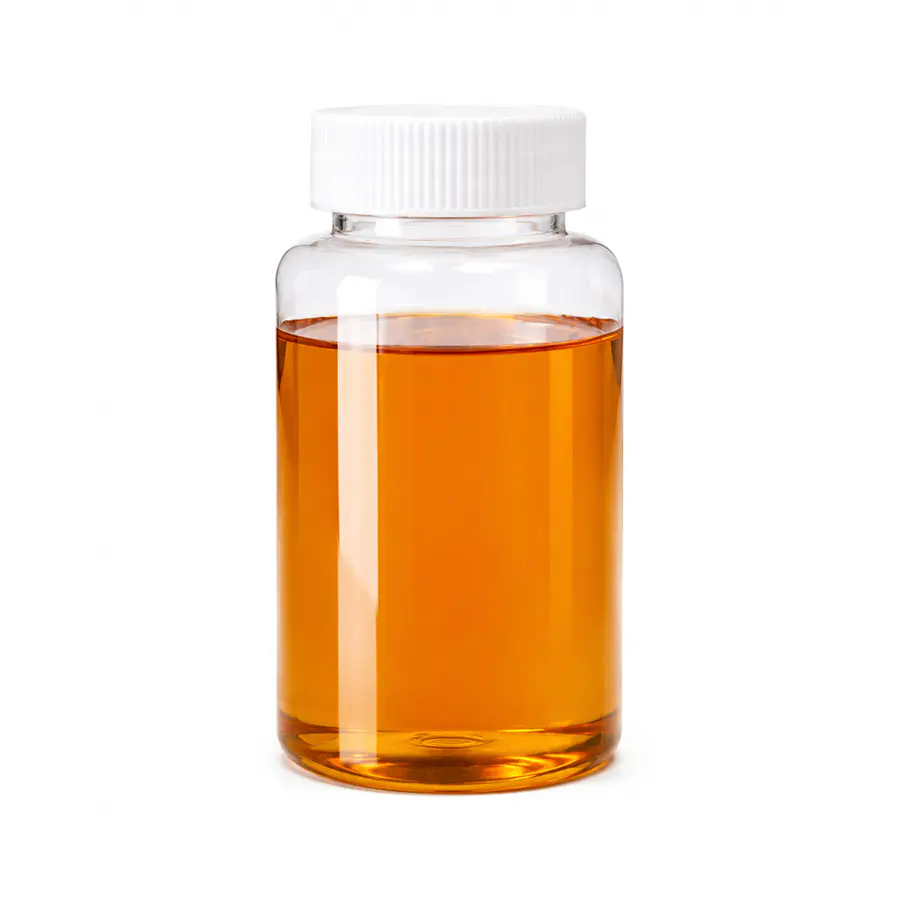
Fluffy & Soft Softener Concentrate ZN
1. The Role of Softening in Textile Manufacturing
Textile fibers naturally differ in surface friction, flexibility, moisture behavior, and response to mechanical treatment. Cotton may become harsh after scouring, bleaching, dyeing, or drying. Denim may require a distinctly fluffy and comfortable surface after repeated washing. Polyester and other synthetic fibers may need a surface treatment that improves tactile comfort without making the fabric excessively greasy or reducing functional performance. Blended fabrics are even more demanding because different fiber types can respond differently to the same finishing formulation.
A textile softener works by modifying the interaction between fibers and between the fabric surface and the hand. The treatment may reduce surface friction, improve fiber lubricity, promote a smoother touch, or create a fuller and more voluminous sensation. In practical terms, a successful softener can make fabric feel more supple, cushioned, smooth, or fluffy. However, softness alone is not enough. A finish that creates a pleasant hand but causes yellowing, poor rewetting, staining, incompatibility, or unstable application can create greater production problems than it solves.
Modern finishing departments therefore evaluate softeners according to several criteria:
• Initial hand feel and softness after finishing.
• Retention of softness after washing or garment processing.
• Compatibility with dyes and other finishing auxiliaries.
• Ease of dilution and preparation.
• Suitability for exhaust, padding, garment washing, or other application systems.
• Influence on hydrophilicity and moisture management.
• Risk of back-staining, uneven deposition, or surface defects.
• Compliance with customer restricted-substance requirements.
• Storage stability, packaging, and supply consistency.
Fluffy & Soft Softener Concentrate ZN has been developed around this broader set of production needs rather than softness as an isolated characteristic. Its value lies in the balance between a rich hand feel and useful textile performance. For manufacturers producing denim, cotton apparel, casualwear, workwear, home textiles, and blended fabrics, this balance can help reduce the compromises often associated with conventional softening systems.
2. Product Composition and Technical Profile
The main component of the product is an amide cationic compound. Its cationic character supports attraction to many textile surfaces, especially fibers and fabrics that have an anionic surface character after wet processing. This type of interaction can help the softening agent deposit effectively on the fiber surface during finishing. The result is a reduction in the sensation of roughness and an improvement in the perceived softness and fullness of the fabric.
The product is supplied as a yellow to brownish yellow paste. This appearance is typical of a concentrated finishing auxiliary and should not be interpreted by itself as a performance defect. As with all textile chemicals, users should evaluate the product according to its technical specification, application results, fabric compatibility, and storage conditions rather than color alone.
Its principal technical characteristics are summarized below.
| Property | Specification or Description | Practical Significance |
|---|---|---|
| Main component | Amide cationic compound | Supports softening and surface deposition on suitable textile substrates |
| Appearance | Yellow to brownish yellow paste | Concentrated form intended for controlled dilution before use |
| Ionicity | Cationic | Requires compatibility checks with anionic auxiliaries |
| pH value | 3.0–5.0 at 10% | Provides an acidic working profile suitable for many finishing processes |
| Solubility | Soluble at room temperature | Allows preparation without mandatory high-temperature dissolution |
| Recommended dilution | 1 part product to 9 parts water | Produces a convenient working dilution for application trials and production |
| Exhaust dosage | 1.0–5.0% on weight of fabric after dilution | Provides a starting range that can be adjusted according to fabric and desired handle |
| Storage life | 6 months | Supports planned inventory management when stored correctly |
| Packaging | 120 kg iron drum | Suitable for commercial textile production and bulk handling |
The listed data provide a starting point for technical evaluation. The final dosage and process conditions should always be selected through laboratory and production trials. Fabric construction, dye class, previous processing, liquor ratio, mechanical action, drying conditions, and the presence of other auxiliaries can all influence the final hand feel.
3. Fluffy Softness and the Sensory Value of the Finish
Many textile buyers do not describe fabric hand feel using a single word such as “soft.” They may look for a combination of softness, fluffiness, fullness, warmth, smoothness, and a pleasant surface touch. Denim is a good example. A rigid or abrasive denim fabric may be technically acceptable but unsuitable for a casualwear collection that requires a relaxed and comfortable character. A cotton knit may need a gentle, lofty hand rather than a slick or overly lubricated surface. A synthetic fabric may require comfort improvement without losing its original structure.
Fluffy & Soft Softener Concentrate ZN is intended to address this combined sensory requirement. Its reported performance includes a good fluffy and soft hand feel, making it suitable for styles in which the fabric should feel full and comfortable rather than merely slippery. This distinction is important. Some softeners create a smooth surface but do not generate the desired bulk or loft. Others provide strong lubrication but may make a fabric feel oily, limp, or over-conditioned. A fluffy softening effect can be more appropriate for denim and casual fabrics where tactile volume is part of the design.
The product can also be considered where a raising effect is required. Raising is a mechanical or chemical-assisted process that lifts fibers or creates a more pronounced surface texture. When used as a raising agent under suitable conditions, the softener may support the development of a warmer, fuller, and more tactile fabric surface. The exact result depends on the fabric structure, machine settings, pretreatment, mechanical action, and finishing temperature. For this reason, the product should be evaluated together with the complete raising and finishing process rather than as a stand-alone additive.
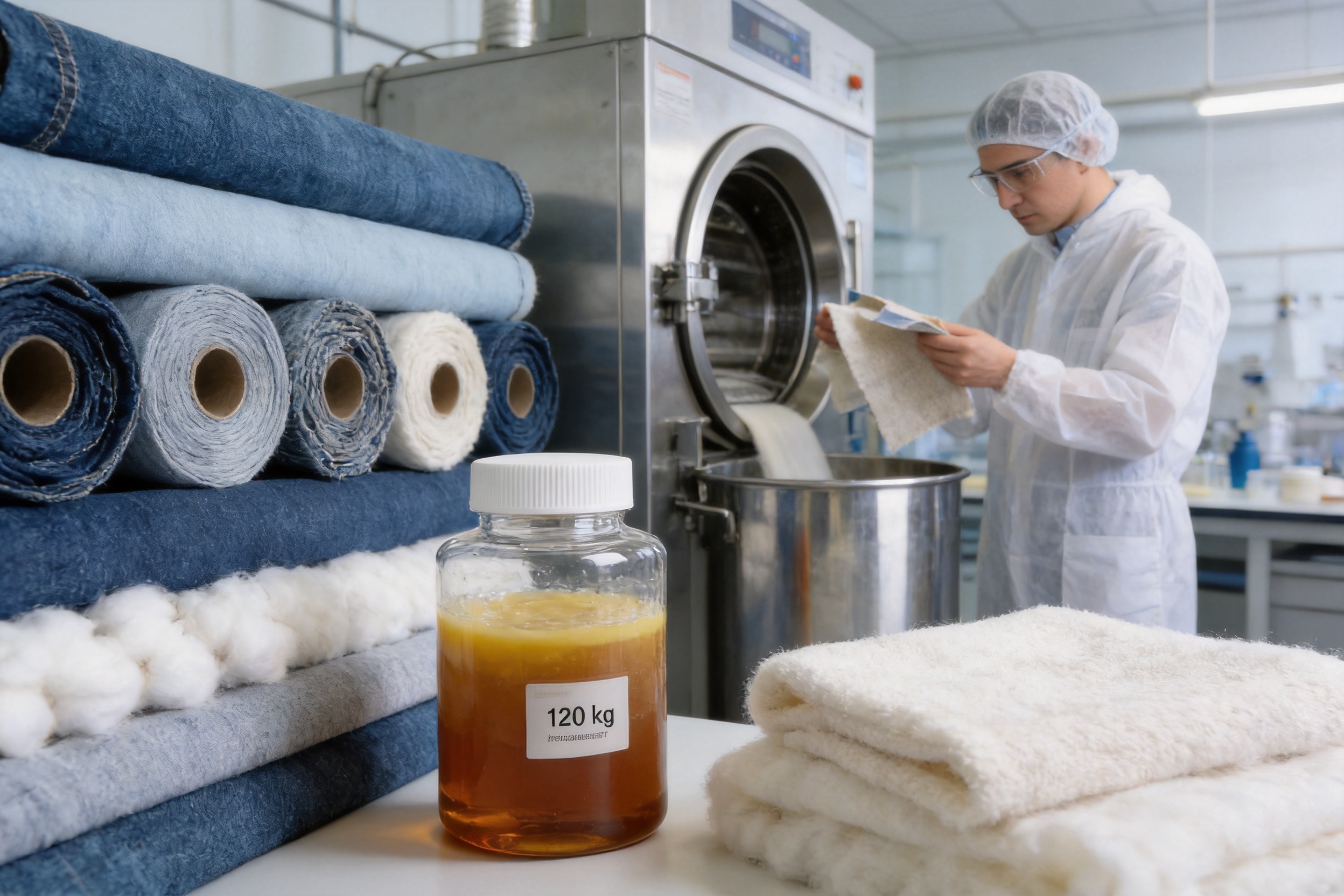
One of the product’s advantages over a narrow-purpose softener is its ability to serve several related finishing objectives. It can be used for a soft and fluffy denim style, applied to cotton and blended fabrics, provide a useful hand on synthetic fibers, and support raising applications. This versatility can help mills reduce the number of separate products maintained for different fabric programs, although individual trials remain necessary before changing a validated production recipe.
4. Hydrophilicity Without Losing Comfort
Softness and hydrophilicity are often treated as competing requirements. Certain softeners provide an attractive initial hand but reduce the ability of the fabric to absorb or transport moisture. This can be undesirable in apparel, sportswear, underwear, towels, workwear, and other products where comfort depends on moisture interaction with the textile surface.
Fluffy & Soft Softener Concentrate ZN is described as maintaining a good hand feel while providing hydrophilicity. This balance is a significant advantage for manufacturers that want a soft, comfortable fabric without completely sealing the surface or creating an excessively water-repellent effect. Hydrophilic performance can support more comfortable wear and may help preserve the functional character of cotton and blended fabrics after finishing.
Hydrophilicity should be assessed using the test method relevant to the end product. Depending on the application, a mill may evaluate drop absorption, sink time, capillary rise, wicking, drying behavior, or moisture transfer. The softener’s effect can also be influenced by pretreatment cleanliness, dyeing conditions, resin or crosslinking treatments, drying temperature, and any additional water-repellent or silicone-based products used in the same process.
The practical advantage is not that the softener eliminates the need for testing, but that it is formulated with the objective of preserving a useful moisture response while improving handle. Compared with conventional products selected only for maximum slipperiness, a balanced softener can offer greater flexibility in performance-oriented textile finishing.
5. Reduced Back-Staining Risk in Washing Applications
Back-staining is a major concern in denim and garment washing. During washing, loose or unfixed dyestuffs can redeposit on areas of the garment that should remain clean or lighter in appearance. Pocketing, labels, white yarns, trims, and contrasting panels may be particularly vulnerable. A finishing auxiliary that contributes to unwanted redeposition can reduce visual quality and increase reprocessing or rejection rates.
The supplied product information states that Fluffy & Soft Softener Concentrate ZN does not cause back-staining during washing. This feature is especially relevant for denim laundries and manufacturers handling dark shades, washed effects, contrast constructions, or garments with light-colored components. By reducing concern about softener-related back-staining, the product can make it easier to integrate a softening stage into a broader washing sequence.
Back-staining performance is influenced by more than the softener alone. The dye type, garment load, wash recipe, liquor ratio, detergent selection, dispersing or anti-back-staining agents, temperature, mechanical action, and rinsing efficiency all matter. Mills should therefore confirm performance using their actual fabrics and washing recipes. Even when a product is designed not to cause back-staining, poor bath management or excessive dye release can still affect the final result.
The key competitive benefit is that the softener is intended to deliver a rich hand without creating an obvious compromise in denim appearance. A product that combines softening and back-staining control can simplify product selection and reduce the need to choose between tactile quality and visual cleanliness.
6. AEEA-Free Formulation and Responsible Chemical Selection
Textile manufacturers increasingly review chemical formulations against customer standards, brand restricted-substance lists, certification expectations, and regional environmental requirements. The presence or absence of specific substances can influence whether a product is approved for a supply chain. Fluffy & Soft Softener Concentrate ZN contains no AEEA, according to the supplied product information.
An AEEA-free formulation can be valuable for mills seeking to improve chemical transparency and align product selection with more demanding purchasing policies. It may also support the preparation of chemical inventories for customers that request information on regulated or restricted substances. However, users should request the latest technical data sheet, safety data sheet, and applicable compliance documentation before making a formal claim for a specific market or certification program.
The manufacturer’s wider product positioning emphasizes eco-friendly, APEO-free, and formaldehyde-free formulations. These characteristics are important in the context of international textile supply chains, where environmental and chemical requirements may apply at several stages, from raw material purchasing to finished-garment testing. The presence of an AEEA-free softener within this broader portfolio gives manufacturers another option when building a finishing system that supports responsible chemical management.
Environmental performance should always be considered as a complete system. A formulation may offer a favorable restricted-substance profile, while its overall impact also depends on dosage, bath volume, wastewater treatment, energy use, packaging, transportation, and process efficiency. Concentrated products can help reduce the quantity of material transported and stored, but the benefit depends on correct dilution and controlled application.
7. Suitability for Different Textile Substrates
7.1 Denim
Denim is one of the primary target applications for the product. Denim finishing often requires a soft, fluffy, comfortable, and slightly full hand. The fabric may undergo desizing, enzyme treatment, washing, bleaching, stone washing, tinting, or mechanical abrasion before the final softening stage. These operations can create a dry or harsh feel, particularly when the fabric has been heavily washed or treated.
The product can be applied in a denim finishing program where the desired result is a soft and fluffy casualwear character. Its reported resistance to back-staining-related concerns is also relevant to denim laundries, particularly when processing dark garments alongside lighter components. The exact dosage should be selected according to fabric weight, washing history, garment construction, and the desired degree of loft.
7.2 Cotton
Cotton and cotton-rich fabrics often benefit from a softening treatment after pretreatment and dyeing. Depending on the fabric construction, the desired result may be a smooth apparel hand, a fuller knit handle, or a soft absorbent feel. The product can be used on cotton when the mill wants to improve comfort without completely sacrificing hydrophilicity.
For towels and highly absorbent products, the effect on absorbency should be tested carefully. For shirts, casualwear, bedding, and fashion fabrics, a balanced soft and fluffy hand may be especially desirable. The optimum process will vary according to whether the fabric is woven, knitted, brushed, compacted, or mechanically finished.
7.3 Cotton Blends
Blended fabrics present a more complex finishing challenge because cotton and synthetic fibers may accept the softener differently. A formulation that performs well on one component may produce an uneven hand or excessive slickness on another. The product is described as suitable for cotton and its blended fabrics, making it a candidate for polyester-cotton, viscose-cotton, and other mixed constructions.
Before production approval, the mill should compare face and back hand, assess shade change, measure absorbency where relevant, and inspect the fabric after laundering. The goal should be a uniform finish across the entire blend rather than maximum softness on only one fiber type.
7.4 Synthetic Fibers
The product can also provide good hand feel on synthetic fibers. Polyester, polyamide, and other synthetic materials may feel relatively hard, dry, or technically smooth before finishing. A suitable softener can improve wearer comfort and give the fabric a more textile-like touch.
Synthetic fibers may respond strongly to certain auxiliaries, so overdosing can create an excessively slick, greasy, or limp result. Controlled dilution and gradual dosage adjustment are particularly important. Where the fabric also has moisture management, antistatic, wicking, or water-repellent functions, compatibility testing should be performed before combining treatments.
8. Recommended Preparation and Application
The recommended dilution ratio is 1:9. This means that one part of the concentrated product is diluted with nine parts of water before application. Dilution improves handling, supports more uniform dosing, and helps operators prepare a working solution that is easier to distribute through the treatment bath.
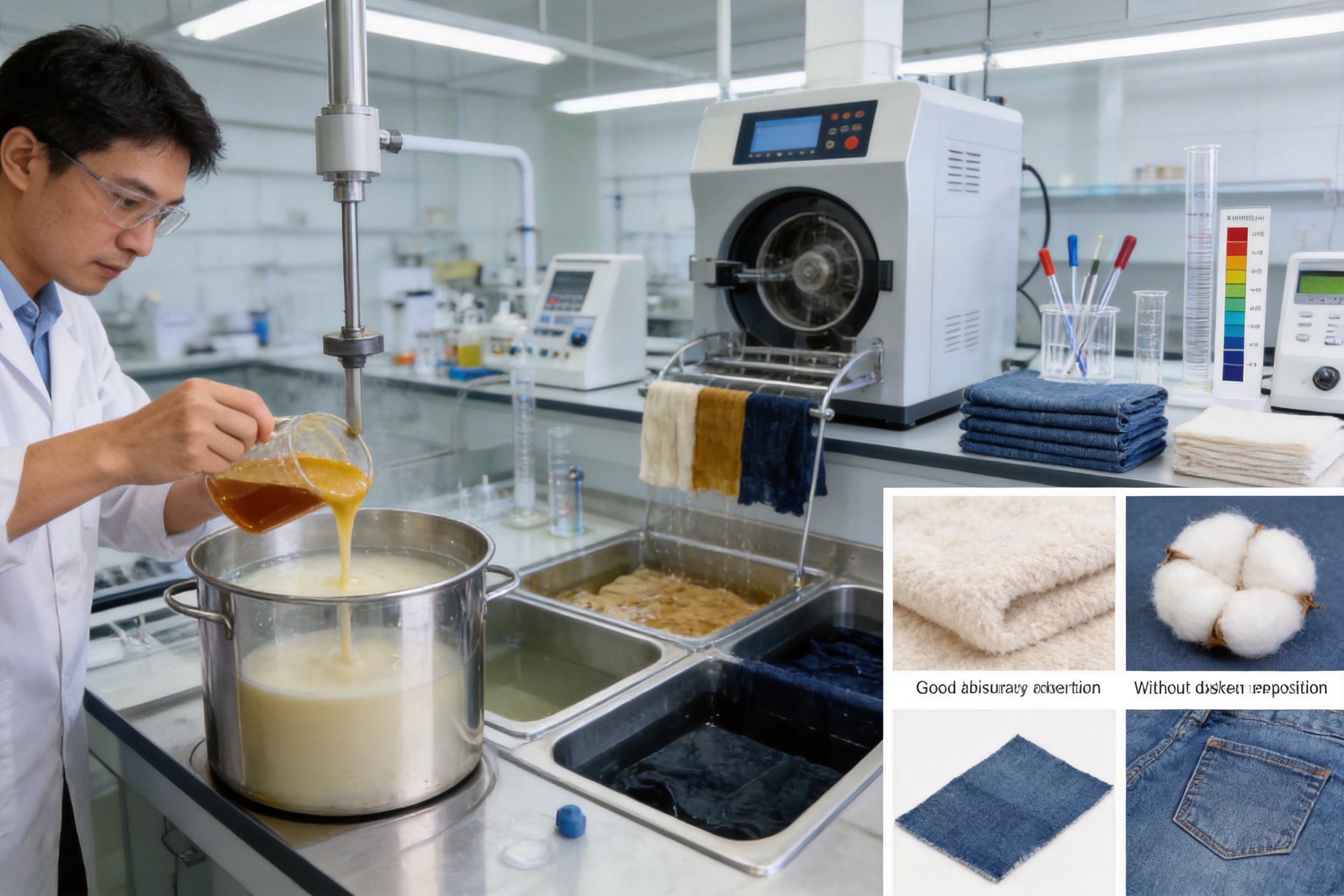
The recommended dilution method is straightforward. At room temperature, the required amount of the product should be added to water while stirring. Stirring should continue for approximately 30–60 minutes, or until the material is completely dissolved. If the temperature is low, the paste may become less fluid. In that situation, pre-warming is recommended before use. The objective is to obtain a homogeneous working solution without undissolved particles or localized high concentrations.
Correct order of addition is important. Operators should prepare the dilution in a clean vessel, introduce the product gradually, and maintain sufficient agitation. Adding a large amount of concentrated paste into a small quantity of water without proper stirring may lead to incomplete dispersion or excessive viscosity. The prepared solution should be checked visually before it is transferred to the production bath.
For the exhaustion process, the recommended dosage range after dilution is 1.0–5.0% on the weight of fabric. This range is broad enough to accommodate different fabric constructions and hand-feel targets. A lower dosage may be suitable when only a moderate improvement is required or when the fabric has already received another softening treatment. A higher dosage may be considered for heavier denim, strongly washed fabrics, or applications requiring a more pronounced fluffy handle.
| Application Stage | Recommended Starting Guidance | Important Control Point |
|---|---|---|
| Laboratory screening | Prepare a 1:9 dilution and evaluate several dosage levels within the recommended range | Compare softness, fluffiness, absorbency, shade, and surface appearance |
| Solution preparation | Add product to water at room temperature and stir for 30–60 minutes | Confirm complete dissolution before dosing |
| Low-temperature preparation | Pre-warm the product if fluidity decreases | Avoid overheating and verify uniformity after warming |
| Exhaust finishing | Begin trials at 1.0–5.0% on weight of fabric after dilution | Adjust dosage according to substrate and desired hand |
| Combined application | Use with other auxiliaries only after compatibility checks | Watch for precipitation, flocculation, shade change, or uneven deposition |
| Production approval | Confirm results on actual fabric and equipment | Repeat testing after washing and storage where relevant |
The product information specifically advises users to check compatibility before using the softener with anionic auxiliaries. This is essential because cationic and anionic products may interact and form precipitates, reduce effectiveness, or cause unevenness. Compatibility should be checked in a beaker test using the actual concentrations, water quality, temperature, and addition sequence planned for production.
9. Compatibility and Process Optimization
Compatibility testing should not be limited to observing whether two products remain visually clear. A complete evaluation should examine bath stability, pH, viscosity, foaming, deposition, fabric appearance, hand feel, absorbency, and performance after laundering. A mixture that looks acceptable in a beaker may still behave differently in a production machine because of agitation, liquor ratio, dosing rate, temperature, or residual chemicals from earlier stages.
Particular attention should be paid to anionic detergents, anionic dyeing auxiliaries, dispersing agents, optical brighteners, resin finishes, water-repellent products, antistatic agents, and silicone systems. If the softener is used in a multi-component finish, the addition sequence may affect final performance. In many cases, the softener should be added after the bath has been cleaned of incompatible residues and after the pH has been adjusted to the intended working range.
Water quality can also affect finishing. Hardness ions, suspended solids, residual alkali, and high conductivity may influence bath stability or deposition. Mills should use water representative of the actual production site during laboratory testing. If a formulation is being transferred between factories, the trial should be repeated because differences in water and machinery can change the result.
Process optimization should include both sensory and measurable evaluations. A practical test plan may include hand-panel ranking, fabric weight, color difference, absorbency, wicking, pilling, crocking, laundering durability, and dimensional stability. For denim, visual inspection for back-staining and shade uniformity is especially important. For sportswear or functional fabrics, moisture transport and drying behavior may be more significant than maximum softness.
10. Manufacturing Strengths Behind the Product
A textile auxiliary is only as reliable as the manufacturing system supporting it. Jiangyin Huanan New Materials Technology Co., Ltd. was established in 1984 and has developed long-term experience in textile printing and dyeing auxiliaries. The company is located in Jiangyin City, Jiangsu Province, and operates two production plants with an annual production capacity of 60,000 tons.
This scale provides several potential advantages for customers. Dedicated production capacity can support larger and more stable supply programs. Multiple plants may also provide broader manufacturing resources and operational flexibility. Most importantly, a substantial production platform can support standardized procedures for raw-material handling, batching, reaction or blending control, filtration, filling, and finished-product inspection.
The manufacturer’s product range covers pretreatment, dyeing, and finishing auxiliaries. Its portfolio includes moisture-wicking finishing agents, high-concentration repairing agents, low-temperature environmentally friendly carriers, silicone oils and silicone softeners, antistatic agents, color-fixing agents, stiffening agents, down-proof and windproof agents, and dry and wet rubbing fastness enhancers. This broad technical scope is relevant to the development of a softener because finishing performance is often connected to the chemistry used earlier in the process.
A supplier with knowledge across the entire printing and dyeing sequence can provide more useful technical support than a supplier focused on one isolated product category. For example, the final hand feel may be influenced by pretreatment cleanliness, dye fixation, repairing treatments, washing auxiliaries, and drying conditions. A manufacturer with experience in these areas is better positioned to help a customer investigate an uneven hand, loss of hydrophilicity, incompatibility, or shade change.
10.1 Research and Development Capability
The company maintains an in-house laboratory and professional research and development team. This supports product evaluation, application testing, formulation adjustment, and process development. Textile chemical R&D is not limited to creating a new chemical structure. It also includes improving dilution behavior, storage stability, compatibility, reproducibility, dosage efficiency, and performance on different fibers.
In-house development capability can shorten the distance between a customer’s textile problem and a practical formulation response. A mill may require a softer denim hand with less back-staining risk, a hydrophilic finish for a cotton blend, or a compatible treatment for a synthetic fabric. Customized formulation capabilities allow the supplier to investigate these needs rather than offering only a fixed, one-size-fits-all product.
10.2 Standardized Production
Standardization is essential for softener concentrates because small changes in raw-material quality, mixing conditions, temperature, or neutralization can influence viscosity, solubility, pH, and fabric performance. A standardized production system should control raw-material identification, batch records, processing parameters, sampling, in-process inspection, and final release.
For customers, the practical outcome is greater confidence that a laboratory-approved formulation will behave similarly during repeated production orders. Standardized production also supports troubleshooting because the supplier can trace the relevant batch information and compare process records when a deviation is reported.
10.3 Quality Control and Supply Integration
Strict quality control is particularly important for products applied at low or moderate concentrations, where a small variation can affect hand feel or bath stability. Quality checks may include appearance, pH, viscosity, solubility, concentration-related indicators, storage stability, and application performance. The exact release tests should be confirmed in the product documentation supplied to the customer.
The company also emphasizes an integrated supply network. A connected supply system can help coordinate raw materials, production planning, packaging, warehousing, and delivery. This is valuable for textile mills that operate continuous programs and cannot easily change softeners because of delayed deliveries or inconsistent lots.
11. Advantages Compared with Conventional Alternatives
Product comparisons should be based on defined performance criteria rather than general claims. Fluffy & Soft Softener Concentrate ZN offers several characteristics that may distinguish it from conventional softeners or narrowly designed alternatives.
First, it focuses on a fluffy and soft hand rather than only surface smoothness. This can be advantageous for denim and casual fabrics that require volume and comfort. Second, it is designed to maintain hydrophilicity while providing softness, which may be preferable to products that create strong lubrication at the expense of moisture behavior. Third, it is reported not to cause back-staining during washing, an important consideration for denim laundries. Fourth, it contains no AEEA, supporting more careful chemical selection. Fifth, it can be used on cotton, blends, synthetic fibers, and selected raising applications, giving it broader utility than a product restricted to one fiber category.
| Evaluation Criterion | Potential Limitation of a Narrow Conventional Product | Positioning of Softener Concentrate ZN |
|---|---|---|
| Hand feel | May provide smoothness without sufficient fullness or fluffiness | Designed for a combined fluffy and soft handle |
| Hydrophilicity | Some strong softening systems may reduce moisture interaction | Intended to maintain a good hand while providing hydrophilicity |
| Denim washing | Softener-related back-staining may create appearance concerns | Reported not to cause back-staining during washing |
| Chemical selection | Some formulations may not meet customer substance preferences | Contains no AEEA and belongs to a broader eco-conscious product portfolio |
| Substrate range | Some products are optimized for only one fiber type | Suitable for denim, cotton, blends, and synthetic fibers |
| Application flexibility | May require separate products for softness and raising effects | Can also be used as a raising agent under suitable conditions |
| Handling | Some concentrated pastes require elevated-temperature preparation | Soluble at room temperature using the recommended dilution method |
These advantages do not mean that the product will automatically outperform every alternative in every application. Textile finishing is highly dependent on fabric and process conditions. The correct comparison should use the same fabric, dosage basis, liquor ratio, machine, drying method, and evaluation protocol. Nevertheless, the product’s combination of tactile quality, hydrophilicity, back-staining performance, AEEA-free positioning, and substrate flexibility gives it a strong basis for competitive evaluation.
12. Sustainability and Compliance Considerations
Textile chemical users increasingly need products that support both performance and responsible manufacturing. The manufacturer’s stated portfolio includes eco-friendly, APEO-free, and formaldehyde-free formulations. It also identifies compliance support related to international environmental management and occupational safety standards, including OEKO-TEX, ISO 14001, and ISO 45001 contexts.
It is important to distinguish between a manufacturer’s environmental management capabilities, product formulation characteristics, and certification of a particular finished fabric. A softener may contribute to a responsible chemical program, but the finished textile must still be tested and certified according to the requirements of the relevant standard or customer. Users should obtain current documentation for the specific product and application.
The concentrated paste format may offer logistical benefits. When accurately diluted at the point of use, a concentrate can reduce the quantity of finished working solution that must be transported and stored. It may also support precise dosing and reduce packaging volume compared with a ready-to-use product of equivalent active content. These benefits depend on disciplined handling, correct measurement, and effective process control.
Waste reduction is another practical consideration. If the product provides the desired hand at a controlled dosage and performs consistently across batches, mills may reduce trial waste, reprocessing, and rejected fabric. Again, this result must be verified by the individual user. The best sustainability strategy is usually the one that combines suitable chemistry with accurate dosing, optimized liquor ratios, efficient rinsing, and reliable quality control.
13. Storage, Packaging, and Workplace Handling
The stated shelf life is six months. The product should be stored in a cool place and protected from unsuitable temperature conditions. Low temperatures may reduce fluidity, so the material should be allowed to return to a suitable temperature or be pre-warmed before use when necessary. Operators should avoid uncontrolled heating and should follow the supplier’s safety data sheet for handling, personal protective equipment, spill response, and disposal.
The standard packaging is a 120 kg iron drum. Before use, the drum should be inspected for damage, leakage, corrosion, or contamination. Containers should remain closed when not being used. The product should be mixed or stirred according to the supplier’s instructions if separation or viscosity variation is observed during storage.
Batch traceability should be maintained from receiving through application. Recording the product name, batch number, receipt date, opening date, dilution date, dosage, operator, and fabric lot can simplify troubleshooting. If the appearance, odor, viscosity, or dissolution behavior differs significantly from the approved standard, the material should be placed on hold pending technical evaluation.
14. A Practical Trial Program for Textile Mills
A structured trial program helps a mill determine whether the product is suitable for a specific fabric. The first step is to identify the target hand. Terms such as “soft,” “fluffy,” “full,” “dry,” “smooth,” and “silky” can mean different things to different evaluators. A physical reference fabric or approved standard should be used whenever possible.
The second step is to prepare a series of laboratory dilutions. The recommended 1:9 dilution should be used as the starting point. Several dosage levels within the 1.0–5.0% exhaustion range can then be compared. The laboratory should record bath appearance, dissolution time, pH, and any signs of precipitation or instability.
The third step is fabric evaluation. Each sample should be examined for hand feel, fluffiness, surface uniformity, color change, whiteness where relevant, absorbency, wicking, and visual defects. For denim, the evaluation should include back-staining checks using the intended washing recipe. For synthetic or performance fabrics, moisture behavior and antistatic performance may also be assessed.
The fourth step is durability testing. A finish that feels excellent immediately after treatment may change after laundering, tumble drying, ironing, storage, or garment construction. Samples should therefore be washed and evaluated again under conditions that represent the final product. If the fabric is intended for repeated domestic washing, multiple wash cycles may be appropriate.
The fifth step is a controlled production trial. The laboratory formula should be transferred to the actual machine with careful attention to liquor ratio, dosing speed, agitation, temperature, treatment time, and drying. The production trial should be compared against the approved laboratory sample and against the existing commercial softener.
Finally, the mill should establish a standard operating procedure. This should include dilution instructions, order of addition, dosage tolerances, compatibility warnings, storage requirements, and acceptance criteria for the finished fabric. The supplier can support this process through technical discussion and customized formulation assistance.
15. Why Supplier Capability Matters
Choosing a textile softener is also a decision about technical partnership. A product may perform well in an initial sample but fail to deliver value if the supplier cannot maintain consistent quality, answer compatibility questions, or support production troubleshooting. The manufacturer’s long operating history, two-plant manufacturing structure, 60,000-ton annual production capacity, laboratory resources, and broad textile auxiliary portfolio provide a foundation for long-term cooperation.
Jiangyin Huanan New Materials Technology Co., Ltd. focuses on the research, development, production, and sales of textile printing and dyeing auxiliaries. This integrated structure allows the company to connect formulation development with manufacturing and customer application. It also creates opportunities for coordinated solutions when a customer needs more than a single softener—for example, a complete sequence involving pretreatment, dyeing, repair, washing, moisture management, and final finishing.
Customized formulation is another important strength. Textile mills vary in fiber, equipment, water quality, customer requirements, and end-use standards. A universal formulation may be suitable for many applications, but special fabrics often require adjustment. The ability to investigate customized requirements can help customers improve hand feel, reduce incompatibility, or achieve a particular balance between softness and moisture behavior.
Professional technical support is especially valuable when converting from one softener to another. The replacement product may need a different dilution time, dosage, pH, addition sequence, or drying condition. A controlled transition plan reduces the risk of production interruptions and helps the mill understand whether a change in hand feel is caused by the chemistry or by an unchanged process that is no longer optimal.
16. Common Application Questions
Q1. What type of softener is this product?
It is a cationic softener based on an amide cationic compound. It is supplied as a concentrated yellow to brownish yellow paste and is intended to be diluted before use.
Q2. What hand feel does it provide?
The product is designed to impart a fluffy and soft hand feel. It is suitable when the fabric needs comfort, fullness, and a more tactile surface rather than only a smooth or slippery finish.
Q3. Can it be used on denim?
Yes. One of its principal applications is fluffy and soft hand-feel processing on denim. Users should confirm the dosage and washing sequence through trials on the intended denim construction and shade range.
Q4. Is it suitable for cotton blends?
Yes. It is suitable for cotton and cotton-blended fabrics. Because blends contain fibers with different surface properties, laboratory testing should be used to confirm uniformity, absorbency, and final hand feel.
Q5. Can it be used on synthetic fibers?
Yes. The product is described as providing good hand feel on synthetic fibers. A controlled dosage is recommended because synthetic fibers may respond strongly to softening treatments.
Q6. Does the product maintain hydrophilicity?
The product is designed to maintain good hand feel while providing hydrophilicity. The exact moisture performance should be measured on the customer’s fabric using a relevant absorption, wicking, or moisture-management test.
Q7. Does it cause back-staining?
The supplied product information states that it does not cause back-staining during washing. Denim laundries should still validate the result using their own dyes, garment construction, washing conditions, and bath auxiliaries.
Q8. Does it contain AEEA?
No. The product information states that it contains no AEEA. For formal customer or certification submissions, users should request the latest supplier documentation for the relevant batch and market.
Q9. How should it be diluted?
The recommended dilution is 1:9. At room temperature, add the required amount of product to water and stir for 30–60 minutes until completely dissolved. If low temperature reduces fluidity, pre-warming is recommended.
Q10. What is the recommended exhaustion dosage?
The stated dosage is 1.0–5.0% on the weight of fabric after dilution. The correct point within this range depends on fabric type, target hand, previous finishing, and equipment. Start with laboratory trials before production use.
Q11. Can it be mixed with anionic auxiliaries?
Compatibility must be checked first. Because the product is cationic, it may interact with anionic auxiliaries. A beaker test should be performed using the actual product concentrations, water, temperature, and addition sequence.
Q12. Can it be used as a raising agent?
Yes. It can be used as a raising agent under suitable process conditions. The final result will depend on fabric construction, mechanical raising settings, dosage, and drying or curing conditions.
Q13. What is its pH value?
The pH value is 3.0–5.0 at a 10% concentration.
Q14. Is it soluble at room temperature?
Yes. It is described as soluble at room temperature when prepared according to the recommended dilution method. Adequate stirring is necessary, and pre-warming may help when low temperature reduces fluidity.
Q15. How long can it be stored?
The stated shelf life is six months. It should be stored in a cool place and kept in suitable packaging. Users should follow the supplier’s current storage and safety documentation.
Q16. What packaging is available?
The listed packaging is a 120 kg iron drum. Customers should confirm packaging options, labeling, and transport requirements when placing an order.
Q17. Is the product appropriate for environmentally conscious textile production?
It contains no AEEA, and the manufacturer offers a wider range of eco-friendly, APEO-free, and formaldehyde-free formulations. The customer should review the current technical and safety documents and conduct finished-fabric testing against the specific requirements of its market or certification program.
Q18. Why should a production trial be performed before full adoption?
Textile finishing results are affected by fabric composition, construction, dyes, water quality, liquor ratio, machinery, mechanical action, drying, and other auxiliaries. A trial confirms that the selected dosage and process produce the required hand feel, appearance, hydrophilicity, and durability on the actual production substrate.
17. Conclusion
Fluffy & Soft Softener Concentrate ZN is a specialized cationic finishing auxiliary for textile manufacturers seeking more than basic surface lubrication. Its principal value is the combination of fluffy softness, comfortable hand feel, retained hydrophilicity, reported resistance to back-staining during washing, AEEA-free formulation, and suitability for denim, cotton, blends, synthetic fibers, and raising applications.
The product is practical to prepare through a 1:9 dilution with water and can be dissolved at room temperature with 30–60 minutes of stirring. Its recommended exhaustion dosage of 1.0–5.0% on the weight of fabric provides a useful starting range for laboratory and production trials. The cationic nature of the formulation also makes compatibility testing essential, particularly when anionic auxiliaries are present.
Its competitive position is strengthened by the manufacturing and technical capabilities of Jiangyin Huanan New Materials Technology Co., Ltd. The company’s long history since 1984, two production plants, annual capacity of 60,000 tons, in-house laboratory, professional R&D team, customized formulation capability, standardized production, quality control, and integrated supply network provide the infrastructure needed to support consistent textile chemical supply.
For mills, the most effective adoption strategy is a controlled evaluation based on actual fabric and end-use requirements. When the product is matched with the correct substrate, dosage, compatibility program, washing sequence, and drying conditions, it can help manufacturers create textiles with a more attractive tactile identity while maintaining practical performance and responsible chemical-selection goals.
References
1. Supplier-provided technical information for Fluffy & Soft Softener Concentrate ZN, including composition, appearance, ionicity, pH, solubility, application, dilution, dosage, storage, and packaging data.
2. Supplier-provided corporate information concerning textile auxiliary manufacturing, research and development, production capacity, product portfolio, quality control, and customized formulation services.
3. General textile finishing practice concerning cationic softeners, fabric hand evaluation, hydrophilicity testing, compatibility assessment, and exhaustion application.
4. General denim laundering practice concerning dye redeposition, back-staining control, garment washing, and post-wash hand-feel evaluation.
5. General textile chemical management practice concerning restricted substances, environmental formulation review, safety documentation, and finished-fabric compliance testing.
Product: Fluffy & Soft Softener Concentrate ZN


Contact us
huanannewmaterials@gmail.com
-
 Phone: +86 - 13861620767
-
 Fax: +86-0510-86200939
-
 298 Hongxing Road, Huashi Town, Jiangyin City, Wuxi City, Jiangsu Province, China
Product links
Mobile App
Copyright © Jiangyin Huanan New Materials Technology Co., Ltd. All Rights Reserved

-
huanannewmaterials@gmail.com
-

-

-
+86 - 13861620767